What Would Happen If The Great Lakes Froze Completely
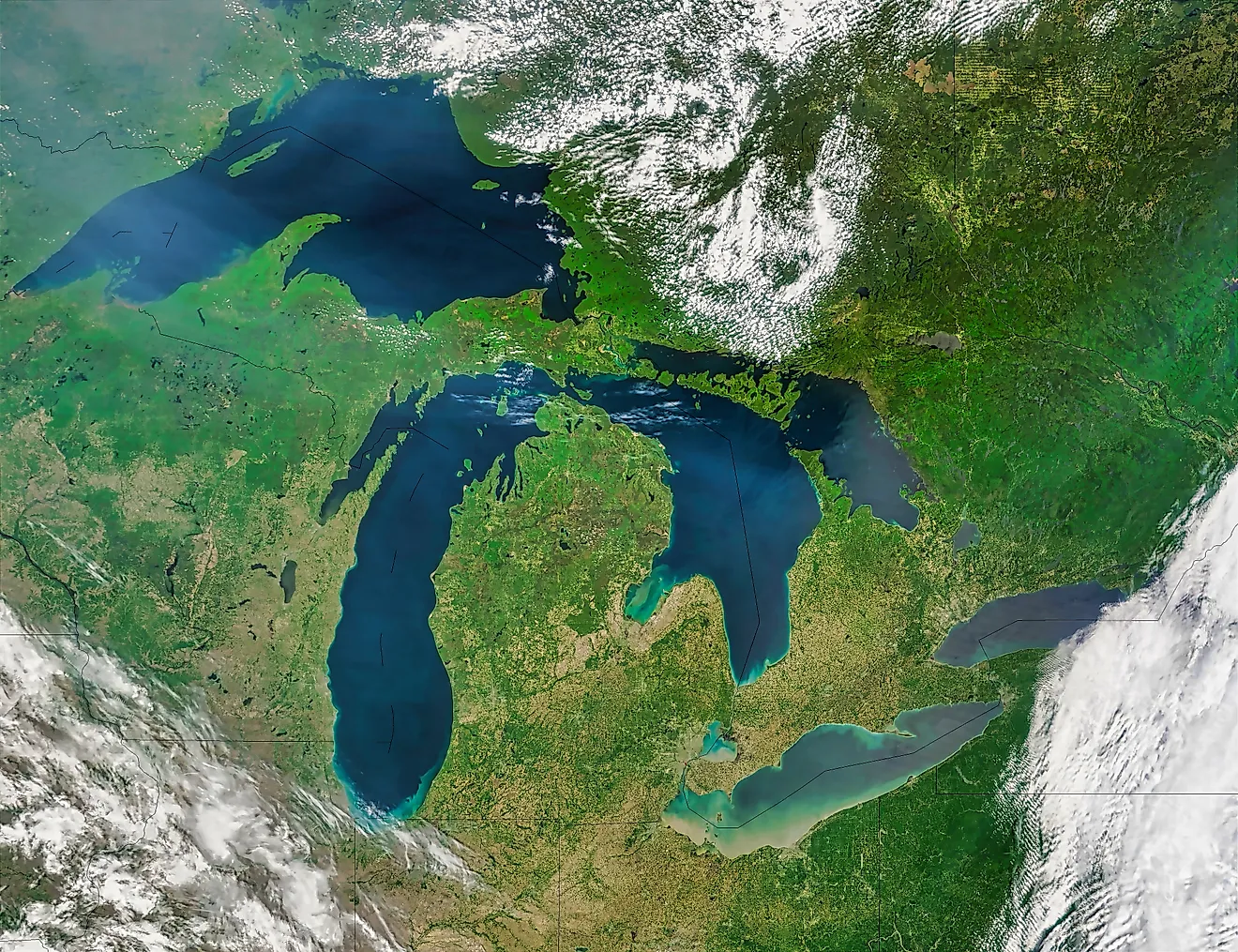
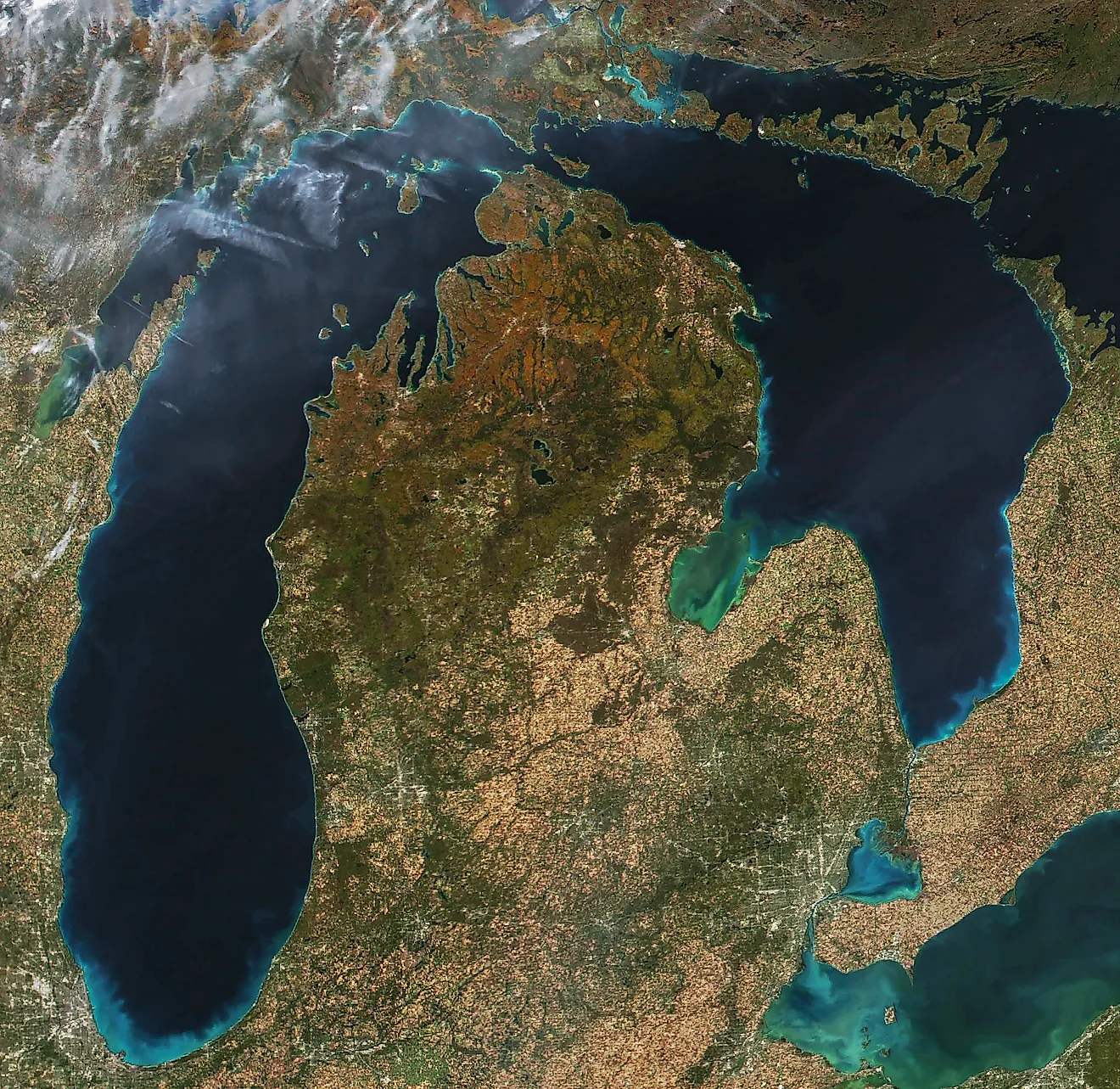
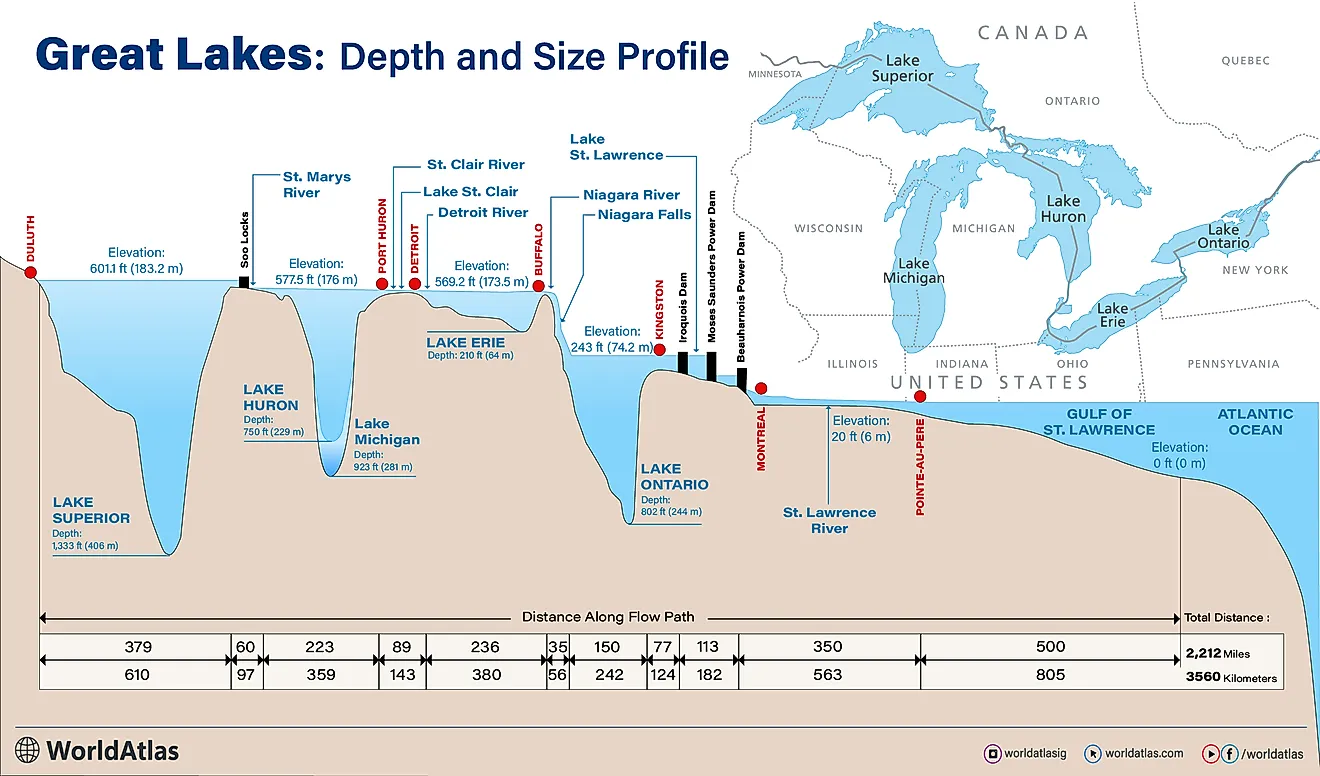
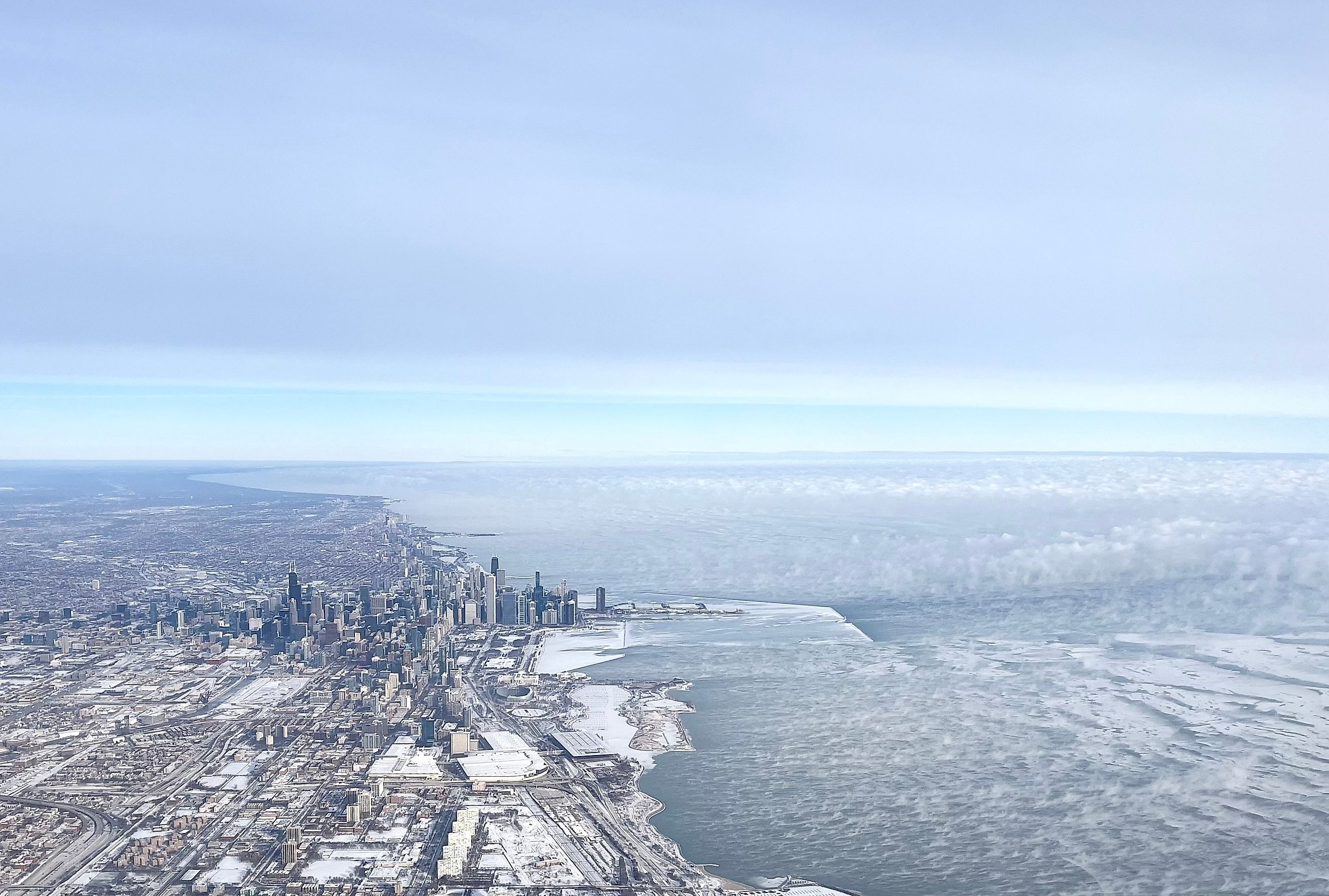
In a hard winter, the Great Lakes can look all but frozen over. Shorelines disappear beneath ice, harbors shut down, and in the coldest years, vast stretches of the lakes turn white to the horizon. But there is a considerable difference between a lake freezing over and a lake freezing solid. For all five of the Great Lakes to freeze solid, top to bottom, is not possible under Earth's current climate. Lake Superior, the deepest of the Great Lakes, reaches 1,332 feet (406 meters) at its deepest point. For all the lakes to freeze completely solid would mean a climate shift of catastrophic levels. If that were to happen, the consequences would be disastrous. Lake-effect snow would change dramatically, aquatic ecosystems would collapse, shipping lanes would vanish, and the climate of the Great Lakes region would bear little resemblance to what we see today.
What Can Cause The Great Lakes To Turn Solid?

For the Great Lakes to freeze solid, the Earth would have had to enter a global climate catastrophe, such as what is referred to as Snowball Earth, a time in Earth's history when the entire planet was covered in ice, with geological evidence indicating this happened during the Cryogenian Period of the Neoproterozoic Era. Likewise, a severe Ice Age would have to take place over a prolonged period. Water expands as it freezes, and it is essentially a thermal insulator. For hundreds of feet of moving deep water to freeze solid would require surface temperatures far below anything humanity has recorded. Global temperatures would need to drop by at least 54°F to 90°F (30°C to 50°C) and hold that way for centuries.
The Great Lakes region itself would need permanent average temperatures well below -50°F (-46°C), on the order of the interior of Antarctica today. Because global weather patterns driven by ocean currents keep the region relatively mild, a total freeze would also require the global ocean conveyor belt to collapse entirely. The world's oceans would have to freeze over with thick ice sheets, while the lack of transferred heat from the equator to the poles would cause mid-latitude regions, such as the Great Lakes, to become dry, polar deserts. The global hydrological cycle would come to a halt; cold air cannot hold moisture, and global precipitation would cease.
The Consequences Of A Total Freeze
The End Of Lake-Effect Snow

When cold, dry winter air blows over the warmer Great Lakes water, the air is heated, adding moisture. This warm and wet air rises and then cools, turning to clouds and dropping heavy snow on areas downwind of the lake. This is called lake-effect snow and is the reason why some regions experience worse winter weather than others on the Great Lakes, even if they are further south. For example, Buffalo, New York, is known for its severe winters, since it lies at the eastern end of Lake Erie, directly in the path of prevailing westerly winds. Toronto, on Lake Ontario, falls outside that wind path, and although it lies about 100 miles (160 km) north of Buffalo, its winters tend to be less severe. When the Great Lakes are covered in ice in the winter, the ice acts as a "lid"; the total or near-total ice cover stops moisture from the lake from entering the air.
When the weather is sufficiently cold to freeze the surface of the lakes, close to 100%, the lake-effect snow is reduced, even though the temperatures are lower. If the lakes were to freeze solid, this would halt the lake-effect snow. However, this would also mean that the volume of water that stores summer heat below the surface ice would be frozen. Normally, this warmer water is gradually released during the winter, keeping the surrounding land warmer. Without a thermal buffer on the lake, the massive amount of water now frozen would cause drastic drops in temperature on the land surrounding the lakes. The humidity levels would plummet, and the climate around the lakes' basins would be drier during the winter and spring, impacting precipitation systems, with far less snow and rain falling on land.
Loss Of Aquatic Life

Under normal winter ice cover, native species keep on living through the season, with the water beneath the surface insulated from the coldest air. As cold-blooded animals, fish slow their metabolisms in winter and need less food and oxygen. Species such as Chinook salmon, coho salmon, and steelhead migrate before winter. Unlike birds, they do not leave the region; rather, they exhibit potamodromous migration, traveling from the open and deep freshwater of the lakes to freshwater rivers and tributaries connected to the lake. Other fish will move deeper into the lake near the bottom where it is warmer.

Some species, like lake trout, stay active under the ice, while others move very little. If the lakes froze completely, all fish, aquatic plants, and other aquatic life would die, trapped in the solid ice. Were the lakes to freeze solid and the outside temperature became optimal for a return to warm weather, the lakes would take decades, or possibly centuries, to fully melt. If the four-season cycle continued as normal, there would be no chance for the ice to melt before winter set in. As there would be no waves when the water is solid, normal coastal erosion would cease. Any movement of the large mass of ice would impact coastal areas by pushing the shoreline further in.
Economic And Social Disruption

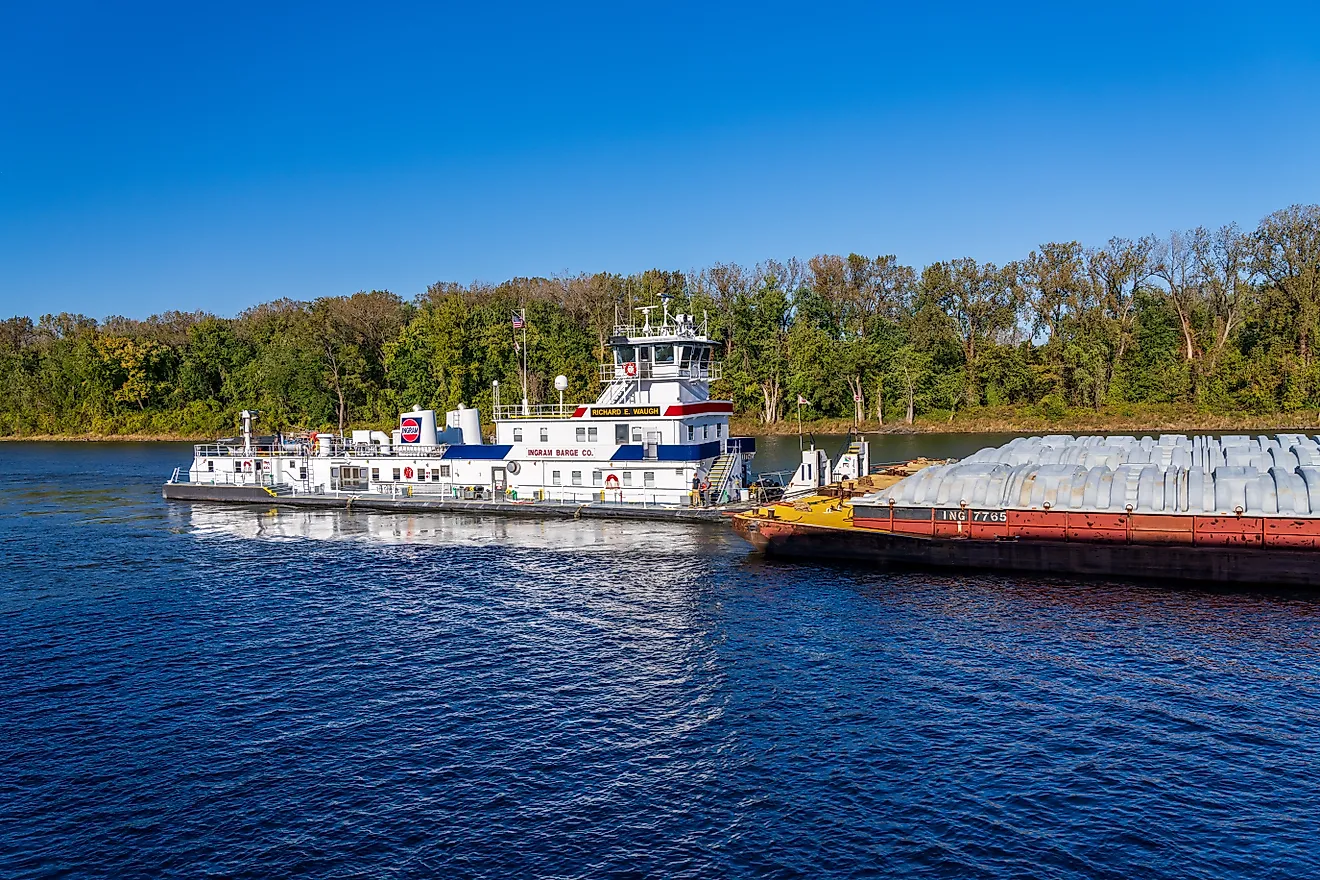
If the lakes were frozen solid, all commercial freighter traffic would halt. Ships would be trapped, while others would be unable to connect from the Atlantic Ocean through the St. Lawrence Seaway and into the heart of North American shipping commerce. Billions of dollars of industrial, agricultural, and mineral cargo would stop, unable to leave for outside markets or enter the crucial North American commercial and urban hub around the lakes.

Although those living on lake islands would be able to leave over the ice, no forms of transport would be operable. This, of course, would also depend on the islands surviving the unprecedented freeze, with the pressure building against the shorelines. Frost lines, the maximum depths to which the groundwater in soil will freeze, would compromise underground municipal water mains, while drinking water for millions of people in communities along the lakes would cease. Deep frost lines would also reach coastal infrastructure, including building foundations, all along the nearly 10,000 miles (16,000 km) of shoreline around the five Great Lakes.
Surface Ice Coverage Of The Great Lakes

A complete freeze of the Great Lakes, solid to the lakebed, has never happened in human history, but surface ice coverage has been extensive in the coldest winters. Lake Erie, the shallowest of the five, freezes over most readily and reached about 96% ice cover in the 2024-25 season. Lake Superior, the deepest and coldest, climbed to roughly 95% during the 2014 polar vortex, close to its modern peak. Basin-wide, the widest freeze on record covered about 95% of the lakes in 1979. Lake Ontario, small in surface area but deep for its size, rarely freezes over completely and holds its summer heat longer than the others. During hard freeze events, ice thickness across the lakes generally runs between 5 and 20 inches (12 to 50 cm), though it varies widely across the five lakes and through the season.
Wind can also drive a separate phenomenon. During a winter storm, gusts pile broken ice into pressure ridges that can rise well above the surface. That is stacked ice on top of the water, not the thickness of a solid frozen layer.
Why A Total Freeze Doesn't Happen
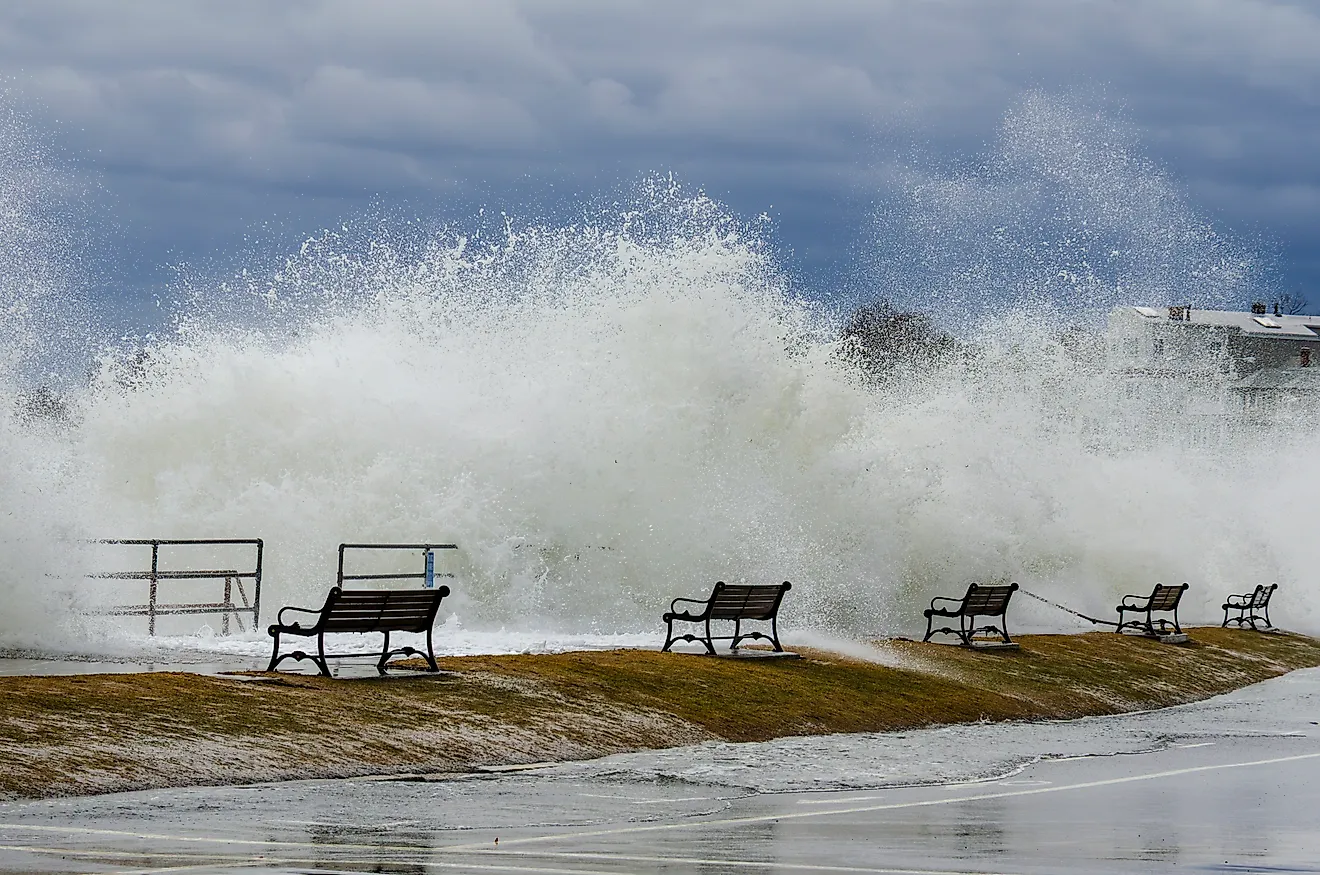
In addition to the extreme climate collapse needed for the five Great Lakes to freeze solid, the reasons it cannot happen under normal conditions are numerous. With over 5,400 cubic miles of water, the Great Lakes require a high loss of energy to change temperature. At 39°F (4°C), water is at its densest, and when it cools to that temperature, it sinks to the bottom. Strong winter winds over the large open water create ocean-like waves. The constant churning prevents ice crystals from binding together into a continuous solid. The surface ice slows the transfer of heat from the warm lake beds to the freezing air. In short, surface ice coverage prevents the water from reaching freezing temperatures by trapping the heat. The lakes are interconnected systems with constant water circulation. The liquid layers of the lake water are in constant motion through underwater waves, inflows between the lakes, and internal currents. This constant movement makes it difficult for stable ice to build downward toward the lake bed.