Why Snow On Lake Ice Makes It Weaker
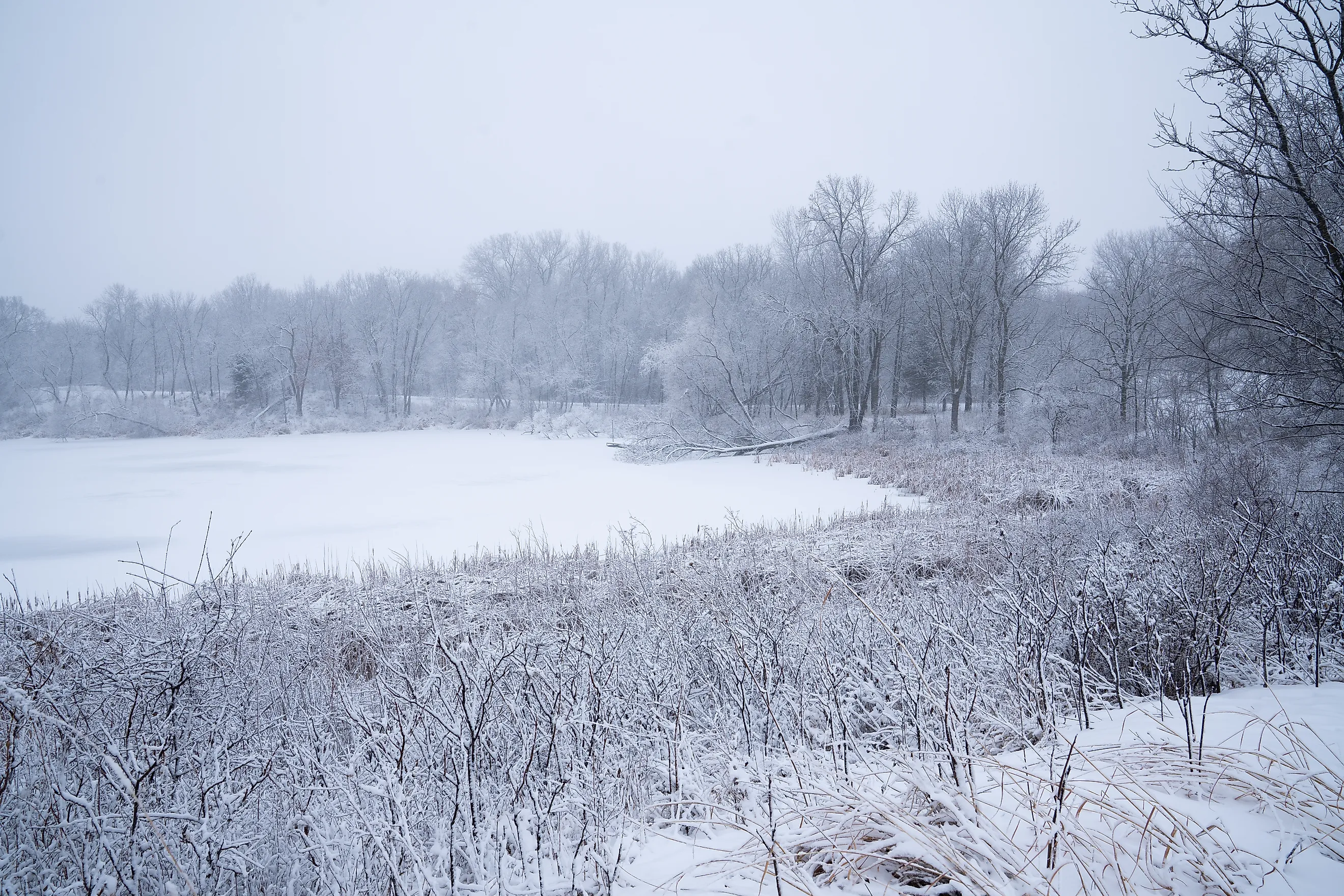
Snow looks like insulation in the helpful sense, a blanket keeping the cold in. On a lake it does the opposite of what people assume. It blocks the heat escaping upward from the water, which is the only thing making ice in the first place, and then its own weight pushes the sheet below the waterline so the lake floods its own surface. What refreezes on top is porous, air-filled and roughly half the strength of what it replaced.
Two Inches Halves The Growth

The insulating effect is far stronger than the thickness of snow suggests.
Just 2 inches of snow can reduce ice growth by 50 percent or more. Snow has much lower thermal conductivity than ice, so a thin layer of it traps more heat than a far thicker slab of ice would.
Ice forms by losing heat upward through the existing sheet. Cover that sheet and you switch the mechanism off.
A Snowfall Can Stall A Cold Snap

The timing of snow matters as much as the amount.
Snow falling on a young sheet during a hard freeze can stall thickening almost completely while the air temperature keeps dropping. The lake looks like it is making ice because the weather says it should be.
The Army Corps uses a coefficient in its ice growth equation that drops from near 0.8 on a windy snow-free lake to between 0.5 and 0.7 on an average lake carrying snow. That is the penalty expressed as arithmetic.
Then The Weight Pushes It Under

The second mechanism is mechanical rather than thermal, and it is the one most people have never heard of.
Ice floats with a freeboard, the vertical distance between its surface and the water level. Pile enough snow on and that freeboard goes negative, meaning the sheet is pressed below the waterline it is floating in.
Water then comes up through cracks and floods the surface from beneath. The lake soaks its own snow cover from below.
Slush Is The Result

Flooded snow becomes slush, and slush is its own hazard before it ever refreezes.
A slush layer sits on top of solid ice, hidden under dry snow, and it does not support weight. Anyone who has broken through into knee-deep slush on an otherwise sound lake has met this layer.
Rain and sleet falling onto snow produce the same result from above rather than below.
Refrozen Slush Is Half-Strength Ice

When the slush freezes, the lake gains thickness and loses quality.
The result is snow ice, also called white ice, full of trapped air because it froze from an aerated mixture rather than from still water below. The Minnesota Department of Natural Resources states that white ice is about half as strong as new clear ice and advises doubling its published thickness guidelines when traveling on it.
So the lake can be getting thicker and less safe at the same time.
Eight Inches Can Mean Four

This is where the danger becomes practical rather than theoretical.
A hole drilled through a sheet that reads eight inches may be carrying the load of four, because a large share of what the tape measured is white ice rather than clear. The measurement is honest and the conclusion drawn from it is not.
Judging ice means looking at the color of the core you pull, not just the number on the tape.
Snow Hides Everything Else

A fourth problem has nothing to do with the physics of ice at all.
Snow conceals cracks, pressure ridges, slush pockets, open leads and thin ice over current. All the visual cues that tell an experienced person where not to walk disappear under a few inches of white.
The ice may be no worse. Your ability to read it is.
Drifting Makes It Uneven

Snow does not settle evenly, which means the weakening does not either.
Wind redistributes snow across a lake and that distribution drives variability in ice thickness beneath it. Deeper drifts insulate more, so the ice under them is thinner.
Snow also piles up around pressure ridges and other surface features. The places where snow gathers are often the places already least sound.
The Albedo Argument Loses

There is a genuine argument that snow should preserve ice, and modelling has tested it.
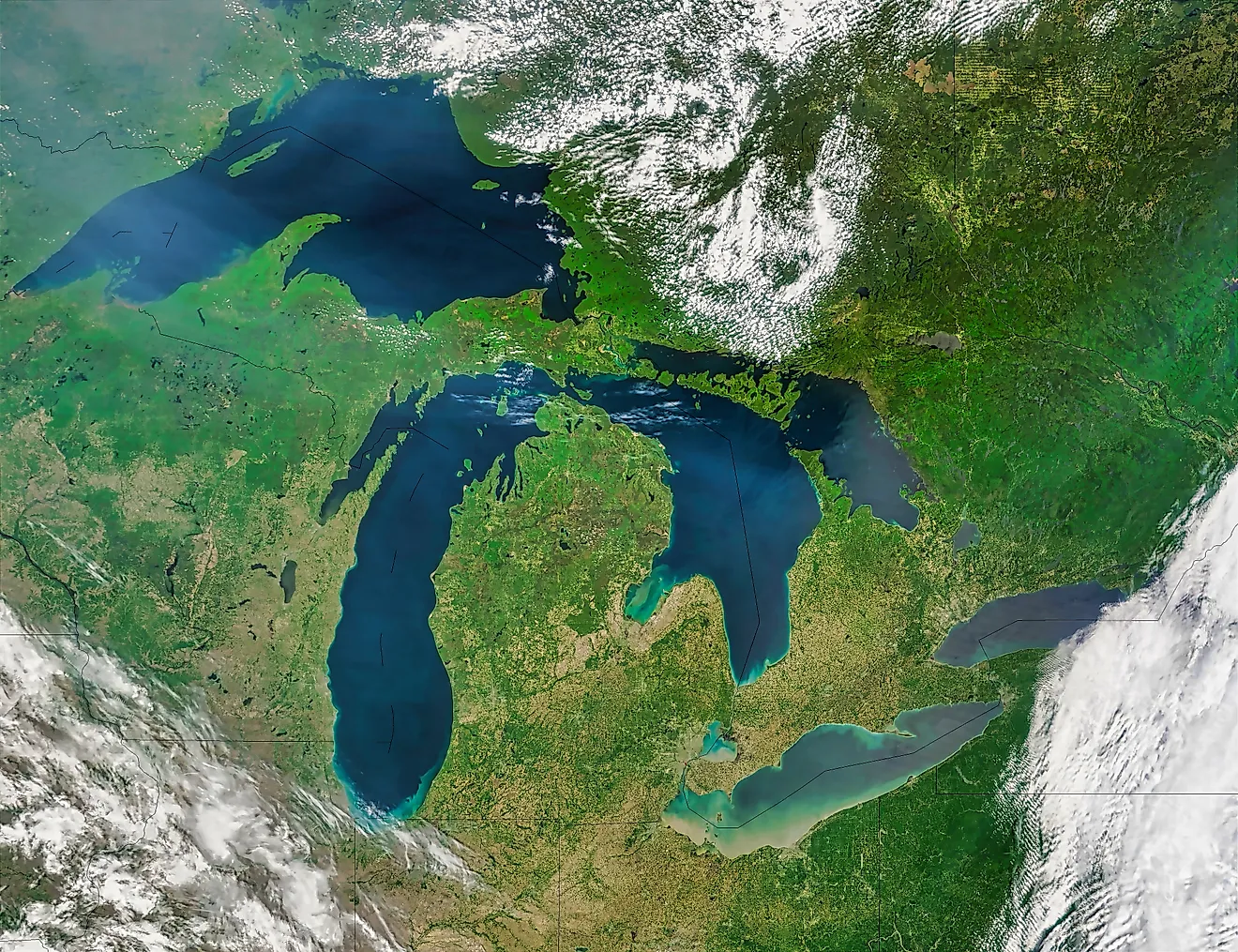
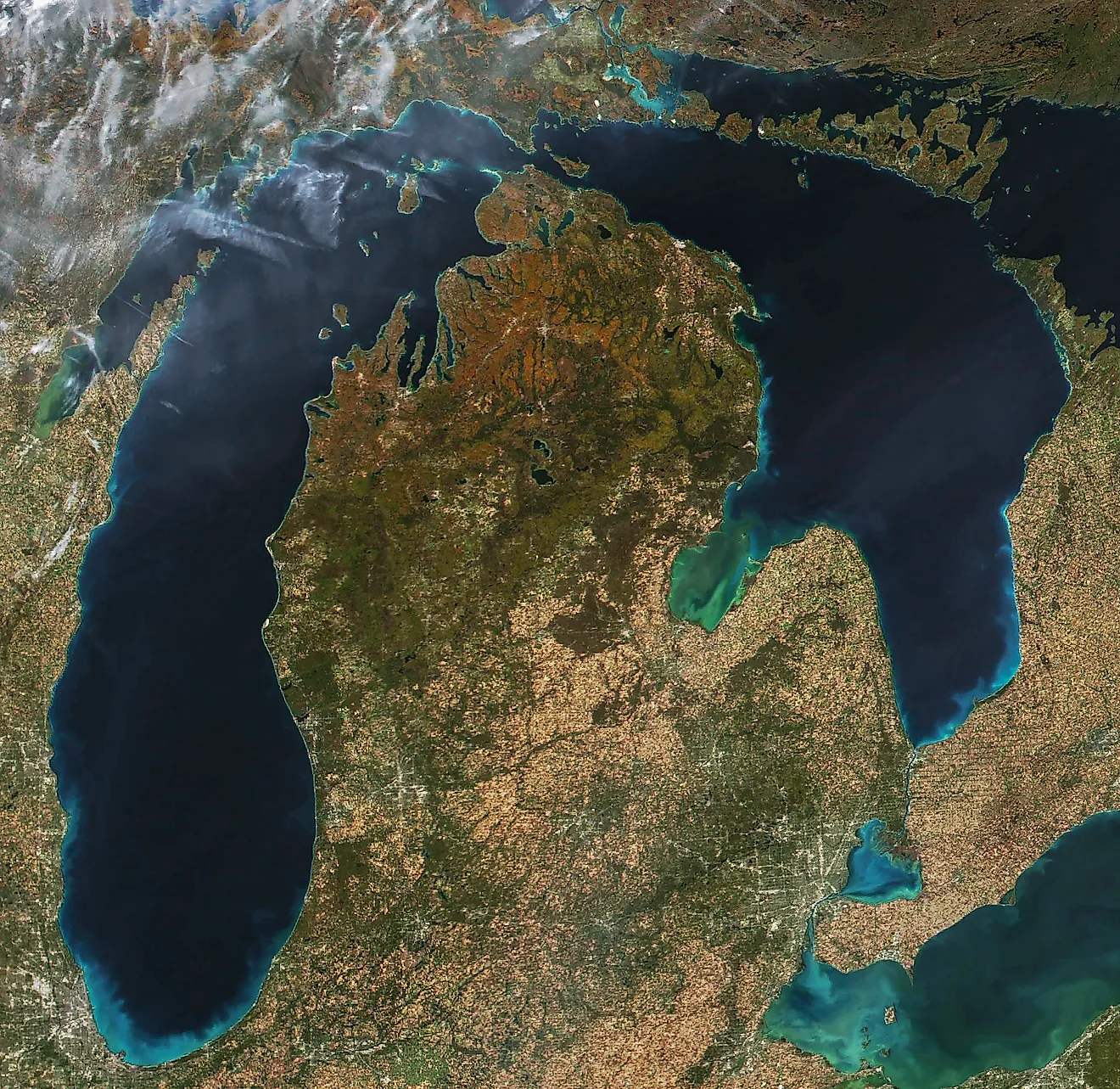
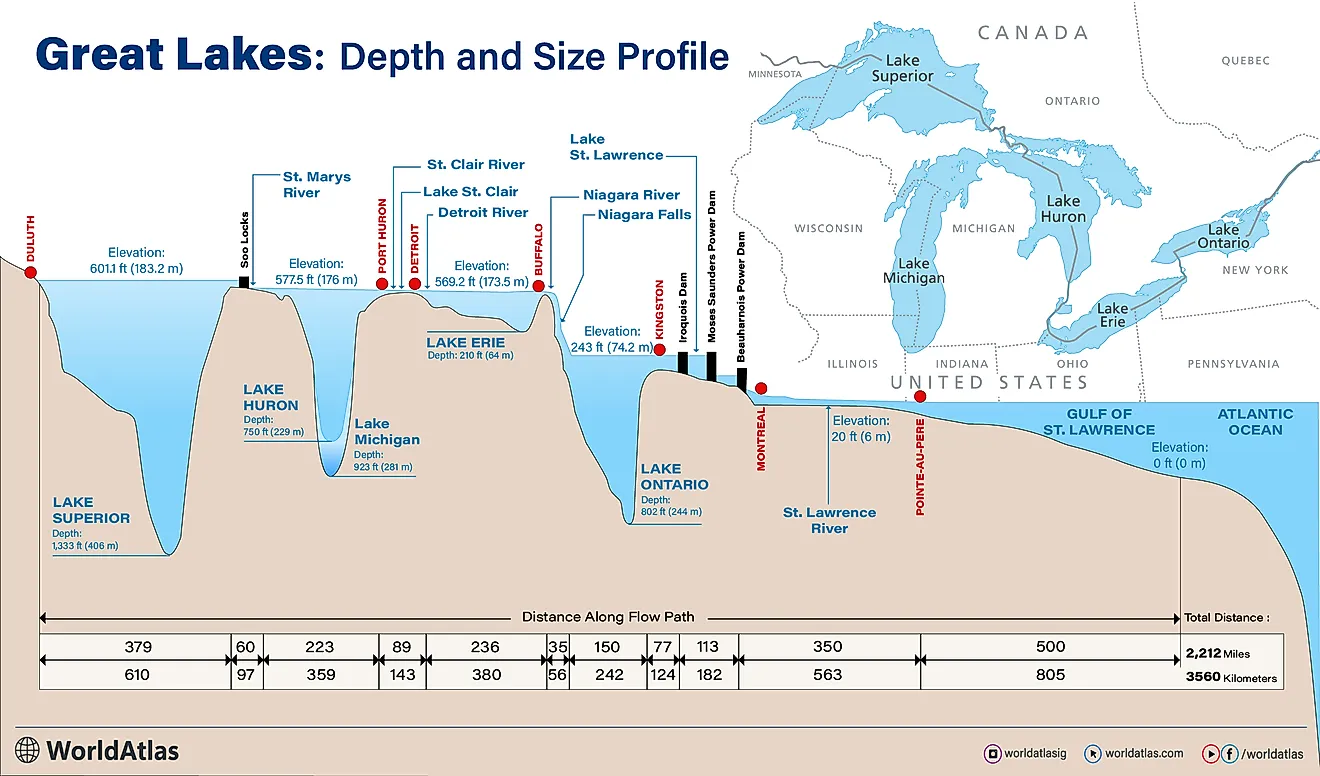
Snow reflects far more incoming sunlight than bare ice, which slows melting from above and ought to extend the ice season. A Great Lakes modelling study found the insulation effect overcame that entirely, producing less total ice and slightly earlier ice-off.
The authors noted this reverses the commonly held notion. Snow is not protecting the ice. It is holding back its formation.
A Refreeze Does Not Restore It

Late in the season the deception gets worse rather than better.
Ice can lose strength before it appears noticeably thinner. A cold night after a thaw refreezes the surface without restoring the strength of the older ice beneath it.
Fresh white over rotten grey reads as a hard freeze from the shore. It is a skin on top of a problem.
The Short Answer

Snow weakens lake ice four separate ways. It insulates, so two inches can halve the growth rate. Its weight pushes the sheet below the waterline so lake water floods the surface through cracks. That slush refreezes as white ice carrying roughly half the strength of clear ice, meaning an eight-inch reading may hold what four inches would. And it hides every visual cue you would otherwise use.
The reflectivity argument that snow should shield ice from the sun has been tested and lost. On a modelled Great Lakes winter, insulation beat albedo and the ice came off earlier.