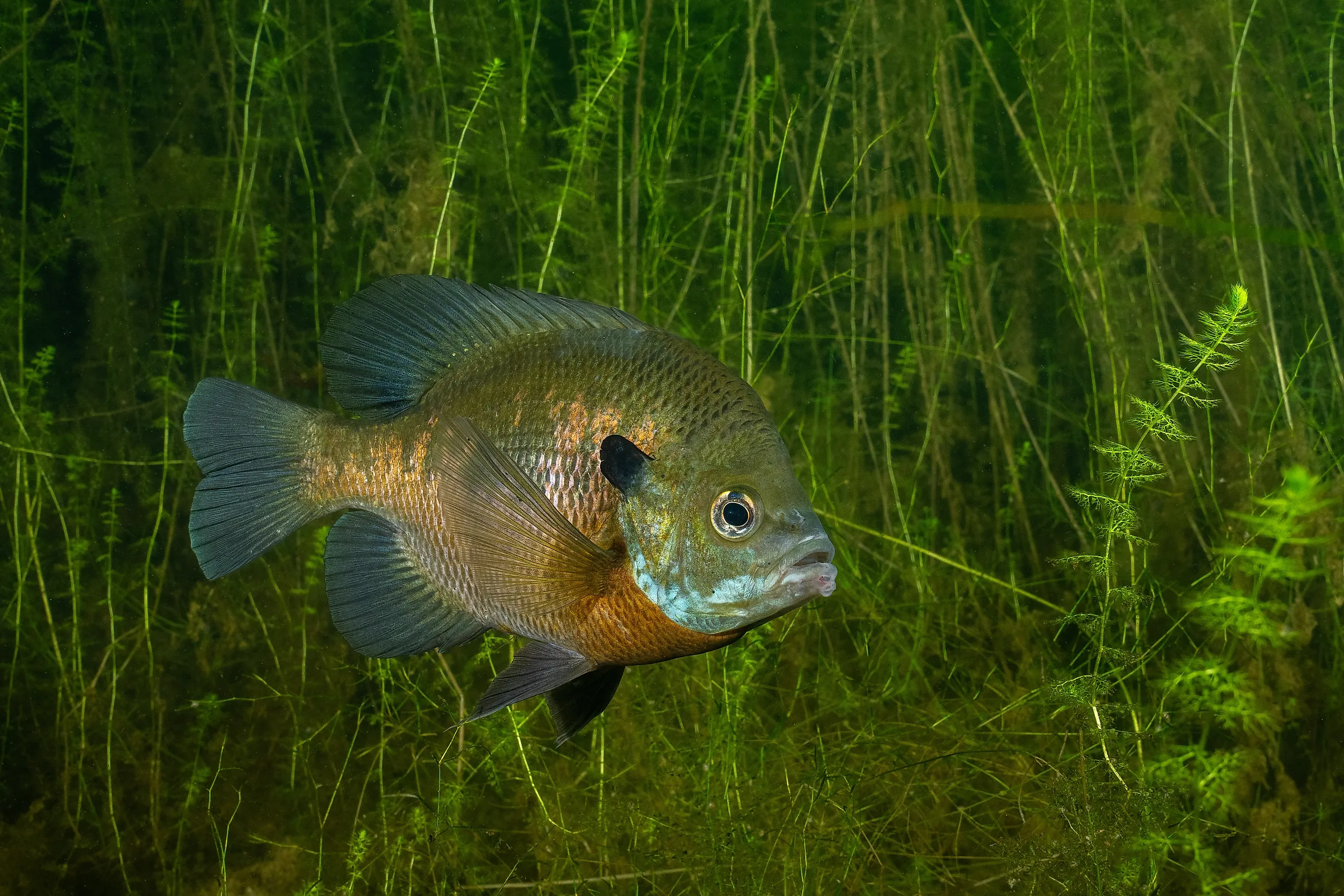
Where Bluegill Go When The Pond Freezes
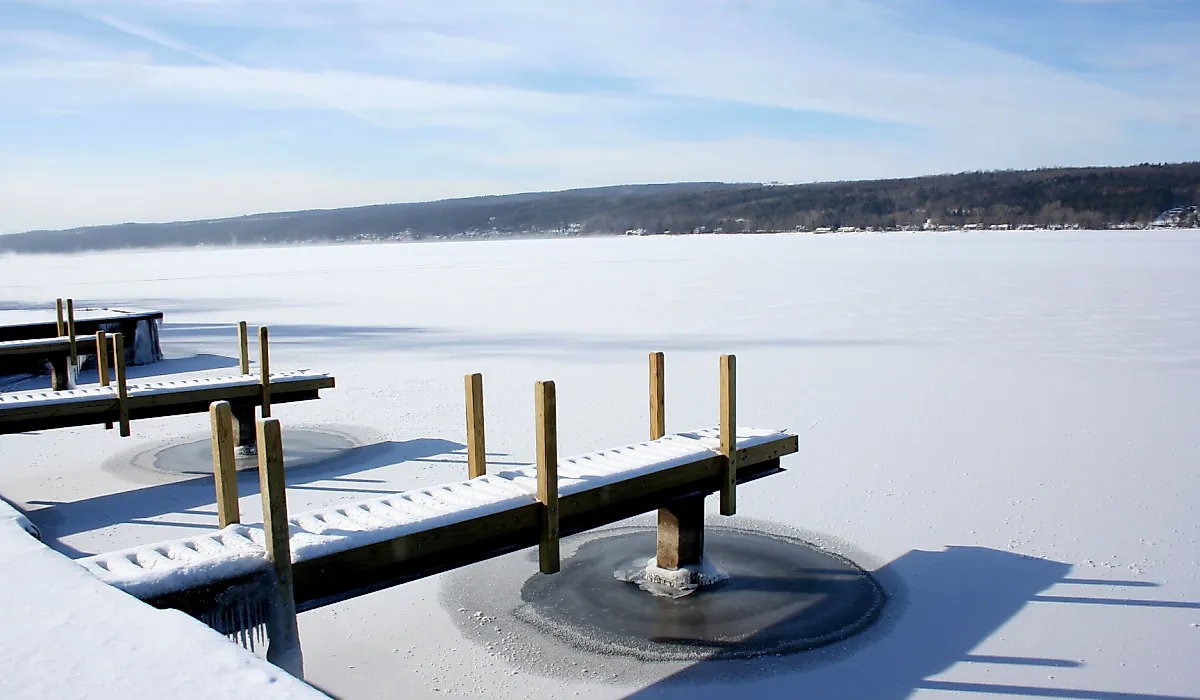
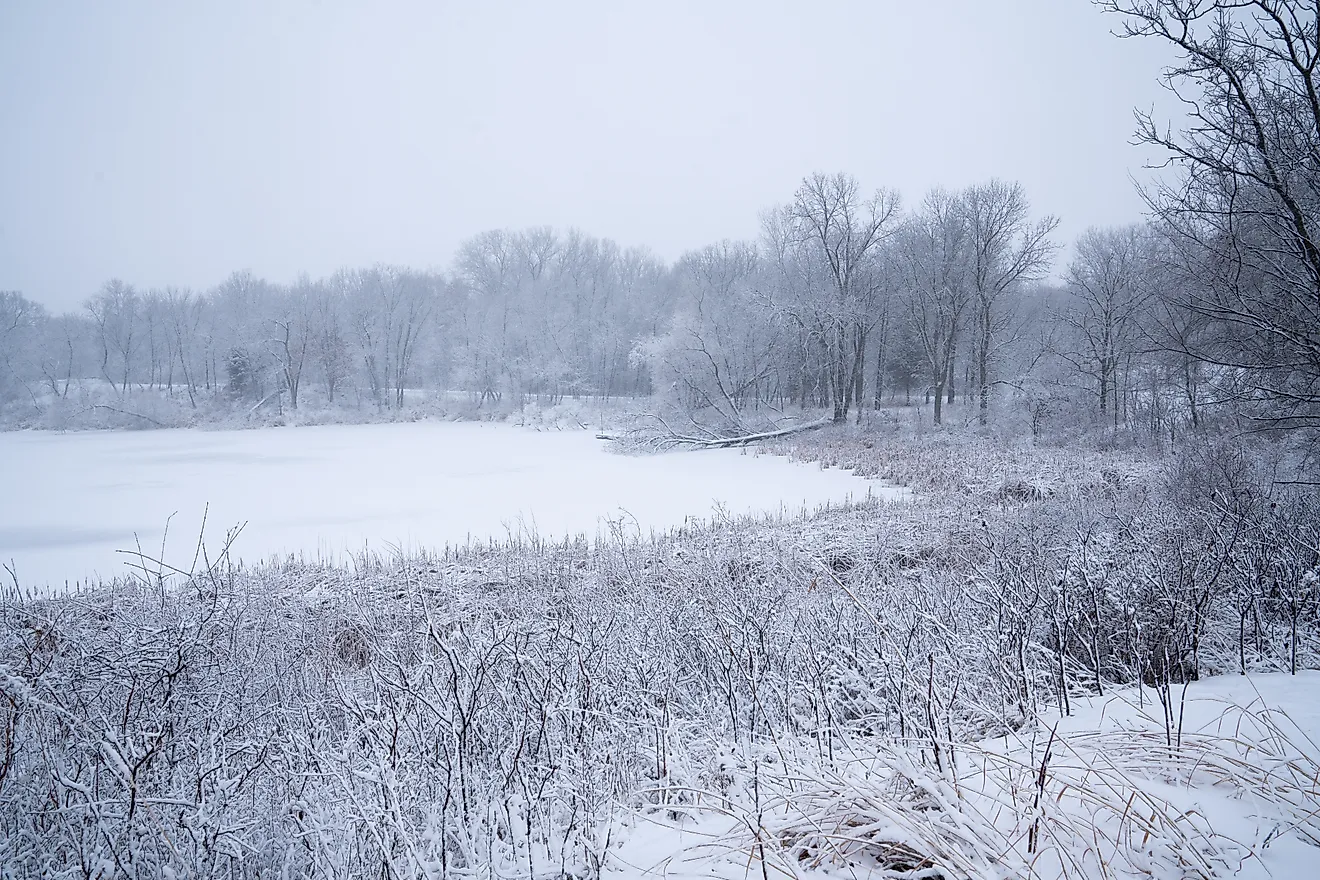
When a pond freezes over, it can look completely lifeless. But under that sheet of ice, bluegill are still there, still breathing, and still on the lookout for a snack. They do not migrate, hibernate, or bury themselves in the mud. Instead, they move to the best spot in the pond, slow their bodies way down, and ride out the cold. The physics of water itself helps them survive. Here is where bluegill go when the pond freezes, and what can go wrong while they wait.
The Water Trick That Saves Them

Most substances get heavier as they get colder, but water is strange. It is actually heaviest when it is just a few degrees above freezing. In fall, as a pond cools, that slightly warmer, heavier water sinks to the bottom. The coldest water stays on top, and eventually it freezes into a lid of ice.
The result is a layered pond, with ice on top and slightly warmer water on the bottom. Scientists call it inverse stratification. The ice and any snow on top act as insulation, keeping the deeper water from getting much colder. For a bluegill, that deep pocket of water, hovering just above freezing, is the warmest place in the pond.
Heading For The Deep

As winter sets in, bluegill move away from the shallows and gather in deeper, calmer water. Early in the winter, they often school near the bottom, where the water is warmest. They also stay close to structure such as submerged weed beds, brush, and drop-offs, which offer cover from predators like bass and pike.
Researchers who study fish under the ice say bluegill and other small prey fish try to stay still and save energy. Divers in Minnesota have photographed bluegill clustered together beneath the ice, hovering near cover. Their goal is simple. They need to survive until spring without burning through their energy reserves.
Living In Slow Motion

Bluegill are cold-blooded, so their body temperature drops with the water around them. Their metabolism slows dramatically, and so does their need for food. Studies of bluegill in winter ponds found they ate very little, mostly tiny plankton, and many lose weight over the winter because they cannot find enough food to make up for the energy they burn.
They do not shut down completely, though. During winter warm spells, bluegill eat noticeably more. That is why the end of fall is so important. Fish that build up healthy fat reserves before ice forms have a much better chance of making it to spring. Size matters too. Research in Illinois ponds found that largemouth bass keep feeding on small bluegill through the winter, so the smallest fish face the greatest risk.
How Bluegill Compare To Their Neighbors

Not every fish in the pond handles winter the same way. Bluegill are warm-water fish, built for summer, so they slow down more than cool-water species. In one study, yellow perch living in the same waters stayed more active and ate far more food than bluegill during the winter months. Predators such as northern pike also remain active under the ice, which is one reason small bluegill stick so closely to cover.
Some fish have even stranger winter tricks. Central mudminnows, small fish found in northern ponds and bogs, can gulp air from bubbles trapped beneath the ice, helping them survive in water that would suffocate most other species.
The Oxygen Problem

The biggest danger for bluegill in winter is not cold but suffocation. Most of the oxygen in a pond comes from plants and algae through photosynthesis, as much as 70 to 90 percent by some estimates. Ice blocks oxygen from the air, and when snow piles on top, it also blocks the sunlight that plants need.
Meanwhile, decaying leaves and plants on the bottom keep using up oxygen. If the cold and snow last long enough, oxygen levels can drop so low that fish die, an event called winterkill. Small, shallow ponds are especially at risk. As oxygen runs low near the bottom, bluegill move up toward the ice, where oxygen levels are usually higher.
Helping Pond Fish Survive

Thin ice forming on a cold pond's surface; clear snow helps sunlight reach plants below.
Pond owners can lower the risk of winterkill. Wildlife experts often recommend clearing snow from about a third of a pond's ice, when it is safe to walk on, so sunlight can reach the plants below. Aeration can keep a small area of water open, but running a bubbler deep in the pond during winter can actually chill the whole pond by mixing cold surface water downward. Deep ponds with healthy plant growth naturally hold up better. Removing excess leaves and debris in the fall also reduces the amount of decay that eats up oxygen under the ice.
Waiting For Spring
As days lengthen in late winter, sunlight begins to reach plants again, and oxygen levels slowly recover. When the ice melts, the pond mixes from top to bottom, and bluegill gradually move back toward the shallows as the water warms. By late spring, they are busy building nests and spawning in the shallows. For anglers, the winter months are also a popular time to fish for bluegill through the ice, since the fish gather in predictable spots near cover. A patient angler with a small jig can still catch dinner on the coldest day of the year.