Where Herons Go When The Water Freezes
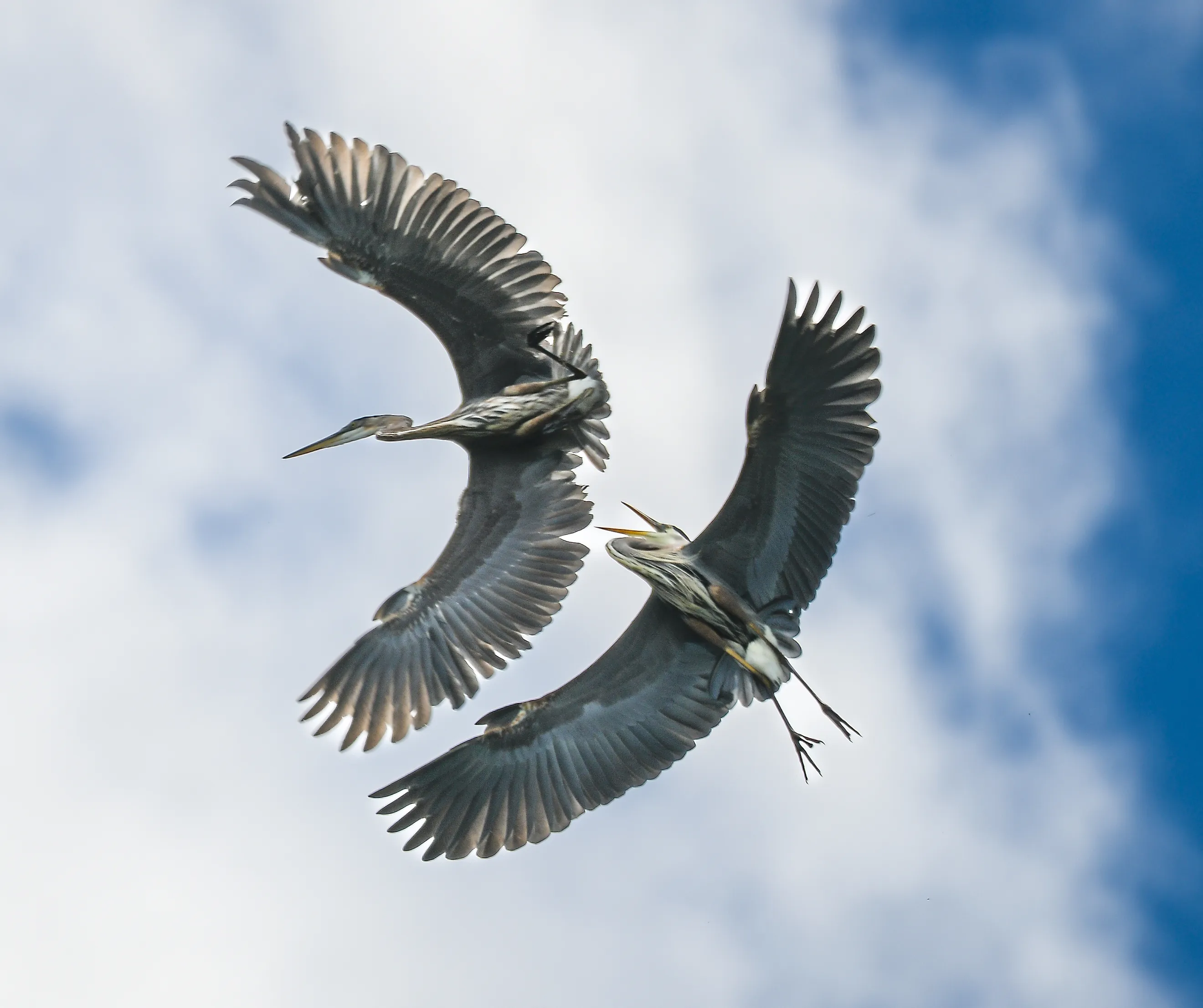
A great blue heron is built for one thing above all. It stands in shallow water and spears fish. When the pond turns to ice, most herons do the obvious thing and fly south. But every winter, some refuse to leave. They stalk the last open water on rivers and coasts, and when even that freezes, they switch menus entirely and start hunting mice in snowy fields. The great blue heron turns out to be one of the toughest wading birds in North America. Here is where herons go when the water freezes.
Most Of Them Head South

For most great blue herons in the northern United States and Canada, winter means migration. As lakes and rivers freeze, they lose access to fish and frogs, so they fly south to places where water stays open. Many settle along the Atlantic and Gulf coasts or in the southern states, and some travel as far as Mexico, Central America, and the Caribbean.
Scientists are still learning exactly where individual herons go. In Maine, wildlife biologists have attached tracking devices to herons to map their routes and wintering grounds. Their best guess is that many Maine herons spend the winter along ice-free rivers and coastal marshes farther south on the Atlantic seaboard.
Some Stay Put

Great blue herons are what biologists call partial migrants. Some individuals migrate, while others stay in the north all winter, as long as they can find open water. In New York, for example, some herons remain along the lower Hudson River and on the coast of Long Island, where tides and moving water keep ice from forming.
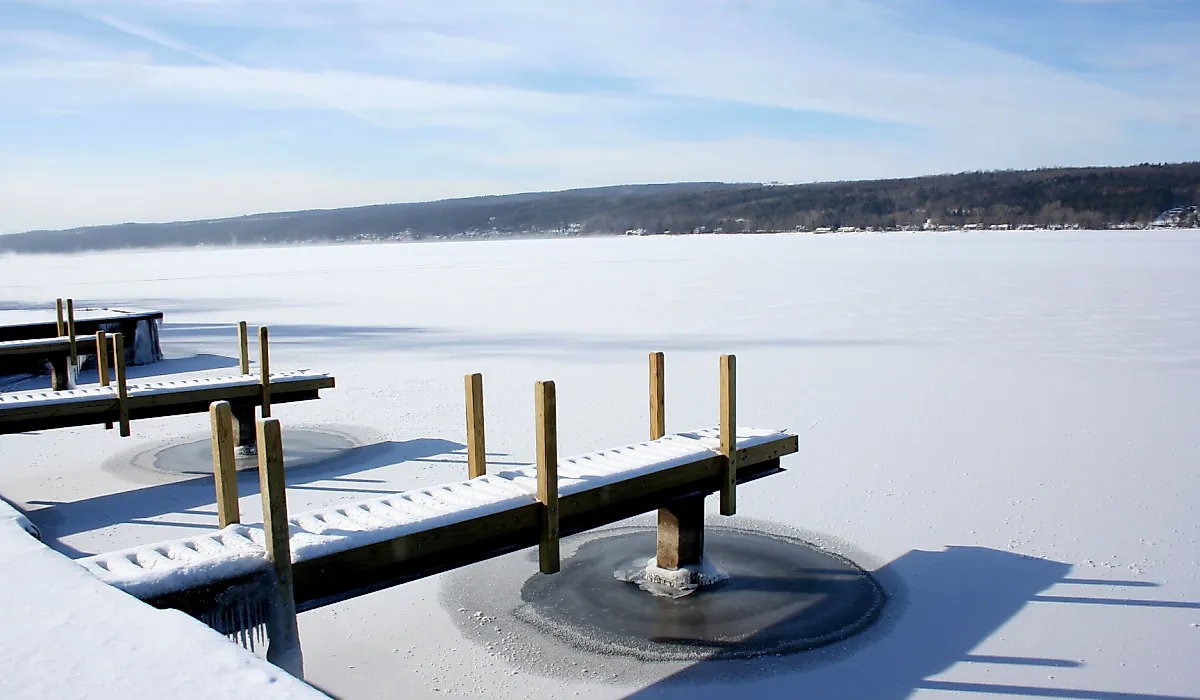
Wintering herons gather wherever water stays liquid: fast-flowing streams, spring-fed creeks, tidal marshes, and rivers below dams. These spots can draw herons from miles around, and patient birdwatchers often find them standing motionless along the edges of the ice, waiting for a fish to swim within reach.
Plan B: Hunting Mice

When the water freezes completely, great blue herons have a surprising backup plan. They walk into fields and meadows and hunt small rodents. Herons have been seen stalking voles and gophers in grassland, standing as still as they would in a pond, then striking with their long, sharp bills.
This flexible diet is the secret to their winter survival. Herons eat mostly fish, but they also take frogs, snakes, insects, and small birds. In years when cold arrives early but snow is light, Maine biologists have seen herons turn to fields full of rodents. In some regions, grassy fields rich in mice and voles may be important habitat for herons getting through the winter.
Built To Handle The Cold

A heron standing in icy water looks like it should be miserable, but its body has several ways to hold on to heat. Thick layers of feathers trap warm air, and herons fluff them up on cold days, sometimes pulling their long necks down into their shoulders to cut heat loss. Standing on one leg, with the other tucked into the feathers, helps too.
Their bare legs have a clever circulation system. Warm blood flowing down to the feet passes close to cold blood returning to the body, sharing its heat along the way. The result is that the feet stay cool enough to lose little warmth, while the core stays warm. At night, herons often rest in sheltered trees or marshes, out of the wind.
The Risks Of Staying

Staying north is a gamble. A sudden deep freeze can lock up every pond and stream, and heavy snow can bury the fields where herons hunt rodents. Without food, a heron can quickly weaken, and winters with long cold snaps can be deadly.
Hungry herons also take chances. They sometimes try to swallow fish that are too big, and wildlife experts note that herons have occasionally choked to death this way. Despite these risks, the birds that survive gain an advantage: they are already close to their nesting areas when spring arrives, and can claim the best spots before migrants return.
Herons That Never Leave

In much of the southern United States, herons do not need to make a choice. Water rarely freezes, so many herons live in the same place year-round. In southern Florida, a white form called the great white heron lives mostly in saltwater habitats like the Florida Keys.
Along the mild Pacific coast, many herons also stay through the winter, feeding in estuaries and marshes that seldom freeze. In winter, these year-round residents are often joined by migrants from colder regions, making southern and coastal wetlands some of the best places to see large numbers of herons during the cold months.
Spotting Herons In Winter
Winter can be a great time to watch herons, since bare trees and open landscapes make them easier to spot. Look for them along rivers below dams, at spring-fed streams, and in coastal marshes, where water stays open. In New York, Fire Island National Seashore is one of the best places to see great blue herons. In colder regions, check snowy fields and meadows too, especially after a hard freeze. A tall gray bird standing perfectly still in a field of snow may be a heron waiting for its next meal. Keep a respectful distance, since a heron that is forced to fly away burns precious energy it needs to survive the cold.