Why Rome Never Conquered Scotland
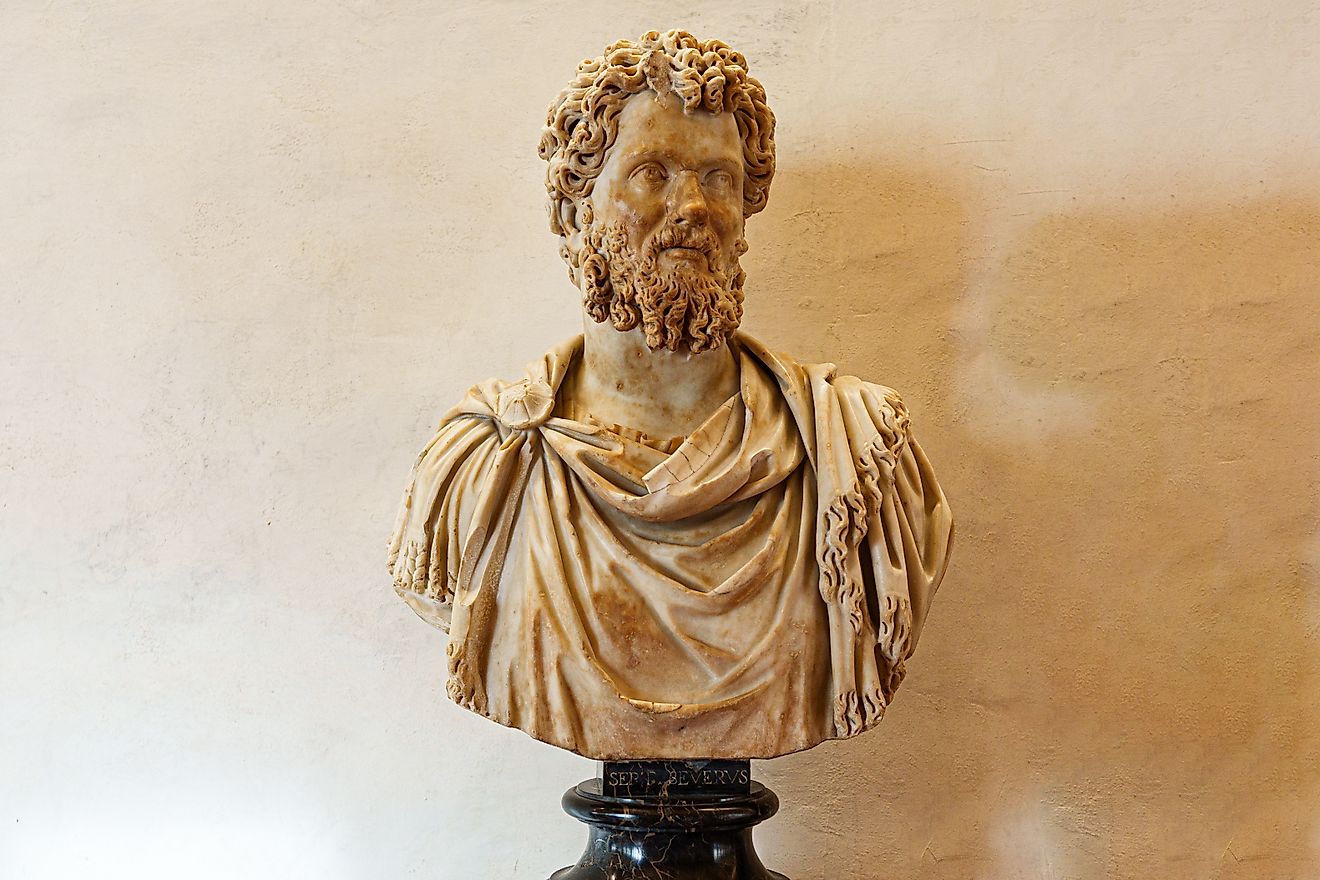
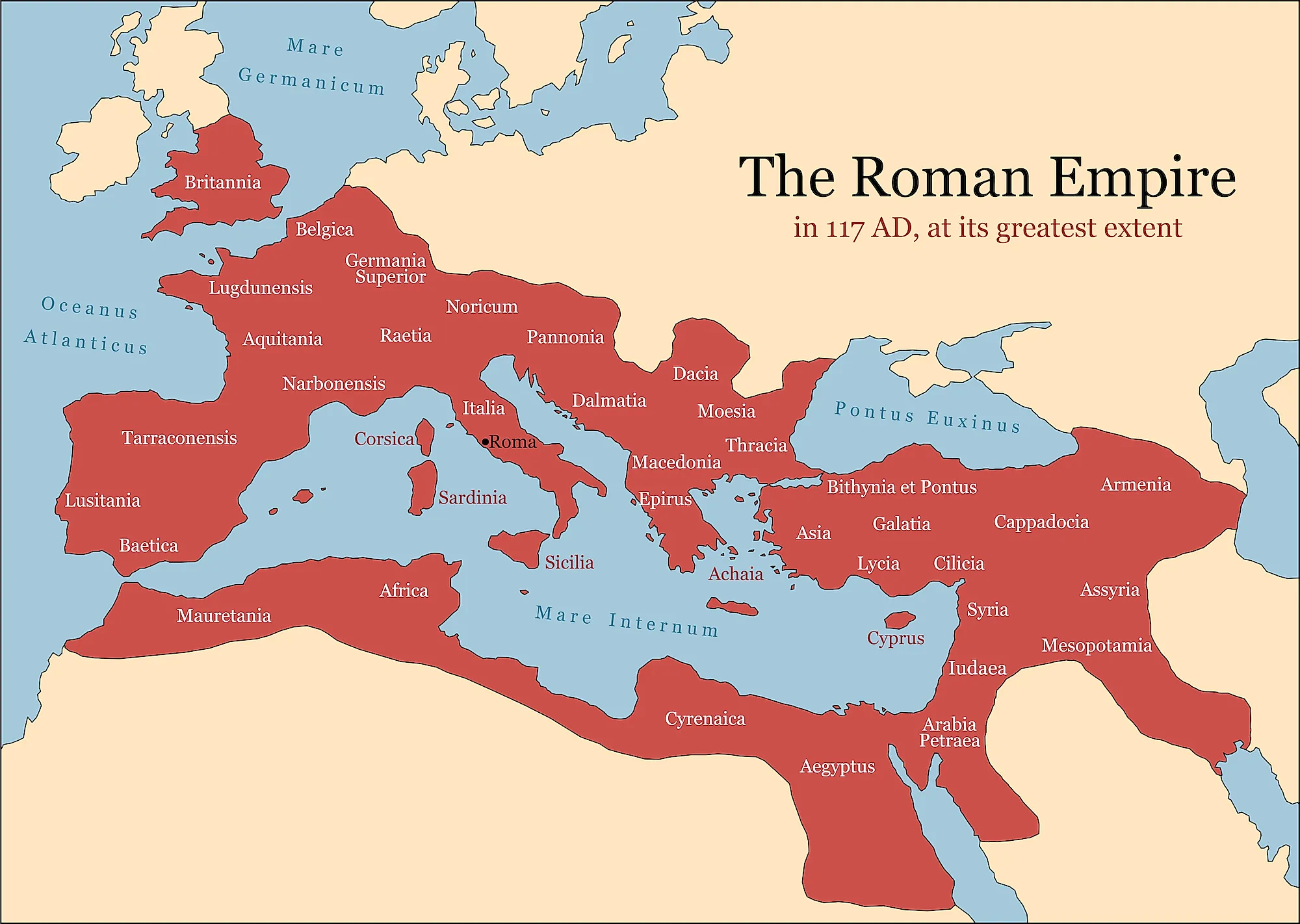
The Roman Empire was one of the most powerful states in the ancient world, and it absorbed territory across three continents. Scotland, however, was one place it never held. Rome pushed north on several occasions, and each attempt stalled before it could be finished, often because a commanding general or emperor was recalled or died. Emperor Septimius Severus launched a large and costly campaign in 208 CE but fell ill and died at York in 211, and the effort was abandoned soon after. Other factors worked against Rome as well, such as the guerrilla tactics of the northern tribes, the difficult terrain, and instability within the empire itself. To the Romans, the people of what is now Scotland were the Caledonians. The full account is more complicated than a single failed conquest.
Guerrilla Resistance

During the Roman period, the region was home to warrior tribes who resisted Roman authority. Rome had reason to want the territory. Caledonia held natural resources that the empire valued, including silver and lead, and a conquered population could be taxed to enrich the treasury. Those ambitions ran into a problem: the Caledonians did not fight in the open, set-piece style the Roman army was built to defeat. They relied on guerrilla warfare, the kind of fast, small-scale action carried out by irregular fighters against a conventional force. Caledonian bands ambushed Roman supply lines and then withdrew into dense forest, bog, and steep high ground. The weather compounded the difficulty, leaving supply routes exposed and making it hard for Roman troops to hold territory. Fighting in mud and fog stripped away the advantages of Roman discipline and formation, and the tribes used that terrain to their benefit.
Rome Won a Battle but Could Not Hold the Ground

Rome never committed the sustained resources needed to hold Scotland. Maintaining an army that far north was expensive, and the empire judged that what it could extract in taxes, farmland, or minerals would not cover the cost. Under commanders such as Gnaeus Julius Agricola and, more than a century later, Emperor Septimius Severus, Roman forces made real progress in the north. Each advance was undercut by problems elsewhere. There were constant rebellions to suppress and closer, more valuable territory to secure. Rome won on the battlefield in Scotland, but without the resources to consolidate those victories, the gains did not last, and the region kept its independence.
The Tribes Would Not Submit

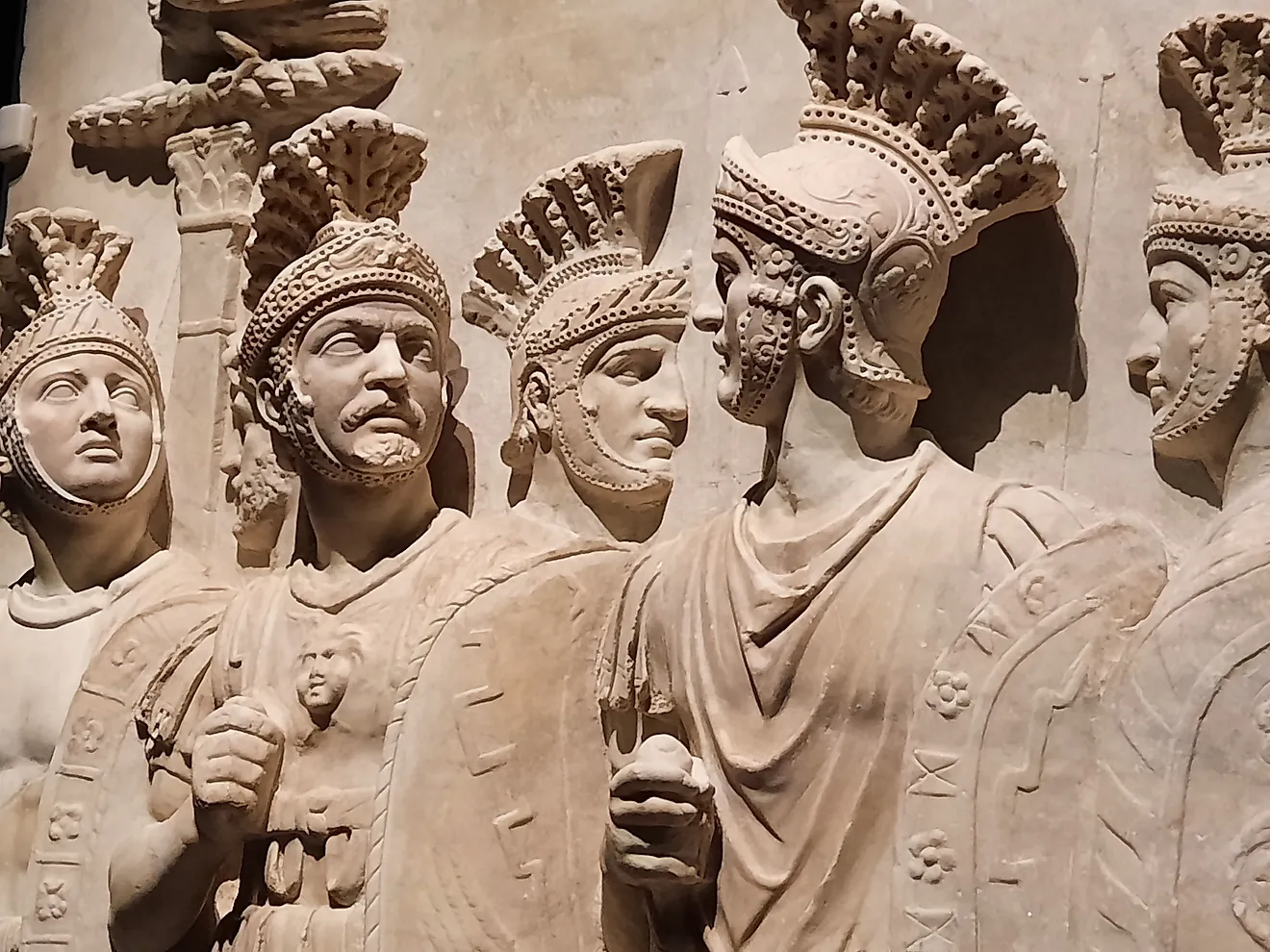
Scotland was home to many separate tribes, and they were prepared to fight for their independence rather than yield to Rome. They sometimes warred among themselves, but they were willing to set those rivalries aside and combine against a common enemy, recognizing the advantage of numbers. The Roman army was formidable and disciplined, but not every soldier in it was Roman. Its ranks included less experienced auxiliaries drawn from conquered territories, among them the Low Countries and Germania. Rome was also unaccustomed to the shifting nature of the opposition. Defeating one tribe simply brought another forward, a pattern that frustrated a military otherwise skilled and well-drilled in open combat.
The Battle of Mons Graupius Settled Nothing

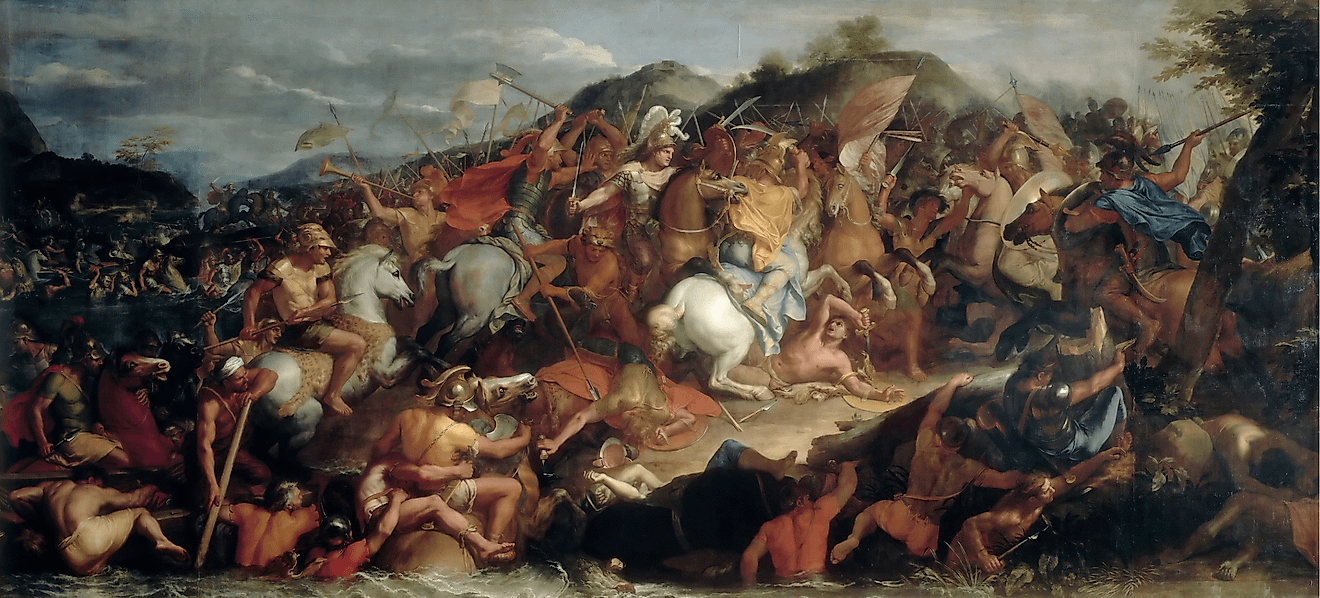
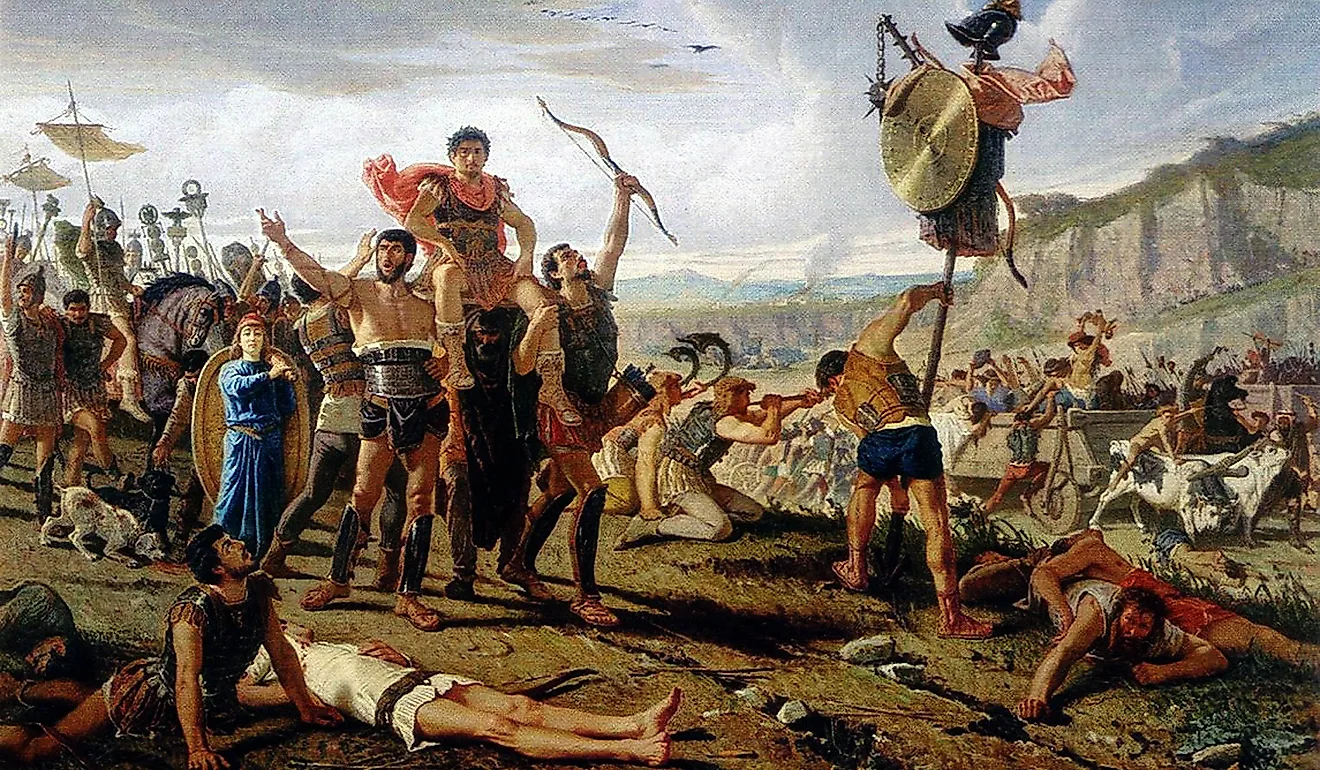
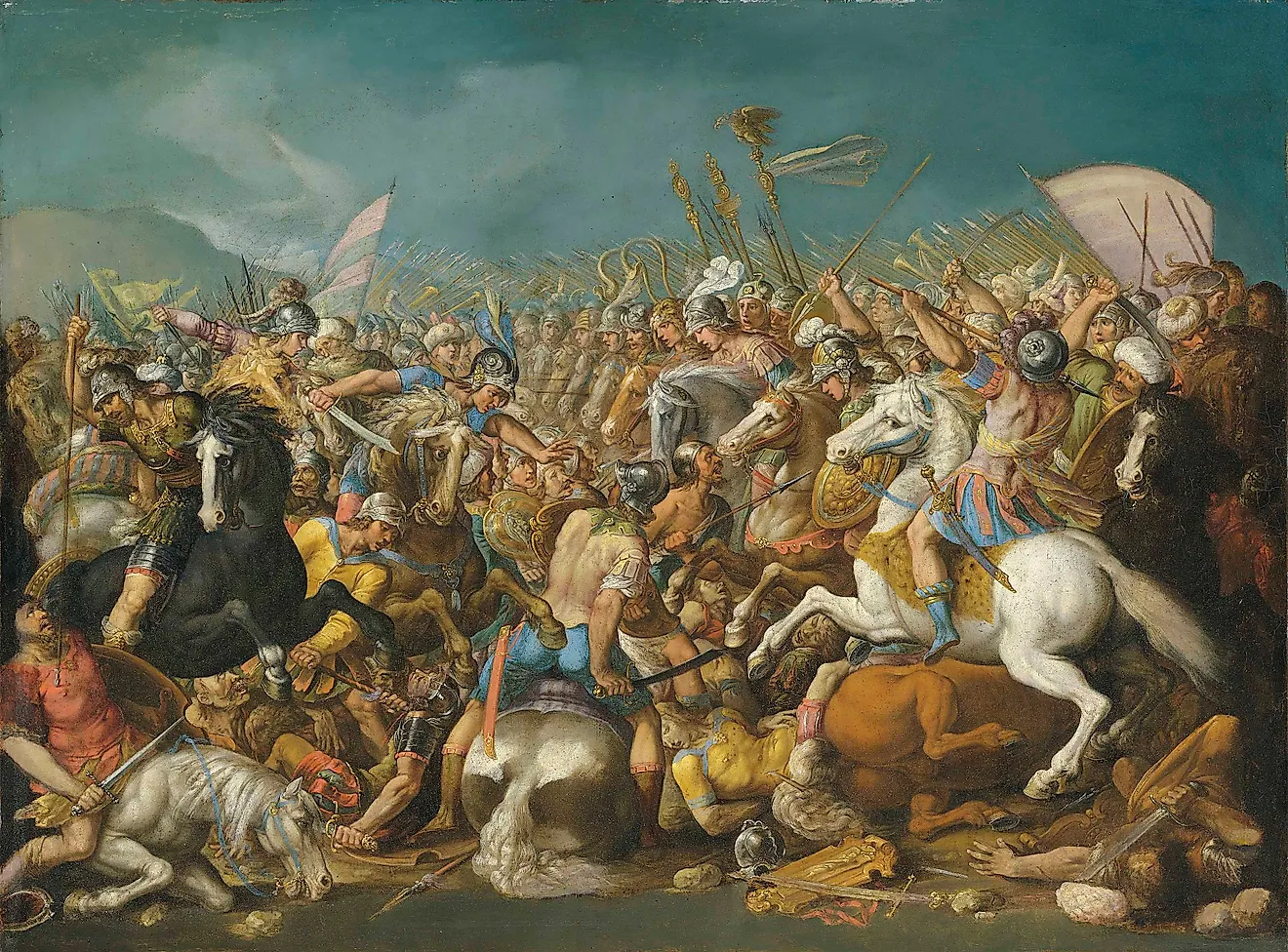
In 83 CE, Roman forces met the Caledonians at Mons Graupius in northeastern Scotland. The tribes fielded a large host, reported by the Roman historian Tacitus at around 30,000 men, outnumbering the Roman force. Rome held the advantages that mattered on the day: discipline and tactical coordination. The Romans broke the Caledonian line, and it was the tribes who fled the field. By Tacitus's account, some 10,000 Caledonians were killed against only 360 Roman dead, figures modern historians treat with caution, given Tacitus's tendency to magnify Roman success.
Agricola pressed his advantage, sending his fleet into the Pentland Firth and asserting control as far north as Orkney. Even so, Rome had no appetite for a permanent occupation of the far north. It was judged too costly and too remote. Instead, the empire built fortified frontiers to contain the tribes. Hadrian's Wall, begun around 122 CE under Emperor Hadrian, was a stone barrier marking the practical northern edge of the empire, meant to hold the tribes out and keep the frontier under watch. A generation later, in the 140s, the Romans pushed the line north again and built the Antonine Wall. That forward frontier proved difficult to hold, and within about two decades the legions withdrew, abandoning the Antonine Wall in the 160s and falling back permanently to Hadrian's Wall.
A Frontier Rome Chose Not to Cross

Scotland was never permanently conquered, and the reasons run deeper than any single defeat. Rome could win engagements in the north, but winning was not the same as holding, and the empire repeatedly concluded that Caledonia cost more to keep than it was worth. The walls were the compromise: not the conquest Rome first imagined, but the limit it settled for. Terrain, weather, a determined and adaptable enemy, and pressures elsewhere in the empire all pointed to the same answer, and the frontier stopped where the tribes made it stop.