How Roman Tax Collectors Got Rich
The Roman Republic and later the Roman Empire relied heavily on taxes and tribute from their provinces to fund an ever-expanding state. Funding was needed, and tax collecting became an important civil service role. Gathering the taxes was put into many hands, at one point into the hands of those who became very wealthy from it. Lawmakers and tax collectors all participated in a fraudulent system for collecting taxes from hardworking citizens. Methods for collecting taxes changed, but the damage they caused to people's trust was irreversible.
Expanding Needs Funding

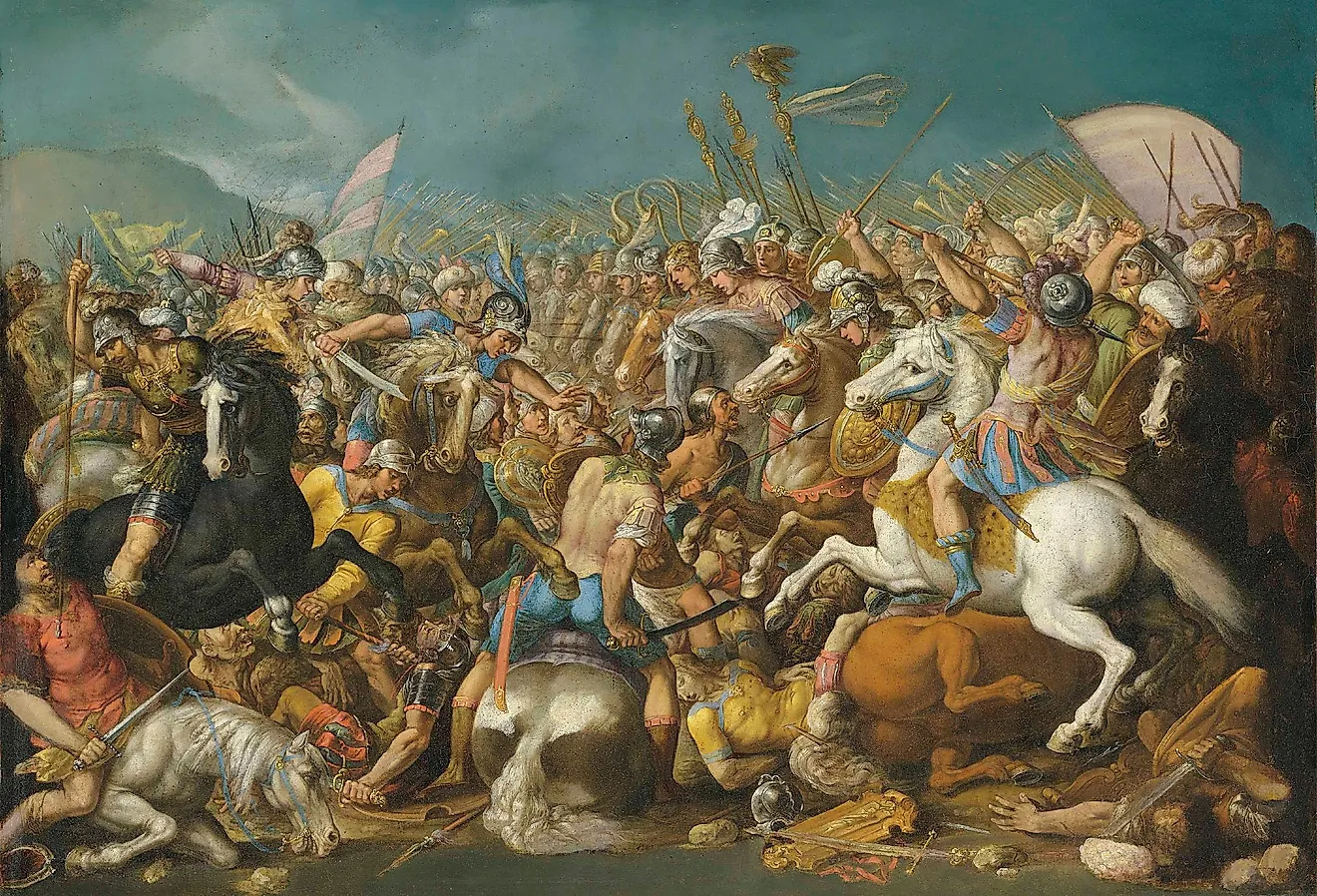
Rome gradually expanded across the Italian Peninsula before launching major overseas conquests during the third century BCE. Roads and buildings were major projects that required funding, but if Rome wanted to expand and conquer, it also needed a strong army. An army needs supplies to support it, in addition to wages for soldiers, which can be funded by increasing taxes during wars. The vast realm required resources to sustain itself, and taxes (tributum) were one means of doing so. One system of locally-administered tax collection allowed the tax collectors, called publicani, to become wealthy.
The Many Means to Obtain Taxes

The early Republic initially had a moderate property tax until its greater expansion in 272 BCE. After Rome's victory over Macedonia in 167 BCE, the tributum on Roman citizens was largely suspended, although provincial taxation remained essential. Much of the tax burden ultimately fell on ordinary farmers, tradespeople, and provincial communities.
Land, agriculture, and inheritances were taxed. A tax was placed on the cost of enslaved people who were sold. Using some bridges and roads involved paying tolls. Dock taxes were in place for those who wanted to dock their ships for trading. There was a tax for transporting goods between different provinces or in or out of Italy. The state-owned mines, quarries, forests, and bodies of water meant that anyone using these areas for business had to pay a tax on their profits.
A New Method to Collect Taxes

During the 2nd century BCE, governors and other state officials oversaw the collection of taxes in the provinces. In 123 BCE, the Roman tribune Gaius Graccus expanded the role of the publicani, particularly by allowing them to bid for tax-collection contracts in the wealthy province of Asia. Gracchus implemented auctions in Rome, in which wealthy businesspeople from the equestrian class could bid for the job of collecting taxes in certain regions. By giving the equestrian class this power, Graccus hoped for their political support in exchange. Those who won a bid to collect taxes were known as the publicani, or tax farmers. Upon winning their bids, the publicani consented to pay the Republic an agreed-upon amount for their provinces.
Flaws and Corruption Lead to Wealthy Collectors

This new system of taxation was how the publicani became wealthy. They focused on collecting from citizens with income, since taxing land could not be exchanged into cash quickly. The government did not have an accurate system for determining why and how much provinces should be taxed. Weak oversight often allowed some publicani to demand excessive payments beyond what was legally owed. The provincial governors were responsible for overseeing the limits of what the publicani could tax, but those laws were not fully enforced. Some provincial governors tolerated—or even profited from—abusive tax collection, while others attempted to curb it.
Reformed Taxation

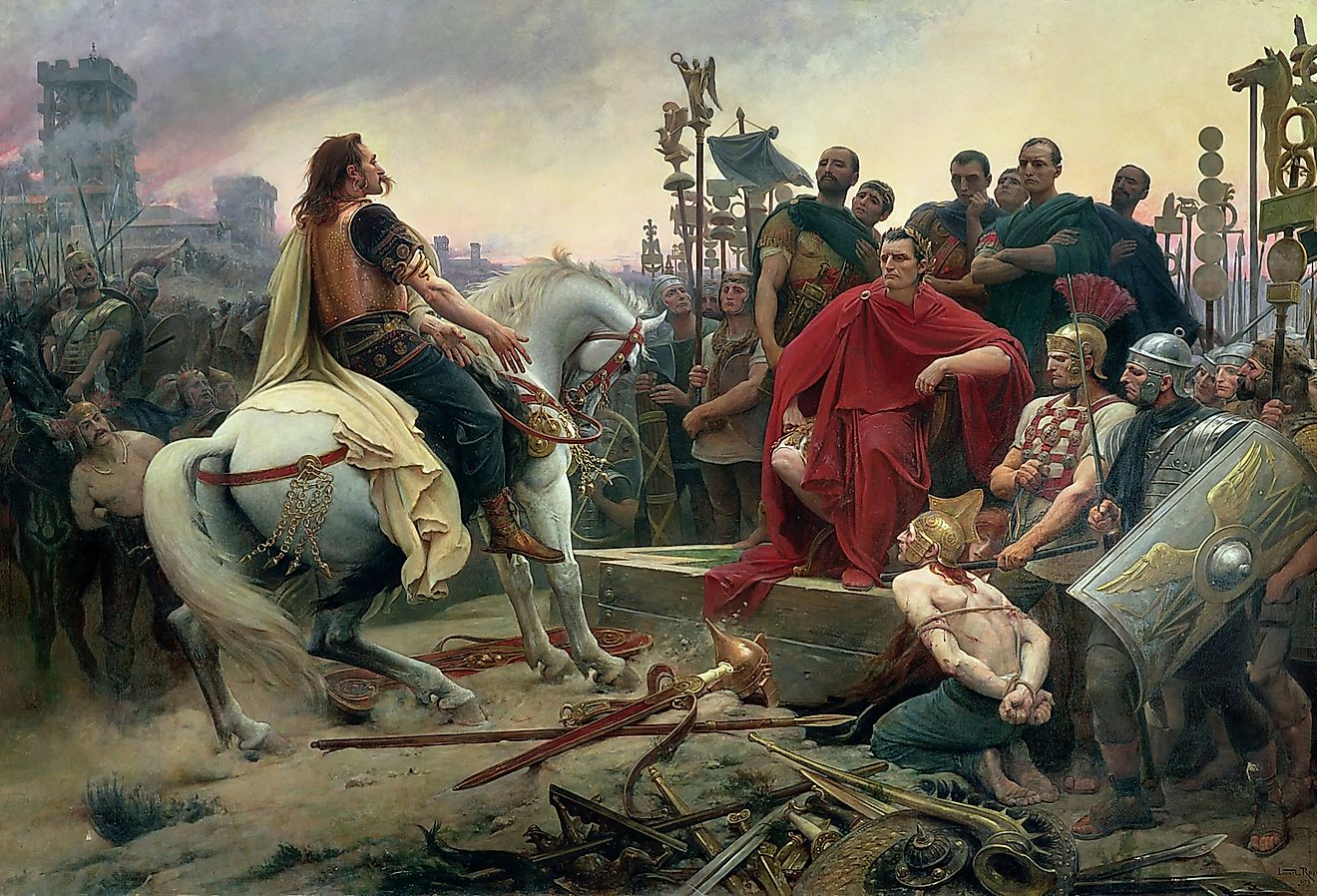
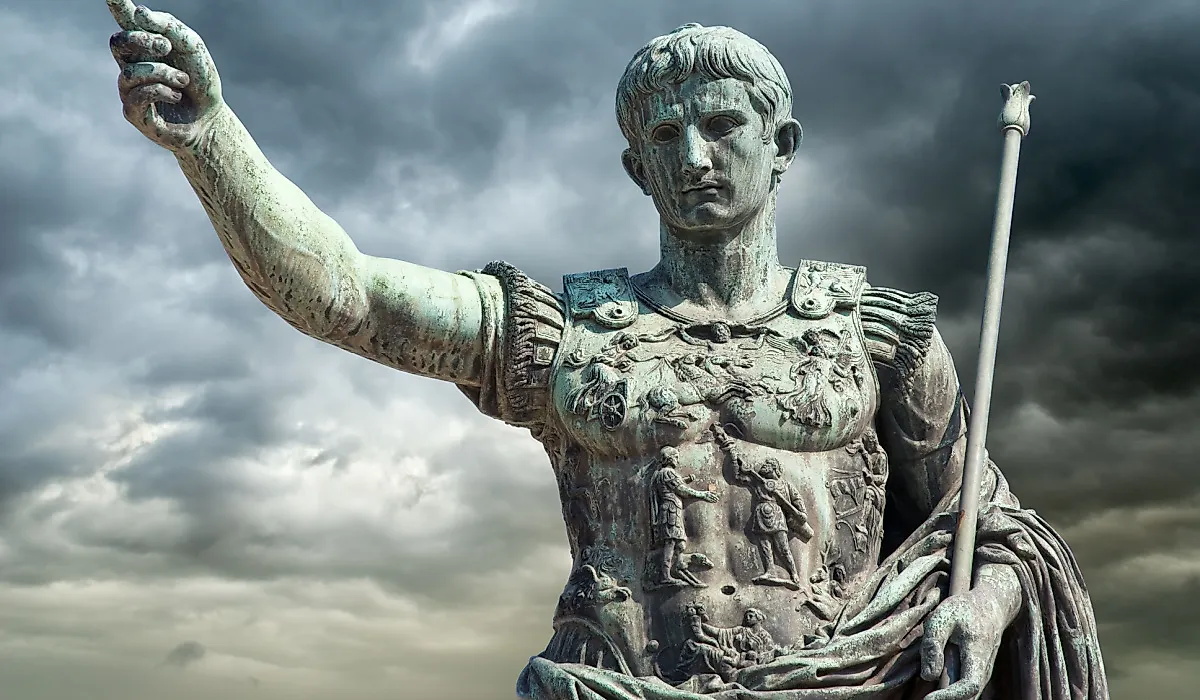
This corrupt system of tax collecting continued until the fall of the Republic. The Roman Empire’s first emperor, Augustus, implemented a reformed tax system in 27 BCE. The government conducted a census in each province to determine accurate tax amounts. They also hired approved representatives and gave them a fixed salary for their tax collection. With this new system, Augustus significantly reduced many abuses by placing tax collection under greater imperial oversight. However, some extortion persisted, and citizens were unhappy with unplanned taxes imposed on them for military and public acquisitions. Augustus also reorganized taxation throughout the empire, including the imposition of regular poll taxes in provinces such as Egypt. They were not happy paying these new annual fixed fees and revolted. Unfortunately, other provinces followed suit.
Damage Remained from the Unethical Tax Collecting
The taxation by the publicani was corrupt. There was too much surplus that went into the pockets of publicani. The flawed system of tax collecting was not just a result of the publicani’s greed. It was also due to Graccus’ political strategies and ambitions, along with the provincial governors' greed for failing to regulate the collection. The citizens felt robbed of their hard work that went into the pockets of the publicani. It appeared as part of broader bureaucratic problems of the Roman Empire, judging by continued rebellions over taxes long after taxation with the publicani ended. Abusive taxation damaged confidence in Roman administration and remained a recurring source of unrest in several provinces.