The 7 Greatest Roman Ancient Cities
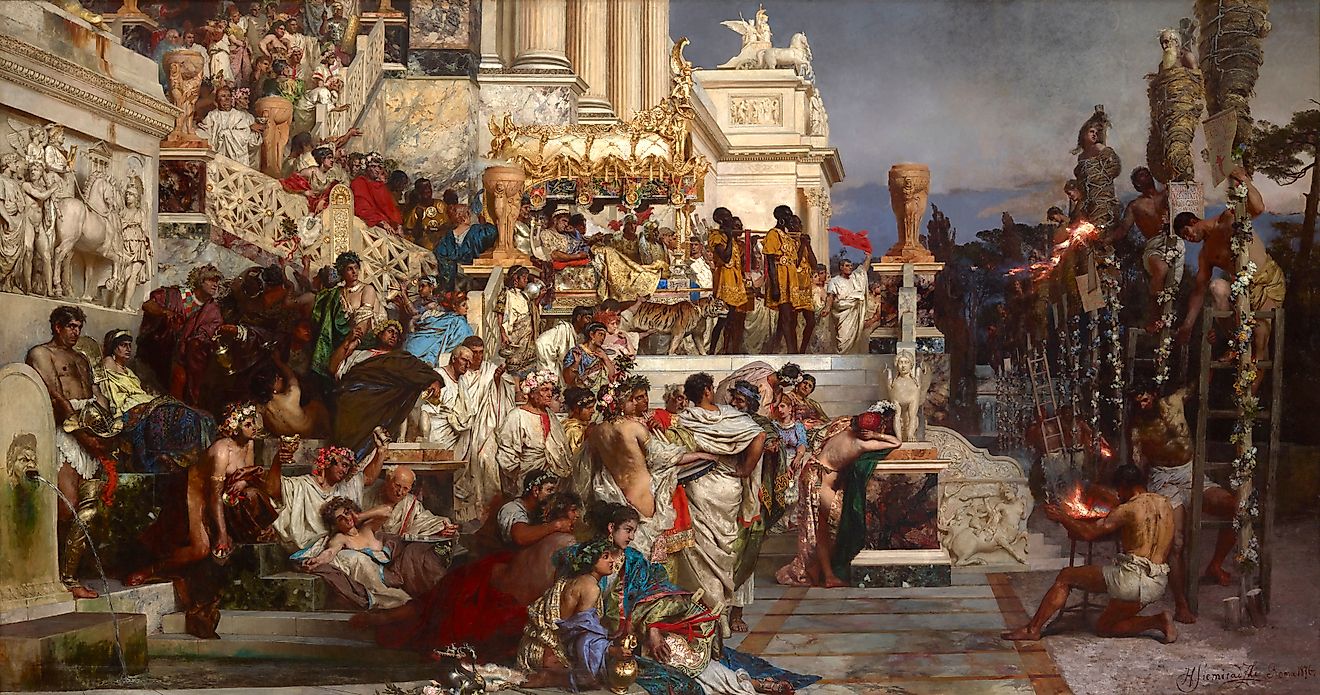
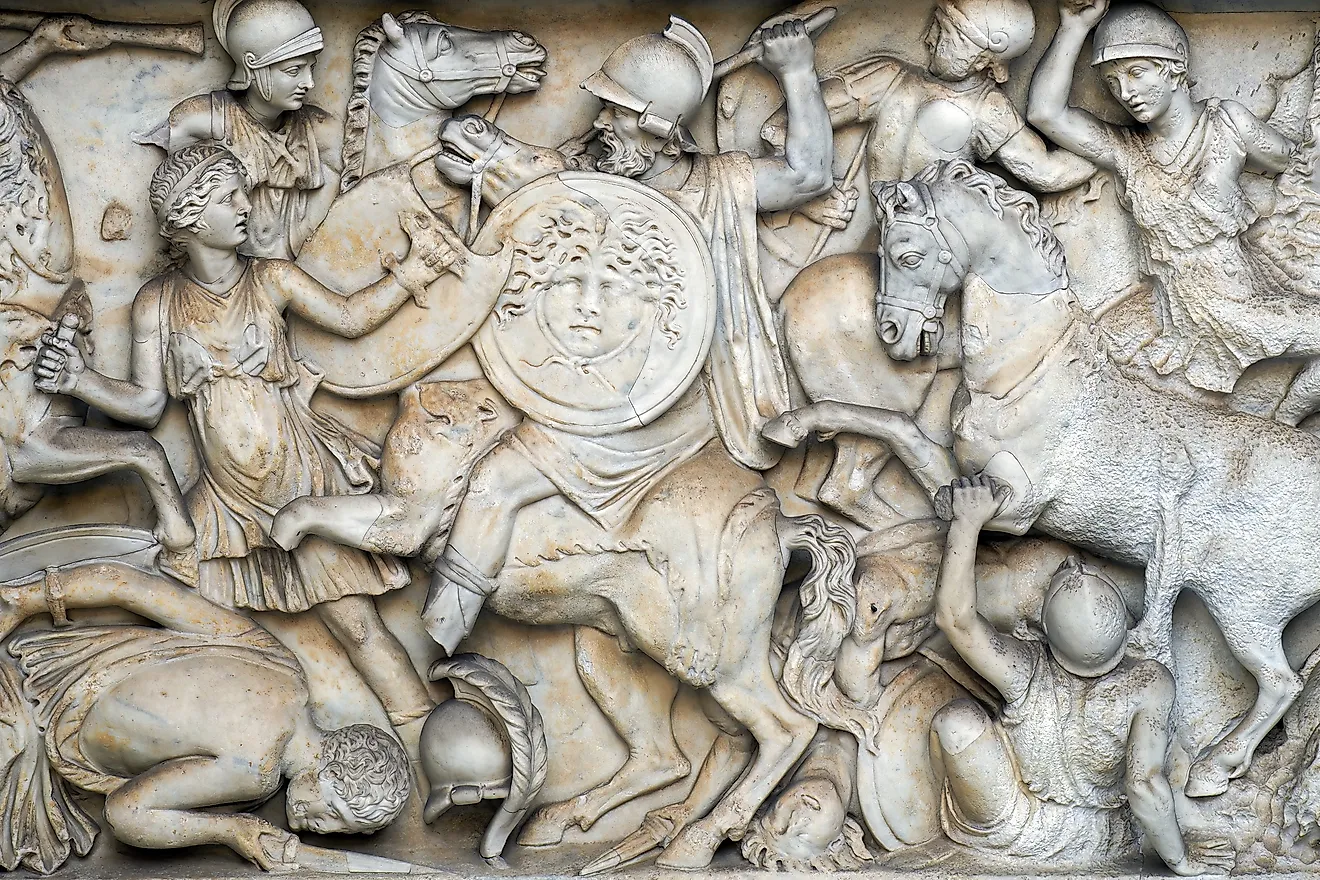
Ancient Rome continues to capture the imaginations of humans around the globe like no other period in history. From its battles and architecture to incredible lost cities, it is easy to see the attractions! Roman control once stretched from Britain to Persia and was home to nearly 57 million people at a time when the world population was far smaller than it is today. For some, their fascination with the Roman Empire reaches beyond what they can explain, there just seems to be something captivating that lures inquiring minds. A recent internet trend suggested that many, especially men, are simply obsessed with the Ancient Roman period. To rein in the Roman Empire obsession, and to help in our understanding of its past, these seven cities provide helpful points of focus.
Rome

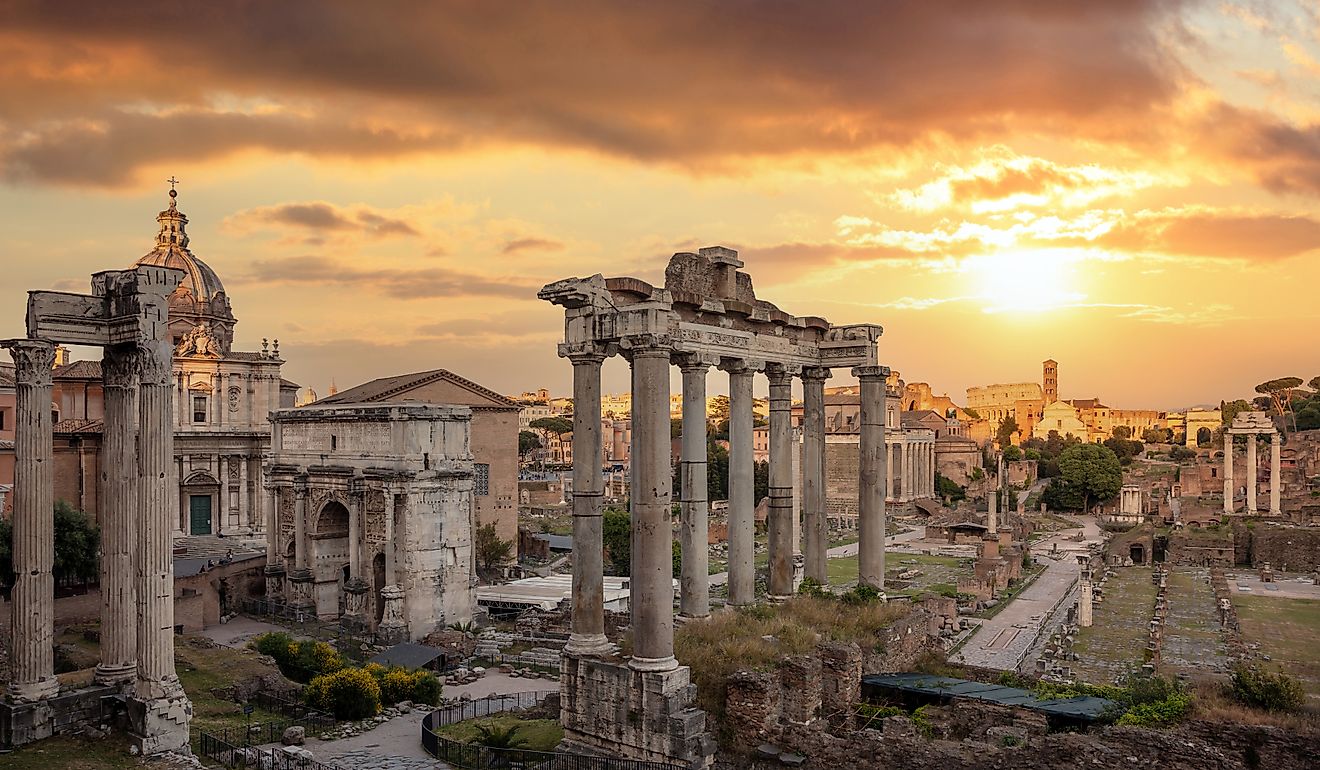
The best-known city of the Roman Empire is the metropolis of Rome. Today, with a population of nearly 2.9 million, it is the capital of Italy. Rome was also the capital of the ancient empire. As the empire grew in the final centuries BC, Rome's power and influence also grew.
Rome's royal period began in 753 BC, before the eventual founding of the republic in 509 BC. Rome was seen as the world's strongest empire for over a millennium. The geographic advantages of Rome were crucial in establishing and sustaining its power. Located on the Tiber River and the Italian peninsula, Rome had exceptional access to trade via the Mediterranean Sea. This location was later significant at a military level since the ocean and riverways enabled Roman armies to deploy troops and conquer neighboring lands. Numerous imperial ruins can be found in modern Rome which suggest how life was in these past centuries. These ruins include the Roman Forum, the Colosseum, and the Pantheon.
Pompeii

South of Rome in the modern Campania region, Pompeii ranks among Italy's most famous ancient cities. The site is unique in Roman history as the location of a catastrophic volcanic eruption that led to its demise. On August 24, 79 AD, Mount Vesuvius erupted, blasting ash and debris into the air over two days. The city was plunged into darkness. The eruption killed about 2,000 people. Pompeii and its inhabitants were buried alive under the volcano's effluvium. Pompeii was forgotten for over a thousand years until 1592, when workers came across ruins while digging a canal. Yet no archaeologists worked on the site until generations later. In more modern times, the site has yielded thousands of artifacts, including "death casts" of volcanic material that formed around the event's human victims. As much as one-third of Pompeii is still buried today!
Carthage (Tunisia)

Carthage, located in modern-day Tunisia, sits in the southern part of the Mediterranean Basin and holds a fascinating history. Its name derives from the expression Qart-Hadasht, an ancient Phoenician term meaning "town" or "new city." Phoenician settlers established Carthage in the 9th century BC. After that, it expanded into a major center of maritime trade. The city's strategic location on Africa’s northern coast and its naval strength rank Carthage among the ancient world’s most significant city-states.
Carthage had a centuries-long rivalry with Rome, intensifying during the three Punic Wars. It was finally defeated in 146 BC in the Third Punic War and fell under Roman control. The Romans then fully rebuilt and restored Carthage, turning it into a vital part of their empire. Under Roman rule, Carthage thrived again and gained fame as a hub of trade and culture. Today, it is a suburb of Tunisia's capital, Tunis.
Antioch (Modern-day Antakya, Turkey)

Antioch, now called Antakya, lies in Turkey’s southernmost Hatay Province. This city sits to the east of the Orontes River. Antioch was also a Roman center of religion, trade, and culture. Antioch was held in high regard for its importance in the Hellenistic (Greek), Roman, and early Christian worlds.
The Roman Empire annexed Antioch in 64 BC, after which the city became a Roman metropolis. The Romans’ influence reached every part of the city, as shown by its Roman-built baths, aqueducts, temples, and amphitheaters. Antioch also welcomed various cultures and religions, mainly because it served as a crossroads between the empire's eastern and western parts.
Antioch secured its place in history as the site where Jesus’ followers were first called Christians. The city also hosted the Apostle Paul during his missionary journeys, making it a center of early Christianity. In modern times, Antakya celebrates its ancient legacy while embracing a contemporary Turkish influence.
Ostia (Modern-day Ostia Antica, near Rome)

Ostia Antica, a major ancient Roman seaport with a population of 60,000, was essential for the empire's travel and trade. Considered Rome's first colony, its founding is usually ascribed to its fourth king, Ancus Marcius, in the 7th century BC. The town primarily produced salt and later functioned as a naval station. It was strategically important during the Punic Wars and served as a critical logistics hub for the Empire's grain trade.
Interestingly, Ostia Antica initially sat at the mouth of the Tiber River on the Mediterranean coast. But now, because of the natural expansion of the Tiber River delta, about 4 miles upstream, southwest of today's Rome.
Ephesus (Modern-day Turkey)

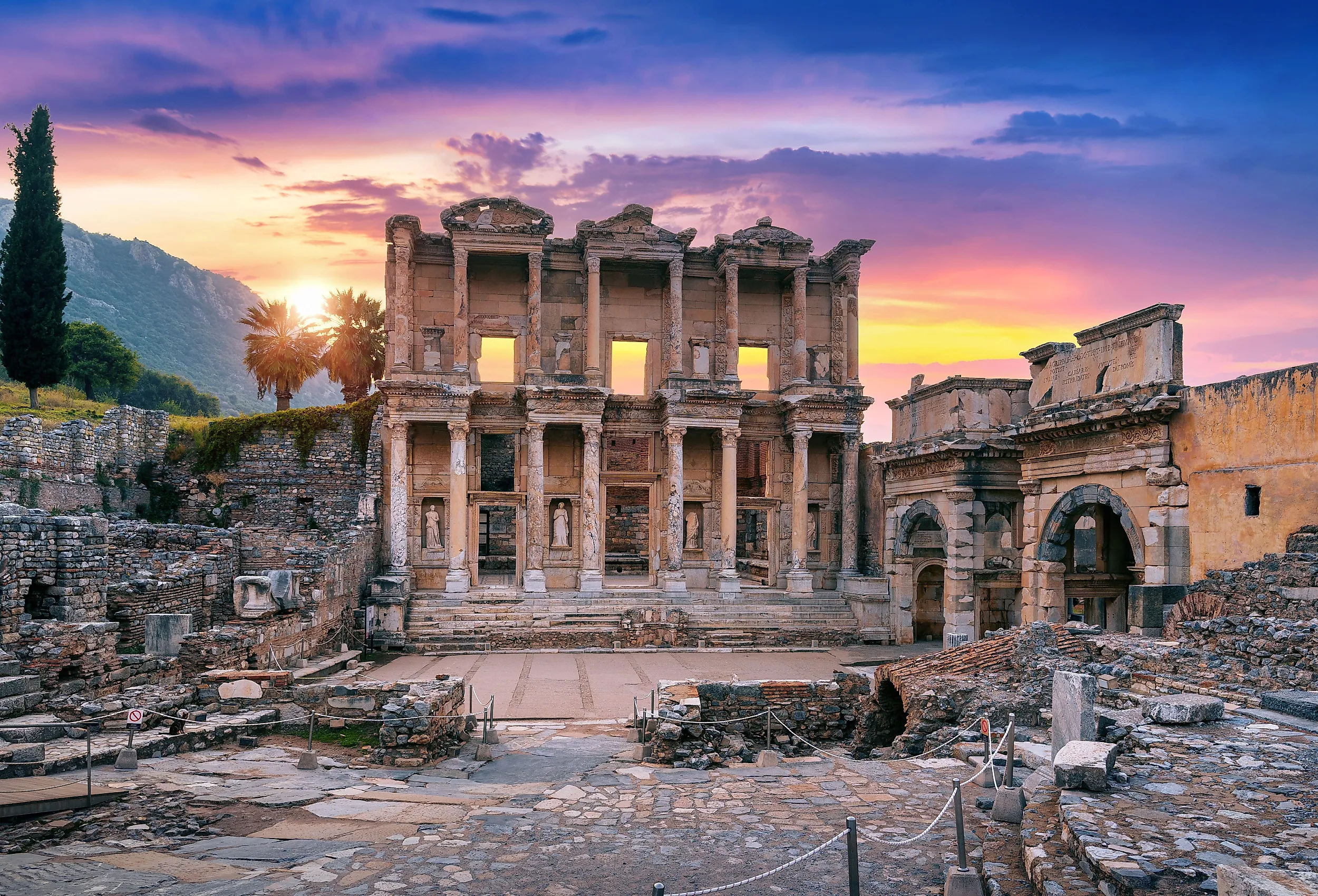
Known today as Izmir, the ancient Roman city of Ephesus hosted Hellenistic and Roman settlements. Each of these evolved with the coastline as it advanced and retreated toward the west. Archaeological work has uncovered monuments from the Roman Imperial period, including the Library of Celsus and the Great Theatre. Little remains of the legendary Temple of Artemis, one of the “Seven Wonders of the World” from ancient times, which attracted travelers and pilgrims from across the Mediterranean Basin. Since the 5th century, the House of the Virgin Mary, outside Ephesus, has been a major destination for Christian pilgrimage. Ephesus is a strong example of one of Rome's best port cities.
Jerusalem (With emphasis on its Roman era)

Jerusalem is located in modern-day Israel and is considered by many to be one of the holiest places in the world. Jerusalem is a site of major significance for the three largest monotheistic religions: Judaism, Christianity, and Islam -- which developed before, during, and after the Roman Empire, respectively. The Roman general Pompey overtook the city in 63 BC. Over centuries, the differences between monotheistic and polytheistic religious views caused clashes between the many faith types that are represented in Jerusalem.
Jesus of Nazareth, the most revered figure in Christianity, was crucified in Jerusalem around 30 AD, during the period of Roman rule. In 70 AD, the Romans destroyed the Second Temple of Jerusalem, a sacred site for Judaism. Roman general Titus led the siege, resulting in widespread destruction of the city's buildings. Today, the Western Wall, also called the Wailing Wall, stands as the only remaining part of the Second Temple. It continues to be a place of prayer and pilgrimage for Jews, Christians, and Muslims.
The Bottom Line
Across its centuries and regions, the Roman Empire constructed many great cities. From the capital of Rome and nearby Pompeii to Carthage and Antioch on the far sides of the Mediterranean Basin, and finally to religious centers like Ephesus and Jerusalem, the Roman Empire left a permanent mark on the region's history, geography, culture, and religion, and patterns of travel. Rome's influence continued to shape life in Europe, the Middle East, and Africa, long after the empire declined. Given its enormous importance, maybe an obsession with Rome is justified after all.