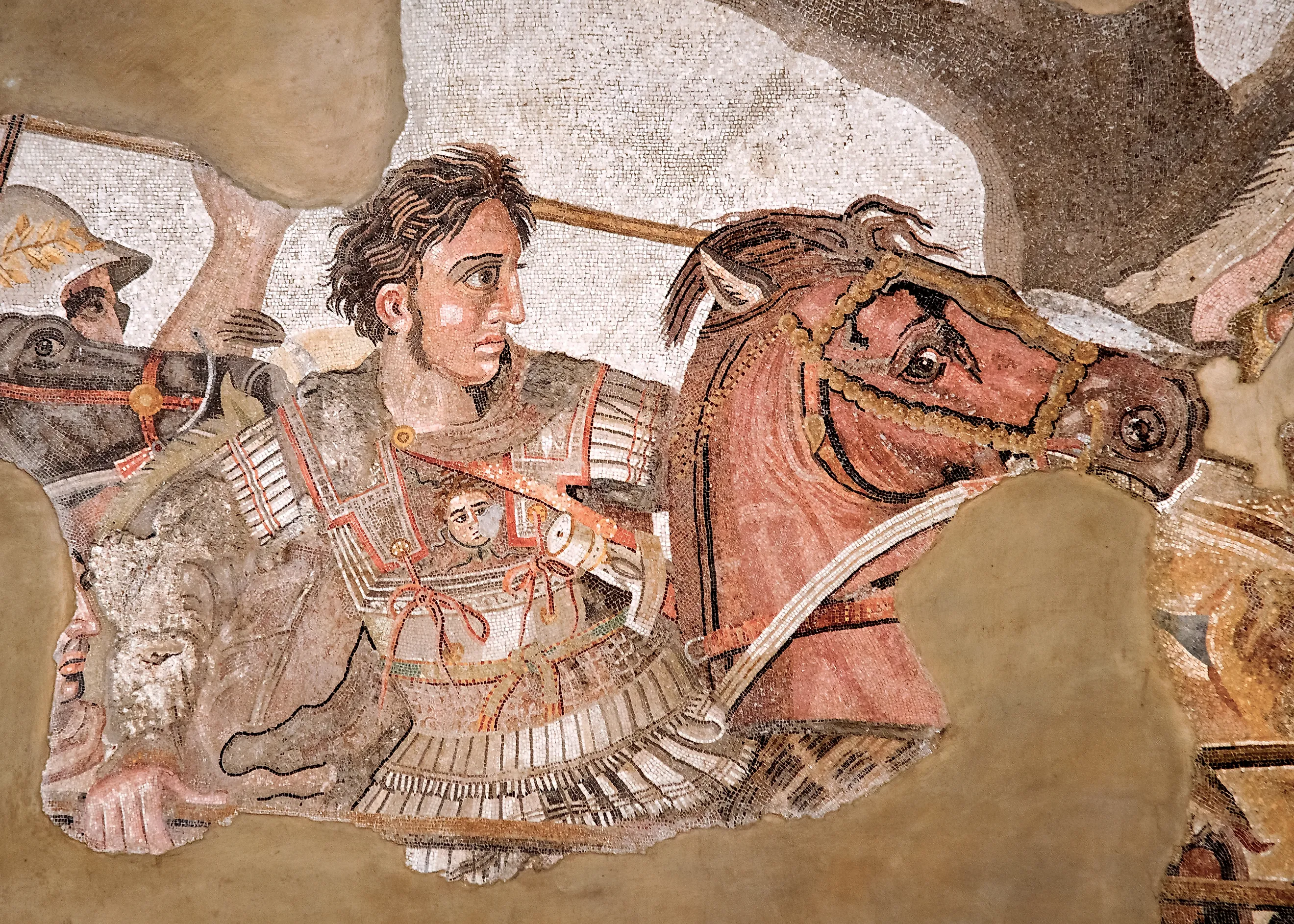
How Far Did Alexander The Great Travel And Conquer?
Alexander the Great built one of the largest empires in world history, and he covered a staggering amount of ground doing it. Historians estimate that his campaigns took him through the Balkans, Persia, Central Asia, and India, totaling between 20,000 and 25,000 miles (32,000 to 40,000 kilometers). To grasp the scale of that feat, it helps to look at what he actually accomplished: in under a decade, he stitched together a multi-continent empire that reshaped the ancient world.
The Balkans And Greece

Alexander's father, King Philip II, died in 336 BCE, leaving the 20-year-old Alexander as king of Macedonia. Problems came quickly. Balkan tribes to the north, the Thracians, Triballi, and Illyrians, were threatening invasion, while Greek city-states to the south, long under Macedonian rule, began revolting once news of Philip's death spread. To prove that Macedonia was still a force, Alexander went on the offensive.

He struck the Balkans first, defeating the Thracians in the Haemus Mountains, the Triballi on the Danube River, and the Illyrians in what is now Albania, Montenegro, and Kosovo. He then turned south to Greece. Most city-states surrendered, but Thebes refused. Alexander besieged and destroyed it, killing and enslaving thousands. With these displays of force, he secured the home front and freed himself to campaign in Asia.
Persia

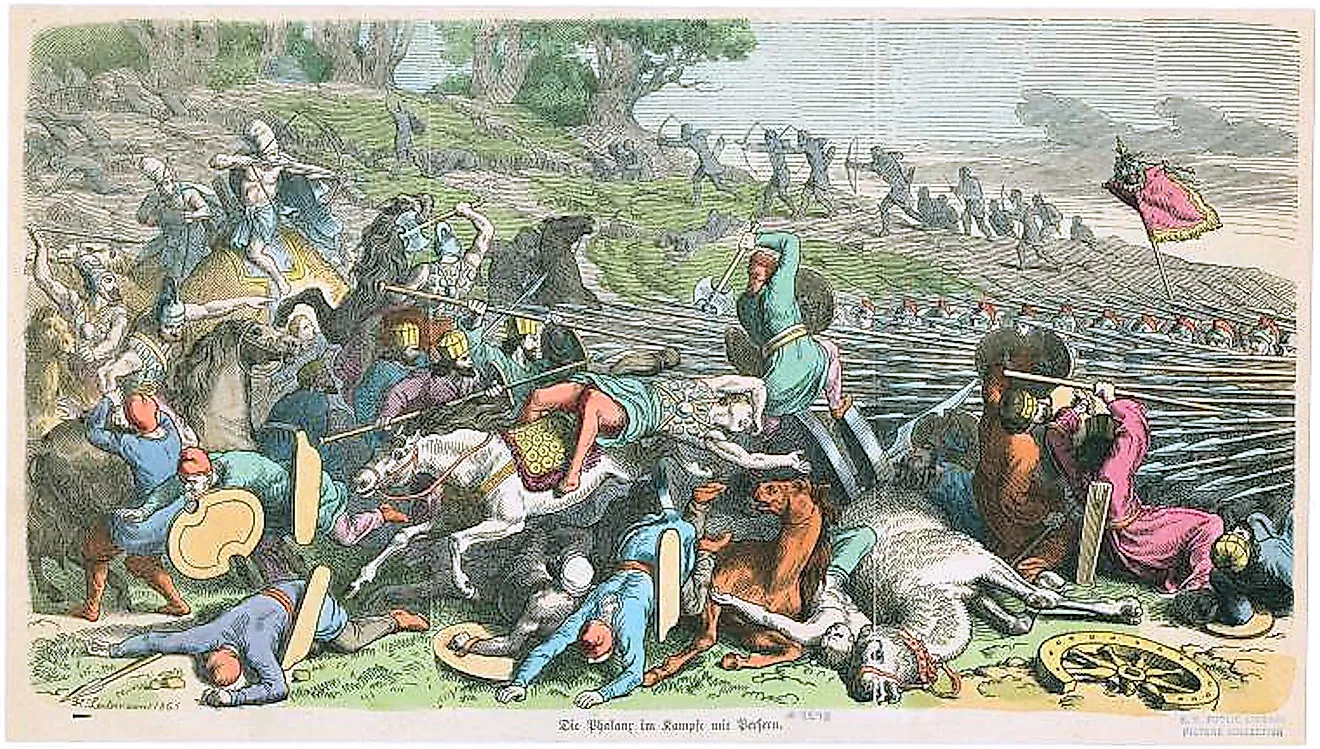
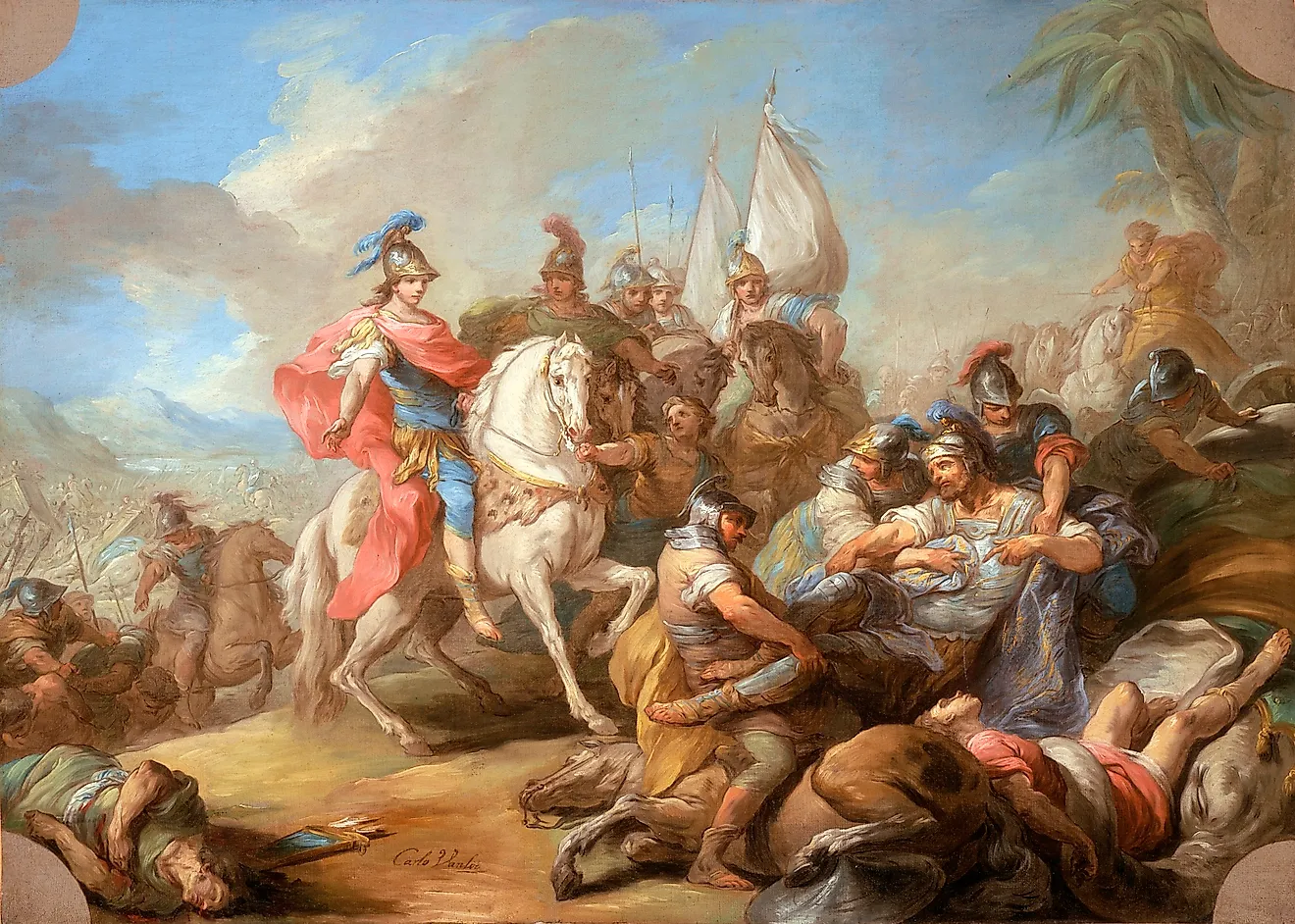
In 334 BCE, Alexander crossed the Hellespont (the modern-day Dardanelles Strait) to launch his Persian campaign. That same year, his first major victory came at the Battle of the Granicus, where he led the Macedonians across the Granicus River and caught the Persians off balance. By the end of 333 BCE, he held Asia Minor (modern-day Turkey). From there he moved down the eastern Mediterranean coast, besieging Tyre and Gaza in 332 BCE. After Gaza fell, he pushed into Egypt, where locals welcomed him as a liberator and he founded the city of Alexandria. Then came Mesopotamia. At the Battle of Gaugamela in 331 BCE, he crushed the Persian army, and the empire collapsed behind him. Over the next year, Alexander took Babylon, Susa, and the Persian capital of Persepolis.
Central Asia

Alexander now controlled the core of the Persian Empire, but its far reaches in Central Asia still refused to submit. He invaded Bactria (modern-day Afghanistan) and Sogdiana (modern-day Uzbekistan and Tajikistan). Early in the campaign, the Persian king Darius III was killed by a local nobleman named Bessus, who then tried to claim power in the east. Alexander pursued him relentlessly across Bactria. Eventually, Bessus's own men arrested him and handed him over; Alexander had him executed.
Eliminating Bessus did not end the campaign. From 329 to 327 BCE, Alexander faced a prolonged insurgency in Sogdiana, where locals used guerrilla tactics against an on-paper stronger Macedonian army. He responded with a mix of approaches. He brutally repressed rebellious settlements, killing or enslaving their populations. At the same time, he began adopting local customs. He married a Bactrian noblewoman named Roxana and picked up elements of Persian royal dress, which helped him win over parts of the local population. By 327 BCE, Central Asia was more or less under his control, though it remained heavily militarized against continuing low-level resistance.
India

In 327 BCE, Alexander crossed the Hindu Kush and entered the Indus region. After meeting fierce local resistance, he formed an alliance with a local king named Ambhi, which helped him push further onto the subcontinent. The defining battle came at the Hydaspes in 326 BCE, where he faced King Porus on the banks of the Hydaspes River. Despite facing war elephants, a weapon the Macedonians had not encountered at scale before, Alexander's troops won by crossing the river at night and catching Porus off guard. Impressed by Porus's bravery, Alexander allowed him to remain king under Macedonian overlordship. He then pushed forward, but stopped at the Hyphasis River. His army, exhausted from years of campaigning and wary of still-larger Indian forces ahead, was on the verge of mutiny. Alexander turned back.
The Journey Back

Rather than retrace his steps, Alexander chose an ambitious and dangerous return route. He first moved south along the Indus River, reaching the Indian Ocean in 325 BCE, then split his army into three groups. The first, led by the Cretan admiral Nearchus, built a fleet and sailed from India to Persia. The second, under General Craterus, took a relatively safe inland route. Alexander himself led the third group through the Gedrosian Desert, and historians still debate why he chose this route. Whatever the reason, it proved a serious miscalculation. Of the 60,000 troops he led into the desert, more than half died of heat, hunger, and thirst. The Gedrosian crossing was the biggest disaster of his reign.
The End of the Road
Even so, Alexander returned to Persia by 324 BCE. It was the end of his travels. He died the next year at 32, leaving plans for future campaigns in places like the Arabian Peninsula unrealized. The empire he had spent a decade building began to splinter within hours of his death, but the cities he founded, the routes he opened, and the Greek cultural presence he stamped across three continents would outlast him by centuries.