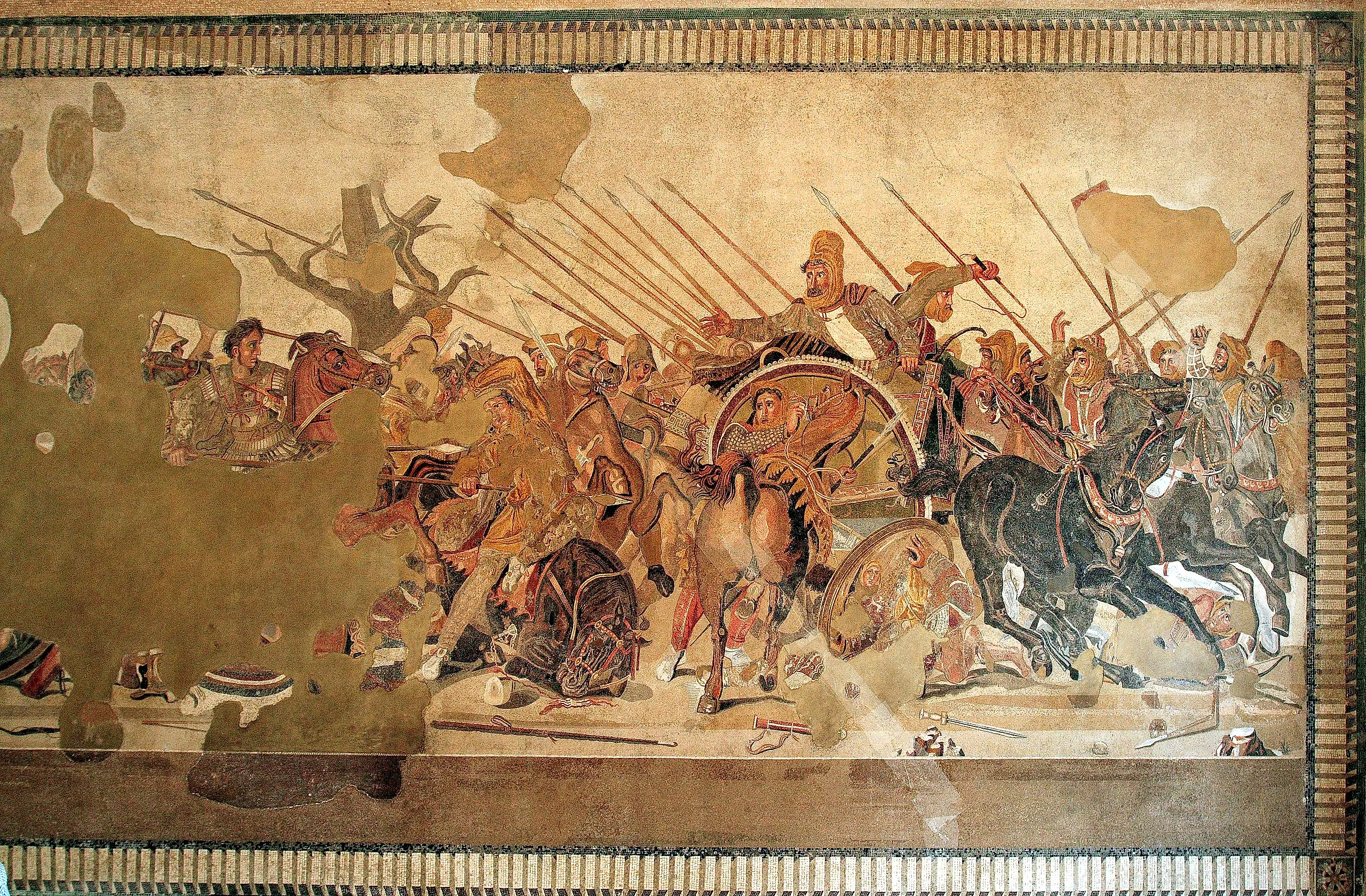
How Alexander The Great Conquered The Known World So Quickly
Alexander the Great was one of the greatest military commanders in world history. As the king of Macedonia, he oversaw an empire that stretched from the Balkans to India. Moreover, he achieved this in less than ten years, beginning his Persian campaign in 334 BCE and turning back from India in 326 BCE. It is therefore worth asking how Alexander conquered the known world so quickly. Doing so reveals several answers. First, Alexander was set up for success by his father, Phillip II. Second, a combination of superior tactics and charismatic leadership meant that Alexander never lost a battle. Finally, Alexander's governance was based on cultural fusion rather than mere conquest. This allowed him to maintain control of the areas he captured.
Phillip II's Legacy

One cannot understand Alexander's success without first comprehending the reign of his father, Phillip II. When Phillip became king in 359 BCE, the Greek world was divided. The Peloponessian War had left its city-states fractured and unable to form meaningful alliances. This set the stage for Macedonia to establish itself as the dominant power in Greece. Phillip did so via two main methods: military might and diplomacy.
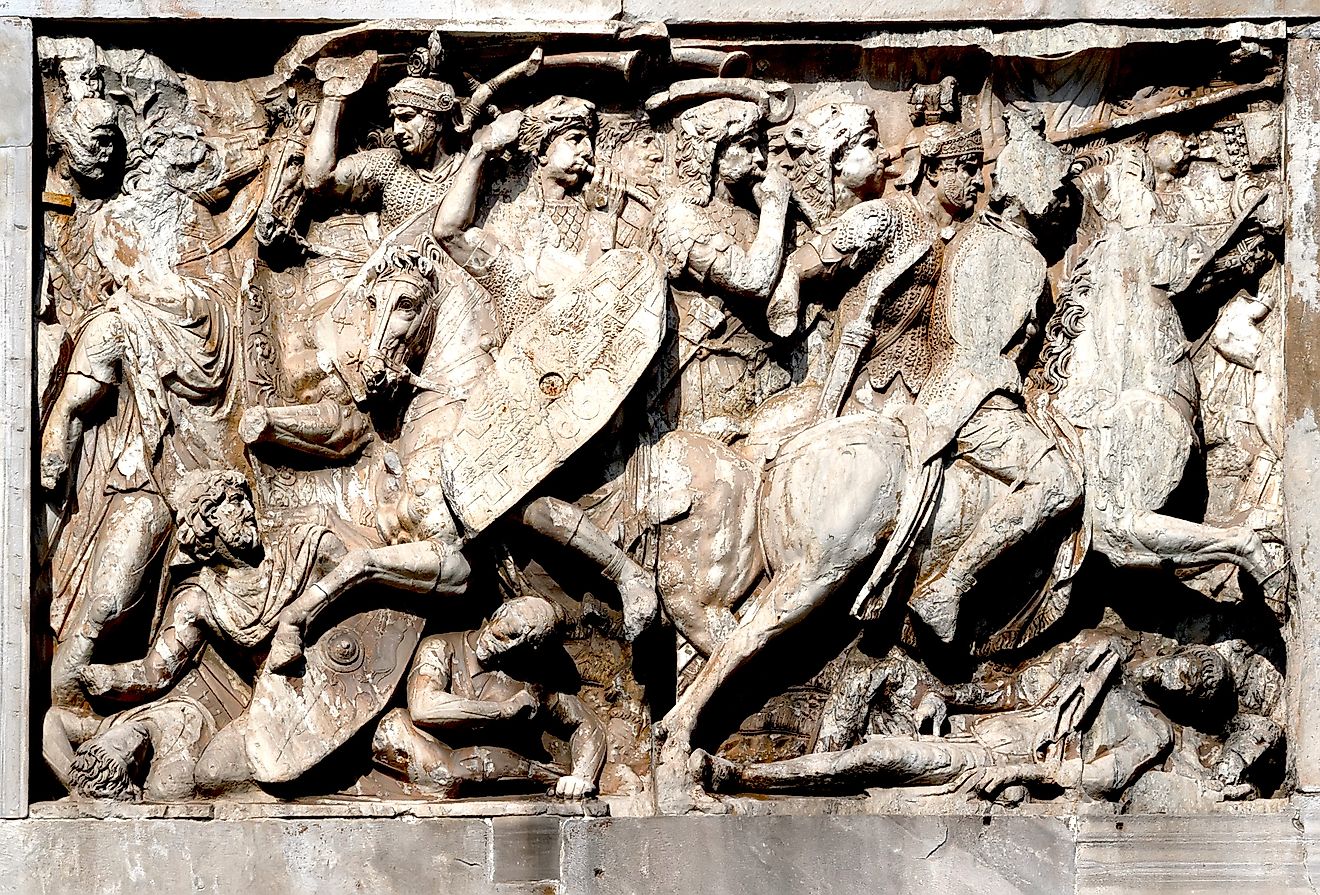
Regarding the military, Phillip created a professional and standing army, contrasting the citizen militias in the rest of Greece. He also introduced the Macedonian Phalanx, a dense infantry formation that used a long spear called the sarissa. When utilised jointly with cavalry and light troops, this made the Macedonian army both an offensive and defensive powerhouse. All these reforms thus meant that Alexander inherited arguably the most powerful military in the known world.
Phillip II's use of diplomacy was also important in uniting the Greek world. His main method was marriage, and he took seven wives from various states to create alliances with various states. Alexander himself was born to one of these wives, Olympias of Epirus. This diplomacy, in conjunction with the military, eventually allowed Macedonia to establish itself as the hegemon of Greece.
Superior Tactics

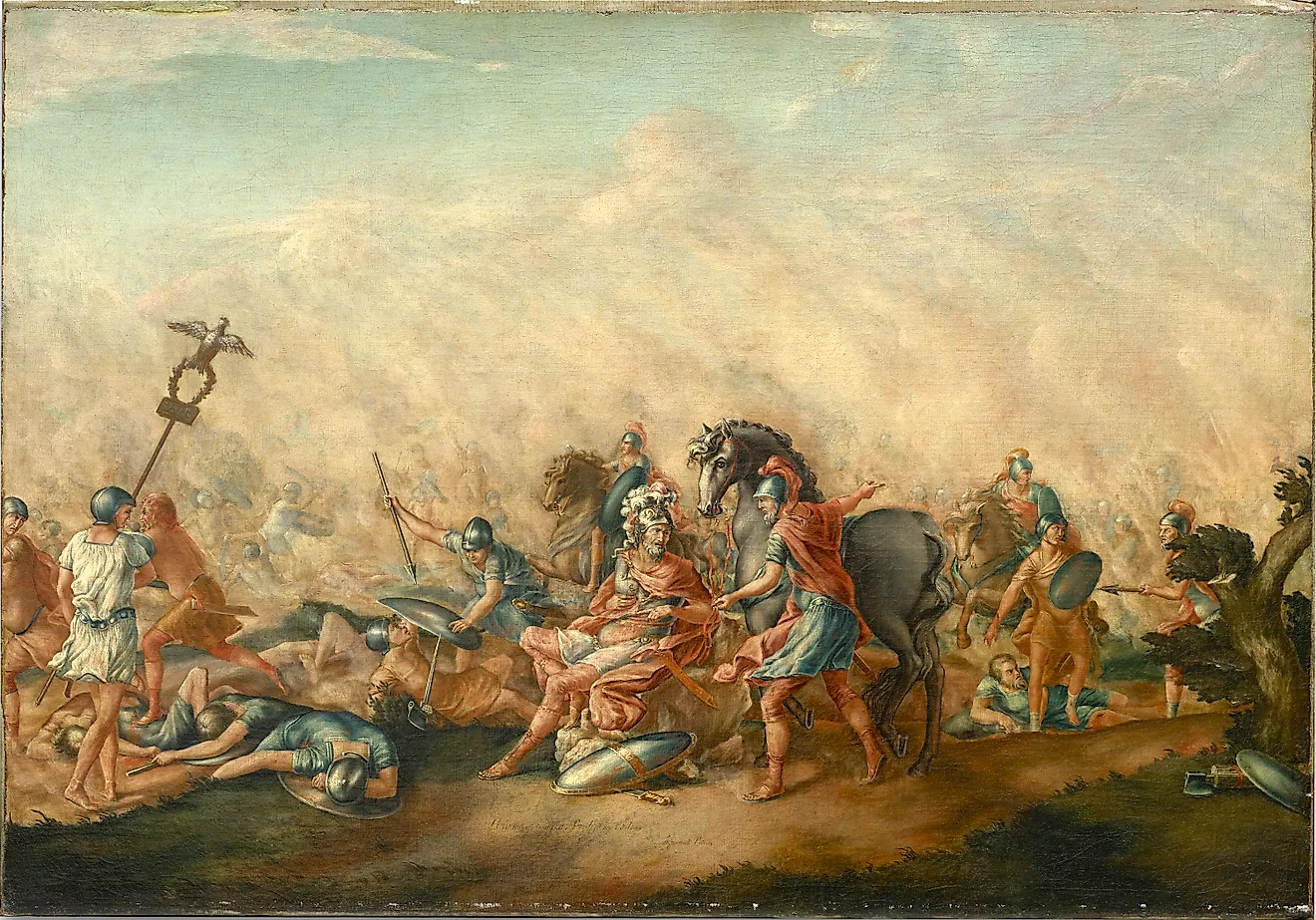
While Alexander inherited a world-class army, he took advantage of it through his superior tactical approach. Alexander always aimed to fight battles on his own terms, doing so with speed and ferocity. For instance, in the prelude to the first major engagement of the Persian campaign, the Battle of Granicus (334 BCE), Macedonian and Persian forces organised on opposite sides of a river. However, as the Persians were still gathering, Alexander launched a surprise attack, leading to a quick Macedonian victory. This speed continued after battles. Indeed, after the Battle of Issus (333 BCE), Alexander relentlessly pursued Persian King Darius III as he fled. While Darius ultimately escaped, this pursuit caused the collapse of the entire Persian command structure. Finally, speed characterized Alexander's broader campaigns, as he conquered Persia, Central Asia, and northwestern India in less than a decade. By moving across Asia so rapidly, this ensured that his enemies rarely had time to prepare or regroup.
Alexander also utilised a combined arms approach. His main tactic was called the hammer and anvil. This saw the phalanx (the anvil) hold the enemy in place, and the cavalry (the anvil) then attack the weak points and smash through the defences. This approach was most clearly exemplified in the defining battle of Alexander's Persian Campaign, the Battle of Gaugamela (333 BCE), in which the entire Persian Army was destroyed. The Persian Empire then collapsed soon afterward.
Charismatic Leadership

Alexander was also a supremely charismatic leader. For instance, rather than commanding from the back, Alexander participated in cavalry charges. He did so from the very beginning of his Persian campaign, leading the charge across the river in the Battle of Granicus. By demonstrating that he was willing to risk his life to achieve his goals, the Macedonian army became similarly willing to endure enormous hardships for Alexander. This charisma also impacted Alexander's enemies. Indeed, hearing about his willingness to put himself in harm's way, paired with the sheer strength of the Macedonian army, meant that many cities, like Susa and Memphis, immediately surrendered. In short, Alexander's charisma inspired loyalty in his army and fear in his enemies, both of which allowed him to conquer vast swaths of territory.
A Vision Beyond Conquest

While Alexander's military and charismatic brilliance allowed him to conquer the known world, his cultural interest helped him actually keep the territory. Indeed, rather than destroying Persian culture, Alexander fused it with Greek culture. For example, he took three Persian wives and also arranged thousands of marriages between Greek soldiers and Persian women. Alexander also adopted elements of Persian style, sat on a Persian-style throne, and utilised a Persian-style scepter. Finally, Alexander kept the existing Persian bureaucracy. On top of being a logical and practical decision, this ingratiated Alexander with the local populace by maintaining a sense of normalcy and demonstrating that he was not interested in destroying their civilisation. In short, through cultural fusion, Alexander established a system of sustainable rule.
Impact and Legacy
Several key factors helped Alexander the Great conquer the known world. First, his father, Phillip II, created a formidable army and united Greece under Macedonian rule. Second, Alexander leveraged these advantages through his tactical and charismatic brilliance. Finally, Alexander maintained control over the areas he conquered due to his genuine interest in their culture, which thereby ingratiated him with the local populace.