The 7 Wealthiest Cities of the Ancient World
Among the ancient world's richest cities, some sat on major trade routes. Some ruled large empires and collected taxes and tribute from distant regions. Others grew wealthy because they were capitals, where rulers gathered resources and spent heavily on roads, temples, palaces, and public buildings. Rome used conquest, taxation, and imperial rule to become the center of a vast empire. Alexandria grew rich through grain exports and Mediterranean trade. Carthage dominated western sea routes, and Petra profited from caravan "tijara" (trade) across Arabia and the Near East.
The article also shows that great wealth did not guarantee lasting success. War, political change, environmental pressures, and shifting trade patterns all played a role in decline. These cities offer a clear look at how wealth was built, used, and lost in the ancient world.
Rome
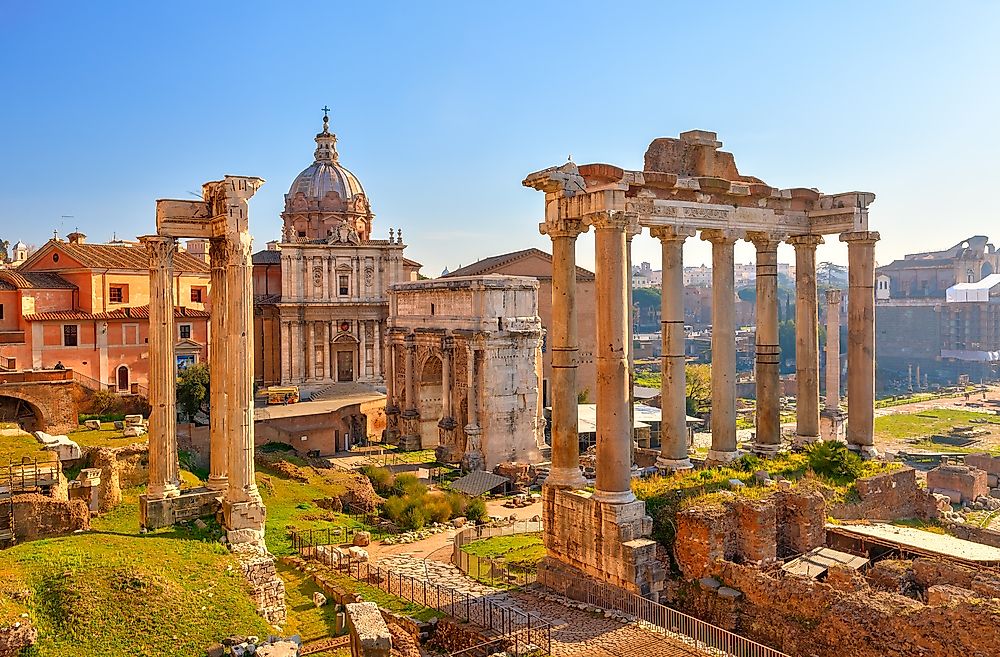
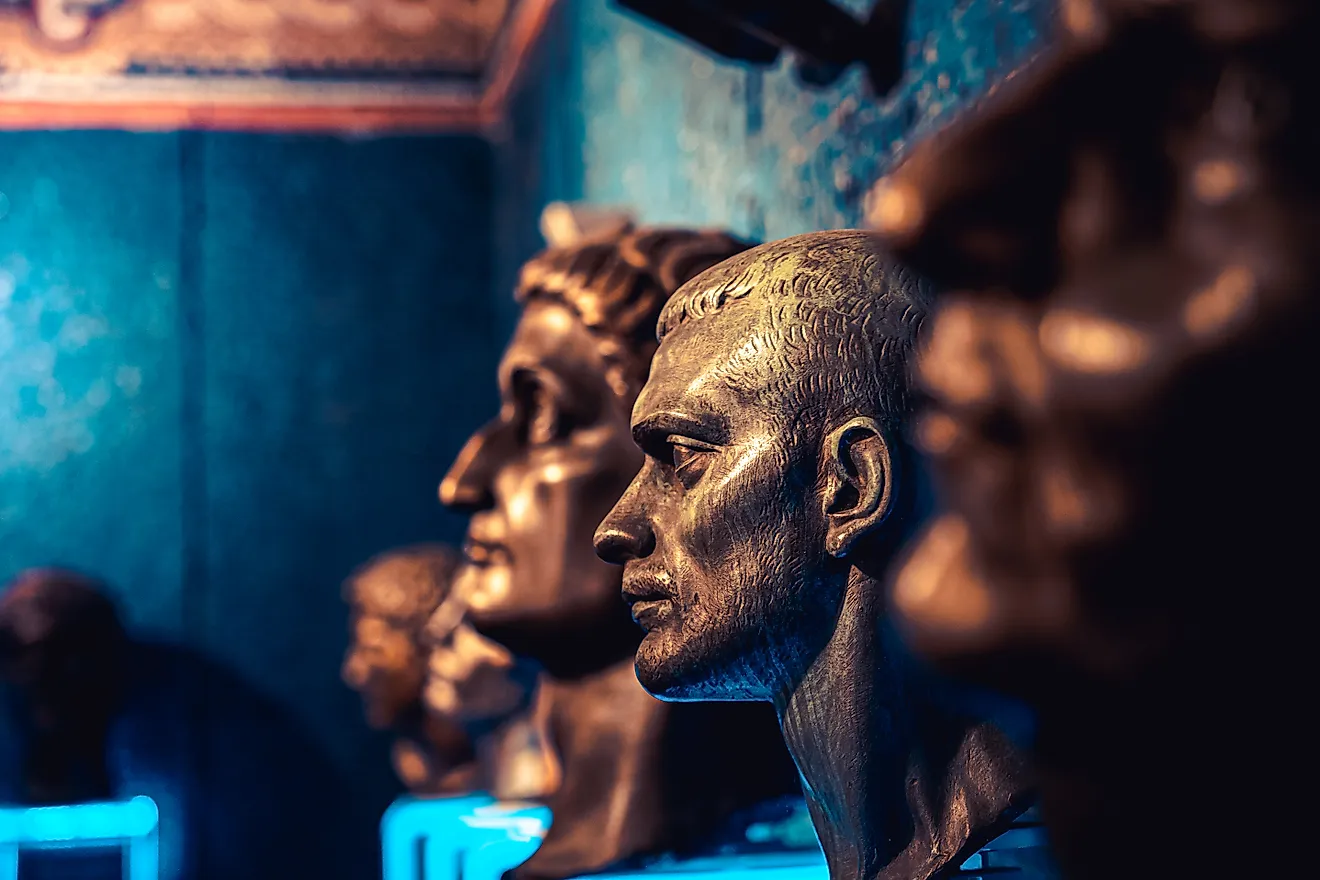
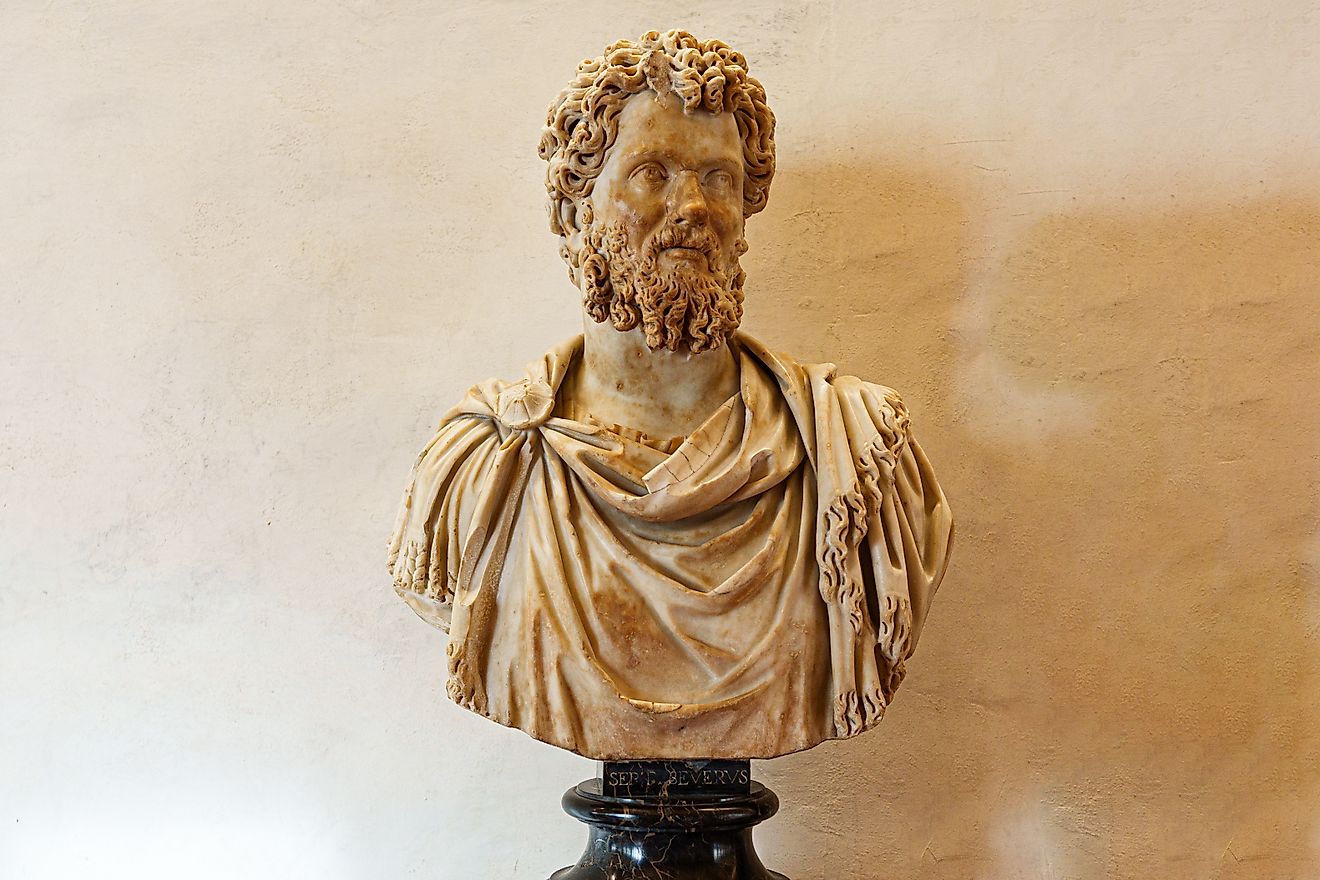
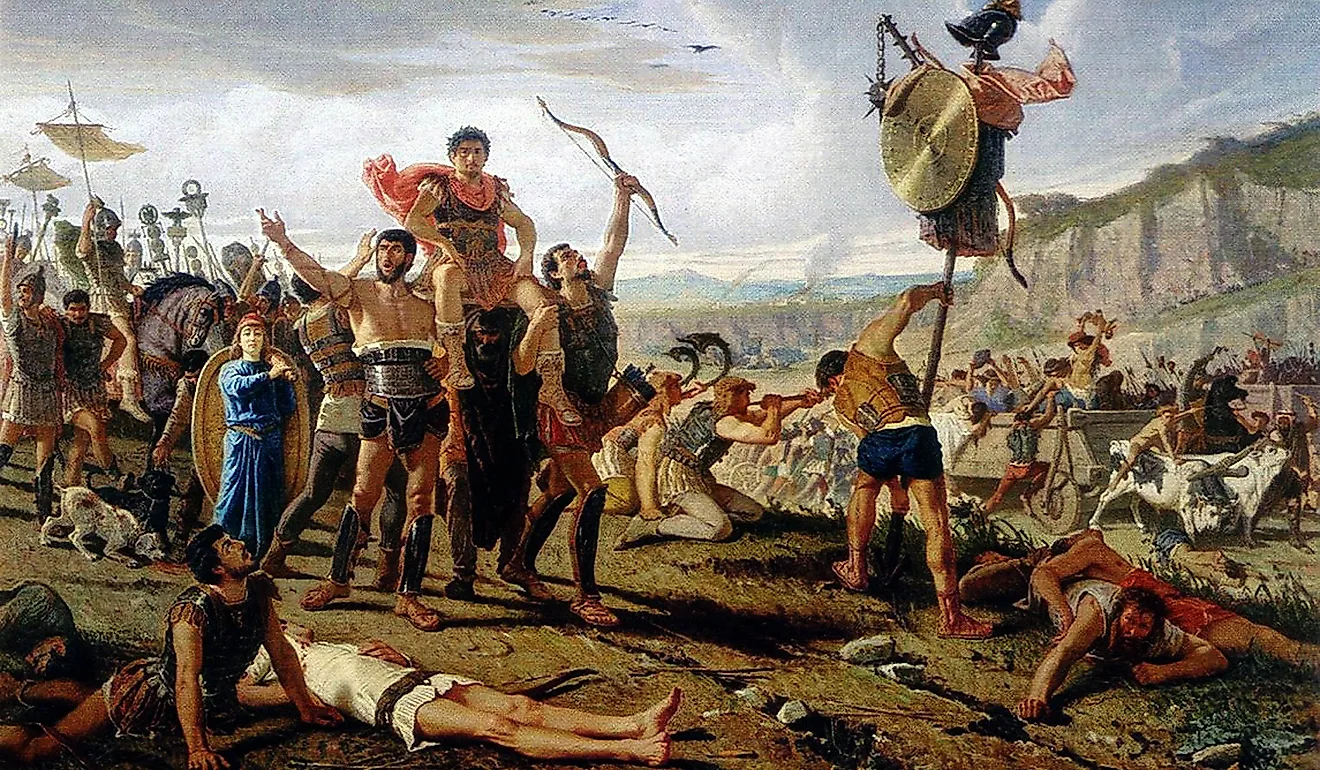
At its height under the Roman Empire, Rome was the wealthiest city in the ancient world, with a population possibly exceeding one million. It drew resources from territories that stretched across Europe, North Africa, and the Middle East. Its rise began with the expansion of the Roman Republic in the 3rd and 2nd centuries BCE, and its wealth peaked during the early imperial period.
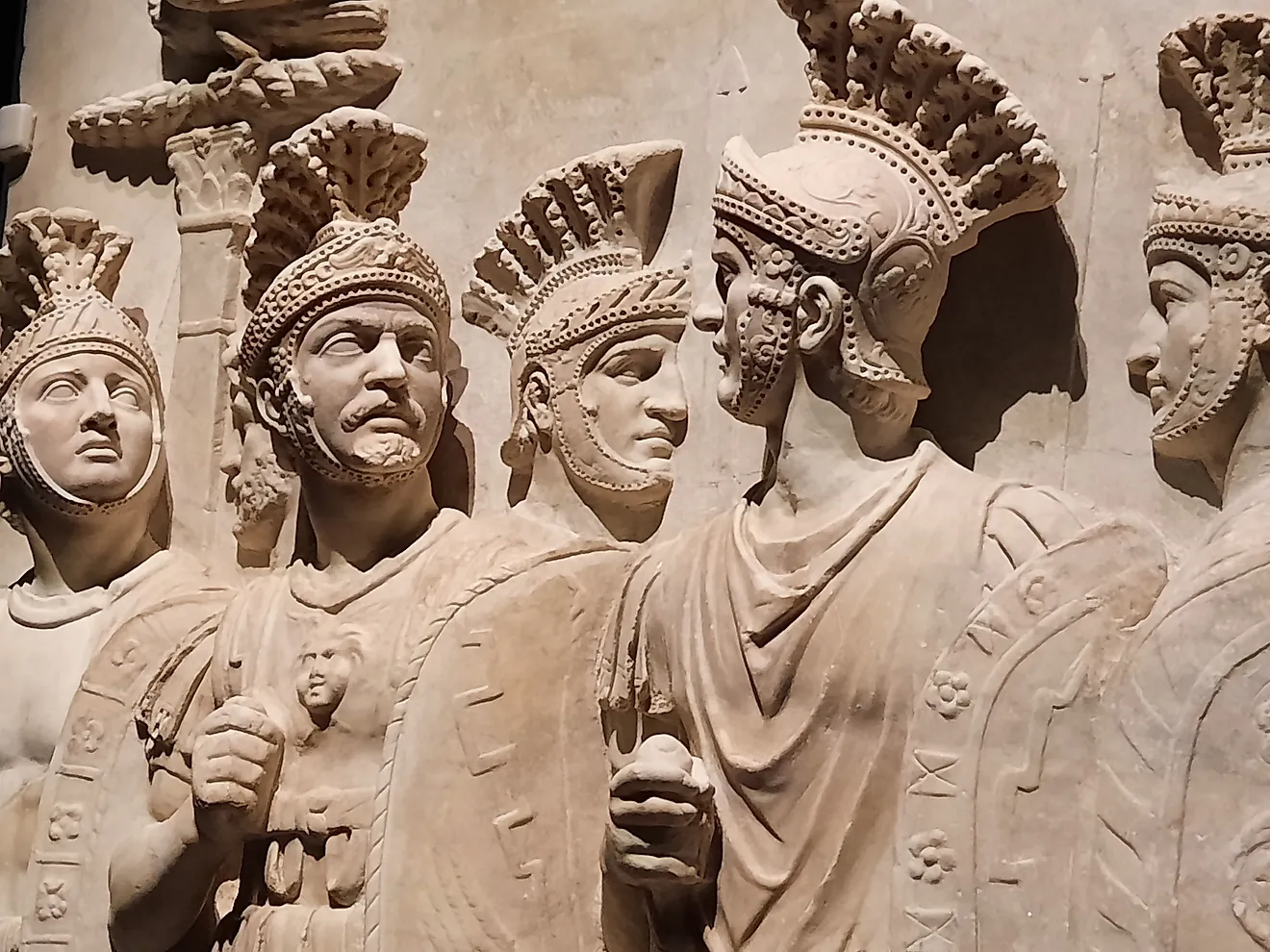
Rome’s prosperity was built on conquest, taxation, and trade. Provinces paid tribute in grain, gold, and luxury goods, while public works such as aqueducts, baths, and amphitheaters reflected both the scale of wealth and the political need to display it. However, fundamental inequalities in Roman society, reliance on enslaved labor, the administrative strain of an overextended empire, and the concentration of wealth among a few elites contributed to long-term instability.

The fall of Rome in the West in 476 CE was the result of many factors, including political fragmentation, military pressures, and economic strain. While immense wealth supported urban life and the spectacle Rome was renowned for, it placed heavy demands on the provinces. Over time, imperial administration and economic power shifted eastward to Constantinople, where the Byzantine Empire continued for almost another thousand years. Rome today remains a living city, layered over its past iterations, with ancient ruins integrated into modern urban life.
Alexandria

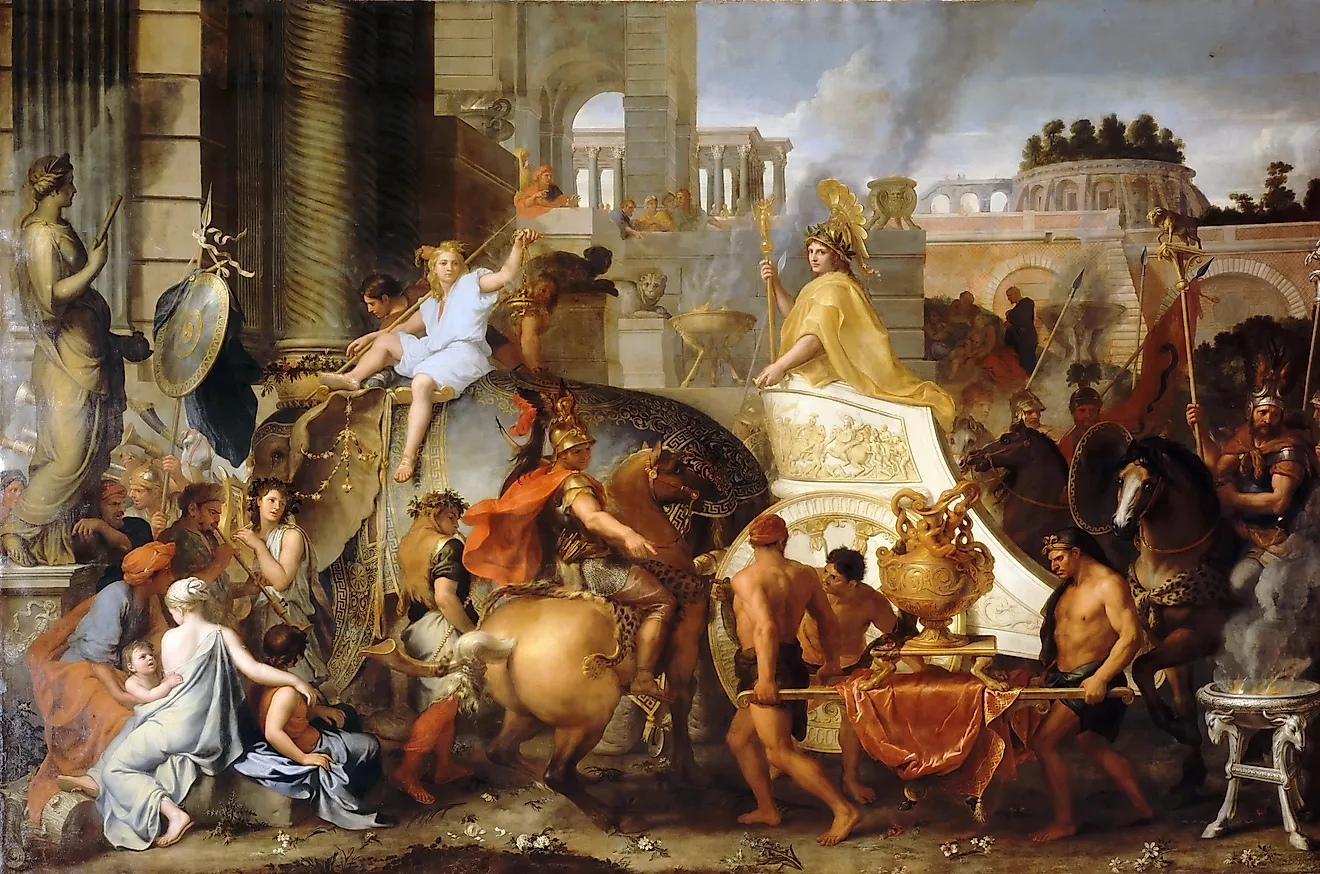
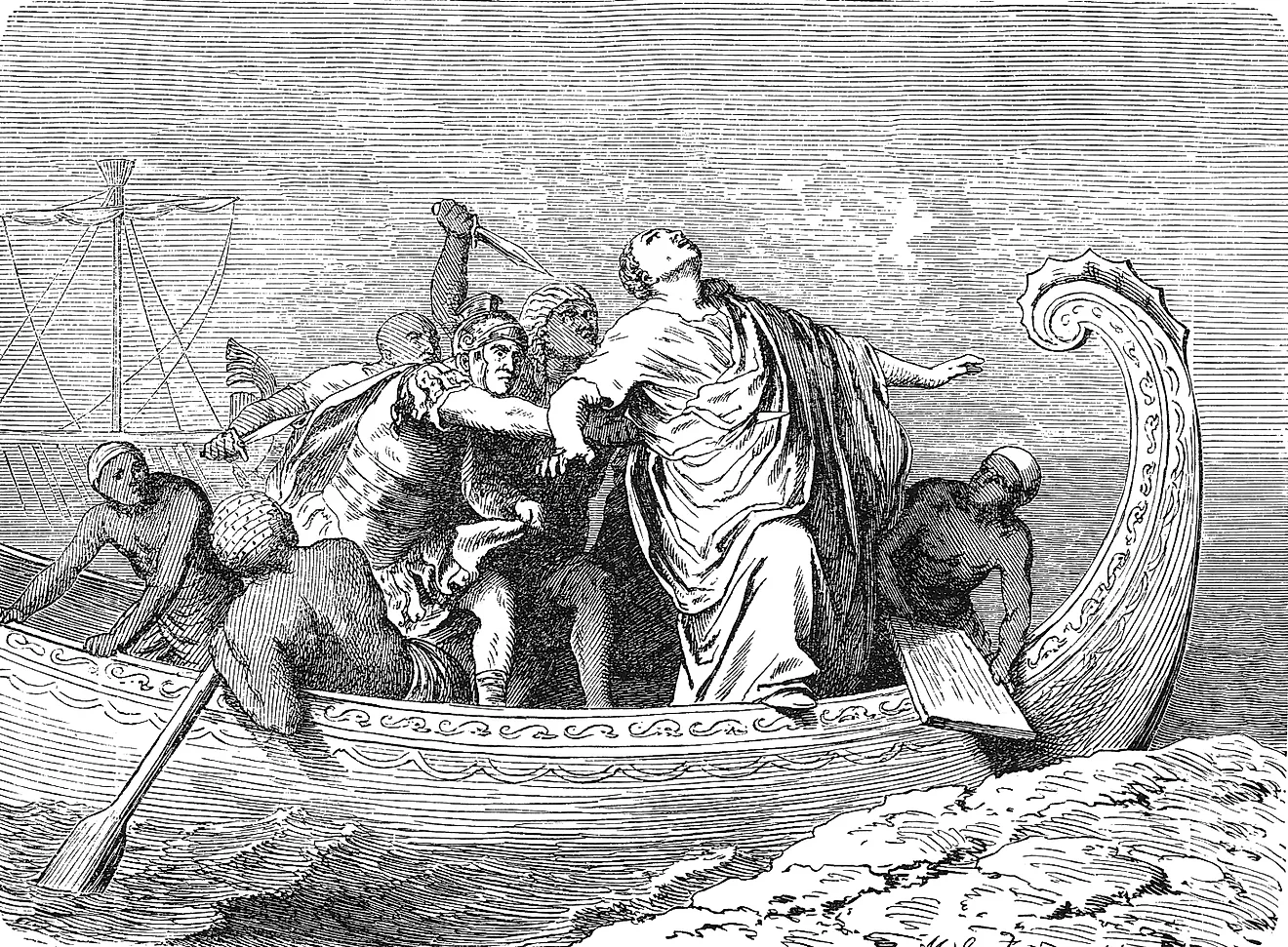
Founded by Alexander the Great in 331 BC, Alexandria quickly became one of the richest cities in the Hellenistic world. Under the reign of Alexander’s general Ptolemy and his heirs, the Ptolemaic dynasty, and later Roman rule, it served as Egypt’s primary port and a critical node in Mediterranean trade.
Alexandria’s wealth was rooted in grain. Egypt was the breadbasket of the Roman Empire, and Alexandria was the primary point through which vast quantities of grain were exported to feed Rome. Beyond its economic role, the city became a center of learning and commerce, with its famous Library and Museum attracting scholars from across the ancient world. It was also a highly cosmopolitan city where Greeks, Egyptians, and Jews lived and interacted.

Although Alexandria remained important under Roman rule, political instability and changing trade patterns contributed to its gradual decline by late antiquity. Though the narrative of the single burning of the Great Library remains debated, the loss of this central repository of knowledge of the ancient world severely diminished the city's significance. Today, Alexandria remains a modern port city, but with limited visible ancient remains, as much of the ancient city lies beneath the streets or underwater.
Carthage

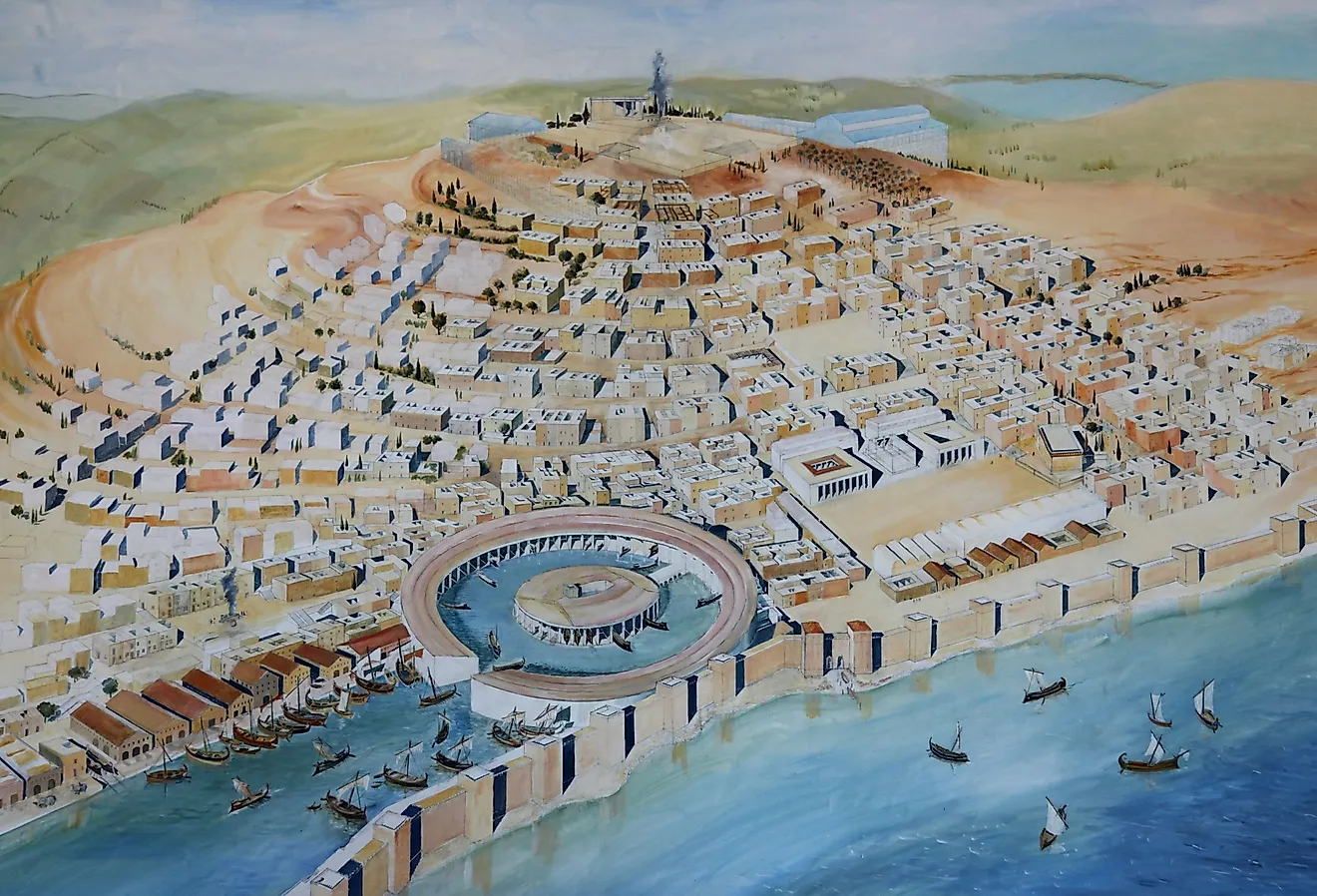
Founded by Phoenician settlers, Carthage rose to dominate trade in the western Mediterranean. By the 4th and 3rd centuries BCE, it became one of the wealthiest cities in the ancient world, controlling maritime routes and colonies across North Africa, Spain, and Sicily.
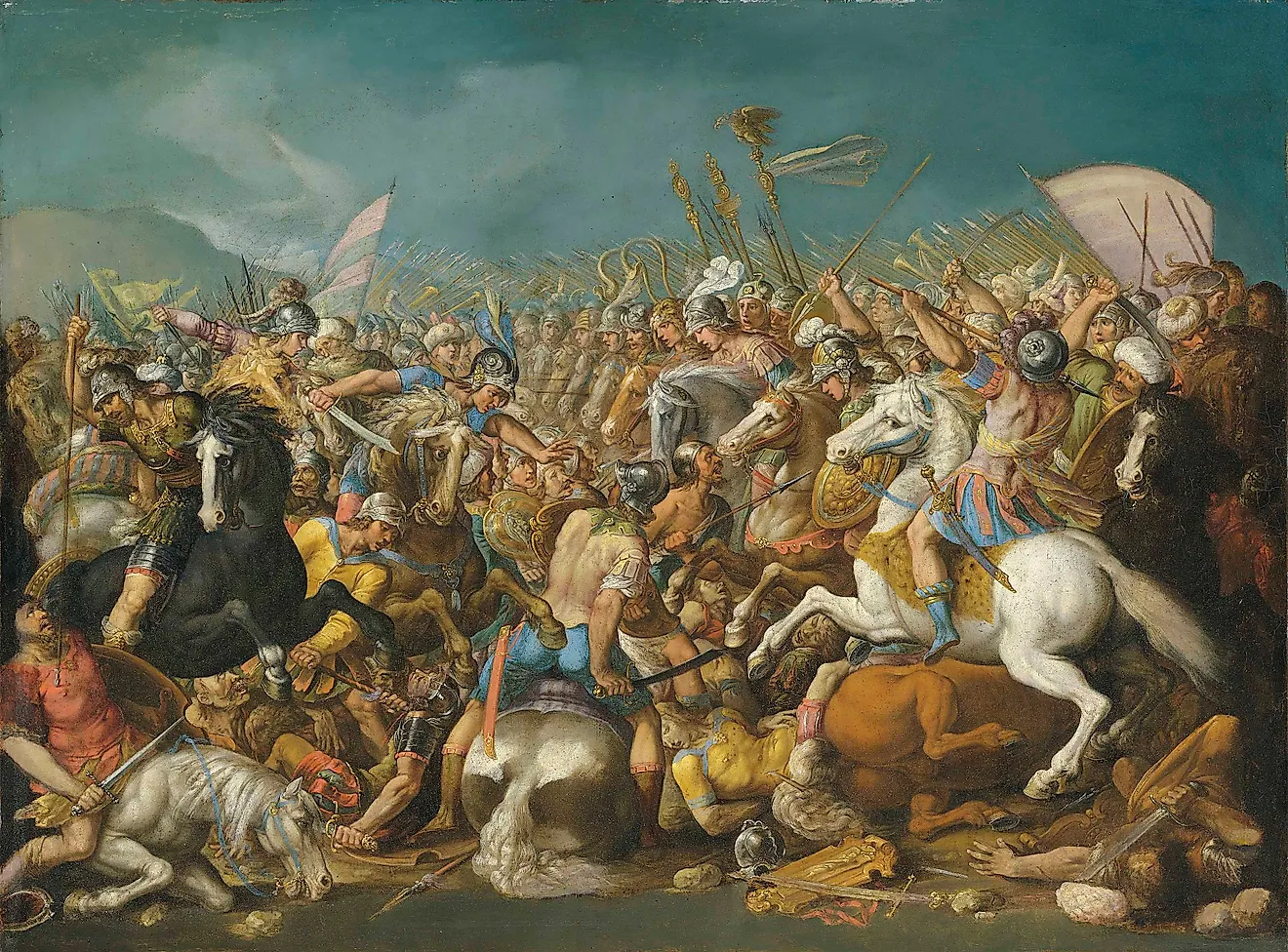
The wealth of Carthage came from commerce, especially in metals, agricultural goods, and manufactured products. Its identity was tied to its powerful navy, which protected trade routes and enabled expansion. This success brought it into direct rivalry with Rome, culminating in the Punic Wars.

After its defeat in the Third Punic War in 146 BCE, Carthage was totally destroyed. The fall of the Carthaginian Empire was one of the most dramatic examples of wealth and power inviting annihilation. Reestablished under Roman rule, it later regained regional importance as a provincial capital, but it would never again rival Rome. Today, visitors can explore archaeological sites near Tunis, though the remains from the height of Carthage during the Punic Wars are hard to spot.
Persepolis

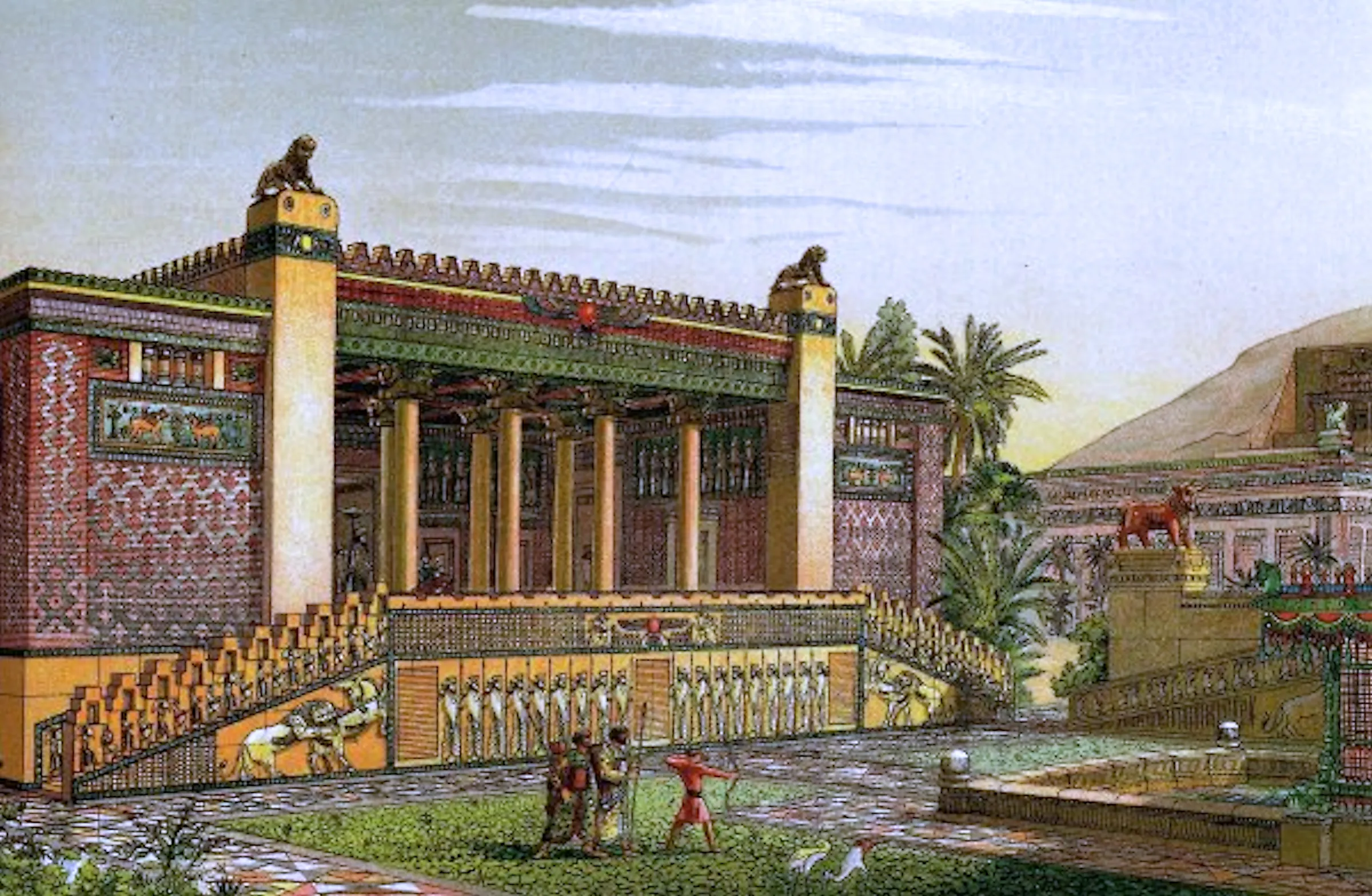
Persepolis, the ceremonial capital of the Persian Empire, was not a commercial city in the same sense as Rome or Carthage. It was not a commercial center or even densely populated, but rather a stage for imperial power, reflecting the resources of an empire that stretched from Egypt to India.
Constructed under Darius I and his successors, Persepolis functioned as a site where tribute from across the empire was gathered and displayed. Relief carvings depict delegations bearing gifts, offering a visual record of imperial tribute and wealth.
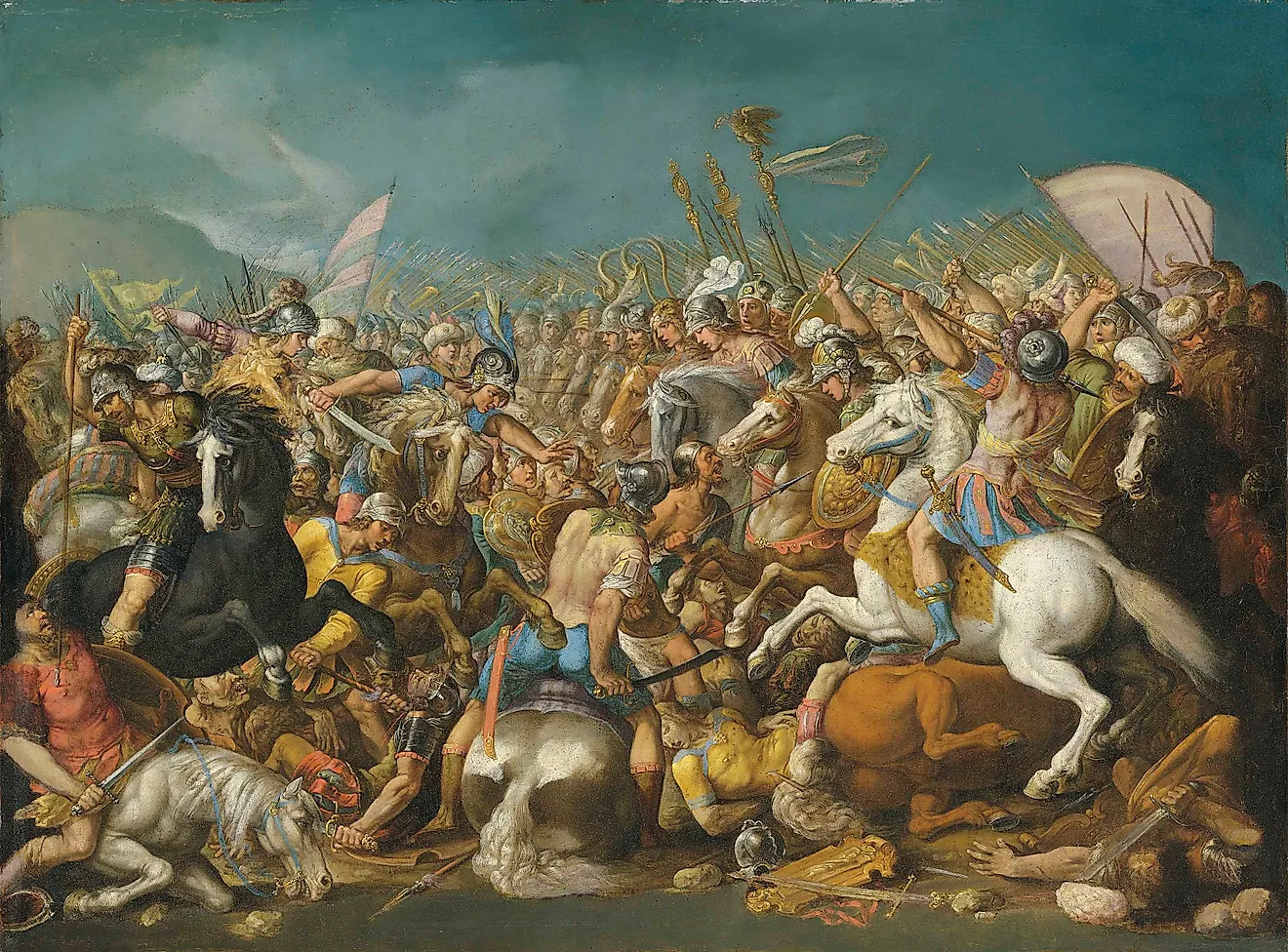
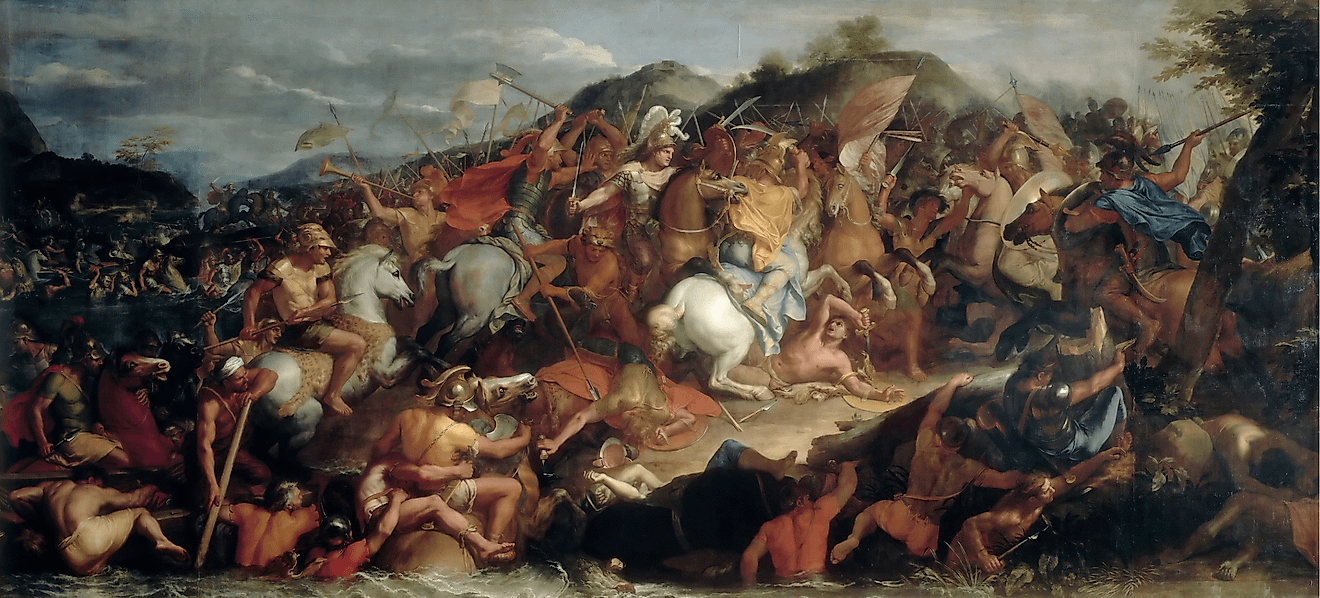
The city was destroyed by Alexander the Great in 330 BCE, marking the end of Achaemenid rule. Despite its relatively short lifespan, Persepolis remains one of the clearest expressions of concentrated imperial wealth and demonstrations of authority. Persepolis sits near the city of Shiraz in Iran, and the site boasts monumental ruins in remarkable condition.
Chang’an

As the capital of several Chinese dynasties, including the Western Han Dynasty, Chang’an was one of the largest and wealthiest cities in the ancient world. The city itself was meticulously planned, with daily life structured by curfews and strict social hierarchies. It was the eastern endpoint of the Silk Road, connecting China to Central Asia and beyond.
Chang’an’s wealth came from its role as a political and administrative center and from long-distance trade. Silk, lacquerware, and other luxury goods left for the West, while horses, precious stones, and cultural influences entered China.

The city declined after the fall of the Han dynasty and was no longer the imperial center, though it would be revived in subsequent periods under the Tang dynasty, which built on the solid foundation established under the Han dynasty when it stood as a key node in Afro-Eurasian exchange. Today, Chang’an survives as modern Xi’an, a city continuously inhabited across millennia, where the ancient layout can be spotted in the city walls.
Pataliputra

Located in the fertile Gangetic plain in what is now northern India, Pataliputra served as the capital of the Maurya Empire and later the Gupta Empire. Its rise began in the 5th century BCE, and it reached its height under Emperor Ashoka in the 3rd century BCE.
The city’s wealth was tied to its strategic location near major rivers, which facilitated trade and agriculture. Classical accounts, including that of the Greek ambassador Megasthenes, describe a sprawling and prosperous urban center, measuring approximately 9 miles long and 1.7 miles wide, surrounded by massive wooden walls and towers.

Pataliputra's decline is mysterious, but might have begun, slowly, after the fall of the Maurya Empire, when decentralization and environmental factors such as flooding and shifting river courses destabilized the economy. While it remained regionally significant for centuries, it never regained its earlier dominance. Modern Patna sits on the ruins of Pataliputra today, but little of the city remains due to its original wooden construction.
Petra

Carved directly into the rockface of southern Jordan, Petra was the capital of the Nabataean Kingdom and a major hub in Arabian trade networks, blending Arabian and Hellenistic influences. The area in which the city was built had been inhabited for millennia, and the city itself was originally settled by the Nabataeans in the 4th century BCE, but it slowly built to its peak in 100 CE, where its population soared, and immense wealth concentration allowed for the creation of incredible works like the Al-Khazneh, a grand building carved directly into stone.
Petra controlled caravan routes that transported incense, spices, and other luxury goods between Arabia, the Mediterranean, and the Near East. Its inhabitants developed sophisticated water management systems, allowing the city to thrive in an arid environment and enabling the Nabataeans to sell water at a premium.

The Roman annexation of the Nabataean Kingdom by Rome in 106 CE and the gradual shift toward maritime trade routes contributed to Petra’s decline. Today, Petra remains one of the best-preserved ancient cities, with dramatic rock-cut architecture and significant archaeological remains.
The wealthiest cities of the ancient world were not defined by concrete metrics, but by their ability to command resources, people, and ideas. Whether through conquest, trade, administration, or geography, each of these cities reveals a different pathway to world-shaping prosperity.
Taken together, they show that wealth in the ancient world was never just about accumulation. It was about visibility, control, and the ability to shape the world beyond the city’s walls.