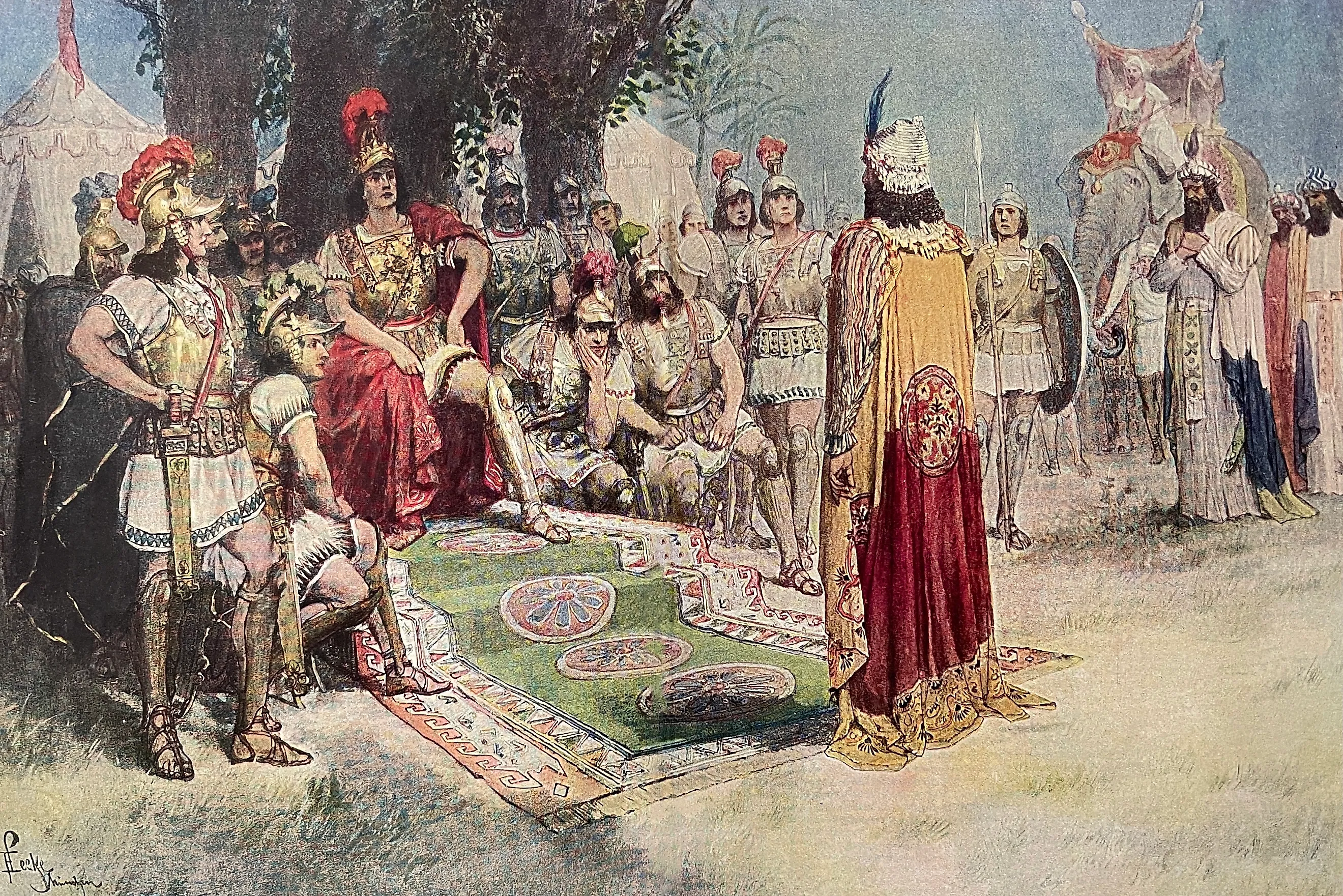
Why Was Alexander The Great Important In World History?
By thirty-two, Alexander the Great had pushed his army from Greece to the edges of India, and the world he left behind looked nothing like the one he inherited. The Greek cities he founded and the trade routes he secured outlasted the empire itself, and when Christianity began spreading centuries later, it moved along the same networks and in the same language his campaigns had planted across the region. Julius Caesar studied his campaigns and wept that he had accomplished so little by comparison, and Napoleon modeled his entire public image on him. The fact that leaders were still borrowing from a Macedonian king two thousand years after his death says more about his reach than any list of conquests could.
Globalization

Perhaps more than any other factor, Alexander is important due to his role in creating a more globalized world. Before his empire, regions like Greece, Persia, Egypt, and India were powerful but largely separate political and cultural spheres. This changed significantly once they were united under Alexander. He helped secure trade routes, thereby facilitating the movement of goods between Asia and Europe. Alexander also founded many cities, the most notable being Alexandria in Egypt. These cities became centers of culture, politics, and art where people from across the empire interacted and shared ideas. This cultural fusion was intentional, and Alexander himself fused Greek and Persian cultures by taking Bactrian and Persian wives, adopting elements of Persian style, and integrating Persian customs into his government.
The Spread of Greek Culture (Hellenization)

While globalization and cultural fusion were core parts of Alexander's legacy, so too was the centuries-long period of Greek cultural dominance across the Mediterranean and the Middle East that followed his death. Known as the Hellenistic period, it began after Alexander’s death in 323 BCE, and Koine Greek spread across the Hellenistic world. This common language then facilitated the spread of Greek culture, including its architecture, philosophy, and art. The cities Alexander founded became important centers of this cultural spread, as people from across the empire were exposed to Hellenistic ideas and customs.
Alexander's empire was just the start of the Hellenistic period. Indeed, while it broke up almost immediately after he died in 323 BCE, its major successor states all maintained a Greek influence. Ptolemaic Egypt, home to Alexandria, was a center of Hellenistic learning and culture for centuries. Greek was also the official language of the government, and many major cities utilized Greek-style urban planning. The Seleucid Empire in Persia and Central Asia also had many of the Hellenistic influences. For instance, ruins of a city in Bactria (modern-day Afghanistan) called Ai-Khanoum indicate that it contained several Greek-style buildings, including a gymnasium, theater, and two sanctuaries. Finally, the Antigonid dynasty, which ruled over Macedonia and parts of Greece after Alexander's death, was also informed by Greek culture, governance, and administration in ways similar to the other Hellenistic empires.
The Proliferation of Christianity

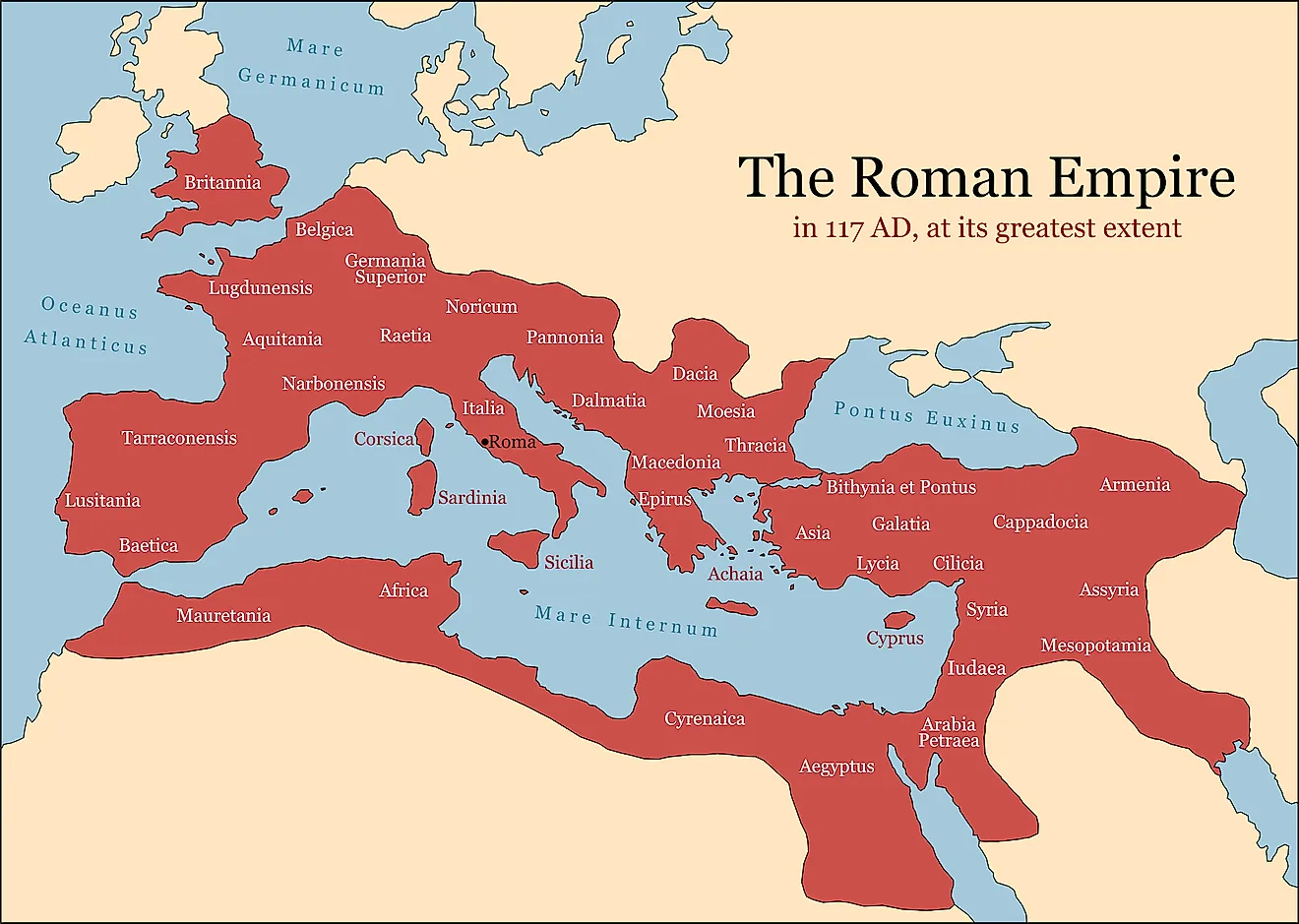
While Alexander's influence was felt immediately through the spread of Greek culture, it continued to be felt centuries later. The widespread use of Koine Greek helped make it a natural language for the writing and circulation of early Christian texts, including the New Testament. Therefore, it could be understood widely across the eastern Mediterranean. Greek and Roman communication networks then made it easier for Christian thinkers to travel and spread their message. They then found a receptive audience in the urban centers that Alexander founded, since these cosmopolitan cities fostered an open-minded attitude towards new ideas. Finally, once many of the Hellenistic empires were united under the Roman Republic (and later the Roman Empire), Christianity spread even faster, as many of its followers now lived within a single political unit. The Roman Empire itself officially made Christianity its state religion in 380 AD. In short, even though Alexander died centuries before Christianity was founded, he laid the groundwork for its widespread adoption.
Influence On Future Leaders

Alexander the Great also inspired countless future leaders. For instance, Julius Caesar had a deep personal admiration for Alexander; according to historians like Plutarch and Suetonius, he wept after seeing a statue of the Macedonian king in Spain, feeling that Alexander had already accomplished more than he had at the same age. Caesar openly admired Alexander, utilizing speed, surprise attacks, and decisive action to defeat his foes. Finally, Caesar seems to have been influenced by Alexander’s model of personal rule, helping move the Roman Republic away from oligarchic representation and toward the dominance of a single leader.
Napoleon Bonaparte was also inspired by Alexander. Therefore, he adopted some of the Macedonian king's military tactics, using speed and targeting weak points to break through enemy lines. Much like Alexander, Napoleon was also an agent of cultural change, introducing legal reforms through the Napoleonic Code and spreading ideas such as secularism across Europe. Finally, Napoleon modeled his personal image after Alexander's godlike reputation, utilizing military bulletins, paintings, and sculptures to portray himself as a larger-than-life figure.
Impact and Legacy
Alexander the Great's importance to world history is difficult to overstate. The empire he built in under a decade continued shaping politics, culture, and religion for centuries after his death, and the conditions he created through trade routes, founded cities, and a shared Greek language rippled forward in ways he could not have anticipated. The leaders who came after him, from Julius Caesar to Napoleon, were still borrowing from his example more than two thousand years later.