The Largest Ancient Armies Ever Assembled
Before 500 CE, a handful of ancient empires fielded armies that ran into the hundreds of thousands and, in some accounts, the millions. The Qin dynasty under China's first emperor is credited by some historians with mobilizing as many as a million men. The Mauryan Empire in India fielded an estimated 600,000. Sustaining armies on this scale required bureaucracy, taxation, and conscription systems that were unusually advanced for their time, and the armies themselves shaped the political map of much of Eurasia. The five below are the largest known forces assembled before 500 CE, with the historical context of each.
The Largest Ancient Armies Ever Assembled
- 1. Qin Dynasty, China (3rd century BCE) - Up to 1,000,000
- 2. Mauryan Empire, India (3rd century BCE) - 600,000
- 3. Roman Republic and Empire (3rd century BCE - 5th century CE) - 600,000
- 4. Early Han Empire, China (206 BCE - 9 CE) - 400,000
- 5. Achaemenid Persian Empire (6th-4th centuries BCE) - 300,000
Qin Dynasty, China (3rd century BCE) - Up to 1,000,000

During the unification campaigns of 230 to 221 BCE, Qin Shi Huang, founder of the Qin dynasty, fielded what some historians estimate at up to a million soldiers across the territories he conquered. The figure is high and disputed; what is not disputed is that the Qin army was the largest of the Warring States period and that no rival fielded one comparable. The Qin used their numerical advantage and their organizational discipline to defeat the rival kingdoms one by one and produce the first unified Chinese state.

The army's strength was rooted in Legalist political philosophy, which emphasized strict hierarchy, universal conscription, and severe discipline. The administrative reforms that allowed Qin to manage an army at this scale, including standardized weapons, ranks, units, and supply chains, became the template for Chinese dynasties that followed and shape the structure of Chinese government to the present day. The Terracotta Army, the famous force of life-sized clay warriors buried with the emperor at Xi'an, was commissioned to guard him in the afterlife and gives modern researchers a detailed view of how the real Qin army was equipped and organized.
Mauryan Empire, India (3rd century BCE) - 600,000

The Greek ambassador Megasthenes, who lived at the Mauryan court of Chandragupta Maurya in the late 4th century BCE, estimated the army at about 600,000 soldiers, supported by tens of thousands of cavalry and elephants. The Mauryan military was administered by a dedicated war department and funded by an extensive agricultural tax base. It expanded under Chandragupta, was consolidated by his son Bindusara, and reached its peak under Bindusara's son Ashoka, who ruled from roughly 268 to 232 BCE.

The Mauryan army unified most of the Indian subcontinent under a single state for the first time. Its most-cited campaign is the Kalinga War of around 261 BCE, fought near the Daya River in modern Odisha. Ashoka's own Rock Edict XIII records the cost: 100,000 killed, 150,000 deported, and many more dead from disease and famine afterward. The carnage caused Ashoka to renounce further military conquest and turn to Buddhism, an ideological shift that reshaped the religious and cultural history of large parts of Asia. The Mauryan army remained the dominant force on the subcontinent for more than a century after Ashoka, until the empire fragmented and the Shunga dynasty replaced it around 185 BCE.
Roman Republic and Empire (3rd century BCE - 5th century CE) - 600,000

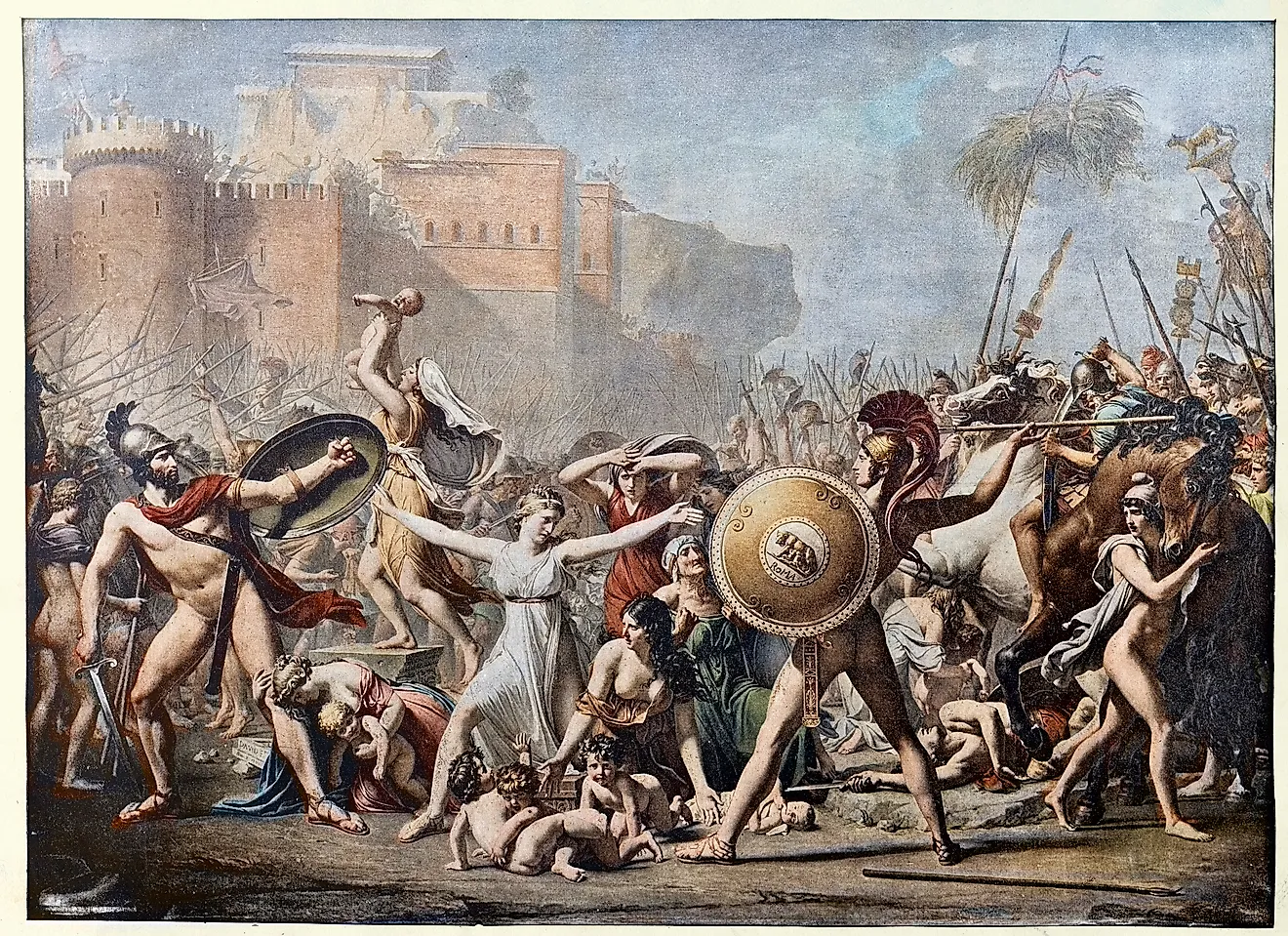
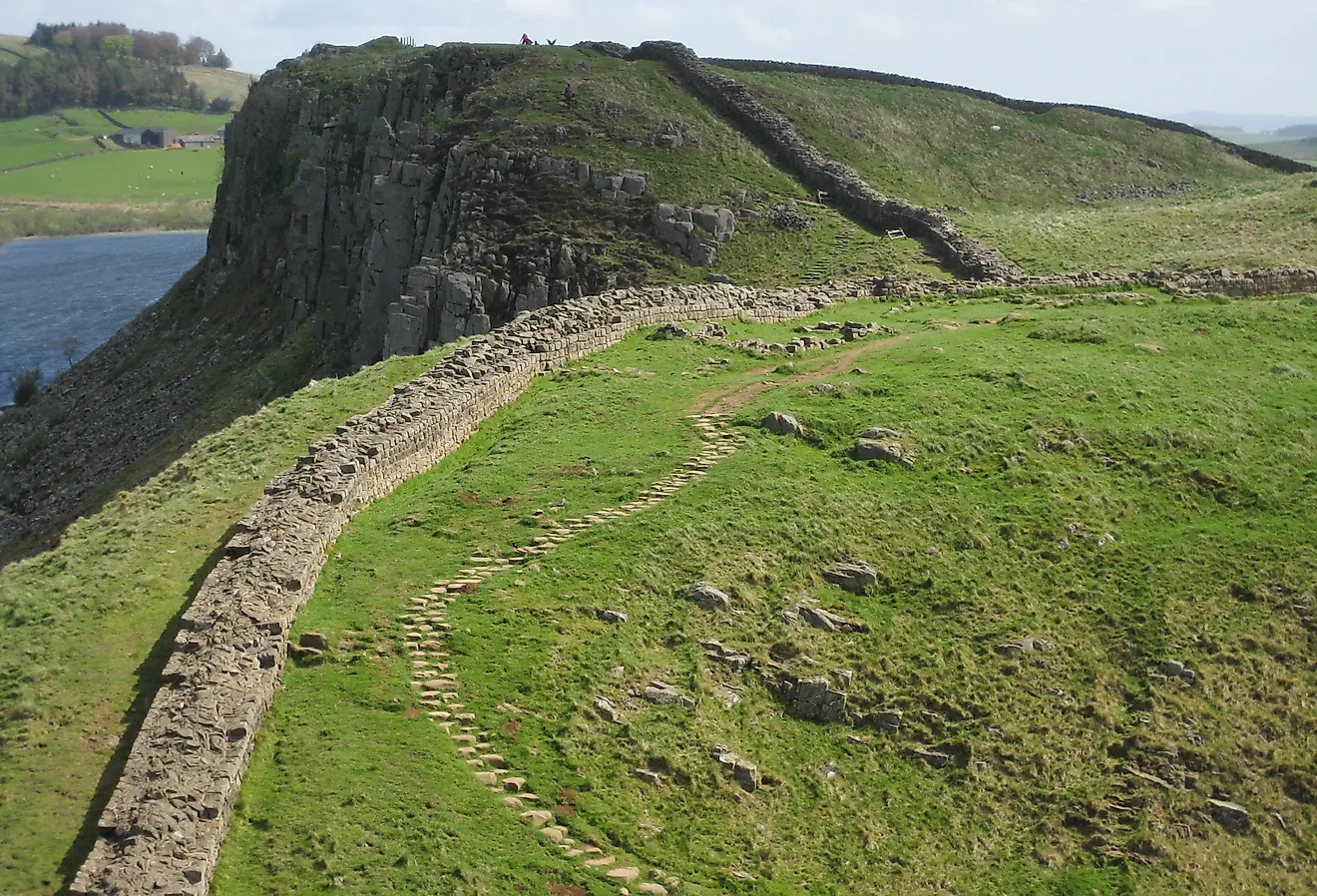
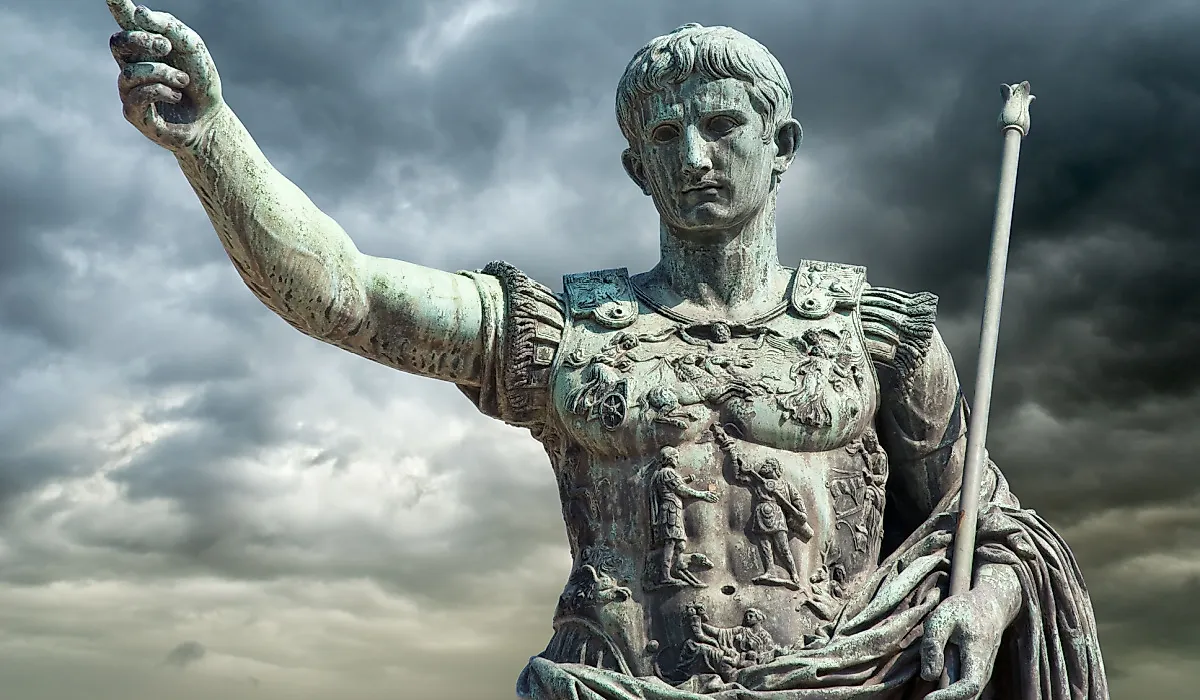
Roman military history is usually divided in two. The Republic (509 to 27 BCE) was the period of representative government and rapid expansion across the Mediterranean. The Empire (27 BCE to 476 CE in the west) was characterized by centralized one-man rule, beginning with Augustus after the assassination of Julius Caesar. At its peak in the early Empire, the Roman military comprised roughly 25 to 30 legions plus auxiliary units, totaling around 350,000 to 450,000 men under arms; estimates including all imperial forces in the late Empire run as high as 600,000. The military also built much of the empire's surviving physical infrastructure, including the road network, fortifications such as Hadrian's Wall, and the long-lived garrison camps that became cities. From the 3rd century onward, the army shifted from primarily border-stationed legions to mobile field armies designed to intercept invaders inside the frontier.

In its earliest years the Roman army was a citizen militia, drawn from property-owning men ranked by wealth, who supplied their own equipment and trained part-time. The Punic Wars against Carthage (264 to 146 BCE) forced Rome to develop a substantial navy, and the late Republic transformed the army into a professional, salaried force, paid and equipped by the state. That transition, sometimes called the Marian reforms, reshaped Mediterranean warfare with new tactical formations, professional engineering corps, and standardized logistics, and it produced the road and bridge networks that gave Rome its strategic mobility for centuries.
Early Han Empire, China (206 BCE - 9 CE) - 400,000

The Early or Western Han successor to the Qin maintained an active force of around 400,000, smaller than the peak Qin army but supported by a more durable bureaucracy and economy. The Han army was built around heavy infantry and cavalry, with chariots fading from frontline use as cavalry tactics matured. Mass-produced bronze trigger-lock crossbows, with components precise enough to be interchangeable across weapons, gave Han infantry a long-range edge against the cavalry of the steppe peoples north of the empire.
Han military power secured the empire's northern frontier against the Xiongnu confederation and pushed Chinese influence west into Central Asia. The campaigns of Emperor Wu (r. 141 to 87 BCE) opened the corridor that became the eastern end of the Silk Road, linking China to the trading networks of South and Western Asia. The agricultural and administrative base that made these armies possible also produced the long-distance commerce, the cultural diffusion, and the political consolidation of "Chinese" identity across a territory roughly the size of the modern country.
Achaemenid Persian Empire (6th-4th centuries BCE) - 300,000

The Achaemenid Persian Empire, centered in present-day Iran, stretched at its peak from the Balkans and Egypt in the west to the Indus Valley in the east, making it one of the largest empires of the ancient world. It was founded by Cyrus the Great in the 6th century BCE and consolidated under Cambyses II and Darius the Great. Greek sources, especially Herodotus, give field-army figures running into the millions for major campaigns, but modern historians treat those numbers as propaganda or hostile exaggeration and estimate the standing imperial military closer to 300,000.
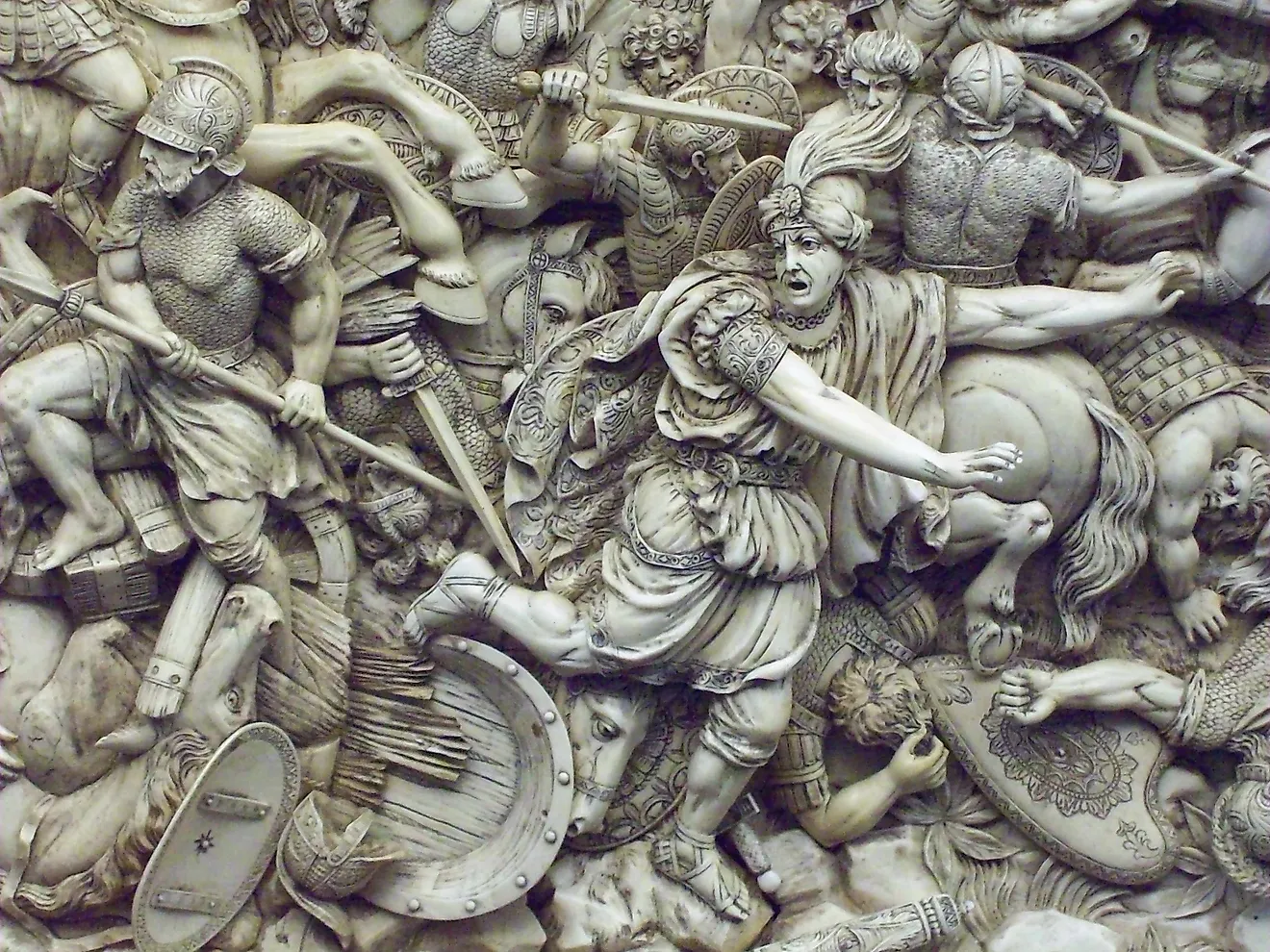
Achaemenid administration ran the empire through satrapies (provincial governorships) connected by a royal road system and a courier service that became famous in classical accounts. The military fielded a permanent elite unit known as the Immortals, traditionally said to number 10,000 and to be kept at exact strength by immediate replacement of casualties. Persian battle tactics combined infantry, archers, and cavalry in coordinated formations, an approach modern commentators sometimes describe as a forerunner of combined-arms doctrine. The empire's eventual undoing came at the hands of Alexander the Great, whose campaigns from 334 to 323 BCE conquered the Persian heartland and ended Achaemenid rule with the death of Darius III in 330 BCE.
What ties these armies together is that, in every case, the army's scale tracked the administrative and economic complexity of the state behind it. Qin standardization shaped Chinese government for two millennia. The Mauryan war machine produced India's first subcontinental empire and, in the aftermath of Kalinga, the conditions for Buddhism to spread far beyond it. Rome's transition from citizen militia to professional army produced the institutions, the roads, and the cities that became the bones of Western Europe. The Han army secured a frontier and opened the trade corridor that linked China to the rest of Eurasia. The Achaemenid Persians built the administrative model that Alexander, the Romans, and later Islamic empires would all draw on. These were not just military forces. They were the visible edge of states that had learned how to extract and direct resources at unprecedented scale.