Why Roman Military Strategy Was So Effective
The Roman Empire was one of the largest and most powerful in world history. What made it so formidable? Cultural influence kept Rome present in popular memory, but the root of its hard power was the military. Without it, Rome could not have expanded into a multi-continent empire that stretched from Britain to Iraq. The strategy that built and held that empire rested on three traits: flexibility, endurance, and adaptability.
Flexibility

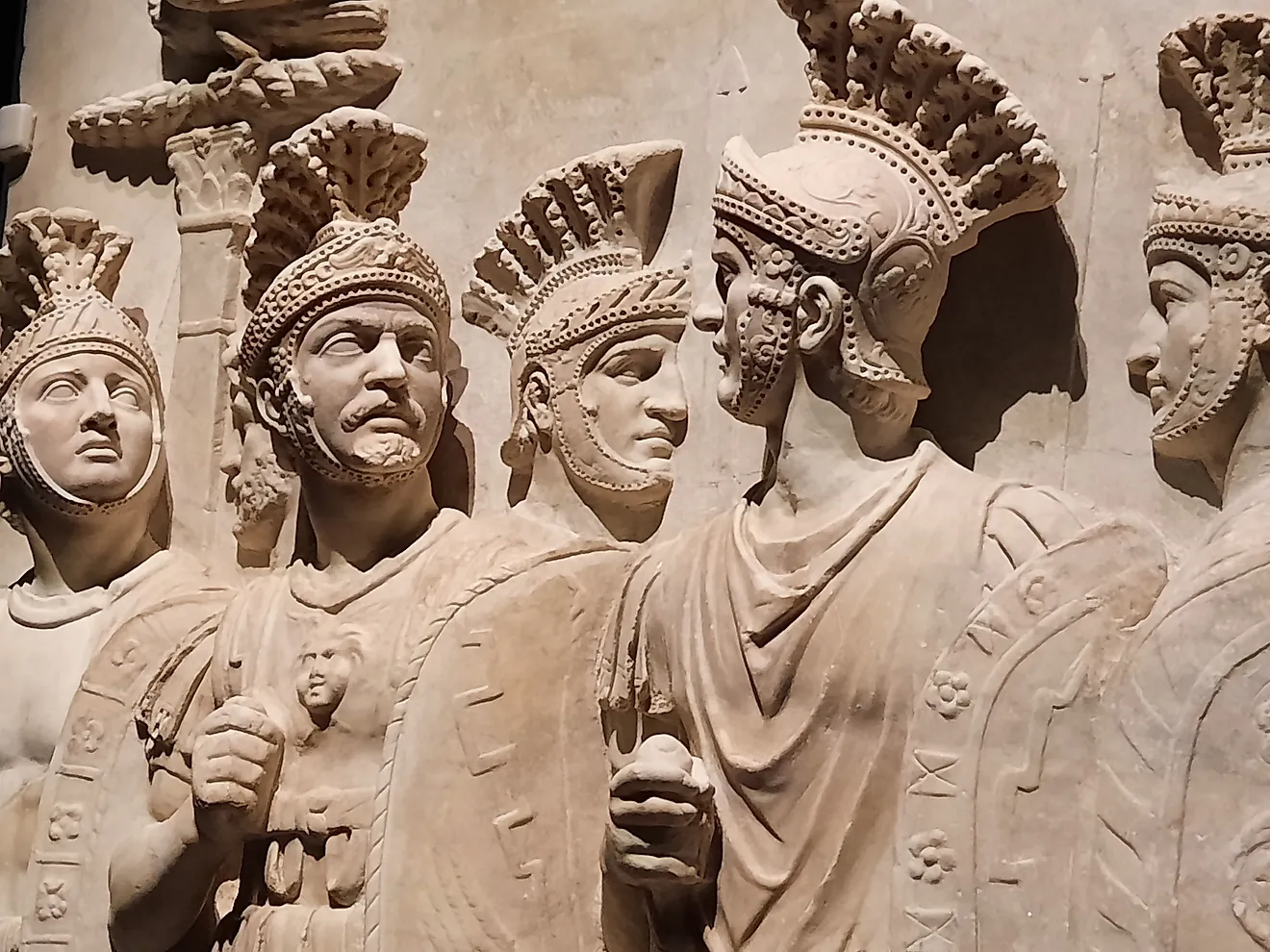
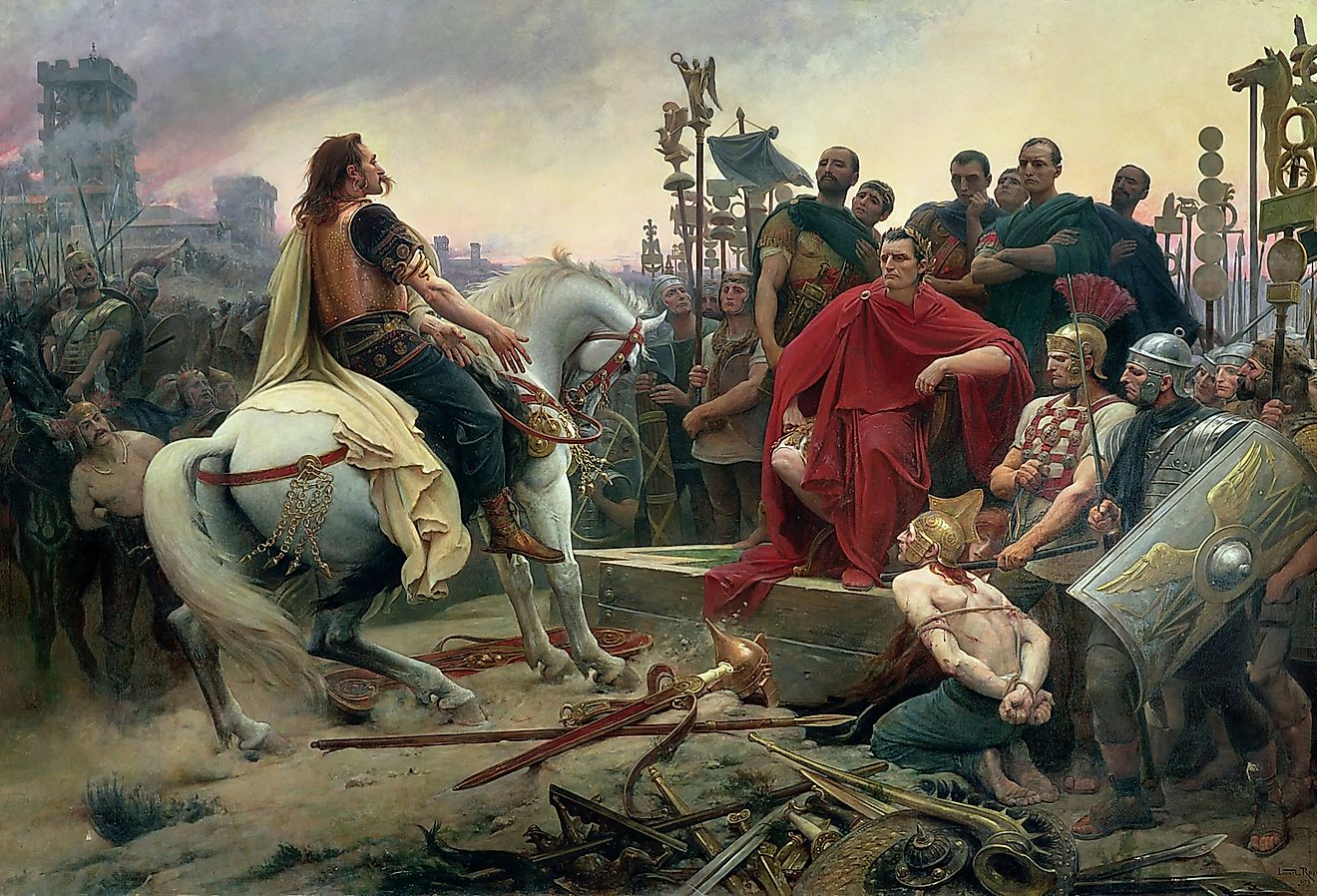
A core component of Roman military strategy during the Republic period (509 to 27 BCE) was its flexibility, exemplified in the legion system. A legion was the main unit of the Roman army, usually composed of 4,000 to 6,000 men trained to fight as a single coordinated force. Legions also operated independently from one another, so if one was pushed back, another could push forward and maintain pressure while drawing on the tactical knowledge gained by the first. This flexibility proved crucial in several Republican campaigns, most notably Julius Caesar's conquest of Gaul from 58 to 50 BCE.

Flexibility also showed up in Rome's willingness to adopt unfamiliar tactics. During the Second Punic War (218 to 201 BCE), Rome faced an overwhelming opponent in Carthage. Its general, Hannibal, famously crossed the Alps with elephants, surprised the Romans, and took much of Italy. Rome responded by disrupting Carthage's foraging parties and attacking its supply lines, an early use of guerrilla warfare that helped the Romans recapture Italy and push Hannibal back.
Endurance

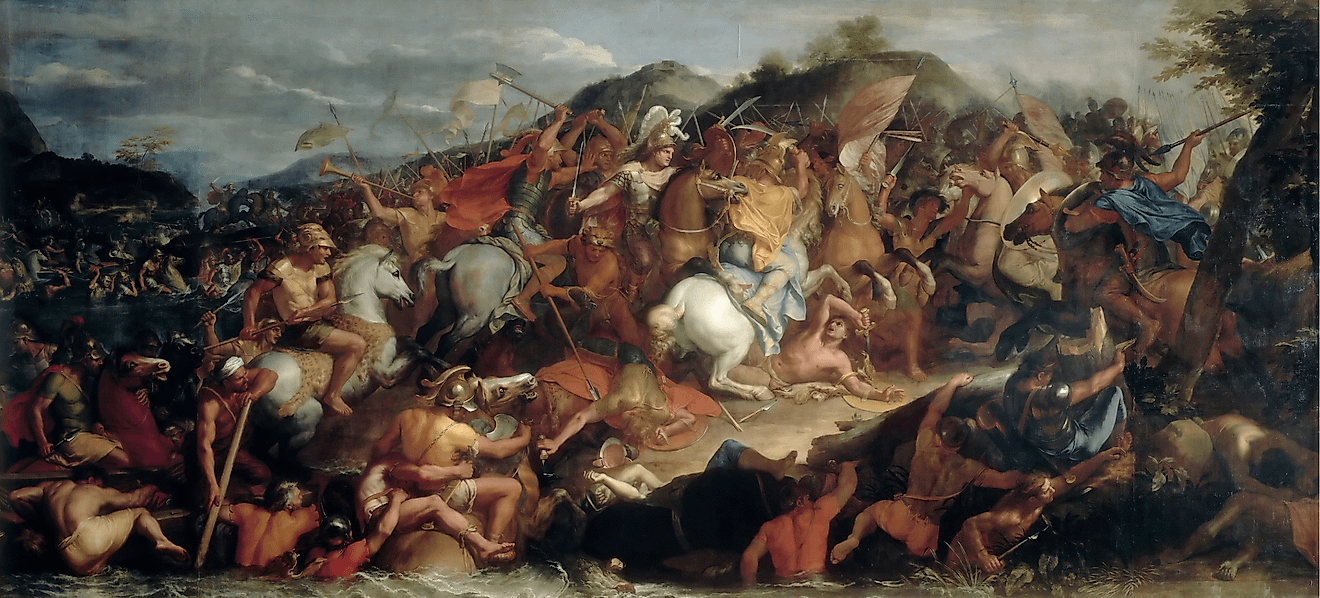
The other reason Rome's military was so effective was its endurance. Alexander the Great famously never lost a battle, but the Romans lost military engagements all the time. What set Rome apart was the ability to keep individual losses from spiraling into total defeat. The Second Punic War is again the clearest example. Despite enormous early losses, the Romans were never completely beaten, thanks largely to the Fabian Strategy. Named after the Roman dictator Quintus Fabius Maximus, who was appointed after Rome's disaster at Lake Trasimene in 217 BCE, the strategy avoided major head-on battles with Hannibal's army and instead relied on attrition: harassing supply lines, attacking foraging parties, and keeping Roman forces in hilly terrain where Hannibal's cavalry was useless. Many Romans hated it as cowardly, and Fabius's replacement led the army to catastrophic defeat at Cannae in 216 BCE. The strategy nevertheless gave Rome time to regroup, raise new armies, and fight Carthage in other theatres such as Spain. The Roman army at this point was still made up of citizens, giving Rome a deep manpower pool to draw on.

Endurance was just as important on offence. Roman society was structured around military success: winning wars brought prestige, land, and money. Generals like Gaius Marius and Julius Caesar had immense popular support thanks to victories in conflicts like the Jugurthine War and the Gallic Wars. The result was a culture of relentless persistence and territorial expansion. To support that culture, the army built infrastructure on a scale no rival could match. Roads were laid, fortified camps were established, and supply lines were maintained, allowing Roman armies to fight long, drawn-out campaigns that few enemies could outlast.
Adaptability

The third reason for Roman military success was adaptability. Rather than running the same playbook in every conflict, the army incorporated new strategies for new situations. During the First Punic War (264 to 241 BCE), Rome built a navy from scratch to fight Carthage's superior sea power. In the Second Punic War, it shifted to the guerrilla tactics described above to drive Hannibal out of Italy.

Strategy shifted again once Rome moved from a republic to an empire in 27 BCE. The change reflected Rome's much larger size and greater defensive responsibilities. The army moved from a citizen militia to a professional standing force. Walls, watchtowers, and forts went up along the borders, including the famous Hadrian's Wall in northern England. Infrastructure projects, which had already begun during the Republic, expanded greatly under the Empire. New roads ensured that supplies reached every corner of Rome's territory and that troops could arrive quickly to suppress a rebellion or repel an invasion.
Impact And Legacy
Roman military strategy was effective for three connected reasons. The legion system gave the army flexibility, allowing it to fight different enemies on different terrain. Roman society and Roman manpower together gave the army the stamina to absorb early losses and outlast its rivals, as it did against Hannibal. And Roman commanders adapted, as shown in the Punic Wars, when Rome built a navy to match Carthage at sea and used guerrilla tactics on land to push Hannibal out of Italy. The same adaptability carried into the Empire, where strategy turned defensive to hold the borders of a state that now stretched from Britain to Iraq.