What Happened To Egypt After Alexander The Great Died?
Alexander the Great spent less than a decade in Egypt, but the cultural shift he triggered there lasted close to three hundred years. After he died in 323 BCE, his generals carved up the empire he left behind. One of them, Ptolemy, took Egypt and founded a dynasty that turned Alexandria into the intellectual capital of the Greek world. By the time Rome annexed the country, Greek influence had soaked into Egyptian life so thoroughly that it survived the political collapse.
Alexander Dies

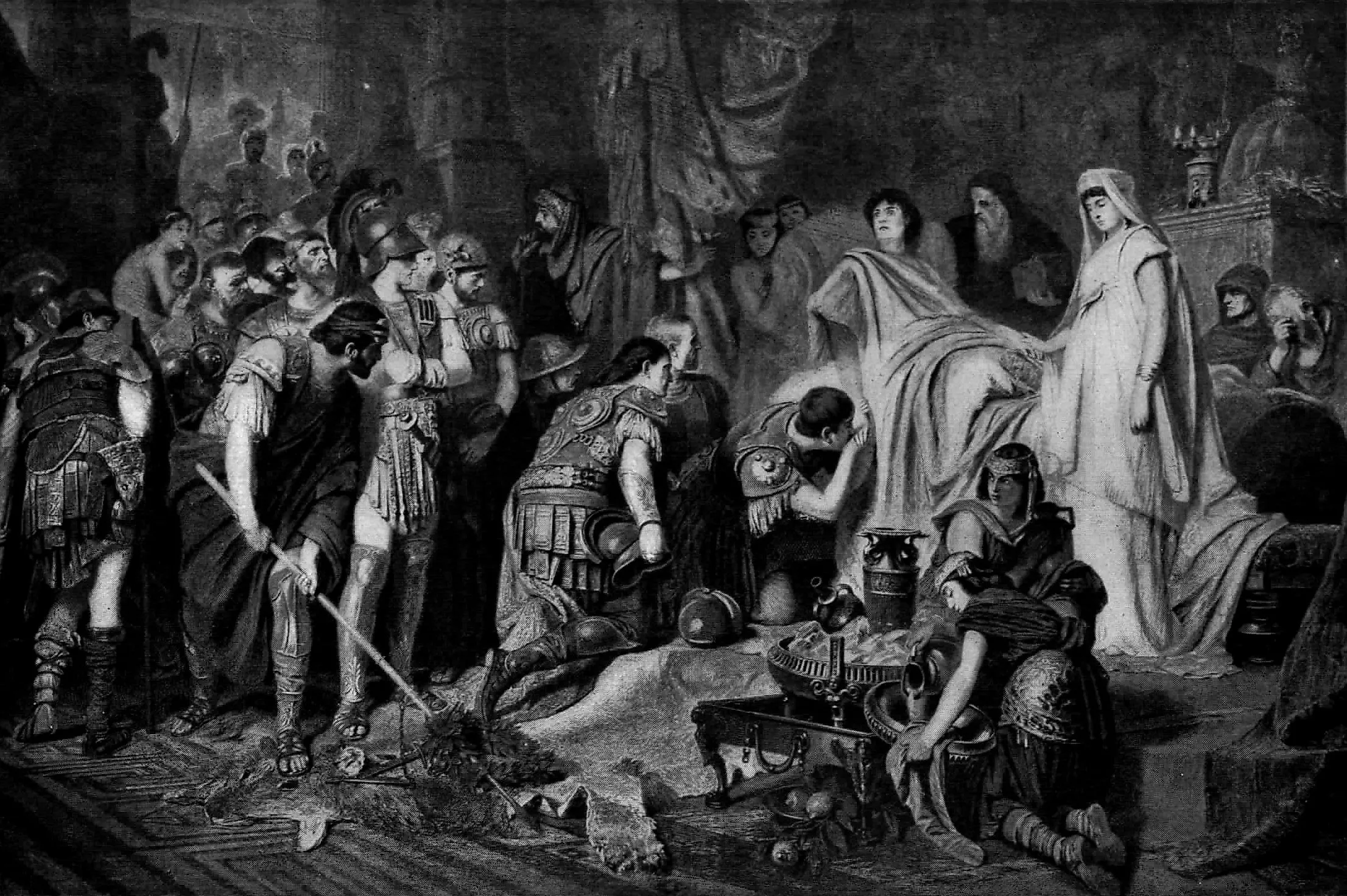
Alexander died in Babylon in 323 BCE, leaving no obvious heir. His half-brother Philip III had a developmental disability, and his son Alexander IV was unborn. His generals, the Diadochi, came up with a power-sharing arrangement that gave each of them control over a piece of the empire. The arrangement collapsed almost immediately as they began fighting one another to expand their territory.
The Wars Of Succession

Ptolemy I Soter took Egypt. To secure it, he built up the army and fortified the entry points into the region. Then, in 322 or 321 BCE, he intercepted the funeral procession carrying Alexander's body back to Macedonia and rerouted it to Alexandria. The move was effective propaganda. It positioned Ptolemy as Alexander's legitimate successor in the eyes of both Egyptians and Greeks. When another general, Perdiccas, invaded Egypt in response, his own troops killed him after the campaign failed.

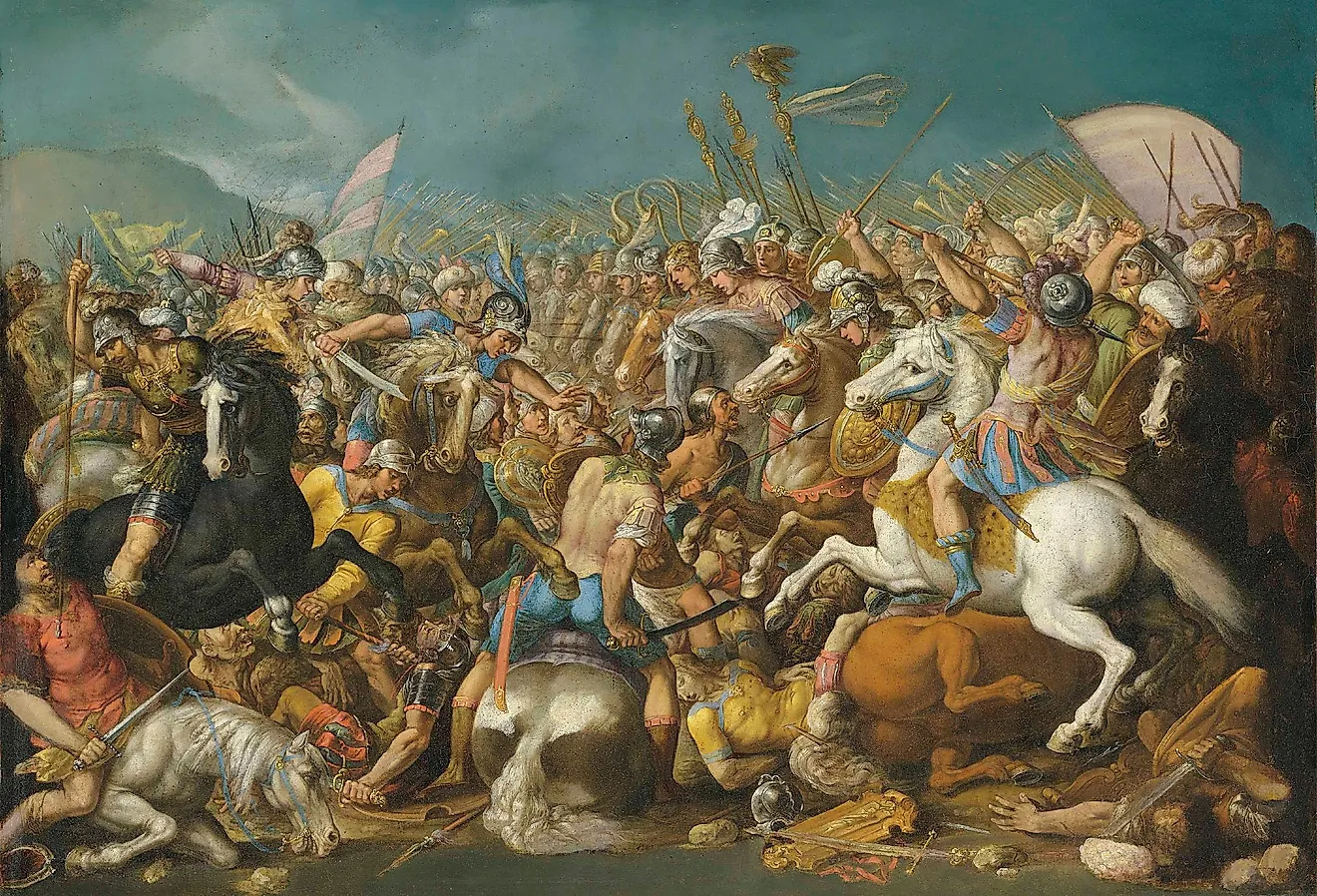
For the next fifteen years, while the other generals fought to control the rest of the empire, Ptolemy played the long game. He occasionally went on the offensive to seize places like Cyprus and parts of eastern Syria, but he stayed opportunistic and avoided the kind of decisive defeat that ended other claimants. By 305 BCE, any pretense of unity was gone. Alexander's empire fractured into three main successor kingdoms. Persia went to the Seleucids, Greece and Macedonia to the Antigonids, and Egypt to the Ptolemies.
Ptolemaic Egypt

Once the kingdom was independent, Ptolemy declared himself king and pharaoh. The pharaoh title gave him legitimacy with the Egyptian population. Pharaohs were treated as both political rulers and living gods, which granted absolute authority. Later Ptolemies often married their siblings to keep the royal and divine bloodline intact, though Ptolemy I himself did not. The government was an absolute hereditary monarchy.
A Two-Tiered Society

For all the Egyptian trappings, Ptolemaic society was run by Greeks. The royal family was Greek, as were most senior officials. The Library of Alexandria became the intellectual center of the Greek world, housing thousands of works by writers like Homer, Callimachus, and Apollonius. Famous scholars worked there, including Euclid, whose Elements systematized geometry, and Eratosthenes, who calculated the circumference of the Earth.

The Egyptian majority worked as farmers, priests, and laborers, and they paid heavier taxes on grain, labor, and other goods. Many revolted. The largest uprising began under Ptolemy IV, when an Egyptian-born pharaoh named Horwennefer broke off the southern half of the country and ruled it independently for years. Egyptians retained control of religion throughout the period, which kept that core part of their culture intact.
Decline And Roman Takeover

The Ptolemaic dynasty grew unstable over time. Infighting, civil wars, and assassination attempts ran together. Over-taxation stagnated growth, and the Egyptian revolts kept biting into the economy. Military defeats added to the pressure. The Syrian Wars against the Seleucid dynasty cost Egypt most of its control over Syria, though the kingdom survived them.
Roman influence grew alongside this decline. Egyptian leaders had been leaning on Roman aid for decades, and the alliance hardened when Cleopatra VII sided with Julius Caesar during the civil war that ended the Roman Republic. Cleopatra tied the dynasty's survival directly to Caesar's victory. If he had lost, Rome would likely have annexed Egypt then. Caesar won and declared himself dictator of Rome for life.

After Caesar's assassination in 44 BCE, another Roman civil war broke out. Cleopatra allied with Mark Antony, Caesar's former general, and the two also became romantically involved (Cleopatra had previously had a relationship with Caesar). Antony and Cleopatra were defeated by Octavian at the Battle of Actium in 31 BCE. They fled back to Egypt and committed suicide there in 30 BCE. Rome annexed Egypt soon after, ending the Ptolemaic dynasty.
Impact And Legacy
The Greek imprint outlasted the dynasty. Alexandria stayed a major center of learning, Greek remained the working language of Egyptian administration well into Roman rule, and the cultural blend the Ptolemies set in motion persisted long after their political collapse. The taxation pressure and dynastic infighting that brought the kingdom down left Egypt vulnerable when Rome arrived, but what Rome inherited was three centuries of Greek-Egyptian fusion the conquest itself could not undo.