How Ancient Greece Influenced The Roman Empire
Rome and Ancient Greece are often associated with one another, and for good reason. While Rome certainly had its own identity, many core aspects of its civilization were taken directly from, or at least heavily inspired by, Greece. Roman gods often had Greek equivalents, and Greek philosophers were instrumental in Roman education. Roman architecture also borrowed extensively from Greece. Last but not least, both the Athenian and Spartan political systems influenced Rome.
Religion

Perhaps the most direct influence Greece had on Rome was in religion. Many Roman gods were later identified with their Greek counterparts as Roman mythology borrowed heavily from Greek traditions. However, major Roman gods such as Jupiter, Mars, Neptune, and Minerva were not simply Greek gods with Roman names. They indeed held their own Roman or Italic identities, which increasingly blended with Greek mythology over time. Classic Greek mythology about the Trojan War, Hercules, and Jason and the Argonauts provided context for religious figures and were sometimes used to strengthen political legitimacy. For instance, Julius Caesar’s family claimed lineage with Venus (the Roman equivalent of Aphrodite) through the Trojan hero Aeneas. Finally, Roman religious practices were influenced by Greek traditions, and religious sites like the Oracle of Delphi and Olympia inspired similar awe amongst both Greeks and Romans.
Education

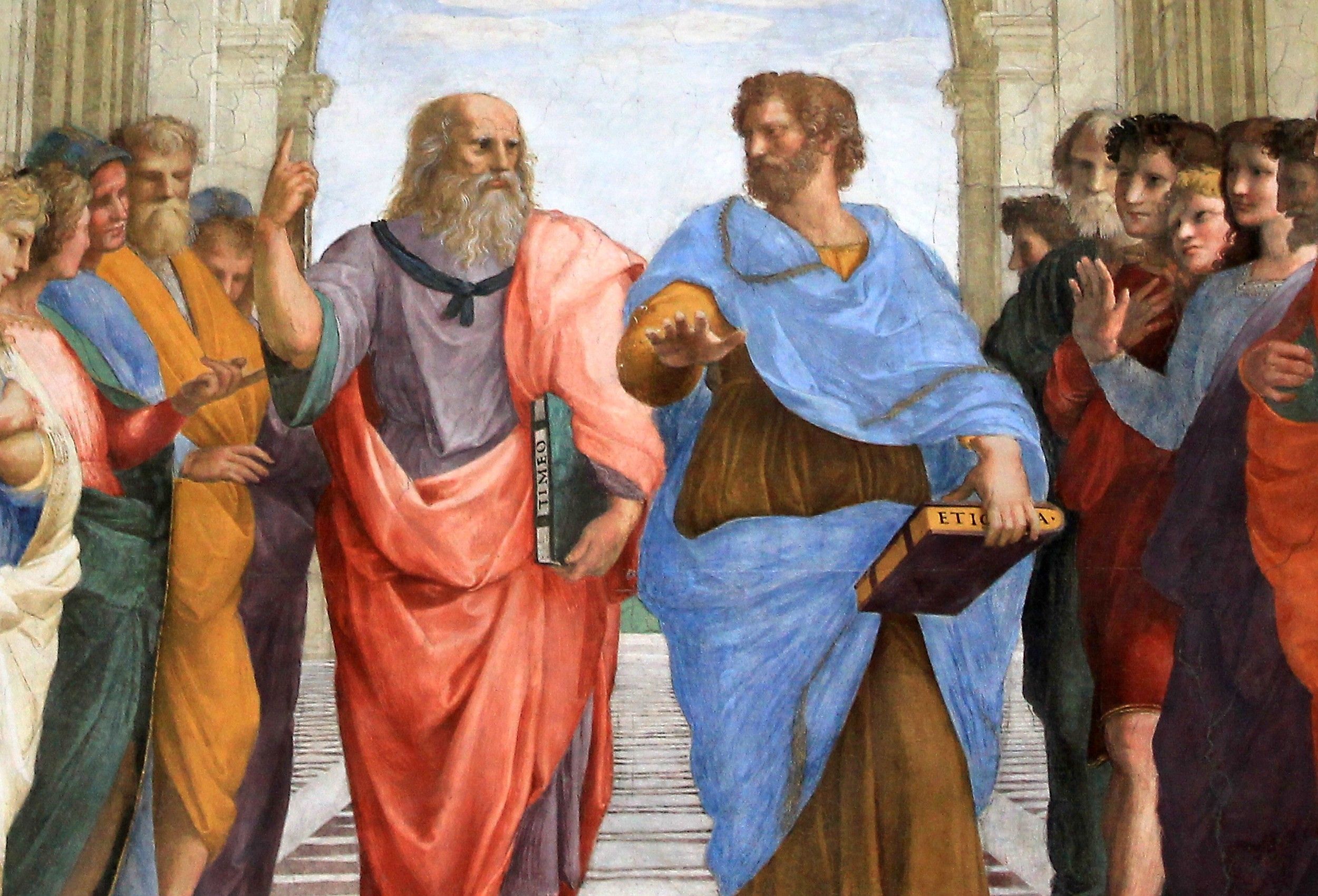
Roman education was also heavily influenced by Greek culture. The Greeks influenced Roman understandings of science and math through scholars such as Hippocrates and Pythagoras. The ideas associated with Socrates, especially as presented by writers such as Plato and Xenophon, were studied alongside those of Aristotle. Greek rhetorical techniques were also significantly practiced in the political sphere. This could be most clearly seen with the statesman Cicero (106 to 43 BCE). One of history's most famous orators, he was renowned for his mastery of Greek rhetoric. In the face of growing authoritarianism in the Roman Republic, his speeches embodied respect for its institutions and the rule of law. Cicero's opposition to powerful figures cast him as a dangerous political player. After the formation of the Second Triumvirate, he was proscribed and killed in 43 BCE, with Mark Antony playing the leading role in ordering his death.
Architecture

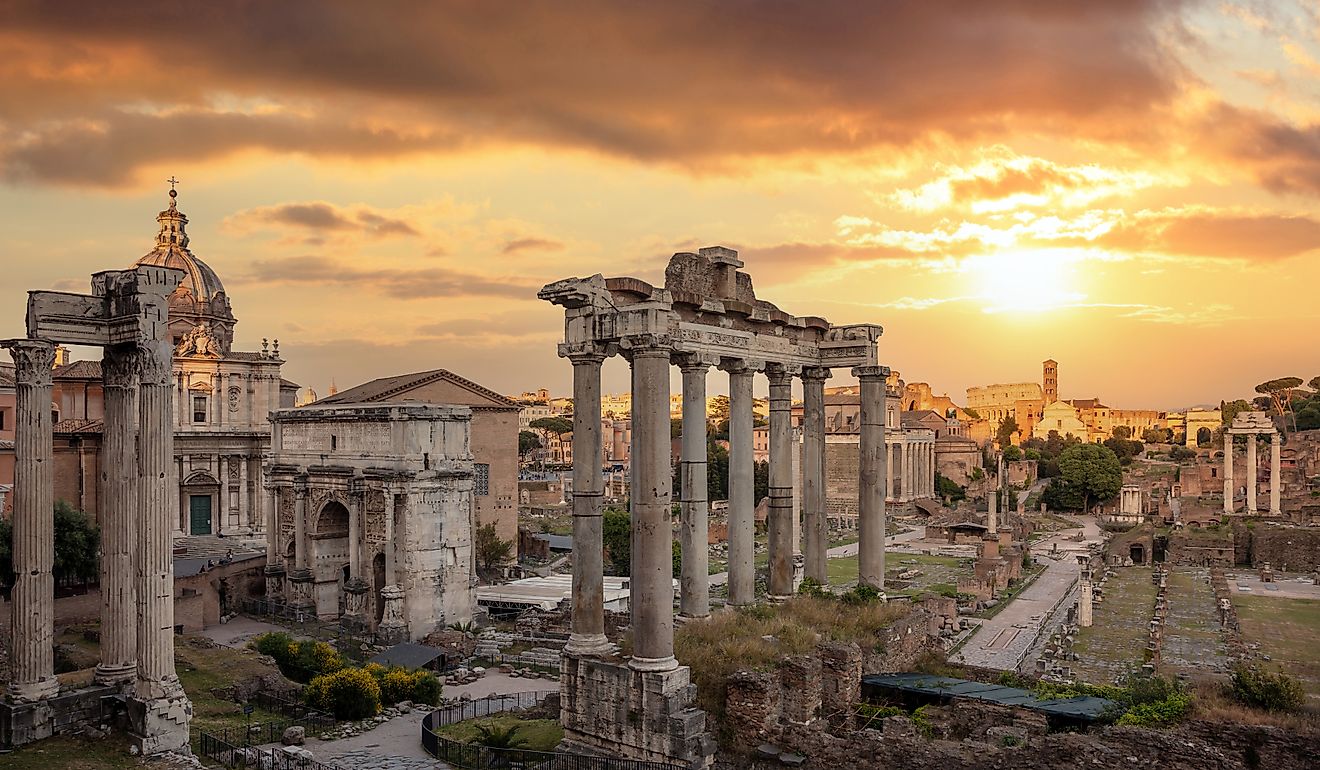
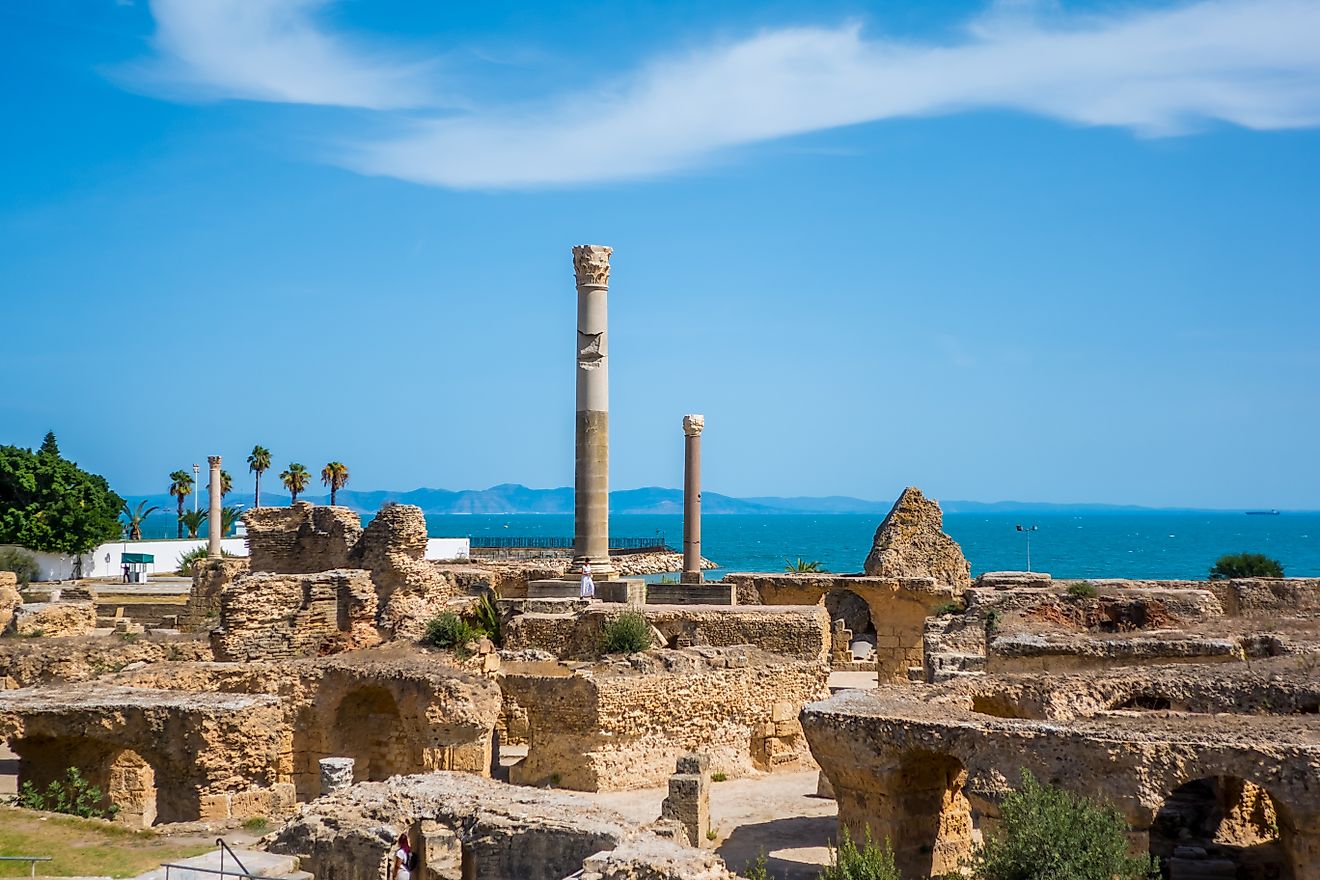
Early Roman architecture was heavily shaped by the Etruscans, a civilization in central Italy that influenced Rome's early building techniques and urban development. Simple and practical, the buildings were often made of mud, wood, or stone. This changed as Greeks migrated to Italy and Rome began conquering Greece. One of the most obvious Greek influences could be seen in the use of three-column styles called orders. Doric order columns were simple and sturdy. Ionic order columns were more elegant and extravagant. Finally, Corinthian order columns were highly decorated and the most popular style in Rome.
Greek architectural principles and ideals, which emphasized symmetry, balance, and mathematical proportion, were also adopted by the Romans. This could be seen in Roman religious temples, which closely resembled those in Greece, albeit with a grander front entrance (Greek temples were usually designed to be viewed from all sides). Importantly, not all aspects of Roman architecture were taken from the Greeks. The Colosseum was at a scale unmatched by anything in Greece, and Rome's aqueduct networks exhibited a scale and level of organization that far surpassed earlier Greek examples. Regardless, there was still a strong Greek influence in many Roman architectural practices.
Politics

In 509 BCE, Republican Rome emerged, with institutions based around power-sharing, checks and balances, and light democratic representation. While it developed relatively independently, the system increasingly drew on Greek influence over the centuries. Athens in particular shaped its political culture, and Athenian citizens directly participated in democracy through assemblies, voting, and debate. Rome, however, was never a full democracy. Its political system developed as what could be described as a mixed republic, combining popular assemblies and elected magistrates with an elite-dominated Senate. Popular assemblies elected consuls (the highest-ranking officials), and it was considered both a public service and a civic duty to participate in governance. Therefore, while Greek political ideas generally influenced Romans, they did not simply replicate Athenian democratic practices.
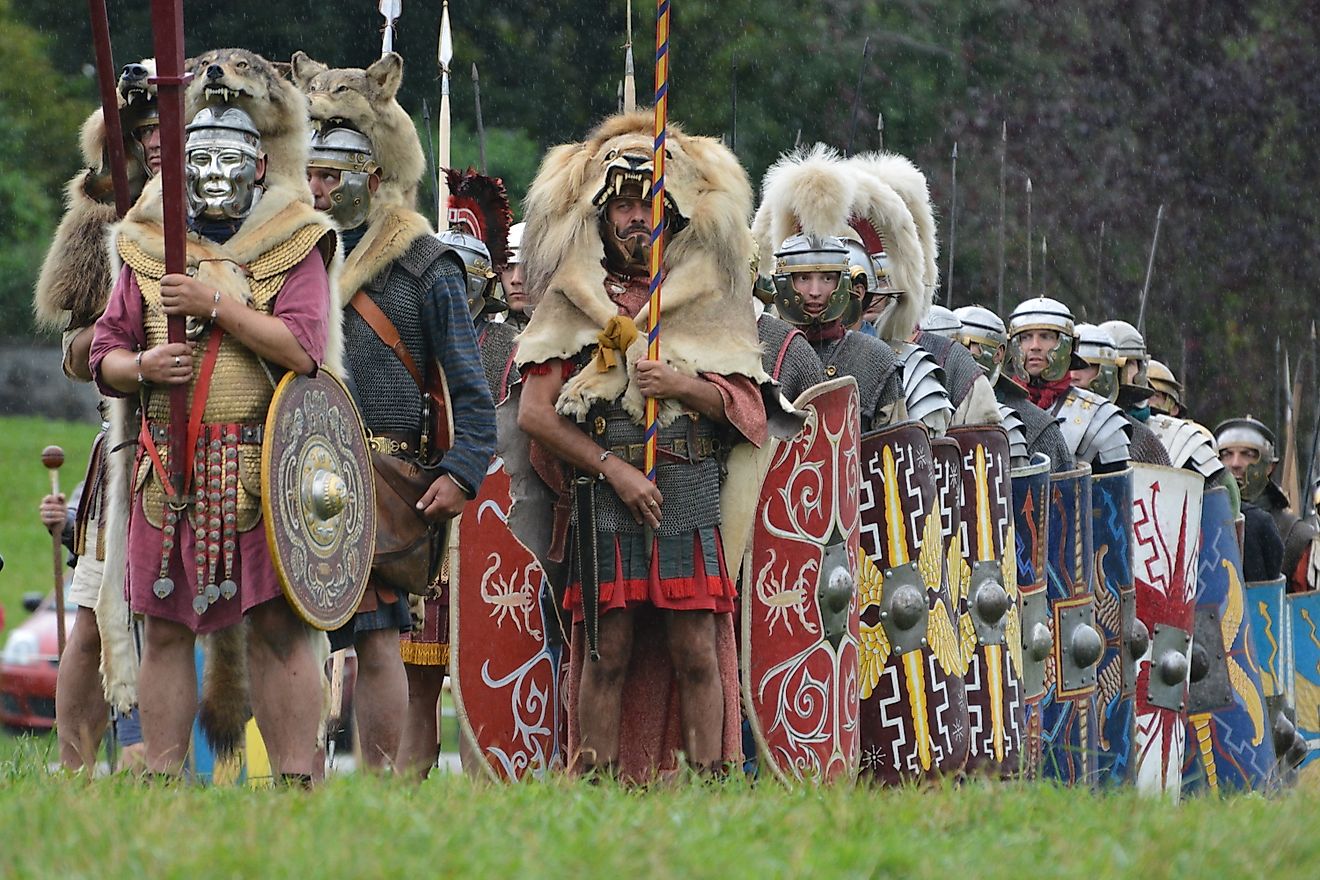
Sparta’s militarism and discipline also influenced Rome. Roman elites admired the city-state and sought to shape their own society's values in its image. Roman society was thus heavily militaristic, with military service required of men seeking to enter politics during the Republican era. Military veterans also received money and land grants after their service, making it a primary vehicle of social mobility.
Culture

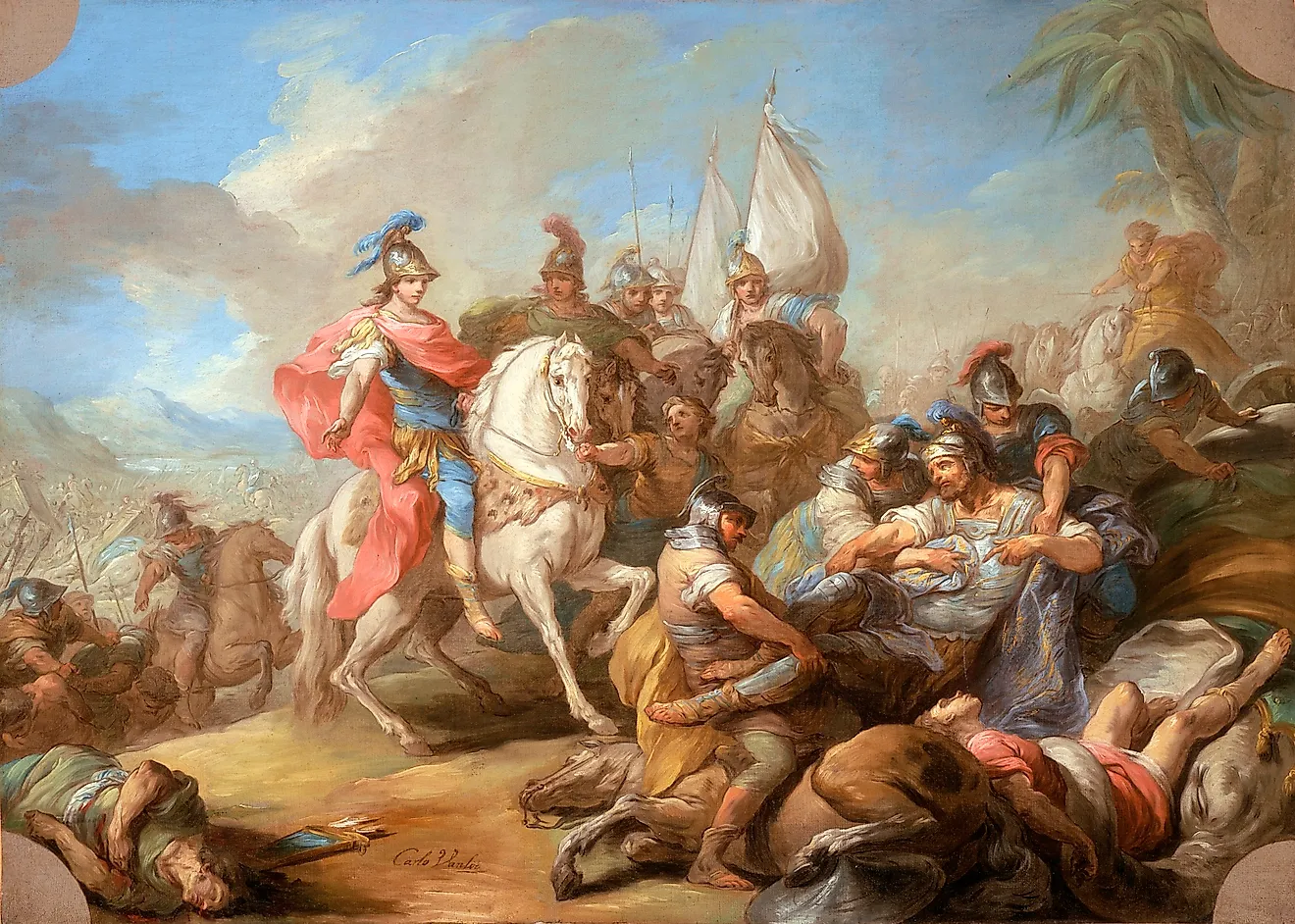
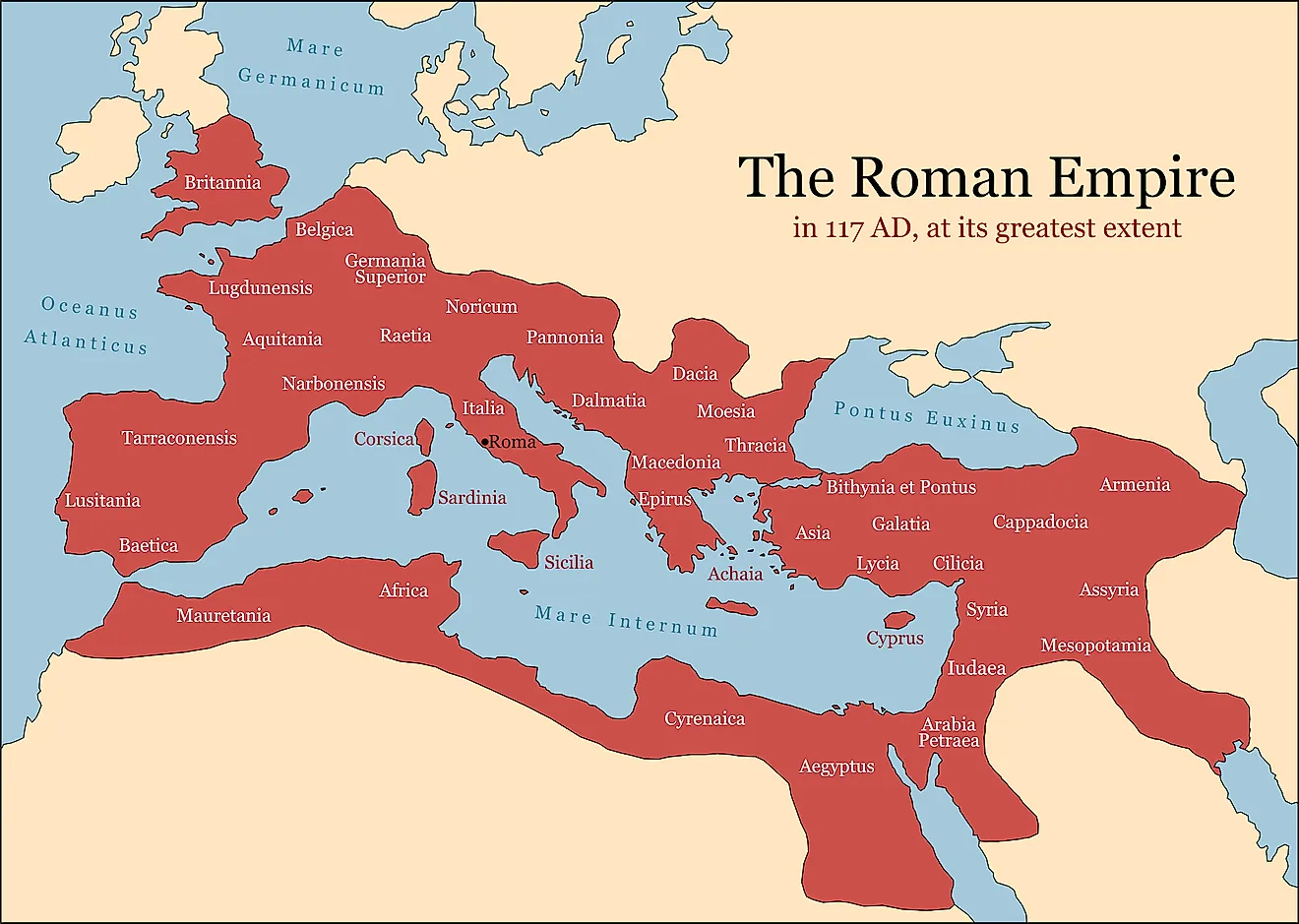
Greece had a profound cultural impact on Rome, as seen in its religion, education, and architecture. However, perhaps the largest, and arguably most problematic, influence was a distinct sense of Greek identity in the Eastern Mediterranean. This was mostly attributable to Alexander the Great. During his reign and conquests between 336 and 323 BCE, Alexander the Great built an empire that ruled over a vast array of peoples with diverse traditions and histories. After Alexander’s conquests, Koine Greek became a major language of communication, administration, and culture across the Hellenistic world. He also founded cities, most famously Alexandria in Egypt, that became cosmopolitan centers of Greek influence. When the Romans conquered much of Alexander’s former empire centuries later, they never really replaced this Greek identity. Many also saw themselves as Roman but felt disconnected from the Latin influence in Western Rome. This cultural divide shaped and later informed the long-term distinction between the Greek-speaking eastern Mediterranean and the more Latin-influenced western empire. The formal division of the Roman Empire occurred in 395 BCE, following the death of Theodosius I.
Impact and Legacy
Greece influenced Rome in seemingly countless ways. Many Roman gods and religious practices had direct Greek counterparts. Roman education and architecture had an acute Greek flavor. Athens and Sparta were also key inspirations for Rome’s political system and culture. Last but not least, the legacy of Alexander the Great’s imposition of a Greek cultural identity in the Mediterranean had profound implications for the Roman Empire.