The State Parks With The Most Venomous Snakes
Venomous snakes occur in state parks across much of the United States, but especially in its southern regions from the deserts of Arizona to the wetlands of Florida and the lush forests of the Deep South. Rattlesnakes, copperheads, and cottonmouths are among the species you may encounter most, with some parks supporting multiple venomous species within relatively small areas.
Habitat plays a major role in their distribution, as craggy slopes, wetlands, woodlands, grassy prairies, and desert washes all provide suitable conditions for different snakes. Knowing that, we will highlight the state parks where these cold-blooded predators are unusually relevant to the local ecosystem, focusing on prominent species, the spaces they occupy, and the characteristics that make each spot stand out.
Brazos Bend State Park, Texas

Brazos Bend State Park sits in the coastal prairie and wetlands just southwest of Houston, creating habitat for several species of venomous snakes. The park is notable for its population of northern cottonmouths, which are closely associated with its ponds, lakes, sloughs, and creeks. Copperheads also occur in the surrounding region, while western diamondback rattlesnakes range across most of the state, though they thin out in the wettest eastern counties near the Gulf Coast.

Texas as a whole has more types of snakes than any other state, with about 105 species and subspecies. But only 15 are considered potentially dangerous to humans, many of which are concentrated in and around Brazos Bend. Locally, these slithery critters also share the landscape with American alligators, which are similarly common around the park's wetlands.
With that in mind, you should stay on established trails, avoid tall vegetation and areas around fallen logs, and never approach or attempt to handle a snake. To learn more, the park regularly hosts programs focused specifically on resident reptiles, reflecting their importance to the region's natural health.
Lake Kissimmee State Park, Florida

Lake Kissimmee State Park protects more than 5,900 acres of pine flatwoods, floodplain forest, marshes, and wet prairie in central Florida, providing habitat for a number of venomous snake populations.

Eastern diamondback rattlesnakes, the largest rattlesnake species in North America, appear in local dry upland habitats, while cottonmouths are more closely associated with the park's wetlands and waterways. Pygmy rattlesnakes, including the dusky pygmy subspecies, can also show up in Florida's varied water-based habitats, including this one.
The park's extensive network of relatively undeveloped terrain creates particularly favorable conditions for all sorts of other reptiles, with gators, turtles, and lizards frequently spotted here, too. Lake Kissimmee State Park is also known for its large population of wading birds, white-tailed deer, and wild turkeys.
Myakka River State Park, Florida

Myakka River State Park watches over a sizable 37,000 acres of wetlands, pine forests, hammocks, and prairies, making it another significant habitat for Florida's venomous serpents. Like Lake Kissimmee less than a hundred miles away, eastern diamondback rattlesnakes occur in the park's drier, hillier areas, while eastern indigo snakes, though nonvenomous, also inhabit the region and are notable predators of other snakes.
Florida cottonmouths are notably spotted in large numbers near the Myakka River itself, as well as adjacent marshes, ponds, and wet habitats. On the other hand, dusky pygmy rattlesnakes can occupy a range of higher elevation environments, including grasslands and wooded areas.

This state park's big swathes of true wilderness mean snakes can be encountered away from heavily used visitor areas, namely along less-traveled trails and around untouched river banks. If you do find yourself in such a place, similarly keep an eye out for Myakka River's American alligators, white-tailed deer, wild turkeys, and numerous other bird species.
But as usual, try to stay on designated trails, avoid reaching into vegetation or crevices, and give any snake you may see a wide berth, as most encounters end without incident when the animal is left undisturbed.
Lake Ouachita State Park, Arkansas

Lake Ouachita State Park is a huge preserve along the eastern shore of Lake Ouachita, with the body of water alone covering over 40,000 acres. Also sitting within the notoriously snake-filled Ouachita Mountains, several kinds of venomous snakes call the park home.

Timber rattlesnakes are the most significant species in the area and inhabit exposed slopes, forest edges, and wooded hillsides. Northern cottonmouths are more linked with the lake's coves, connected streams, and other wet habitats, while copperheads are quite widespread across Arkansas in general and can appear in nearby wooded areas and around developed sites. Speaking of, the surrounding Ouachita National Forest provides additional habitat for these species, which often travel in and out of each preserve.
Anyone walking the park's trails ought to watch where they step, particularly around rocks, logs, and dense vegetation either near the lakes or on its flanking ridges.
Dale Hollow Lake State Resort Park, Kentucky

Dale Hollow Lake State Resort Park sits along a large reservoir on the Tennessee-Kentucky border, where forested hills and a web of waterways have proven to be favorable for snakes of several kinds. Timber rattlesnakes commonly appear in the surrounding Cumberland Plateau and Highland Rim regions, preferring exposed, bouldery slopes and forested terrain. Northern copperheads are more widespread and can occupy other wooded areas, lake shores, and the edges of trails.

Dale Hollow Lake covers approximately 27,700 acres and has more than 620 miles of shore, creating a huge amount of living space for a plethora of hardy flora and fauna alongside its hardy reptiles and amphibians. For the best experience, be sure to also explore the entirety of the nearby area, which is dominated by oak, hickory, and other hardwoods, where numerous coves and steep slopes connect to the lake.
Lost Dutchman State Park, Arizona

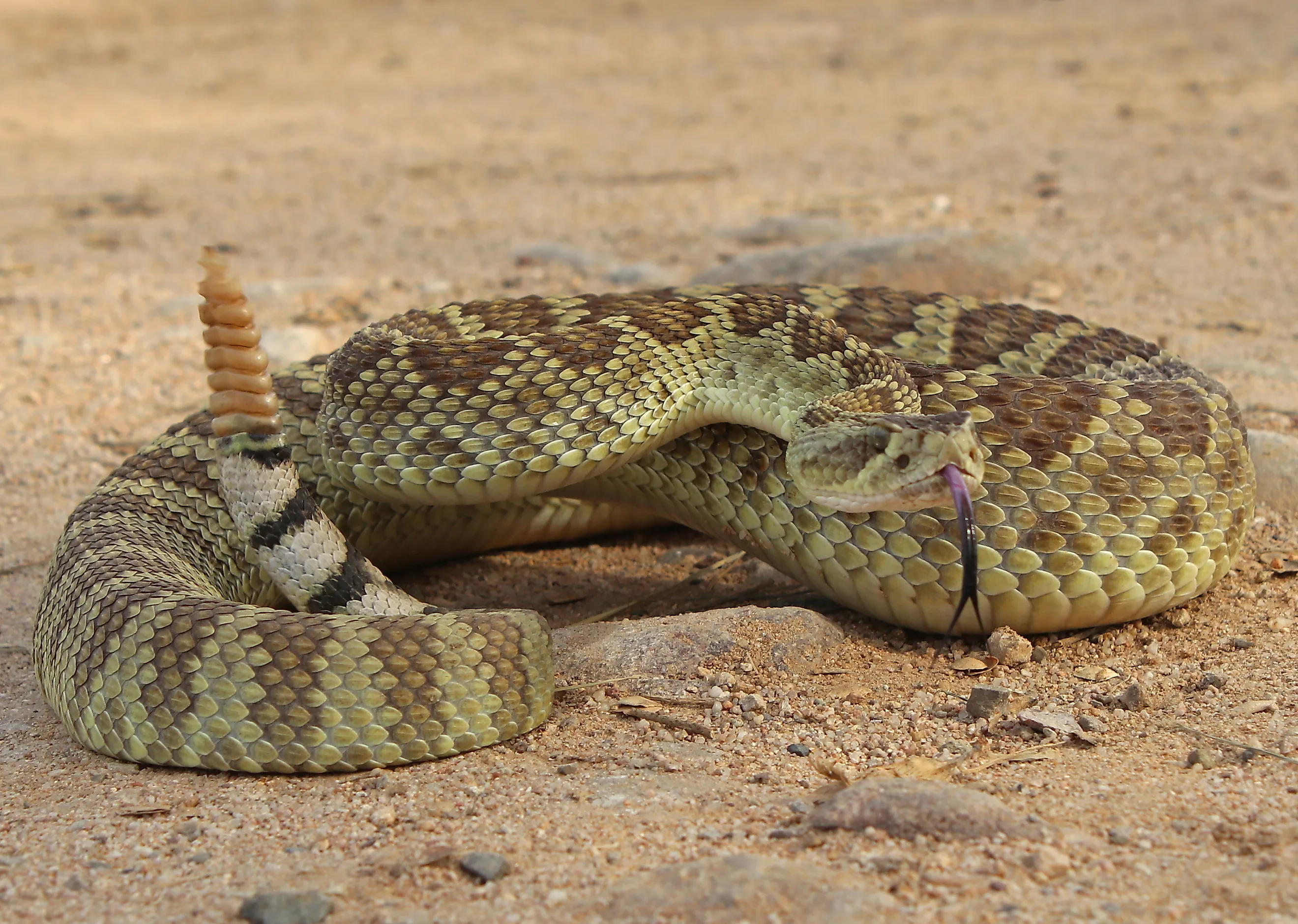
Lost Dutchman State Park lies at the western edge of the Superstition Mountains, where the Sonoran Desert meets the busy Phoenix metro area. It houses significant numbers of western diamondback rattlesnakes, which are recognizable by their dark diamond-shaped markings and banded tails. Mojave rattlesnakes, black-tailed rattlesnakes, and sidewinders also occur in the broader Superstition Mountains region.

Lost Dutchman's blend of arid slopes, desert washes, dense stands of palo verde, mesquite, and saguaro, and nearby residential streets creates a range of shelter and hunting habitats for reptiles, as well as a huge amount of reported snake-human run-ins. Noticeable changes in vegetation and terrain make it appealing to residents of Phoenix looking for a quick outdoor escape, but those who do head out into the state park should understand that snake activity is strongly influenced by temperature, as reptiles in the area become exceptionally active during warm periods of the year.
Moreover, the Superstition Wilderness adds more than 160,000 acres of additional green space beyond the state park boundary, making this part of central Arizona especially significant for tons of other Sonoran Desert wildlife, too.
Skidaway Island State Park, Georgia

Skidaway Island State Park occupies 588 acres on Skidaway Island near Savannah, where salt marshes, maritime forest, tidal creeks, and sandy uplands have formed a popular vacation destination as well as quite the lively natural environment. Snakes are no strangers here, with its most significant venomous snake being the eastern diamondback rattlesnake.
In fact, eastern diamondbacks are Georgia's largest venomous snakes and can exceed 6 ft in length, with the species often using dry, sandy areas and woodlands for shelter and hunting. Eastern copperheads may also pop up in the park's woody spots, while cottonmouths are more associated with wet environments across much of coastal Georgia.

Skidaway Island's extensive salt marshes are particularly important for all of its wildlife, and the park's trails pass through several old oak forests along said tidal waterways. For a more elevated view, an observation tower provides sightlines across the marshes and toward the Atlantic Intracoastal Waterway, providing yet another useful vantage point for understanding the park's varied habitats.
Remember that local snakes on Skidaway generally avoid people, but giving them space is still essential in any situation. Regardless of what you're here to do, hikers, campers, and beachgoers alike should watch for trail edges, fallen logs, dense vegetation, and areas near water, especially during the summer months when snakes are more active.
Be Snake-Smart in these Important Parklands
Venomous snakes are an important, although often misunderstood, part of the ecosystems found across America's state parks. Rattlesnakes in the deserts and mountains and cottonmouths in southern wetlands occupy remarkably different environments. However, they pose surprisingly low risk to humans, given the exceedingly low number of deaths year over year from bites.
Still potentially dangerous to you if successfully struck, their presence adds another dimension to exploring wild landscapes. Knowing what species live in whichever park you visit this year, where they tend to occur, and how they behave makes encounters easier to understand and avoid.