10 of the Oldest Incorporated Towns in Southern California
Monrovia, the story goes, incorporated in a hurry in 1887 to keep a saloon from opening in town. Across Southern California, towns like it grew so quickly in the late 1800s that residents voted to create their own governments to build schools and pave streets. Many began as mission settlements, railroad stops, citrus colonies, or seaside resorts long before freeways and suburbs arrived. Most still have the missions, piers, libraries, and storefronts their founders knew. Here are 10 of the oldest incorporated towns in Southern California, listed in the order they incorporated.
Santa Barbara (1850)

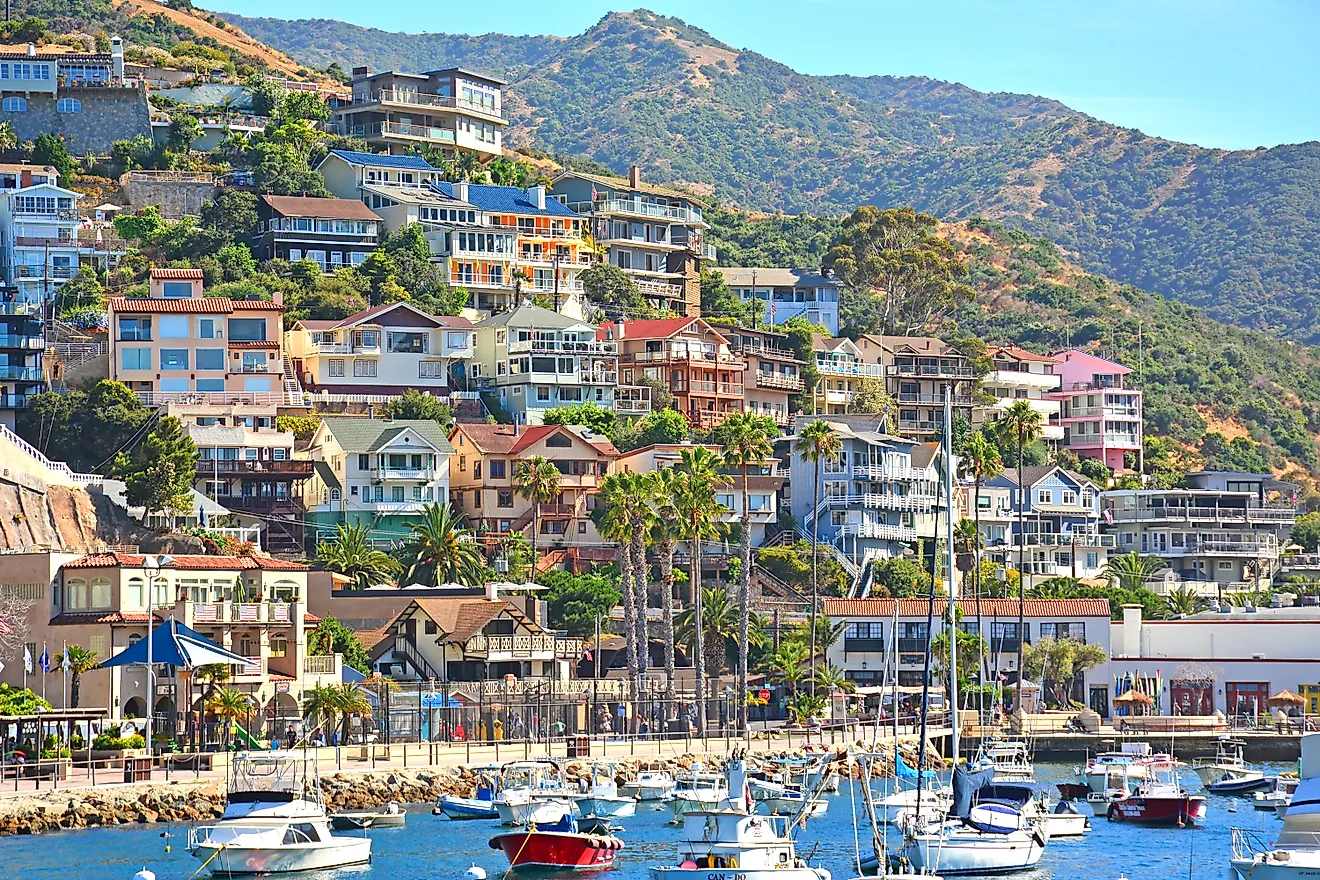
Santa Barbara was incorporated on April 9, 1850, just months after California's first legislature began organizing cities, making it one of the oldest incorporated cities in the state. Its roots go back much further, to a Spanish presidio built in 1782 and a mission founded in 1786.
Old Mission Santa Barbara, often called the "Queen of the Missions," still overlooks the town from the foothills. Stearns Wharf, built in 1872, is the oldest working wharf in California. The Santa Barbara County Courthouse, a Spanish Colonial Revival landmark, offers wide views of the town and ocean from its clock tower.
Ventura (1866)

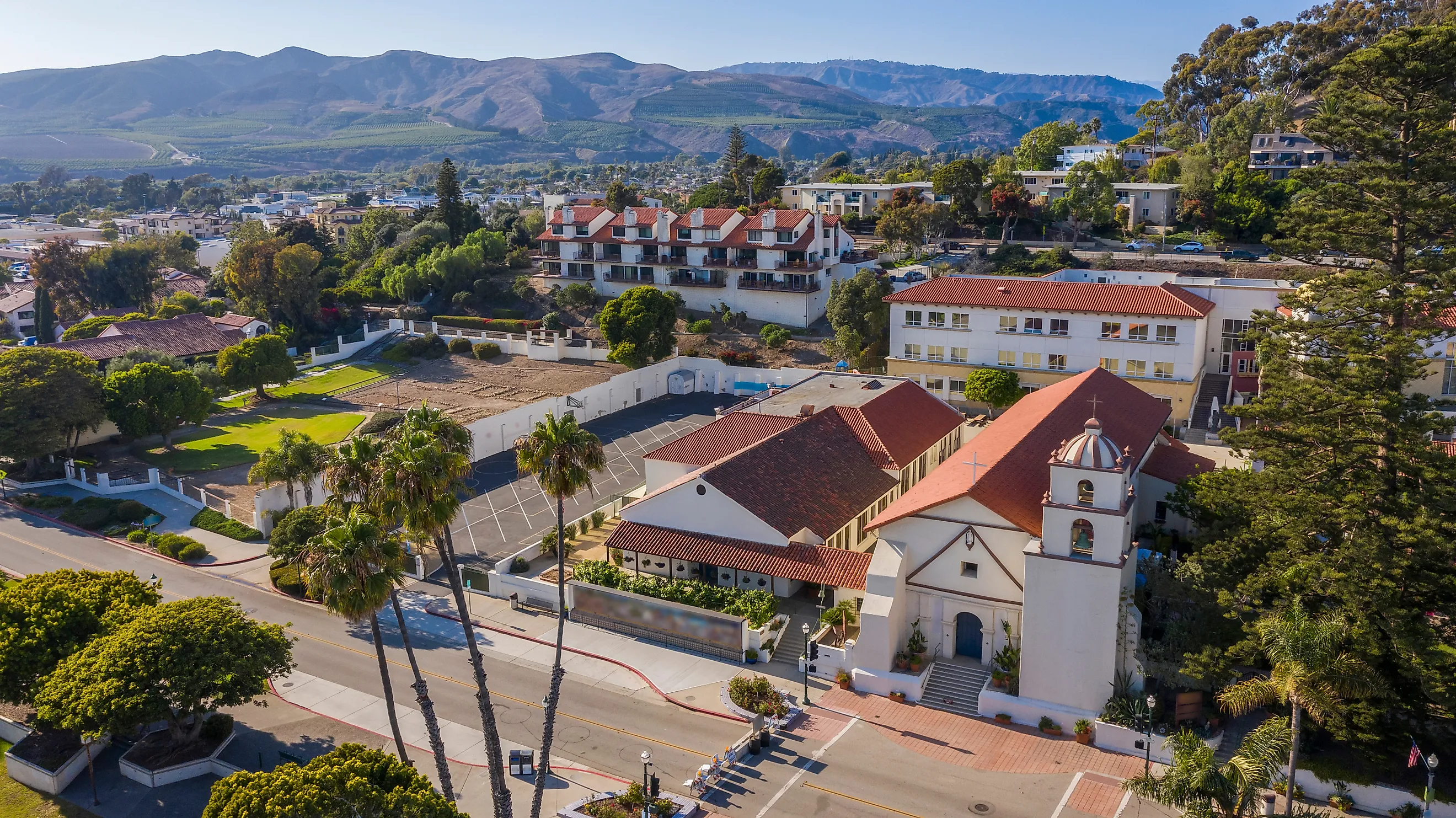
Ventura's official name is still San Buenaventura, after the mission founded here in 1782, and the town incorporated under that name in 1866. Its historic Main Street runs past the mission, lined with antique shops and restaurants in buildings from the late 1800s and early 1900s.
Mission San Buenaventura, the ninth of California's 21 missions, still holds services and has a small museum and garden. The Ventura Pier, first built in 1872, stretches far into the Pacific. Boats leave the harbor for Channel Islands National Park, visible offshore on clear days.
Santa Monica (1886)

A sign on the pier marks the official end of Route 66 in Santa Monica, which incorporated in 1886 as a small seaside resort reached by stagecoach and rail. It was one of the first cities in Los Angeles County to form its own government, and its beach quickly became a favorite escape for people across the region.
The Santa Monica Pier, built in 1909, still draws crowds. Its Looff Hippodrome has housed a carousel since 1916 and is a National Historic Landmark. Palisades Park, on the bluffs above the beach, offers palm-shaded walks with ocean views.
Colton (1887)

Virgil Earp, of OK Corral fame, became Colton's first city marshal when the town incorporated on July 11, 1887. The Southern Pacific Railroad had laid out the town in 1875 and named it for David Colton, one of its executives, and rail lines still cross here, earning it the nickname Hub City.
Morgan Earp, Virgil's brother, is buried in the town's Hermosa Cemetery, a stop for fans of Old West history. A local history museum occupies the former Carnegie library, and Colton Crossing, where two major rail lines meet, remains one of the busiest rail junctions in the region.
National City (1887)

Frank Kimball and his brothers bought the old Rancho de la Nacion in 1868 and laid out National City on it, and the town incorporated on September 17, 1887. That makes it the second-oldest city in San Diego County.
Brick Row, a line of 1887 townhouses built in an East Coast style rarely seen in California, still stands near downtown. The 1882 Santa Fe depot, once the western end of a transcontinental line, now houses a railway museum.
Monrovia (1887)

The Aztec Hotel, built in 1925 on Route 66, gives Monrovia its most striking building, with a Mayan Revival design unlike anything else in the area. The foothill town grew among orange groves at the base of the San Gabriel Mountains and incorporated on December 15, 1887, making it the fourth incorporated city in Los Angeles County.
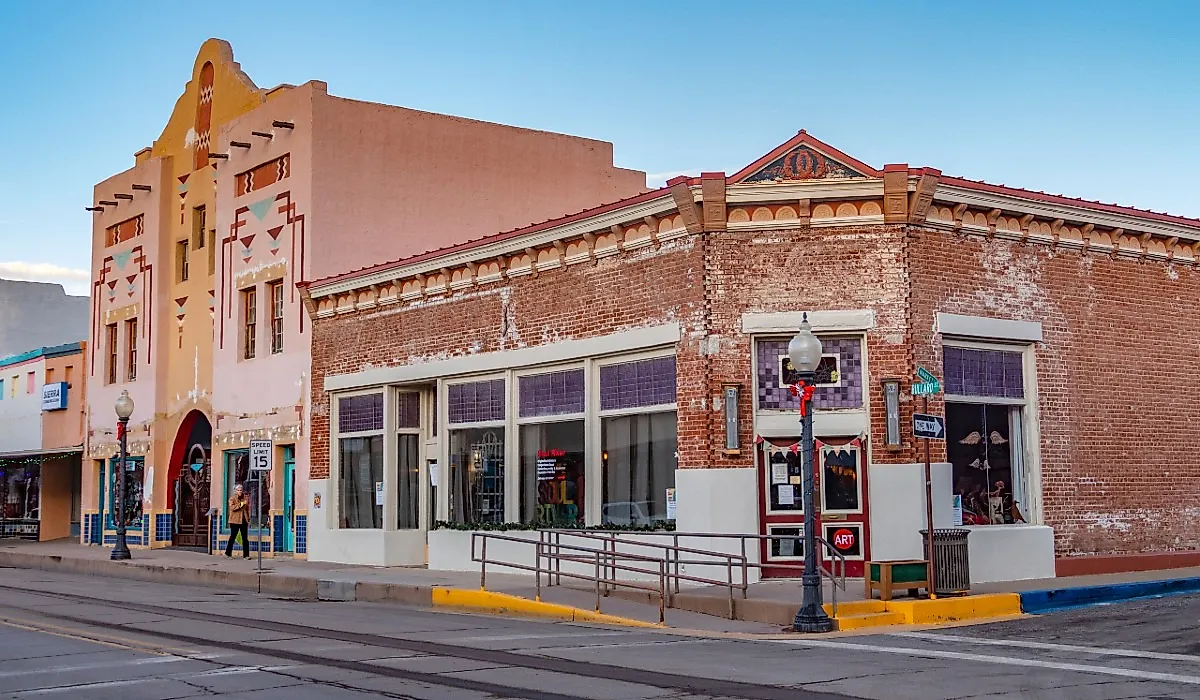
Historic storefronts and restaurants line Myrtle Avenue in Old Town Monrovia, which also hosts a Friday night street fair. Monrovia Canyon Park, just above town, has a shaded trail to a waterfall.
South Pasadena (1888)

The Fair Oaks Pharmacy, a classic soda fountain on old Route 66, has served milkshakes and sodas in South Pasadena since the early 1900s. The city became official on March 2, 1888, with just over 500 residents. Its boundaries have barely changed since, which helps explain its walkable, close-knit feel.
The town was once home to the Cawston Ostrich Farm, a famous tourist attraction. The Meridian Iron Works building now holds a small local history museum, and shady streets of Craftsman homes make for a pleasant walk.
Orange (1888)

Orange incorporated on April 6, 1888, in the middle of a Southern California land boom. Its center still revolves around the Plaza, a traffic circle laid out in 1886. The surrounding Old Towne Orange historic district is one of the largest on the National Register in California.
Antique shops, cafes, and restaurants fill the brick storefronts around the Plaza, and Chapman University adds a college presence a few blocks away. Each Labor Day weekend, the Orange International Street Fair fills downtown with food and music from around the world.
San Jacinto (1888)

San Jacinto incorporated in 1888, five years before Riverside County itself was created, making it one of the oldest cities in the county. It grew as a farming and resort town, known in its early years for nearby hot springs.
The Estudillo Mansion, built in the 1880s by a prominent local family, has been restored as a historic house, and the San Jacinto Valley Museum covers the region's Cahuilla and pioneer history. Each spring, the Ramona Pageant, California's official state outdoor play, is staged in the hills nearby.
Lompoc (1888)

Lompoc was founded in the 1870s as a temperance colony, where the sale of alcohol was banned, and it incorporated in 1888. The town grew as a farming center in a wide valley near the coast.
Just outside town, La Purisima Mission State Historic Park is often described as the most fully restored of California's missions. Gardens, livestock, and living history days bring it to life. Dozens of colorful murals cover buildings downtown, and the surrounding valley is known for its fields of flowers grown for seed.
Towns With Deep Roots
Seven of these ten towns incorporated during the Southern California land boom of 1887 and 1888, when new rail lines brought a flood of settlers into the region. Colton and National City were railroad towns from the start, while Monrovia and Orange grew among citrus groves. Santa Barbara and Ventura are far older, built around Spanish missions that still stand at the heart of town. Lompoc and Monrovia add another motive, since both were shaped early on by efforts to keep alcohol out of town.