Why Snakes Turn Up In Houses After A Flood
It is one of the reliable images of every major flood: the water goes down, the cleanup begins, and the reports start, a snake in the garage, a snake under the washing machine, a snake coiled on the porch of a house that has never once had a snake. The arrivals feel like an invasion piled onto a disaster, but the explanation is simpler and less sinister than it looks. A flood is a housing crisis for everything that lives at ground level, snakes most of all, and when the water takes every burrow, brush pile, and crevice in the landscape, the nearest high, dry, sheltered real estate left standing is, very often, yours. The snakes are not moving in on people. They are refugees from the same water, and understanding the pattern is the difference between a bad week and a dangerous one.
Every Snake Is A Swimmer

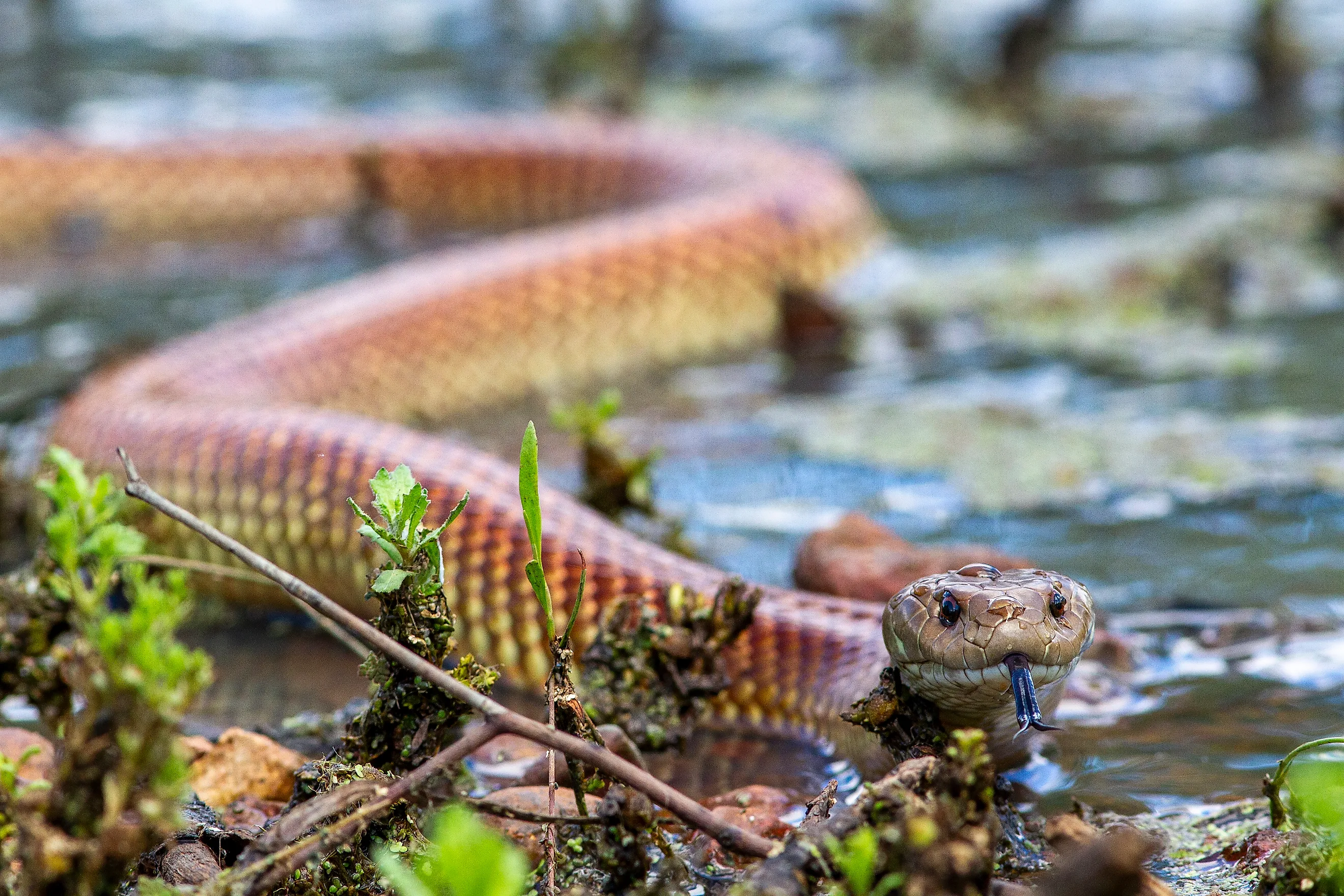
The first fact floods make visible is one most people never consider: every snake can swim, not just the water snakes and cottonmouths but rat snakes, rattlesnakes, garter snakes, kingsnakes, all of them, competently and for long distances when they must. In normal times, terrestrial species simply do not advertise it. When floodwater spreads across a landscape, the entire ground-level snake population is evicted at once, flushed out of rodent burrows, rock piles, log jams, and leaf litter, and suddenly the whole hidden census is on the surface, swimming, which is why flood footage always seems to feature more snakes than anyone believed lived there. They were always there. The water just published the directory.
A swimming snake has one agenda, the same as every other flood victim: reach something dry. Fence lines, floating debris, standing trees, and high ground all serve, and the snakes follow the water's edge upward as it rises, concentrating on whatever islands remain, which brings the story to the architecture.
Your House Is An Island

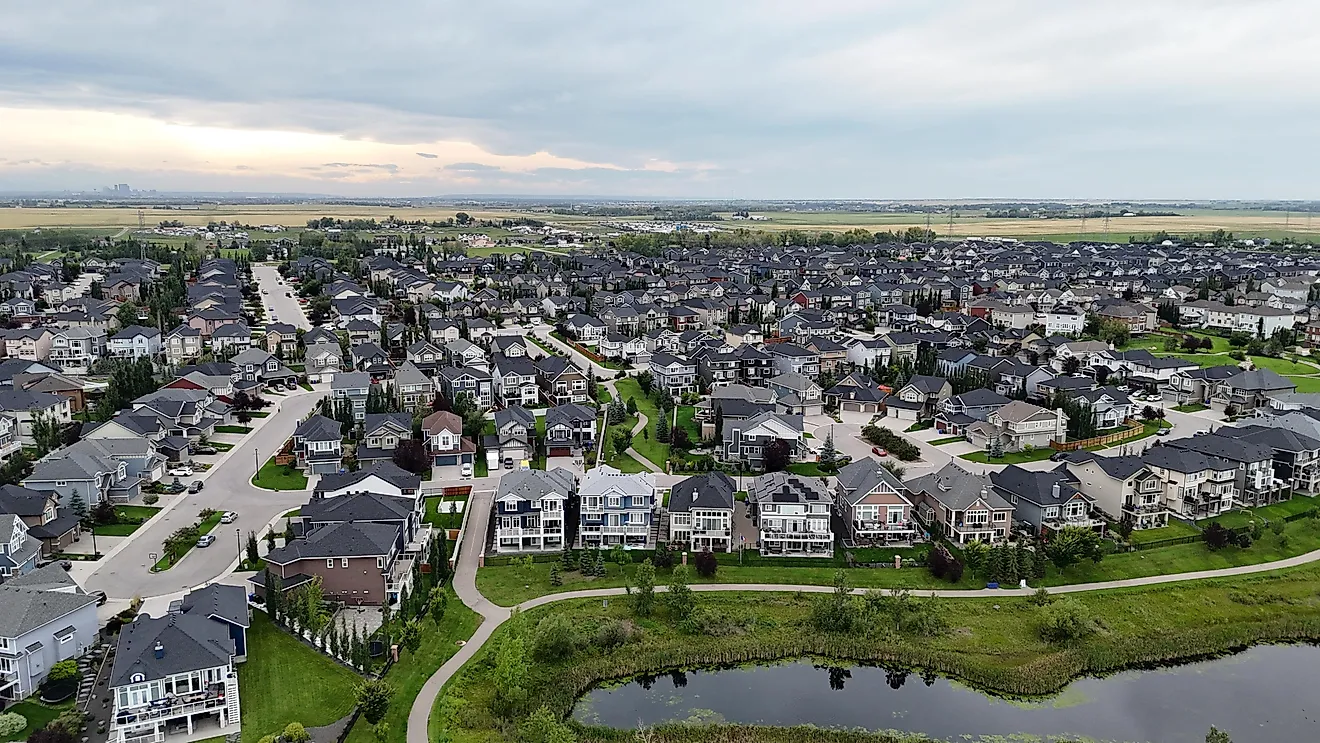
Houses are built to be exactly what a displaced snake is searching for: elevated above grade, dry by design, full of dark sheltered pockets, and warmer than the soaked world outside. The common entries are humble, the gap under a garage door, the weep holes in brick veneer, openings around pipes and AC lines, a flooded crawl space whose rising water pushes residents up into wall voids and floor framing, and the garage is the classic landing zone, a cave with a quarter-inch of welcome mat under the door. Porches, sheds, woodpiles, and anything parked on high ground collect arrivals the same way.
None of it is targeting. A snake reads the flooded world as a map of wet and dry, cover and exposure, and a house on a slab is a limestone ledge that happens to have a mortgage. The visits run on the same rule that fills natural dens: the specs matter, the ownership does not.
The Rodents Got There First
There is a second magnet operating, and it arrived ahead of the snakes: the prey. Floods displace mice and rats by the thousands under identical pressure, and they converge on the same dry islands, the same garages, the same debris piles, often within hours, which means that to a snake's chemical senses, a flood-season house is not just dry ground but dry ground that smells like a running buffet. Some of the snakes in post-flood houses are sheltering; a good share are working.
The chain explains the timing people notice, with snake encounters continuing for weeks after the water recedes, long past the emergency. The rodents settled into the disturbed landscape, the snakes followed the rodents, and the whole displaced food web takes a season to drift back to its normal addresses. The snake under the appliance in week three is usually not a flood victim anymore. It is a hunter on a productive route.
The Cleanup Is The Dangerous Part

Here is the practical heart of the matter: the riskiest snake encounters after a flood happen not during the dramatic swimming phase but during cleanup, because receding water leaves the landscape upholstered in snake habitat, debris piles, flood-wrack lines, soaked lumber, collapsed outbuildings, every one of them cover with rodents inside, and cleanup means reaching into all of it by hand. Health agencies in flood country document upticks in snakebite reports after major flood events for exactly this reason, and nearly every bite follows the same script, a hand or foot arriving somewhere unseen.
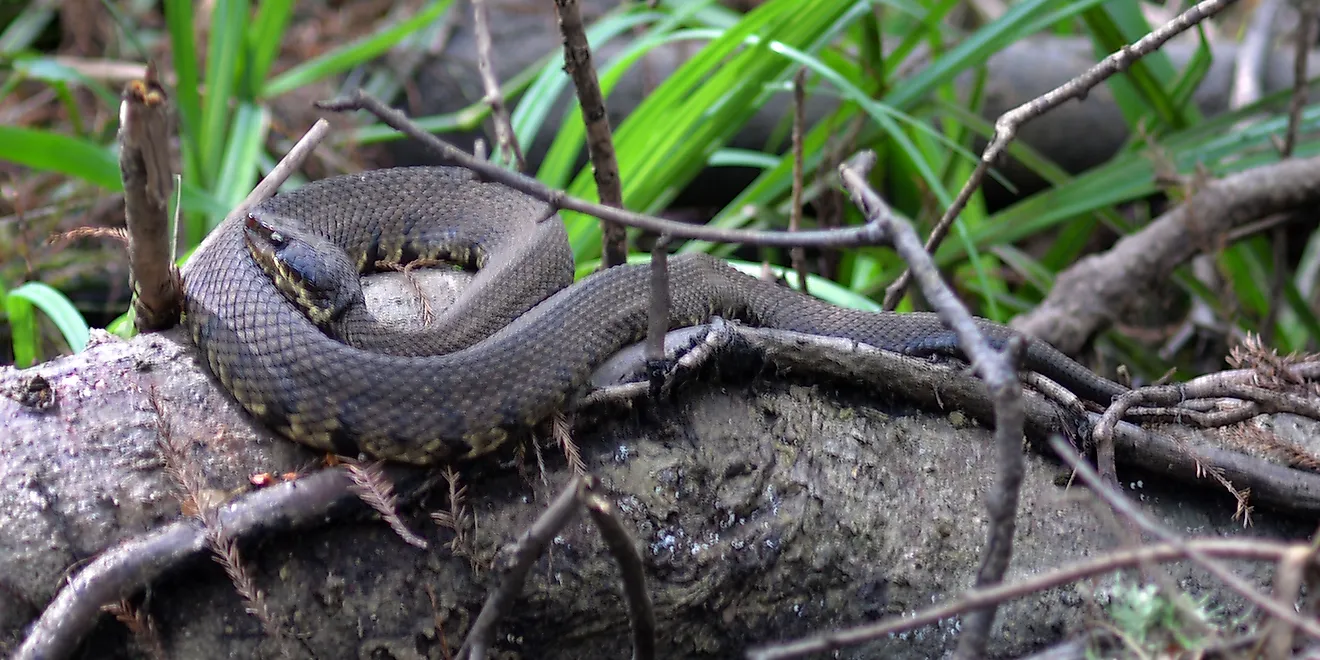
The countermeasures are unglamorous and effective: heavy gloves and boots for all debris work, flip and drag material toward yourself with tools rather than fingers, give piles a bump before lifting, use a flashlight in dark garages and crawl spaces, and assume any snake is venomous until calmly identified from a distance. One identification deserves special care in the South, where harmless banded and brown water snakes are mistaken for cottonmouths constantly, a confusion that gets harmless animals killed and gets people bitten trying to kill them. When in doubt, the correct tool is distance.
What To Do With The Visitor

The playbook for a snake in the house is short. Do not handle it, even dead, since reflex strikes from dead venomous snakes are a documented emergency-room genre; clear a path and open the door, because most snakes shown an exit take it; a broom can encourage from a respectful distance; and a photo from across the room gets a confident identification from local wildlife agencies or online herpetology groups faster than panic gets anything. For a confirmed venomous snake indoors, the job belongs to animal control or a professional removal service, not to a shovel.

And it helps to know how the story ends, because the invasion is temporary by nature. The great majority of post-flood snakes are harmless species in the wrong place, the displaced survivors disperse back into the recovering landscape within weeks as their own habitat drains and the rodents redistribute, and the flood itself was far harder on the snakes than on the houses, drowning untold numbers in their refuges. The visitor in the garage is not the vanguard of anything. It is what a flood looks like from one rung down the housing ladder, briefly sharing the only dry room in the neighborhood.
Refugees, Not Invaders
So snakes turn up in houses after floods because the flood erased every other address: the water published the hidden snake population, the houses stood as the driest islands on the map, the displaced rodents baited them, and the debris of the recovery kept everyone in close quarters for weeks. The response that works is the boring one, gloves, boots, tools, distance, an open door, and a camera instead of a shovel, applied while the neighborhood's oldest residents sort themselves back onto the recovering land. The flood rearranged everyone's housing for a while. The snakes just had further to climb.