The Best State Parks To Visit In Winter
This upcoming winter will give many state parks across America a variety of unique reasons to visit. From east to west, ice-covered waterfalls fill canyons, giant sequoias stand above snowy trails, and mountain slopes open for skiing. These destinations offer ways to experience cold conditions through groomed routes, guided snowshoe walks, overlooks, and more. Some also have cabins or campsites available, allowing longer stays even during harsh conditions. The best choice for you depends on how you want to spend the day, whether tackling downhill runs or walking through a forest after a fresh snowfall.
Gooseberry Falls State Park, Minnesota

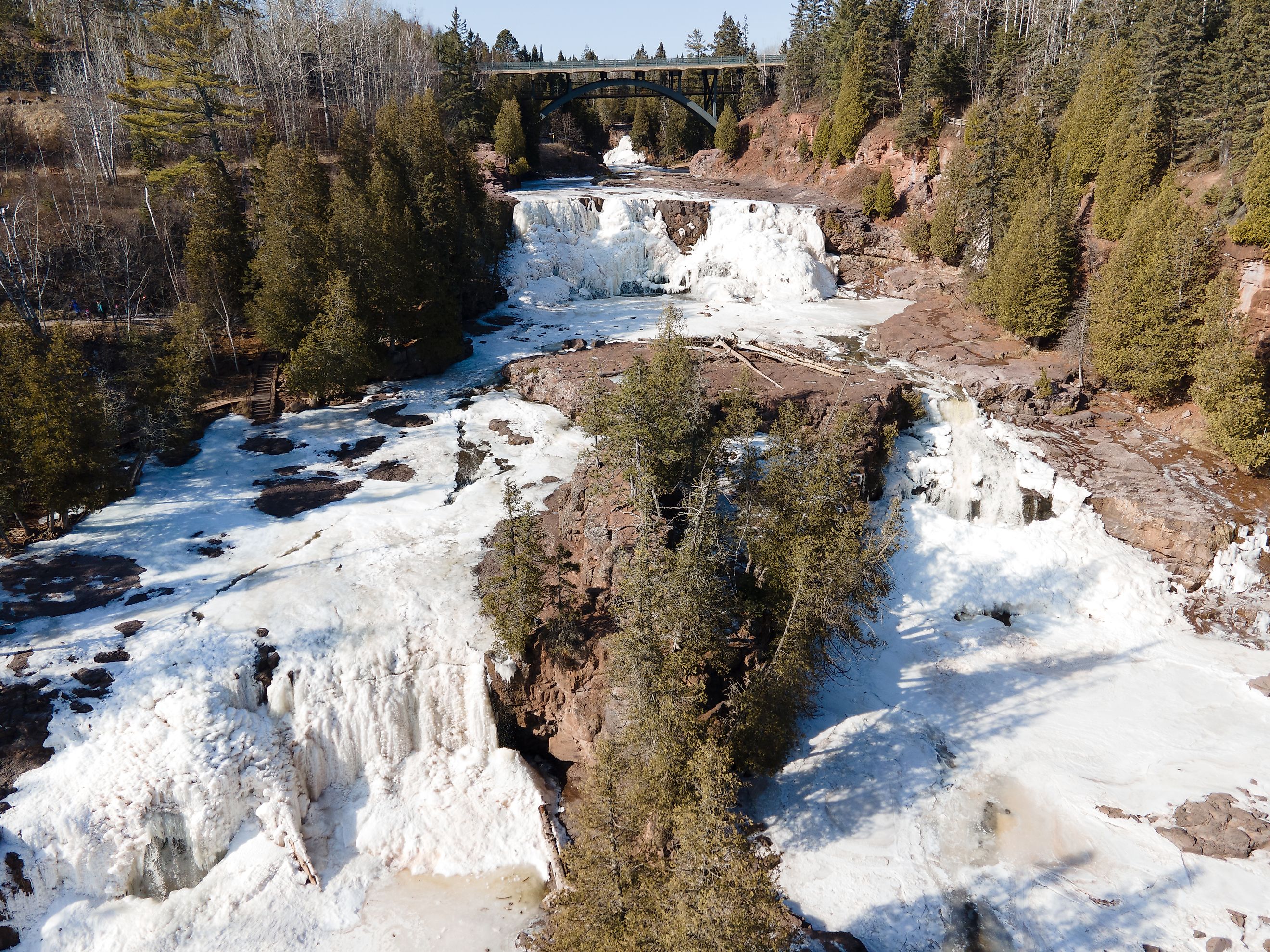
A number of scenic frozen waterfalls give Gooseberry Falls State Park a reason to visit Minnesota's North Shore during its coldest months. The Gooseberry River drops over rock ledges, where prolonged freezes build thick ice formations around the cascades; the dark basalt beneath the falls was formed from lava a billion years ago, giving the frozen scenery a distinctive setting for anyone interested in geography. Snow covers the surrounding woodlands as well, while nearby Lake Superior provides an exposed, often windblown shoreline beyond the river mouth.
Start with the maintained winter walking trail to Upper Falls, the park's most practical option for seeing the ice on foot. Bring traction devices such as shoe spikes or even snowshoes, since packed snow and frozen spray can make paths slippery.
For a longer visit, groomed trails can take cross-country skiers through the forest, whereas snowshoers can explore more rugged routes away from ski tracks. Just be sure to check snow and grooming reports before traveling, and always view the river ice from shore rather than walking onto it.
Calaveras Big Trees State Park, California

A walk beneath California's famous giant sequoias takes on a different character when snow covers the forest floor at Calaveras Big Trees State Park. Near the quaint town of Arnold in the heart of the Sierra Nevada, this preserve oversees two sequoia groves within 6,500 acres of mixed conifer forest. The North Grove remains the focus for most cold-season visits because the road leading even deeper into the park generally closes for winter.
When conditions permit, guided Saturday morning snowshoe walks explore this North Grove, allowing you to get some in-person, expert information about the trees and their ecology. Snowshoers can move among the enormous trunks, whose reddish bark contrasts especially well against the snow. On the other hand, independent visitors can follow the North Grove Ski Trail or Parkway Loop Ski Trail, both designated routes for skiing and snowshoeing.
The visitor center (open from 10 AM to 4 PM, October to March) also offers a nice indoor stop near the grove, making it easy to combine forest exploration with a warm break should you need one.
Allegany State Park, New York

A stay in Allegany State Park puts wonderfully snowy forests within reach for an entire weekend. Along New York's border with Pennsylvania, this 65,000-acre green space has winterized cabins and an extensive trail network open for skiing, snowshoeing, and snowmobiling.
The Art Roscoe Ski Touring Area is the main draw for cross-country skiers, with groomed woodland routes that follow the park's hilly terrain. Its interconnected trails let you adjust your route, though the climbs and descents require more effort than flatter recreational paths in many other parks on the east coast. These tracks are reserved only for skiing during the snow season, so snowshoers must choose designated alternatives elsewhere in the park.
Red House and Quaker, the park's two most developed areas, give different bases for exploring its wooded valleys. Staying for the weekend? Reserve accommodations listed for cold-weather use, since many cabins are seasonal. Before setting out, consult Allegany Nordic's trail reports as well for trail updates and snow conditions at Art Roscoe.
Mount Spokane State Park, Washington

Downhill runs and night skiing make Mount Spokane State Park a versatile destination out West for snow sports. Within it, Mt. Spokane Ski & Snowboard Park operates lift-served terrain with beginner learning areas, steep tree runs, and illuminated slopes on selected evenings. The latter feature can easily extend a ski day well beyond the short daylight hours of a Washington winter. Elsewhere on the mountain, nearly 37 miles (60 km) of Nordic trails accommodate classic and skate skiing. And for something a little less exhilarating, snowshoe routes offer another way into the Selkirk Mountains' forests.
The Selkirk Lodge provides a comfortable base, with drinking water and restrooms, while warming shelters along the Nordic trails offer tables and a wood stove for warming up between circuits. Mount Spokane's various recreation areas also have differing parking arrangements, so identify your trailhead before buying a Sno-Park permit. For planning a drive up into the hills, the park's live cameras conveniently show road conditions near the office and parking availability at the Selkirk Lodge lot.
State Forest State Park, Colorado
Labeled the "Moose Viewing Capital of Colorado," State Forest State Park is a mountain retreat near Gould where animal tracks frequently cross snow-blanketed meadows. Its forests and willow wetlands support a population of around 600 moose throughout the year, and bare vegetation after the leaves fall can make the large deer species easier to spot. Try beginning at the Moose Visitor Center, where wildlife exhibits and a sightings board better help you understand where to look during your time here.
The Gould Loop Trail also sits nearby and follows the Michigan River through open country and woods. Regular grooming makes it a good choice for cross-country skiing, while snowshoe rentals at the visitor center let newcomers explore without worrying about buying equipment. Once set up, those who decide to venture farther into the park will find that the Medicine Bow and Never Summer Mountains provide a winter wonderland backdrop of snow-covered ridges worth the travel.
For an overnight stay, rustic cabins beside North Michigan Reservoir keep visitors close to the trails. Snowmobilers also have designated routes through the park, so use the seasonal trail map to avoid motorized paths if you're skiing or hiking.
Starved Rock State Park, Illinois

When freezing weather limits open waters farther north, look up, and you'll likely spot bald eagles gathering along the Illinois River at Starved Rock State Park. The turbulent waters near Starved Rock Lock and Dam provide fishing opportunities for the species, making January and February productive months for birdwatching from the park's namesake bluff. Bring binoculars to scan the river and trees for perched birds, too.
Away from the riverbanks, 18 sandstone canyons give hikers another reason to brave the cold here. Where enough water flows before a sustained freeze, seasonal waterfalls can develop into thick curtains and columns of ice in these gorges. Wildcat Canyon also has a boardwalk viewpoint overlooking its waterfall, allowing you to appreciate the formation without the need for a slippery descent to the floor. Regardless, traction devices are essential when snow and ice coat local stairs and paths. Also keep in mind that trail improvements scheduled through 2027 at Starved Rock may affect available routes, so consult the closure map before choosing a hike.
Franconia Notch State Park, New Hampshire

A blanket of snow creates picturesque highlights on the steep walls of Franconia Notch, where Cannon Mountain faces the Franconia Range across a narrow White Mountains pass. Interstate 93 runs through the park, providing advantageous views of forested slopes and towering cliffs even for visitors who wish to leave the trails to experienced mountaineers.
However, Cannon Mountain Ski Area supplies the main sporting attraction here, with terrain across Cannon and Mittersill. Beginners can learn in the Tuckerbrook Family Area, which has its own lifts and gentler trails, while experienced skiers may tackle the mountain's more demanding runs elsewhere. Better yet, a rental shop and bookable lessons make it possible to plan a visit without bringing a full set of equipment or experience.
But for hikers equipped for packed snow and ice, Artists Bluff overlooks Echo Lake and Cannon Mountain. This exposed viewpoint can be quite windy at times, and good boots/snow spikes are important on the rugged approach. Furthermore, experienced campers can prolong their stay at Lafayette Place Campground, where primitive camping continues even through the snowy months.
Make the Most of this Winter at These State Parks
A memorable state park visit this winter starts with picking a place that matches your willingness to find the right gear, as the old saying goes: there is no bad weather, only unsuitable clothing. Also try planning around daylight, confirm which roads and facilities remain open, and leave room to adjust when conditions change, too. And you do not need an ambitious route to appreciate the season either, as most of the parks mentioned above excel at accessibility even when snow and ice cover the ground.