The Towns Where Renting Now Costs More Than A Mortgage
For most Americans, owning a home costs more each month than renting one. In a small but growing number of towns, that has flipped. Census data show that in about 1 in 20 American towns of 5,000 to 50,000 people, the typical renter now pays more each month than the typical homeowner with a mortgage. The reasons range from brand-new rental subdivisions to resort demand and retirees who locked in low payments long ago. Here are some of the towns where renting has become the more expensive option, and what is behind the gap.
Why The Math Has Flipped
Two forces explain most of the gap. First, many homeowners bought or refinanced years ago, when mortgage rates were much lower, and some have paid down most of their loans. Their monthly costs stay steady even as home values and rents rise around them. Second, rents in many fast-growing towns have climbed quickly, especially where new homes are built specifically to rent rather than sell. The result is that the median homeowner can pay less than the median renter, even though a brand-new buyer today would likely face a much larger monthly payment than either.
Pingree Grove, Illinois

Pingree Grove, a fast-growing village of newer subdivisions in northern Illinois, shows the widest gap in this analysis. Its median rent tops out at the Census Bureau's highest reporting level, more than $3,500 a month, while the typical homeowner with a mortgage pays about $2,300.
Much of the town was built in the past two decades, and many of its rentals are newer single-family homes rather than apartments, which command higher rents. Owners who bought earlier, often at lower prices and interest rates, have kept their monthly costs far below what renters now pay for similar houses on the same streets.
Midway, Utah

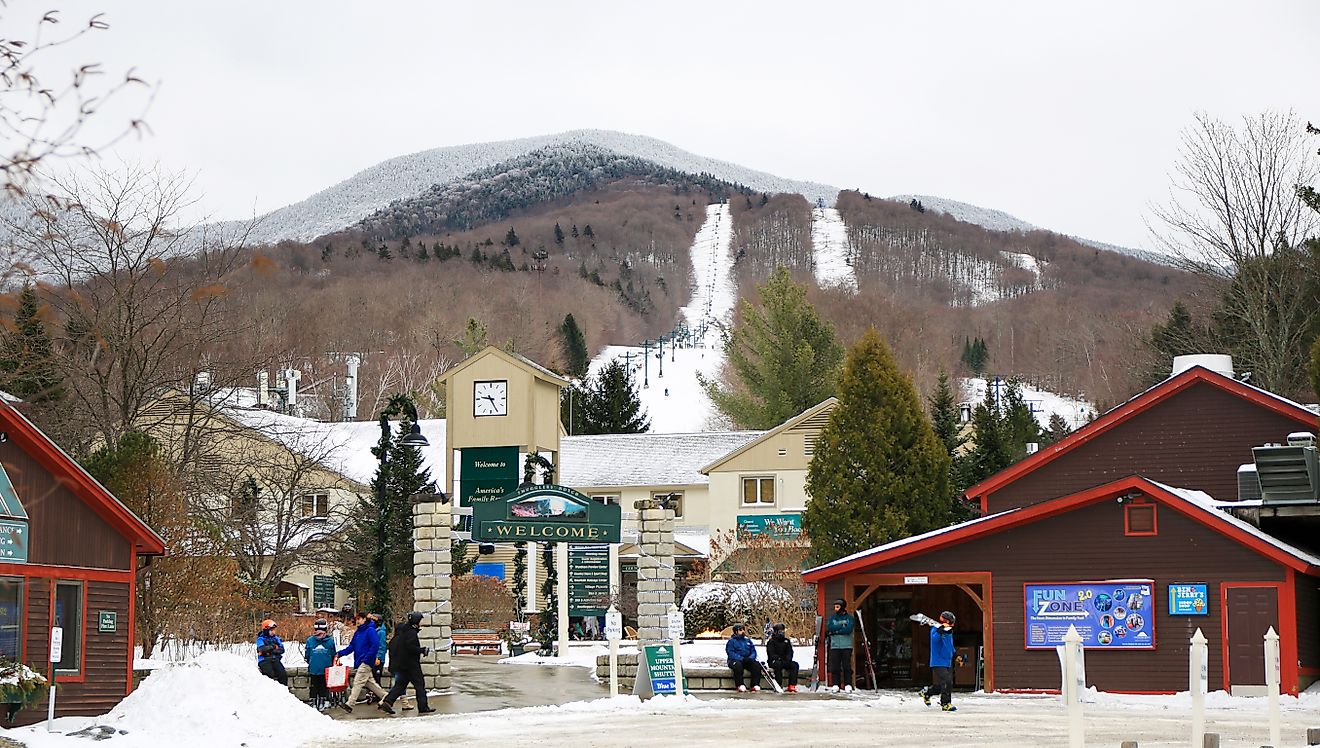
Midway, a Swiss-themed mountain town in Utah's Heber Valley, has a median rent of about $3,400 a month, roughly $300 more than the typical homeowner with a mortgage pays. The town sits a short drive from some of the state's busiest ski resorts.
Demand from resort workers, second-home owners, and newcomers drawn to the mountain setting has pushed rents sharply higher, while the supply of long-term rentals is small. Homeowners who bought before the area's boom pay comparatively modest mortgages, leaving renters to absorb the region's soaring housing costs in one of the most expensive corners of the state.
Oakland, Tennessee

Oakland, a growing town in western Tennessee's Fayette County, has a median rent of about $2,000, compared with about $1,600 for homeowners with a mortgage. Once a small rural community, it has become a popular place for families looking for newer homes and more space outside the region's larger cities.
Many new houses in and around Oakland have been rented out rather than sold, and rents for newer single-family homes are typically higher than for older apartments. Longtime owners, meanwhile, pay mortgages set at lower prices, keeping their monthly costs well below those of their renting neighbors.
High Springs, Florida

High Springs, a small North Florida town known for the crystal-clear springs nearby, has a median rent of nearly $1,900, about $300 more than the typical homeowner with a mortgage pays. Its historic downtown and outdoor appeal have drawn new residents in recent years.
The town's growth has outpaced its supply of rental housing, pushing rents up. Visitors flock to nearby Ginnie Springs and other natural springs for tubing and diving, and some homes serve the tourist market rather than long-term renters. Owners who bought years ago enjoy far lower monthly costs than renters arriving today.
LaBelle, Florida

LaBelle, a small town on the Caloosahatchee River in Southwest Florida, has one of the largest gaps relative to its size: the median rent of about $1,650 is more than $400 higher than the typical homeowner's mortgage costs. The town, the seat of rural Hendry County, has seen new residents arriving from more expensive coastal areas.
As housing prices on the coast climbed, many families looked inland, raising demand for rentals in towns like LaBelle. Hurricanes in recent years also displaced residents from coastal communities, adding pressure on inland rental markets. Longtime owners, many with modest older homes, pay comparatively little each month.
Sun City, Arizona

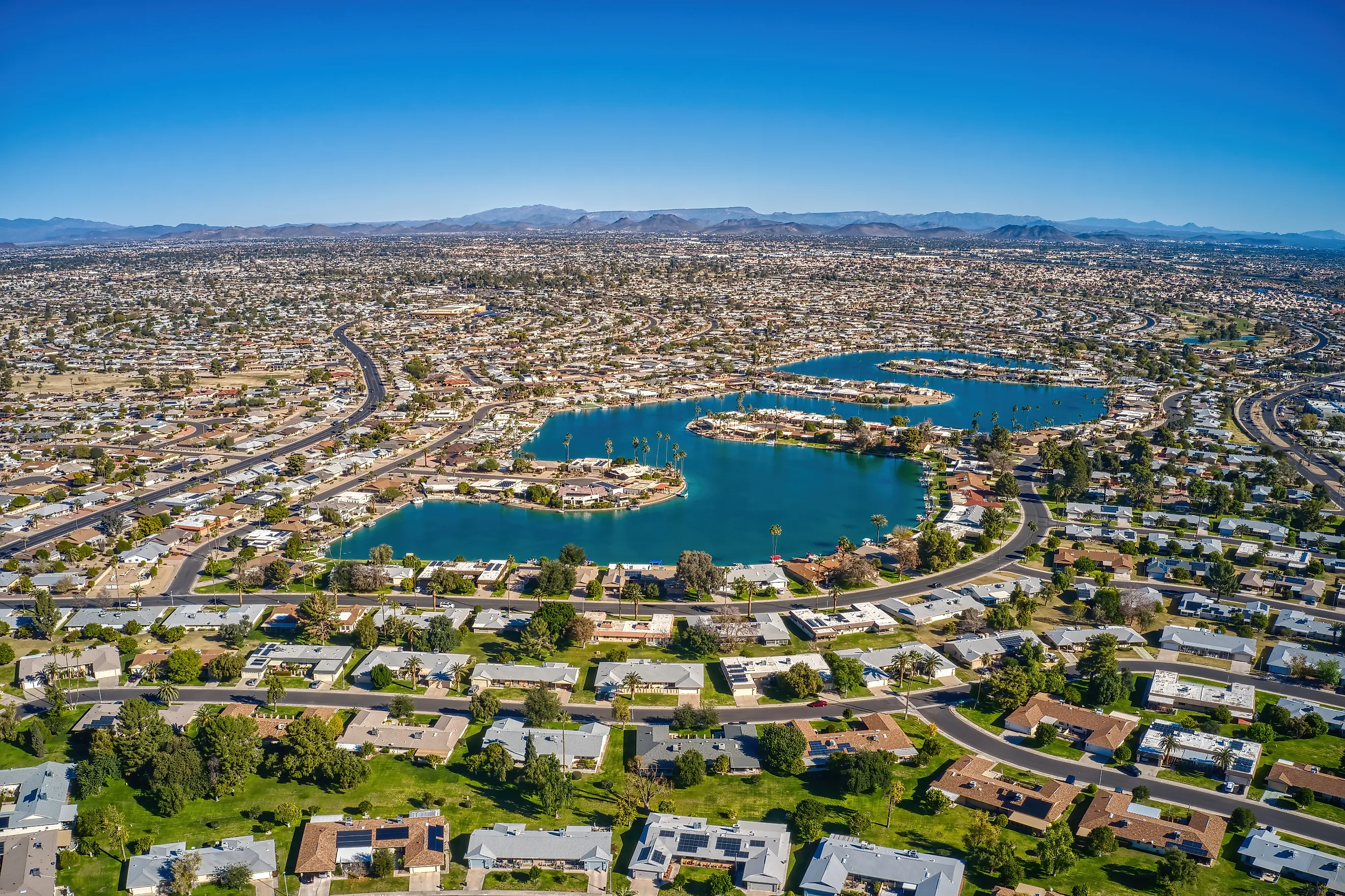
Sun City, one of the country's original retirement communities, shows the gap in a different way. Its median rent of about $1,570 is roughly $400 higher than the median monthly cost for homeowners with a mortgage, which is unusually low at about $1,150.
Many Sun City homeowners are retirees who bought decades ago or moved in with modest loans, and a large share own their homes outright. Renters, by contrast, pay today's market rates in the fast-growing desert region. For retirees considering a move, the numbers show how much more expensive renting can be than owning in a community built for buyers.
What It Means
These towns are still the exception, but they reveal how much the housing market has shifted. Rents in many growing areas have risen faster than the costs carried by long-time homeowners, especially those who locked in lower prices and interest rates. For renters, the gap can make saving for a down payment harder even as owning looks cheaper on paper. For buyers entering the market now, the comparison is less favorable than the medians suggest, since new mortgages come with today's higher prices and rates. Anyone weighing renting against buying should compare actual monthly payments, not just local averages.