The American Towns Where Snakebites Happen Most Often
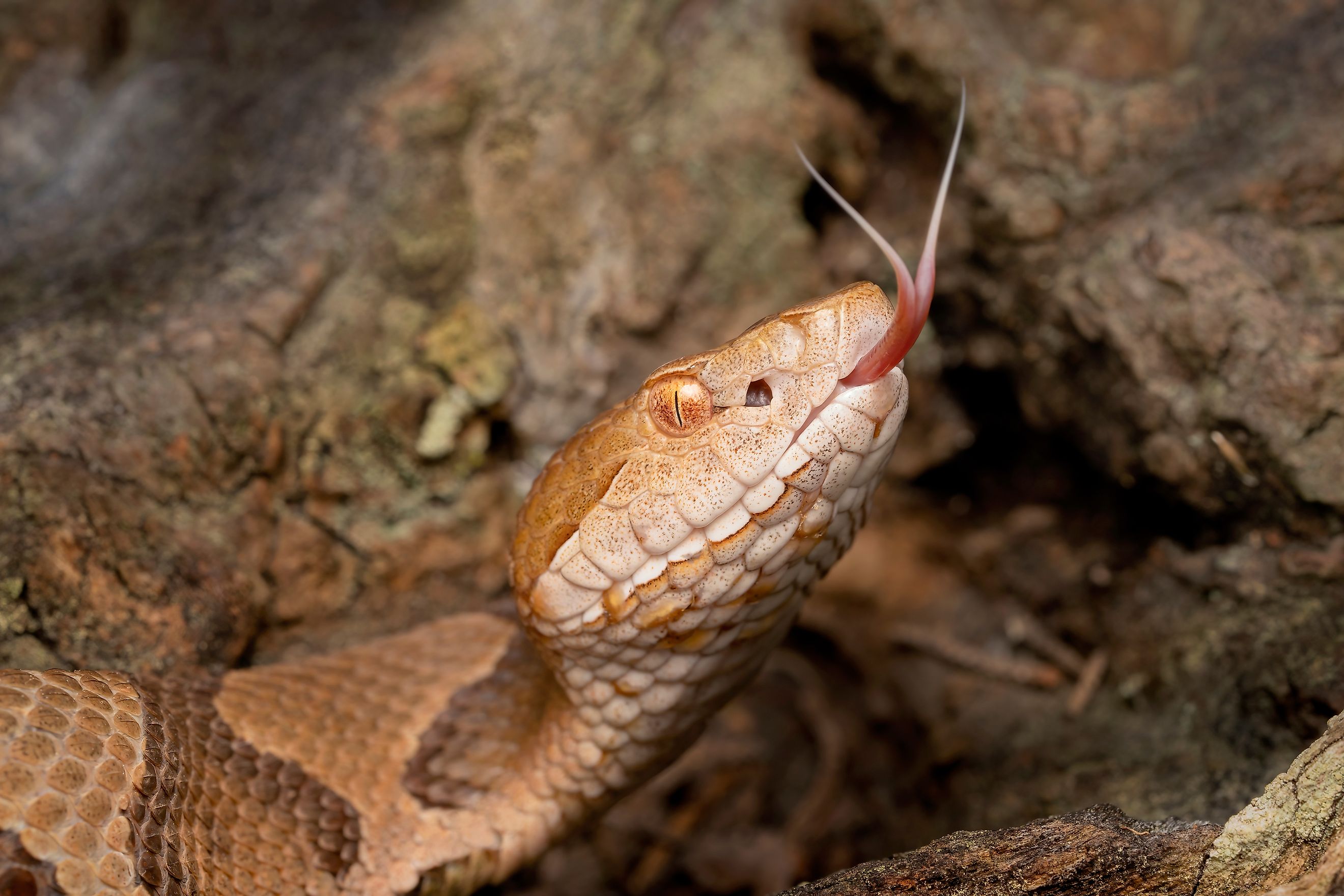
In June 2026, a woman in Youngsville, North Carolina, tilted her trash can to roll it to the curb and was bitten twice by a copperhead hiding underneath. She needed nearly 30 vials of antivenom. Stories like hers are increasingly common, and most of them do not happen in the wilderness. They happen in driveways, garages, and backyards in fast-growing towns. The CDC estimates that 7,000 to 8,000 people are bitten by venomous snakes in the United States each year, and about five of them die. No agency tracks snakebites town by town, but state data, hospital reports, and recent bite cases point to the places where they cluster. These are the American towns where snakebites happen most often.
Wake Forest And Youngsville, North Carolina

North Carolina reported more than 600 venomous snakebites to its poison control center in 2025, and the fast-growing towns around Raleigh and Durham are its epicenter. Hospitals in the region treat well over a hundred snakebite patients each year, and by July 2025, two health systems alone had treated nearly 200 cases. About one in five copperhead bites in the entire country happens in North Carolina.

Towns like Wake Forest and neighboring Youngsville sit right where new subdivisions meet the wooded creeks copperheads favor. Doctors say bites rise as neighborhoods push into snake habitat, and most happen close to home: on porches, along garden beds, and under trash cans and woodpiles.
Alpharetta, Georgia

Georgia sees roughly 500 snakebites a year, and many of those bites happen in the leafy suburbs north of Atlanta. In May 2026, an Alpharetta woman stepped out of her door into the garage and was bitten on the foot by a copperhead coiled on her doormat. She received antivenom and spent two nights in the hospital.

Copperheads thrive in the patches of forest that remain between Alpharetta's neighborhoods, office parks, and greenways. Georgia's poison center has said that as development spreads into snake habitat, encounters, and bites, become more common.
Tyler, Texas

Texas records more venomous snakebites than any other state, and the wooded Piney Woods of East Texas are prime copperhead territory. In October 2026, a Tyler business owner was bitten on the foot by a young copperhead on the cement path outside his home. He at first mistook the bite for a scorpion sting, then ended up in the intensive care unit after needing antivenom.

Tyler's mix of tall pines, creeks, and spacious yards brings people and snakes into frequent contact. Local hospitals urge residents to stay calm, avoid home remedies, and get to an emergency room quickly after any bite.
Texarkana, Texas And Arkansas

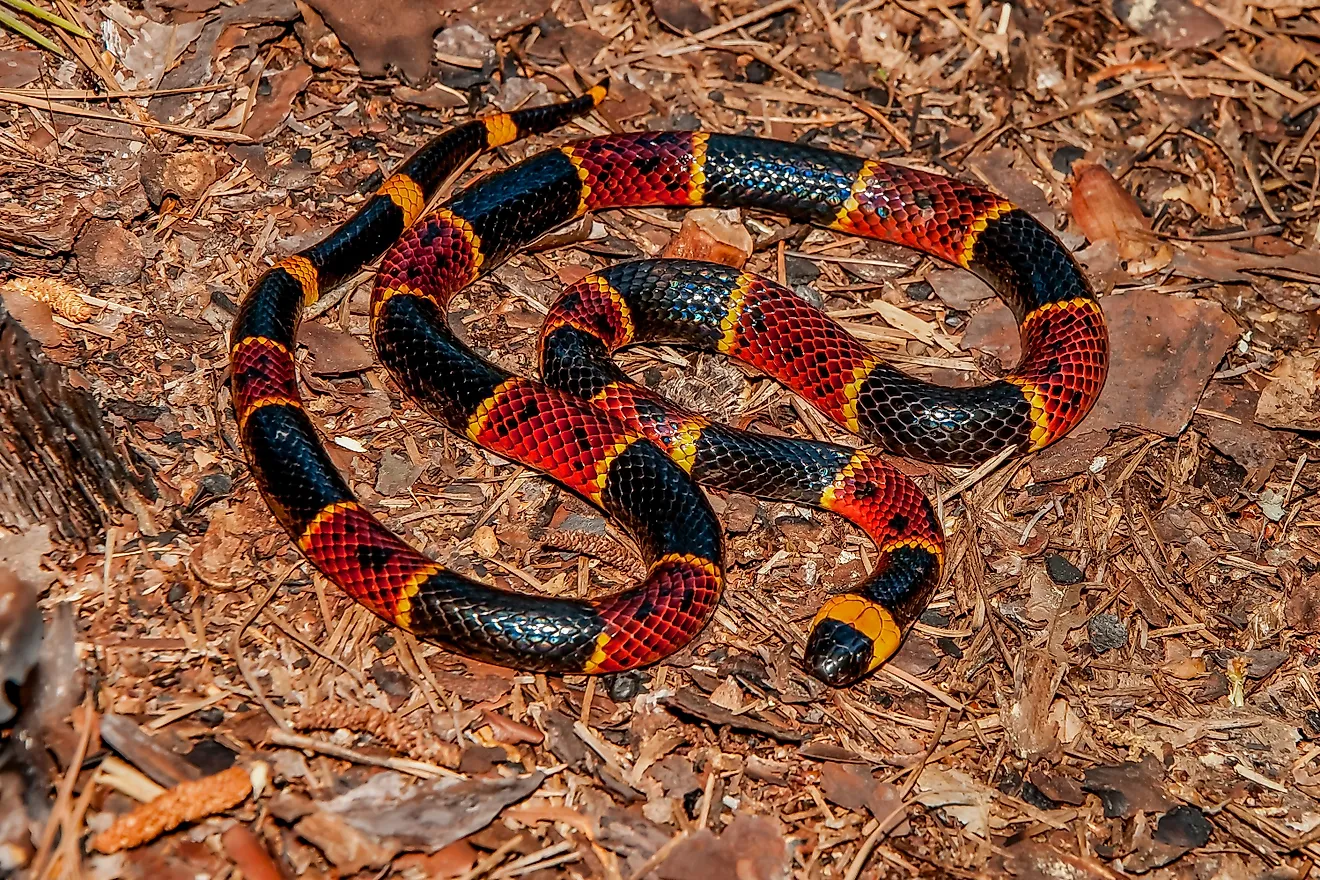
Texarkana straddles the state line between Texas and Arkansas, where venomous snakes are common across nearly every county. The region is home to four venomous species: the copperhead, cottonmouth, timber rattlesnake, and coral snake.

In August 2026, local extension agents and emergency physicians in Texarkana warned residents about the risks after a busy summer. Cottonmouths lurk near the area's creeks, bayous, and lakes, while copperheads and timber rattlesnakes hide in wooded yards and trails. Experts advised anyone bitten not to drive themselves to the hospital, since a bite can cause dizziness or fainting.
Myrtle Beach, South Carolina

In South Carolina, the fast-growing Myrtle Beach area shows how quickly a bite can become complicated, even far from any wilderness. In July 2026, a local woman bitten by a copperhead on her back porch had to visit three medical facilities, an urgent care clinic and two hospitals, before receiving antivenom hours later.

The area's rapid growth has pushed new neighborhoods into the wooded wetlands that copperheads and cottonmouths call home. Doctors there now urge anyone bitten to go straight to a hospital emergency room, since urgent care clinics typically do not stock antivenom.
Thousand Oaks, California

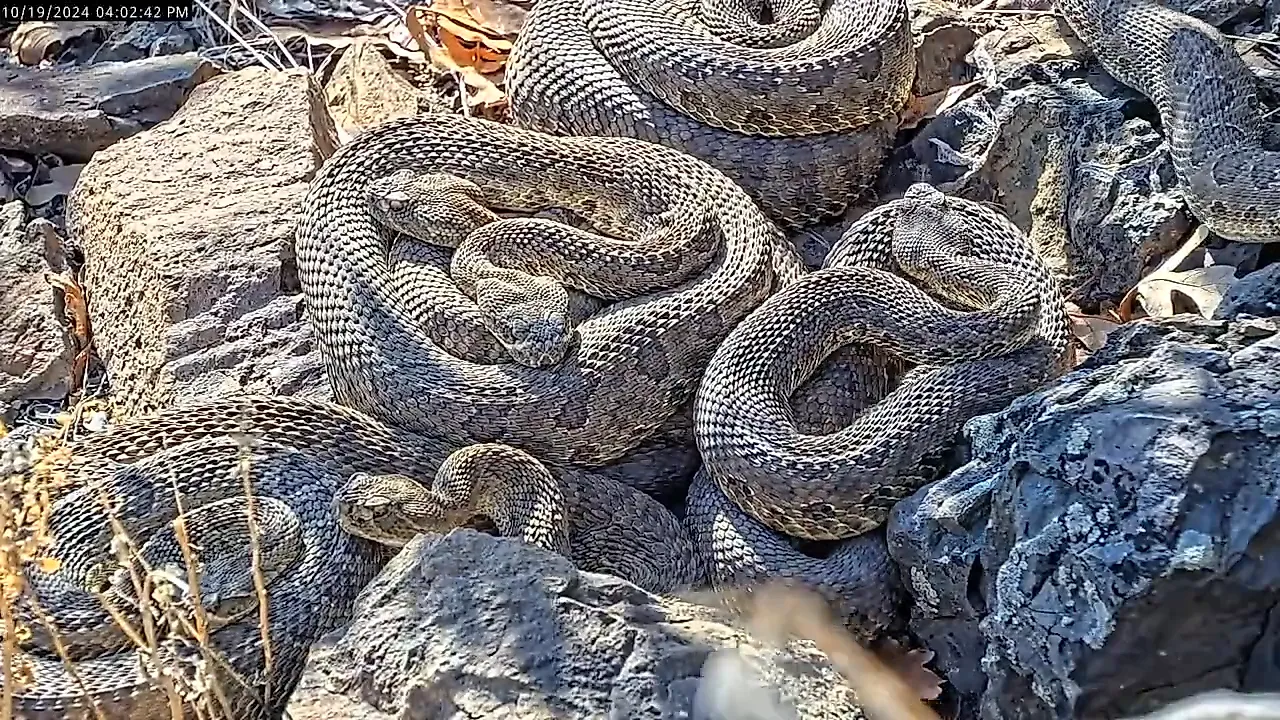
In the West, rattlesnakes cause most venomous bites, and Southern California's trail-side suburbs have seen some of the most serious recent cases. In March 2026, a woman bitten by a rattlesnake while hiking at Wildwood Regional Park in Thousand Oaks later died, and earlier that year, a mountain biker bitten on a trail in nearby Orange County also died.

Thousand Oaks sits among rugged hills and open space where rattlesnakes are common, especially in spring and early summer. Rattlesnake bites are far less frequent than copperhead bites nationwide, but they are more dangerous, which is why hikers here are urged to stay on trails and watch where they step.
Staying Safe At Home
The towns where bites are most common share a pattern: new homes and busy trails built into the habitat of copperheads and rattlesnakes. Most bites happen close to home, when people step on, reach toward, or try to kill a snake. Wear shoes outdoors, use a flashlight at night, clear brush and woodpiles from around the house, and leave snakes alone. If a bite happens, skip the urgent care clinic, call 911 or go directly to a hospital emergency room, and avoid tourniquets or cutting the wound. Most people who reach treatment quickly recover fully.