What Would Happen To The Colorado River If Hoover Dam Were Removed?
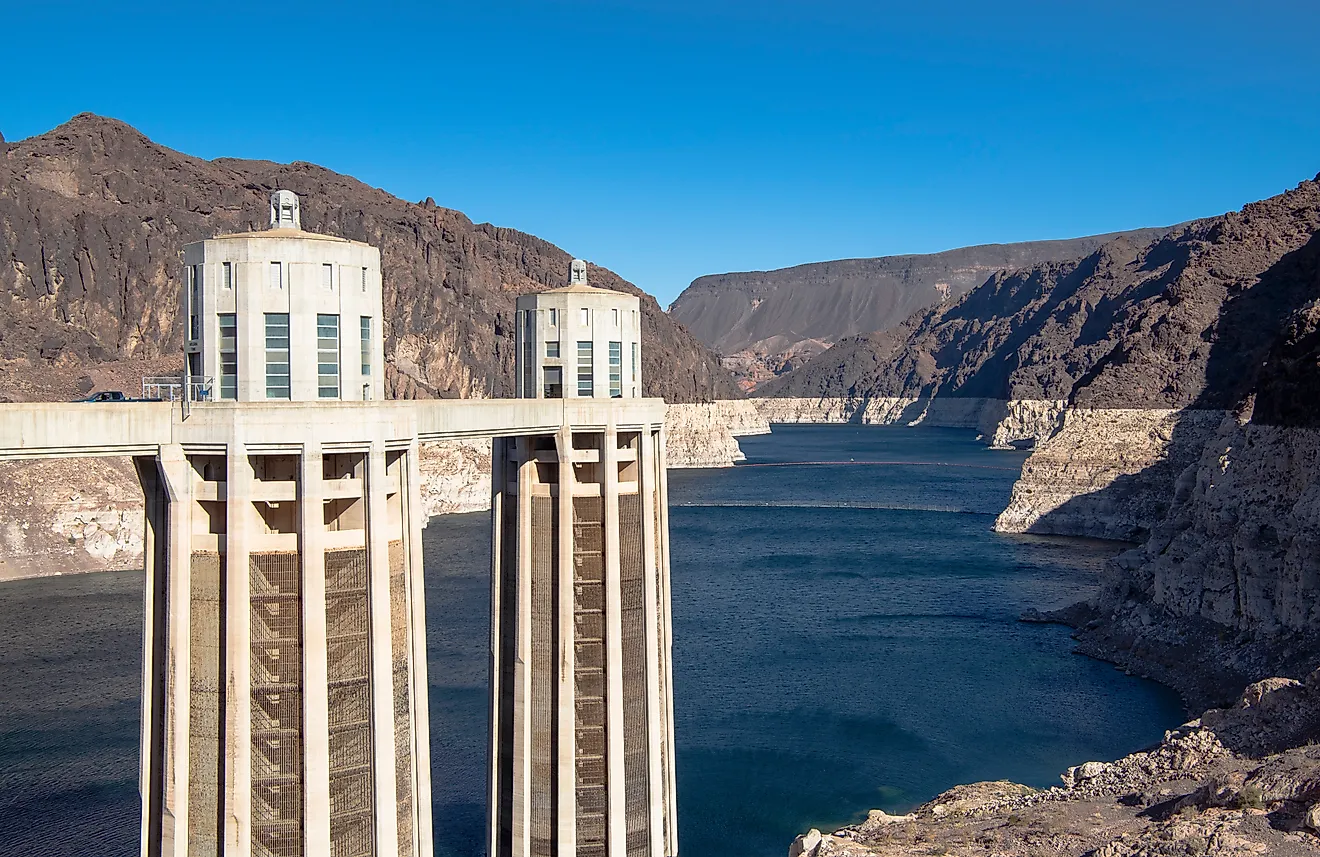
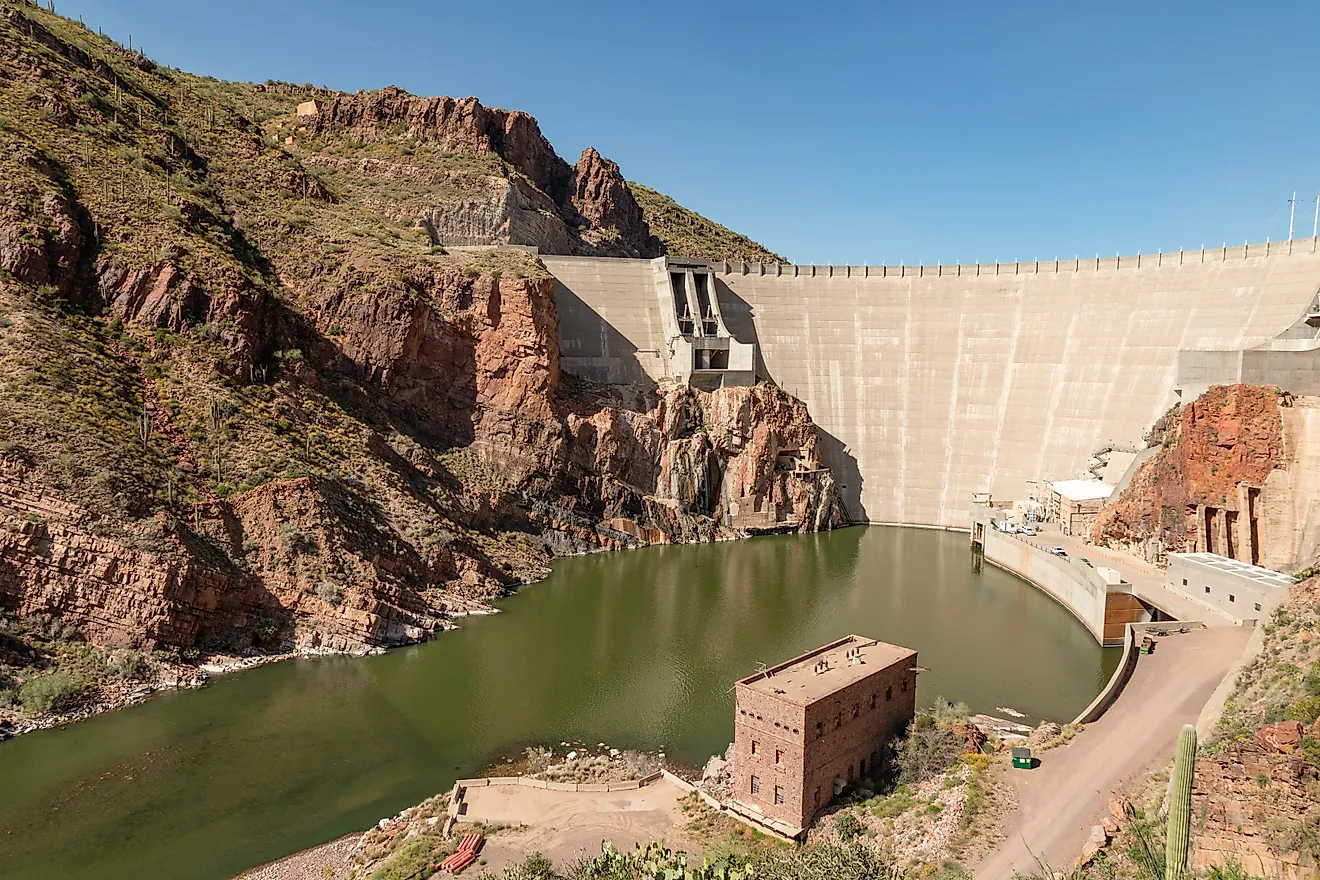
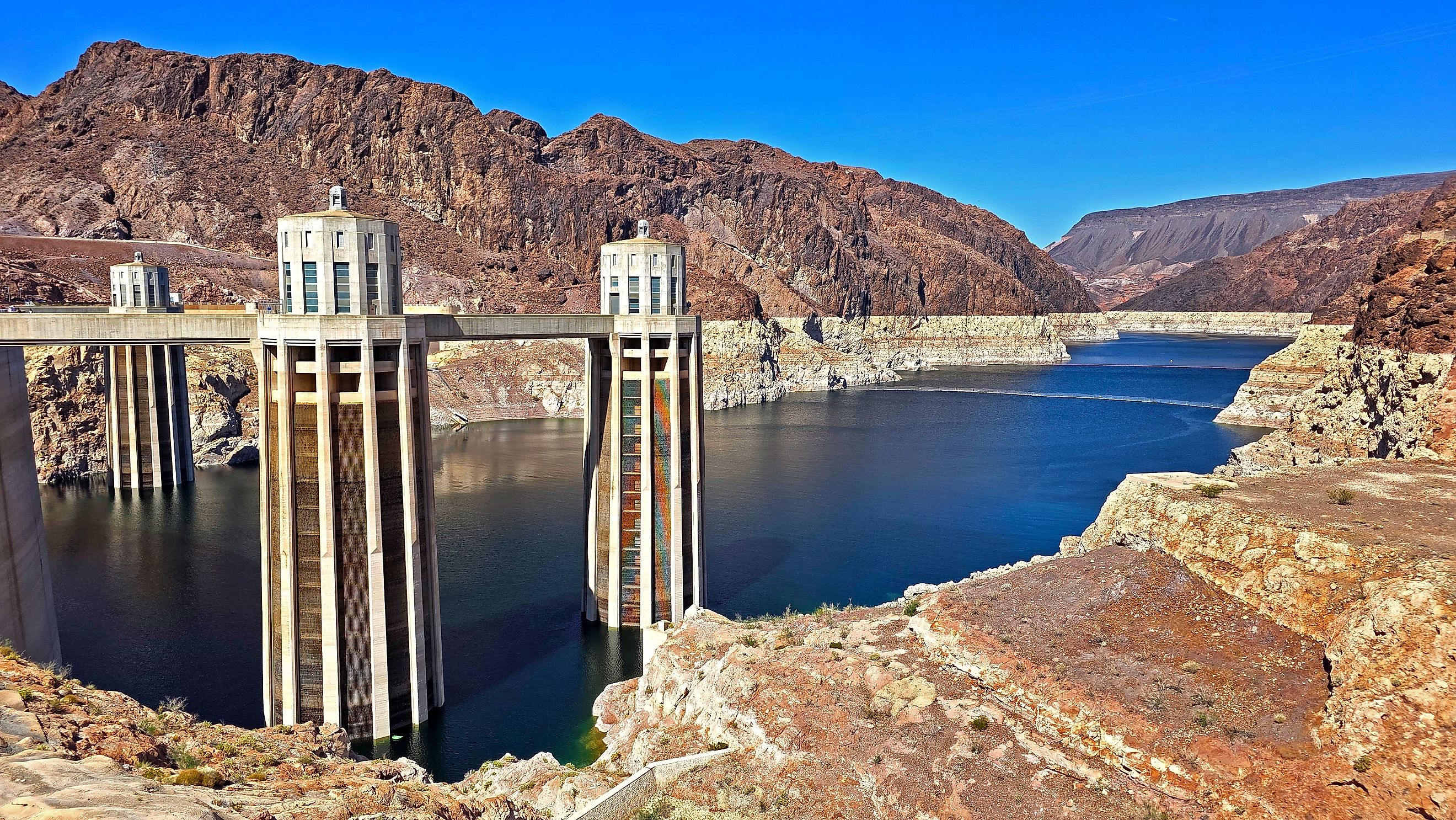
Hoover Dam is one of the largest concrete dams in the United States, a wall more than 700 feet high wedged into Black Canyon about 30 miles southeast of Las Vegas. Behind it sits Lake Mead, the largest reservoir in the country. That water is not scenery. It supplies roughly 25 million people and some of the most productive farmland in the country.
The region is living through its driest stretch in more than a thousand years, and Lake Mead has already fallen to levels not seen since it first filled in the 1930s. Against that backdrop, the question of what would happen if the dam came out stops sounding far-fetched. What the Colorado River would do without Hoover runs downstream in ways that would reshape life across the Southwest.
Las Vegas Would Need A Different Water Intake

Southern Nevada gets about 90 percent of its water supply from the Colorado River, primarily through Lake Mead. Its newest intake connects to a tunnel beneath the lake. A pumping station allows withdrawals below the reservoir's 895-foot "dead pool" elevation. Below that level, Hoover's existing outlets can no longer deliver water downstream.
That protection depends on water remaining over the intake. A drained reservoir would leave a much narrower river, with its channel and elevation determined by the valley floor and remaining sediment. An intake built for a submerged lakebed might sit above or away from the new channel. Before removing Hoover, Southern Nevada would need a replacement or substantially redesigned system connected to the resulting river, or another dependable supply.
Lake Mead allows much of the incoming sediment to settle before water reaches its lower basin. During drawdown, treatment facilities could face increased sediment in the water they received.
Hoover's Turbines Would Stop Generating Power

At the foot of Hoover Dam, the powerplant occupies two wings along opposite sides of Black Canyon. Seventeen main turbines occupy the plant, nine on the Arizona side and eight on the Nevada side. Water travels down large pipes to those turbines before returning to the Colorado. The height difference between Lake Mead and the river below supplies the pressure that makes this arrangement work.
As a planned drawdown reduced that height, generating capability would decline. With the dam removed and its reservoir gone, the existing plant could no longer generate electricity. Hoover has about 2,080 megawatts of nameplate capacity, although actual output depends on reservoir conditions and water releases. Its customers include the City of Los Angeles and the Colorado River Commission of Nevada, along with tribal and irrigation interests. They would need replacement power.
Downstream Dams Could Not Replace Lake Mead's Storage

Davis Dam stands 67 river miles below Hoover, just upstream of Laughlin and Bullhead City. Its reservoir, Lake Mohave, extends back toward Hoover's powerplant. Farther downstream, Parker Dam holds Lake Havasu, where pumps send Colorado River water toward Southern California and central Arizona. Those dams would remain in place if only Hoover were removed.
Lake Mohave can hold about 1.8 million acre-feet and Lake Havasu roughly 648,000. An acre-foot covers an acre of land one foot deep. Their combined capacity is less than one-tenth of Lake Mead's full capacity. These smaller reservoirs regulate deliveries along the lower river, including the water pumped out of Lake Havasu for Phoenix and the Los Angeles region.
Without Lake Mead's storage, operators would have less room to retain wet-year runoff for later use or hold back large inflows. Water deliveries would depend more directly on upstream releases and tributary flows.
Lake Mead Would Give Way To A River Channel

Lake Mead occupies a series of basins connected by narrow canyons along the Arizona-Nevada border. The Colorado enters after passing through the Grand Canyon, then crosses the reservoir toward Boulder Canyon and Boulder Basin before reaching Hoover Dam. As the lake drained, water would withdraw from its broad bays and concentrate along lower ground. Tributaries such as the Virgin River would extend across exposed reservoir beds toward the Colorado.
The resulting landscape would include a flowing channel beneath slopes that now descend into open water. Lake-based marinas would lose the water they depend on, and access roads would end above a changing river corridor. Some exposed ground would be rocky; other stretches would hold sediment accumulated since the reservoir began filling in 1935. The river would begin cutting a channel through those deposits, with banks continuing to erode as the water level fell.
The Colorado Would Cut Into Decades Of Sediment
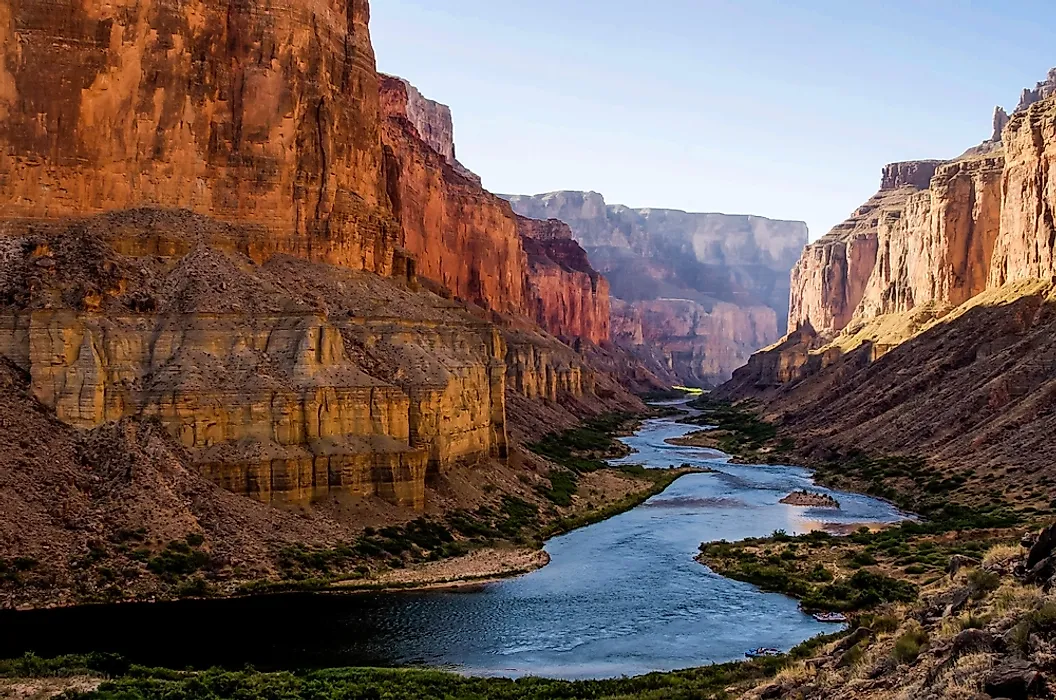
Where the Colorado slows on entering Lake Mead, it deposits material carried downstream. Thick deposits have accumulated in the reservoir's delta, with sediment also covering the submerged floors of the old river valleys. Falling lake levels have already exposed part of this material. Near the lower end of the Grand Canyon, the river has cut into the Lake Mead delta as the reservoir has retreated.
A complete drawdown would extend that adjustment downstream. Water would erode some deposits and carry sediment toward Black Canyon, potentially increasing turbidity and depositing material in Lake Mohave below. The amount moved would depend on the sediment's texture and the pace of drainage.
A removal plan would need to control sediment releases alongside water releases; lowering the reservoir would expose material that could keep eroding afterward.
Fish Habitat Would Change On Both Sides Of Black Canyon

Below Hoover, water released from Lake Mead is relatively clear because sediment has settled inside the reservoir. Farther upstream, Glen Canyon Dam has already altered the Colorado's seasonal flows and sediment supply. Leaving Glen Canyon in place would preserve those upstream controls even after Hoover disappeared.
Within the drained Lake Mead basin, flowing channels would replace much of the deep-water habitat. Removing Hoover would also eliminate a barrier to fish movement at Black Canyon, although Davis Dam would remain downstream.
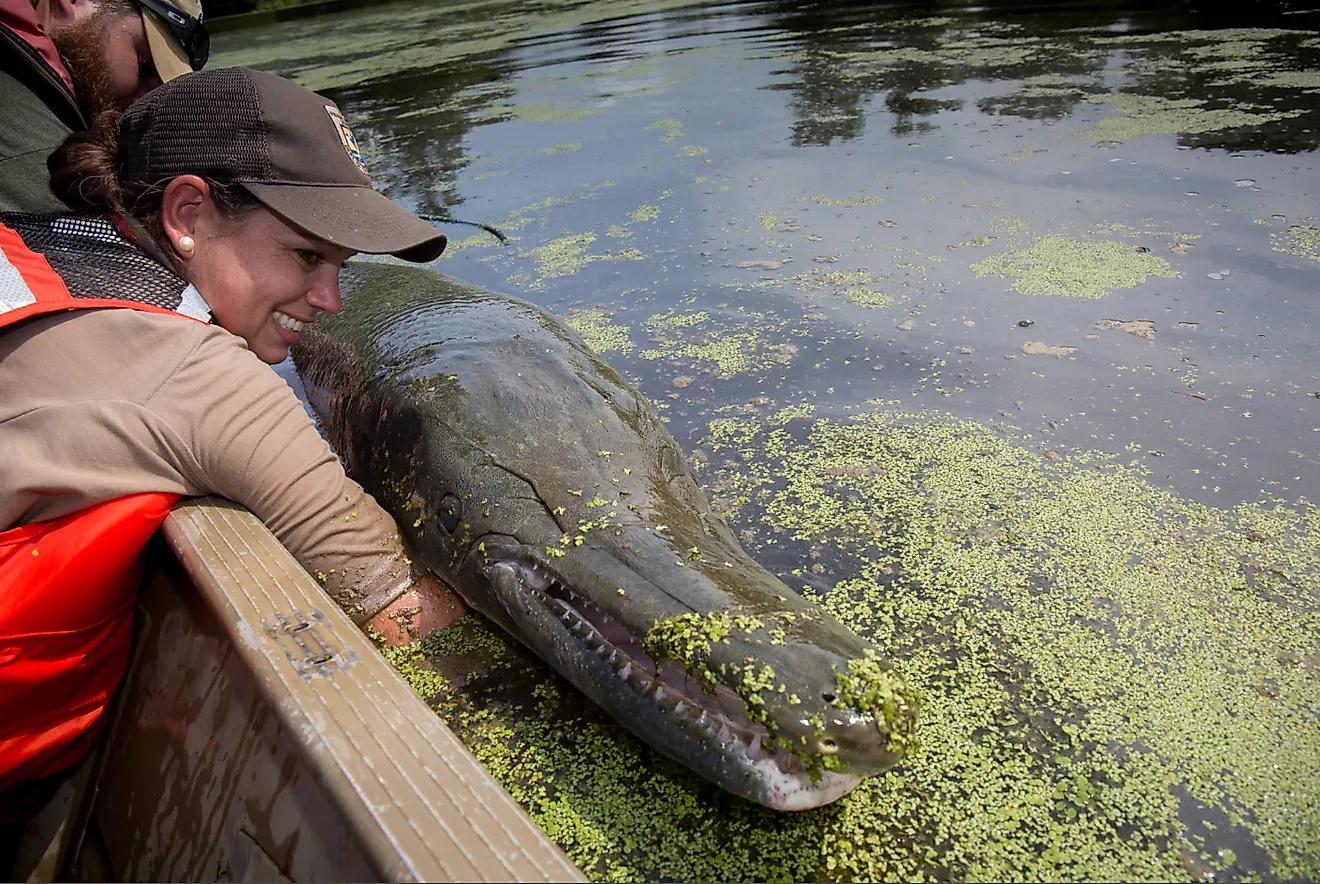
Lake Mead supports a naturally reproducing population of native razorback suckers, which also move into the Grand Canyon. Draining the lake would alter habitat used by those fish. Reservoir removal could create additional river habitat, but the loss of existing spawning and rearing areas would also need assessment. Native-fish recovery would still depend on suitable flows and managing the introduced predators already living in the Colorado system.
More Water Would Not Automatically Reach The Sea

Lake Mead loses water to evaporation across its broad surface. Replacing much of that open water with a narrower river would reduce evaporation at the reservoir site. The net savings would depend partly on where water was stored afterward, as well as losses from the exposed ground and new vegetation. Removing Hoover would not increase the snowmelt entering the Colorado River Basin.
Far downstream, diversions would still carry water into farms and cities before the river reached Mexico's delta. Keeping additional water in the channel would require changes in how it was allocated and released. In 2014, a deliberately arranged pulse flow below Morelos Dam reached the Colorado River estuary at the northern Gulf of California.
At Las Vegas Bay, the connection between the city and the Colorado runs in both directions. Southern Nevada draws water from Lake Mead, then returns highly treated wastewater through Las Vegas Wash. The region recycles about 99 percent of water used indoors, allowing much of the supply to be used again. Returns to the river earn credits that allow additional withdrawals under Nevada's water accounting rules. Removing Hoover would change the receiving water at the end of that wash as Lake Mead receded toward a river channel. A replacement drinking-water intake would need to account for where the returning water entered and how it mixed with the Colorado.