Where Las Vegas Would Get Water If Lake Mead Failed
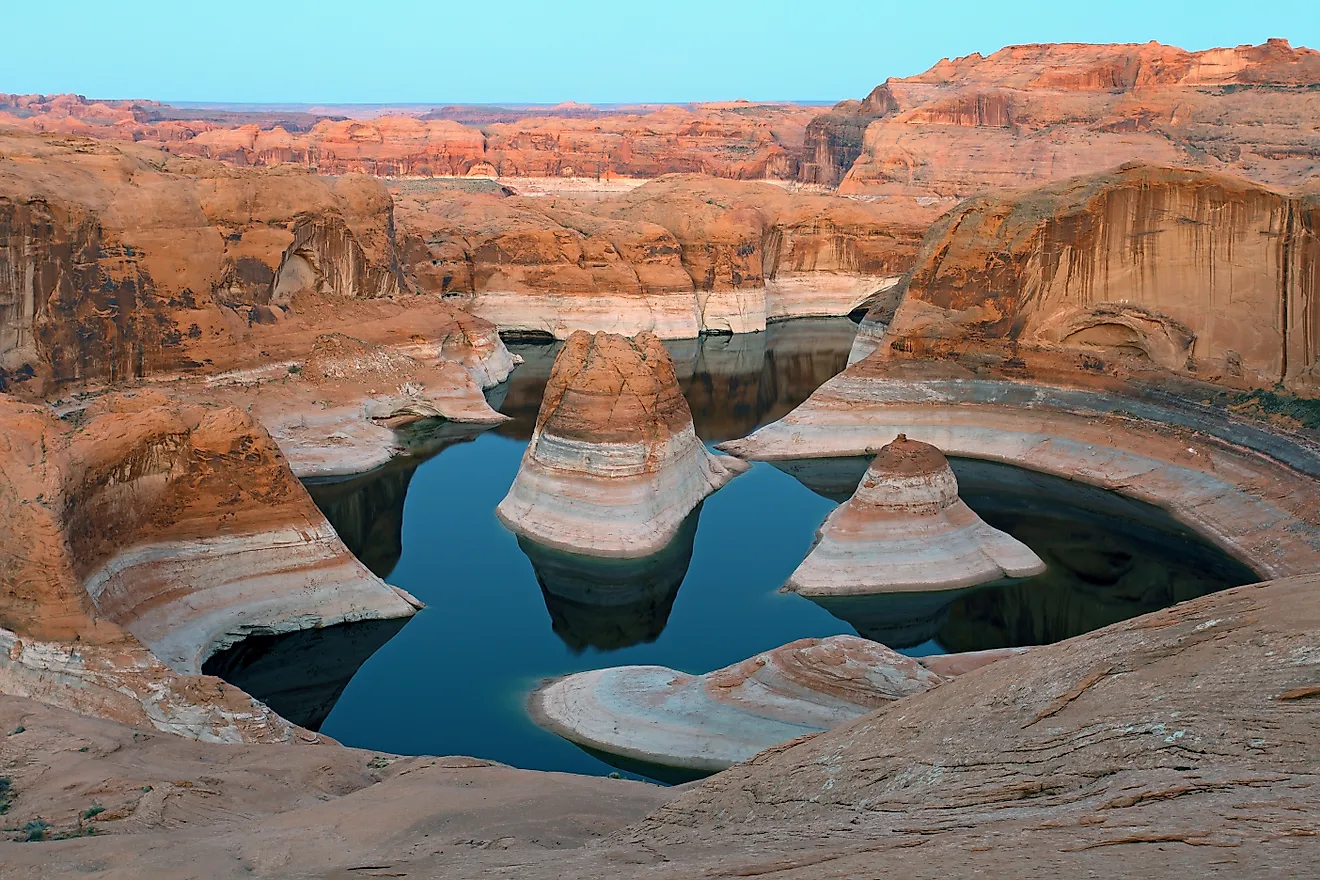
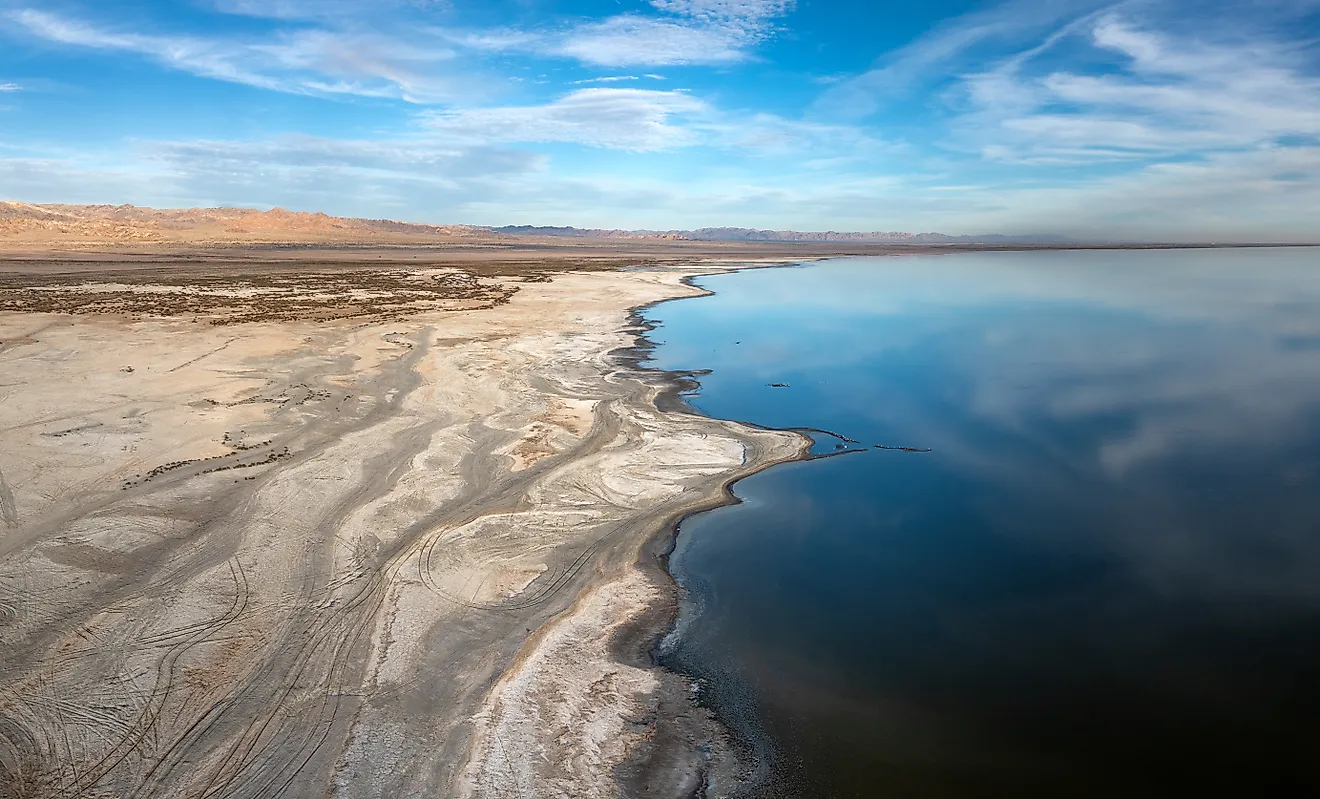
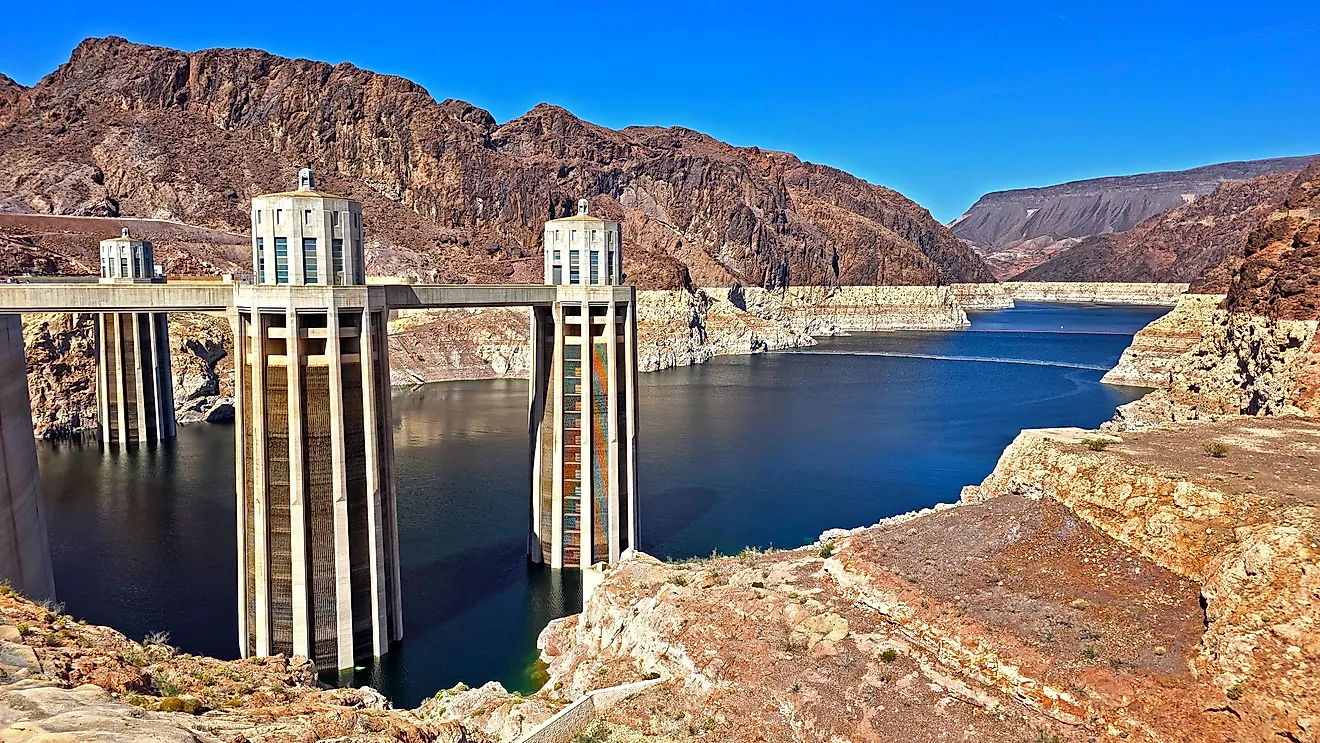
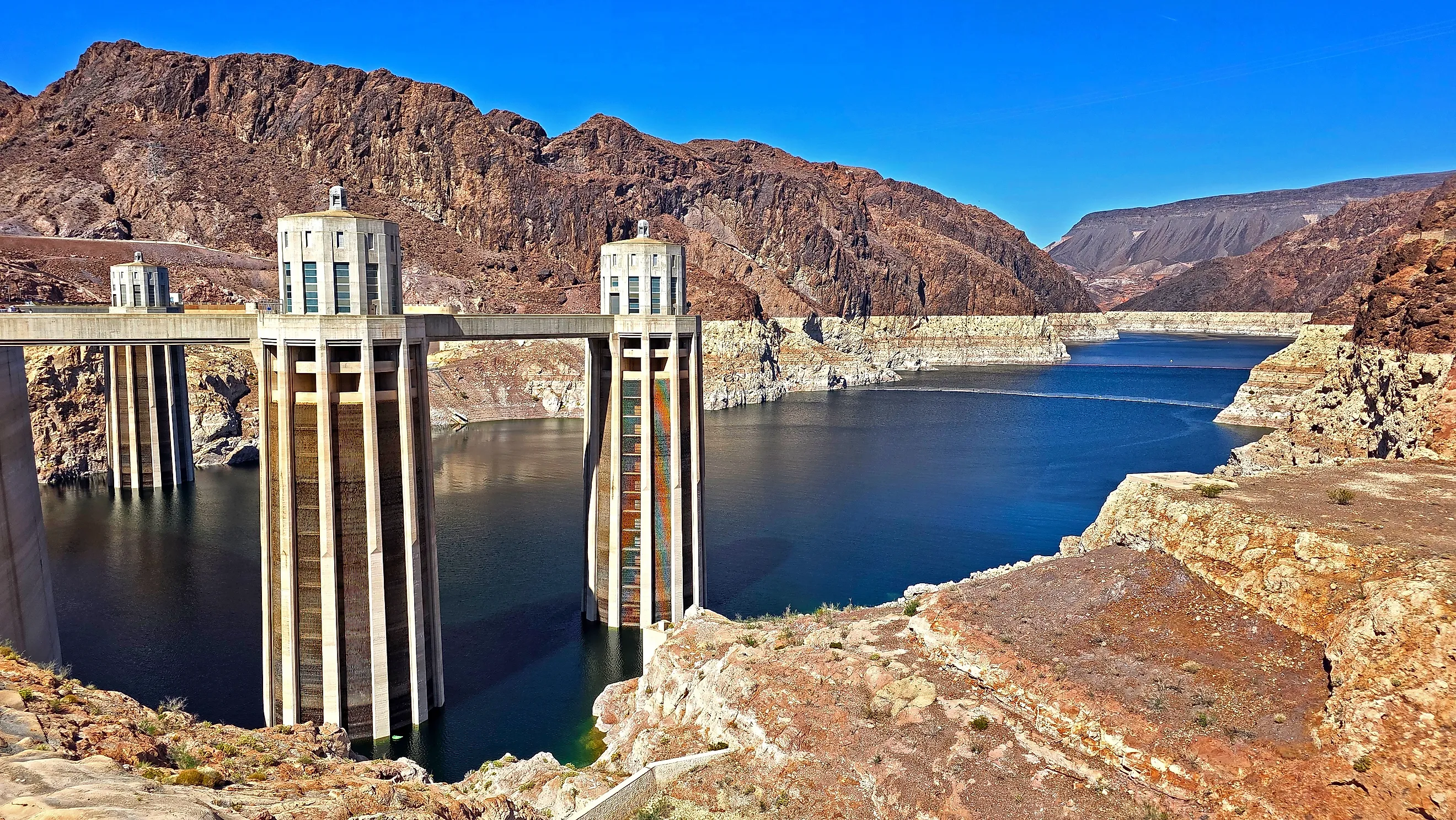
Southern Nevada relies on Lake Mead for nearly 90 percent of its water supply, a large reservoir created by Hoover Dam on the Colorado River. Since 2000, a persistent drought has lowered the lake by about 160 feet, reducing it to roughly one-third of its full capacity. This situation prompts an important question: if Lake Mead were to "fail," where would the over two-million residents of Las Vegas get their water? The answer is straightforward and carefully planned. For more than twenty years, Las Vegas has invested over a billion dollars in infrastructure to ensure water access in such a crisis. Essentially, the city would continue to draw water from Lake Mead, using specially designed systems. Here's how it operates, and what conditions would lead to that scenario.
What "Failing" Actually Means

It helps to be precise with terminology, because "failing" is often used loosely. The level people usually mean is "dead pool," which for Lake Mead sits at 895 feet above sea level. That is the point at which water can no longer pass through Hoover Dam to generate power or flow downstream to users in California, Arizona, and Mexico. Crucially, dead pool does not mean the lake is empty. It means the reservoir has dropped too low to feed the dam by gravity. For context, Lake Mead's full pool is 1,229 feet, and even at its 2022 record low it sat around 1,040 feet, still well above dead pool. So the scenario in question is a serious but gradual and heavily monitored decline, not a lake that vanishes overnight.
The Third Straw

Nevada's key infrastructure is Intake No. 3, known as the "Third Straw." Approved by the Southern Nevada Water Authority in 2005 and activated in September 2015, it was developed because the older, higher intakes risked being rendered useless as lake levels dropped. Building it involved drilling a three-mile tunnel through rock, much of which sits beneath the reservoir, reaching an intake at 860 feet elevation—about 35 feet below the 895-foot dead pool level. Essentially, the Third Straw was intentionally placed low enough to allow Southern Nevada to continue extracting water from Lake Mead even when the dam no longer releases water downstream.
The Pumping Station That Makes It Work

An intake near the lakebed is only useful if you can lift the water out, which is the job of the Low Lake Level Pumping Station. Completed in 2020 and fully operational by April 2022, the station came in under budget at about $522 million. It involved sinking an access shaft more than 500 feet deep and carving out an underground cavern that feeds 34 vertical pumping shafts. It can move up to 900 million gallons a day, and its primary pumps reach down to roughly 875 feet. Working together, the Third Straw and this pumping station guarantee that Southern Nevada can access water below the dead-pool line. The combined cost of the two projects was about $1.5 billion, paid for by local ratepayers.
Why Las Vegas Draws Water Others Cannot

This is the key distinction. California, Arizona, and Mexico receive their Colorado River water through releases from Hoover Dam, so when the lake drops to dead pool and the dam can no longer pass water, those deliveries stop. In contrast, Las Vegas pumps water directly from the reservoir upstream of the dam, allowing it to maintain access even when downstream supplies are cut off. Nevada's water use is minimal—its allocation is only 300,000 acre-feet annually, the smallest among basin states, and it recycles nearly all of its indoor water back to Lake Mead via return-flow credits, which allows it to withdraw more. Combined with significant reductions in per-capita usage, these conservation efforts have made Las Vegas one of the most water-efficient large cities in North America.
What Would Actually Have To Happen

Here is the hard limit of all this engineering: a deeper intake buys access, not water. As one summary of the project put it, a deeper straw can buy time, but it does not create new water in the Colorado River system. If the lake ever approached dead pool, the meaningful response would not be a Las Vegas project. It would be a basin-wide reckoning: the seven Colorado River states, Mexico, and dozens of tribes agreeing to much deeper cuts, guided by the new operating rules being negotiated to replace guidelines that expire in 2026. The underlying problem is that the river has long been over-allocated, promising more water on paper than a basin now shaped by megadrought and a warming climate reliably delivers. Physical access to the lake matters only if enough water keeps flowing into it.
The Measured Bottom Line

So, where would Las Vegas get its water if Lake Mead failed? Overwhelmingly, it would still come from Lake Mead, through the Third Straw and its deep pumping station, which were designed to operate below the point where Hoover Dam stops releasing water. That makes Las Vegas arguably the best-prepared major user on the entire river, having secured its access while using less water than almost any comparable city. None of that means the Colorado River's troubles are solved, because they are regional, long-term, and shared. But the specific fear that Las Vegas would suddenly run dry is misplaced. The city's water future rests less on a single reservoir's level than on whether the whole basin can agree to live within the water the river actually provides.