The Stormiest Lakes In The United States
The deadliest storm ever to hit an American lake was a hurricane, and it killed more people than every Great Lakes shipwreck combined. On September 16, 1928, a Category 4 pushed a storm surge over the small dike at the south end of Lake Okeechobee and drowned at least 2,500 people, most of them migrant farm workers. It remains the deadliest disaster in Florida's history and the second-deadliest hurricane ever to strike the American mainland. Lake storms are not a Great Lakes monopoly, though the Great Lakes hold most of the other records. The systems that generate them are also more varied than the roster suggests, running from tropical cyclones to collapsing pressure bombs to a lake that simply tilts.
Lake Okeechobee Takes The Worst Single Storm

Okeechobee is enormous and shallow, covering 730 square miles at an average depth of about nine feet, which is the worst possible combination when a hurricane arrives.
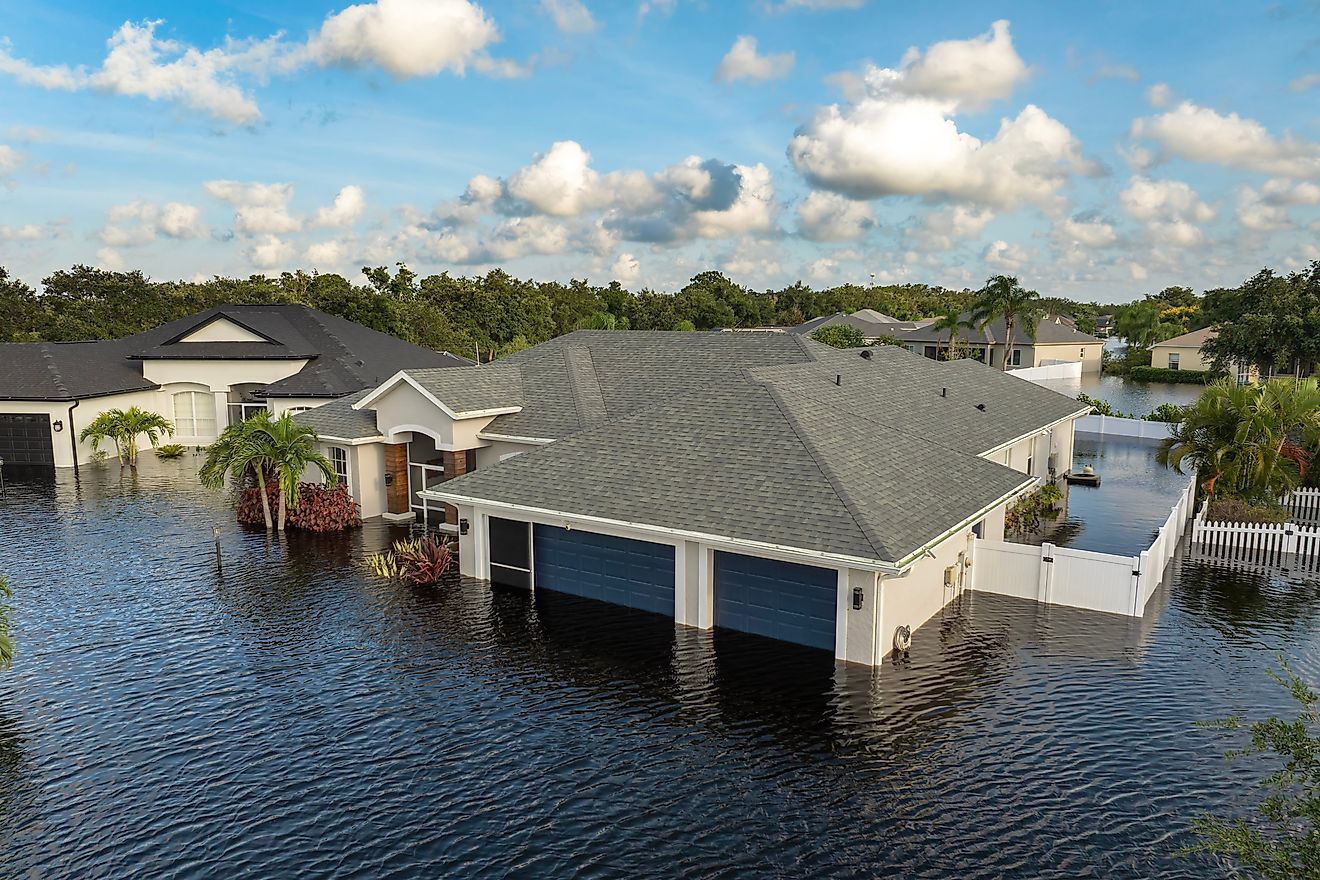
The 1928 storm came ashore near West Palm Beach with sustained winds around 145 miles per hour, crossed the state, and drove the lake water south. There was no deep basin to absorb it. The surge overtopped the dike, flooded hundreds of square miles, and the death toll was initially put at 1,836 before the National Weather Service revised it to at least 2,500 in 2003, with a note that the real figure was probably higher.
One mass grave near Port Mayaca holds 1,600 victims. The Herbert Hoover Dike, which now rings the lake, was built in the 1930s in direct response.
Lake Superior Holds The Wave Record

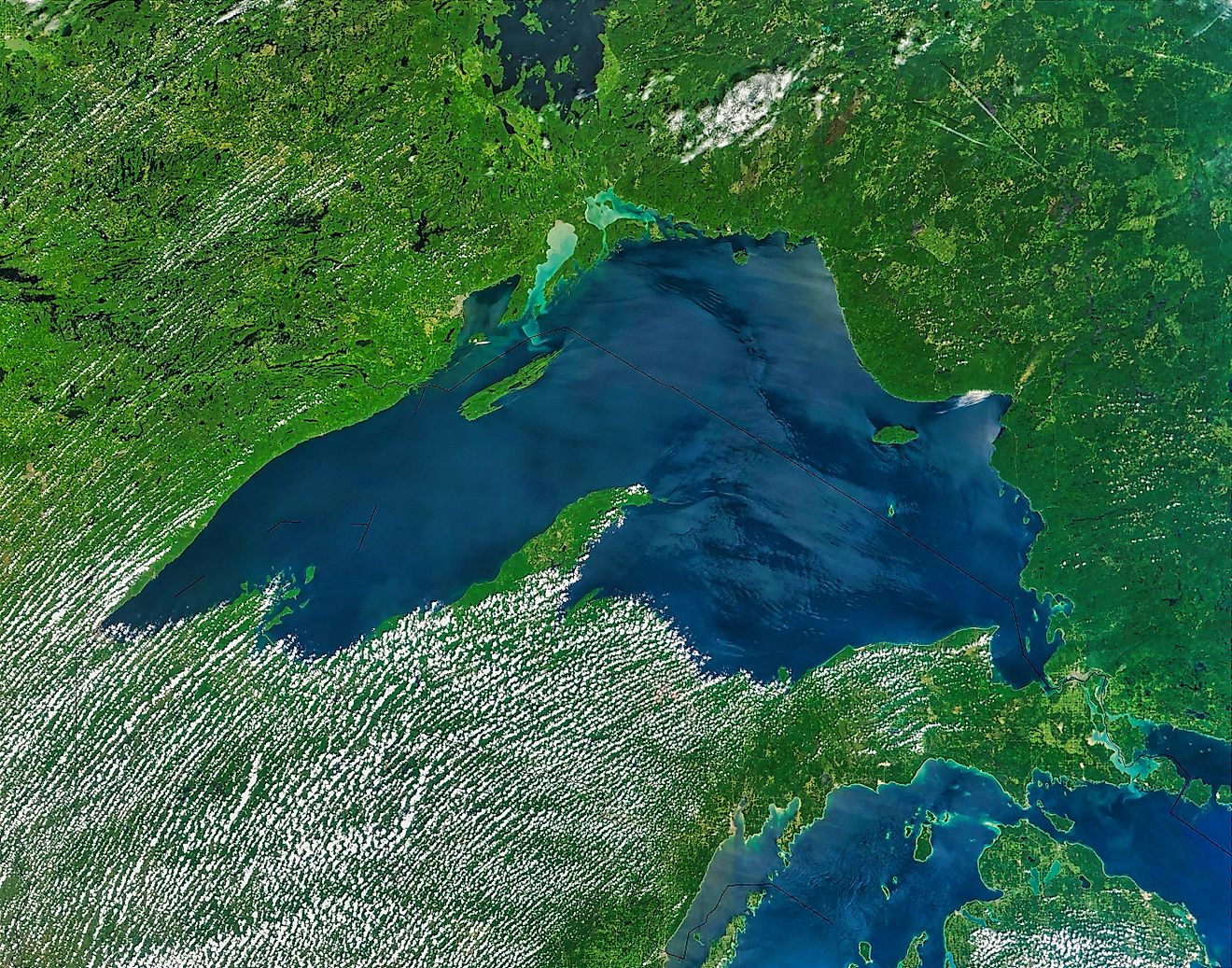
For storms generated on the lake rather than arriving from the tropics, Superior is the benchmark. A buoy off Granite Island north of Marquette measured a 28.8-foot wave on October 24, 2017, the largest ever recorded on the Great Lakes. The same storm produced 77 mile-per-hour winds at Stannard Rock. National Weather Service modeling puts the waves on the night the Edmund Fitzgerald sank in 1975 at 25 feet or more.
The mechanism has a name that fits. Bomb cyclogenesis describes a storm whose central pressure collapses rapidly, and it is what produced both the 2017 record and the 1975 disaster.
The Rogue Wave Problem
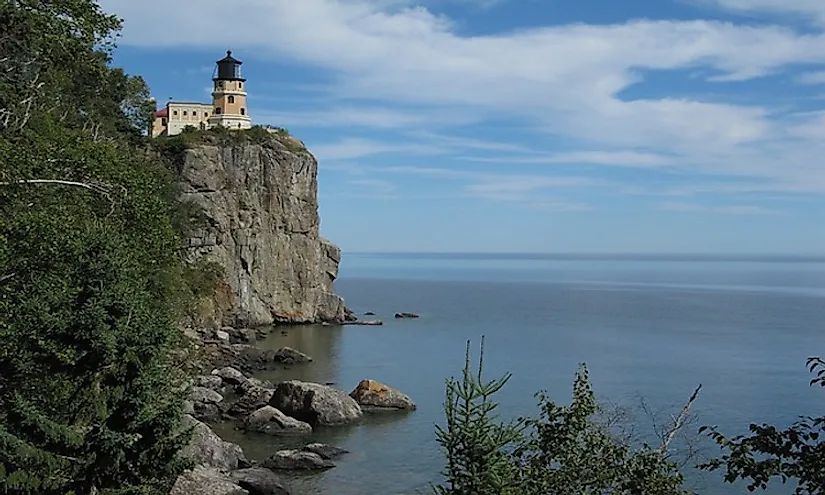
Here is the detail that makes those numbers worse than they look, and it is the reason the Great Lakes sink ships. Recorded wave heights are significant wave heights, which means the average of the highest one third. The National Weather Service notes plainly that rare peak waves can be as much as twice the significant wave height.
NOAA modeling of the Fitzgerald storm found that winds of that velocity would have generated significant waves around 24.6 feet, and could have produced an individual wave of 46 feet. The models showed one such wave occurring at the exact time and location of the sinking. University of Wisconsin research has since found that these freak waves occur often in the Great Lakes.
November Is The Month

The seasonal concentration of Great Lakes storms is not folklore, and it was documented long before anybody wrote a song about it.
A survey of 238 significant storms crossing the Great Lakes between 1876 and 1900 found 45 severe ones in November, making it the month with the most frequent strong storms across that entire 25-year record.
The cause is a collision. Arctic air pushes south in late autumn while warm moist air is still being drawn up from the Gulf, and the Great Lakes sit on the seam. A gale warning on these waters means sustained winds or frequent gusts between 39 and 54 miles per hour.
The Storms Nobody Sings About

The Edmund Fitzgerald gets the attention and was not the worst, which is worth saying plainly. The White Hurricane of November 1913 formed when two storms converged over the lakes into an extratropical cyclone with hurricane-force winds, wave heights and casualties to match the name. The Armistice Day Blizzard of 1940 and the Lake Huron Cyclone of 1996 both produced winds above 73 miles per hour.
The Fitzgerald dominates the memory partly because of shock, since nobody in the 1970s believed a 728-foot ship could sink on a lake, and partly because of a Gordon Lightfoot song.
Lake Erie Tilts

Erie produces a storm effect the other lakes cannot match, and it is less about waves than about the entire lake moving.
A seiche happens when sustained wind pushes water to one end of a basin, raising the level there and dropping it at the other. All the Great Lakes do it. Erie does it hardest, because it is the shallowest and runs 225 miles southwest to northeast, straight along the prevailing wind.
On January 30, 2008, Erie had 12 to 16 foot waves on top of a record seiche that flooded a residential area near Buffalo. The lake exceeded flood stage by 11 feet and stayed there for more than three hours.
Buffalo And Toledo Sit At Opposite Ends
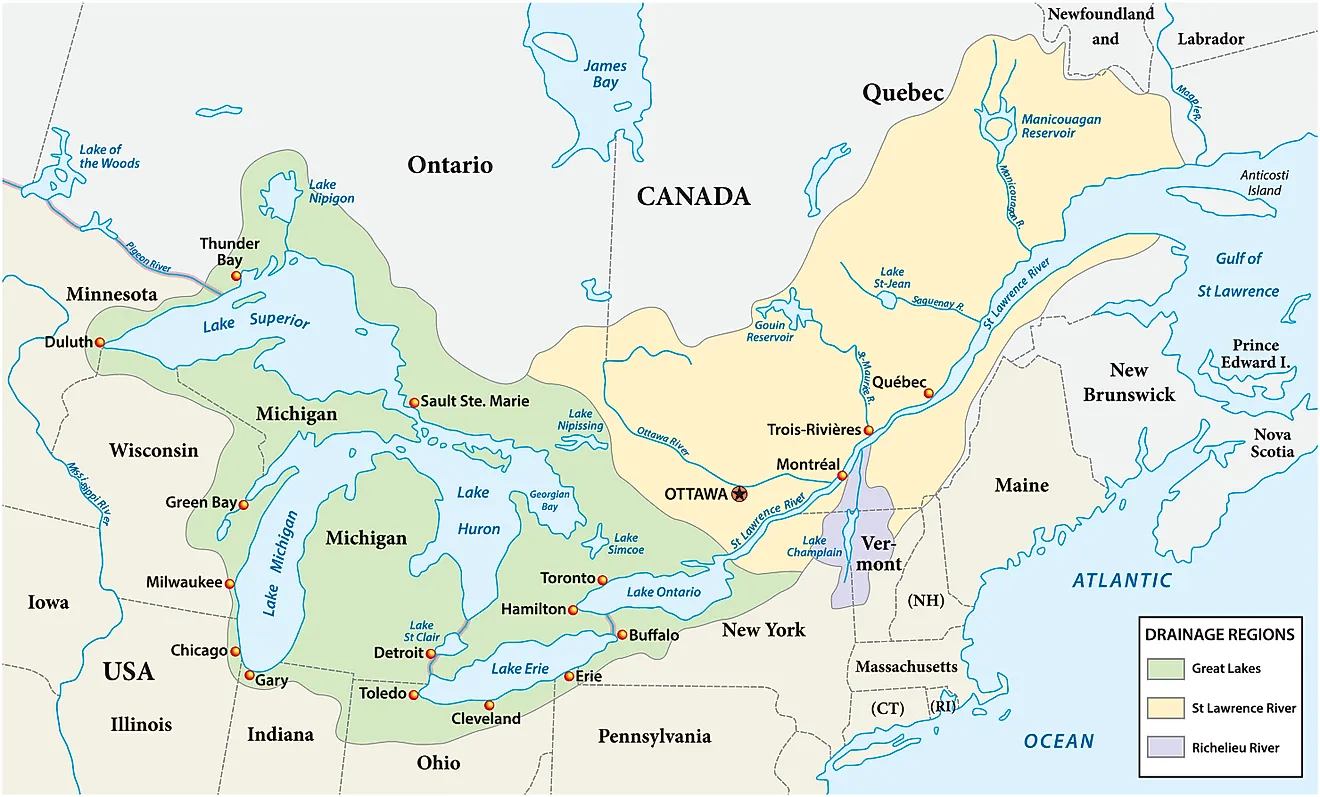
The geography makes two cities unusually exposed to the same event in opposite directions. Buffalo sits at Erie's eastern end and Toledo at the western, so a strong southwesterly piles water onto Buffalo while draining it away from Toledo. In December 2025, winds of 35 to 45 miles per hour gusting to 75 raised the lake more than six feet at Buffalo in eight hours, with close to an eight-foot difference between the two ends of the lake at the same moment.
Toledo's version of the hazard is the opposite problem: water levels dropping far enough to strand vessels and expose intakes.
The Other Great Lakes Are Not Spared

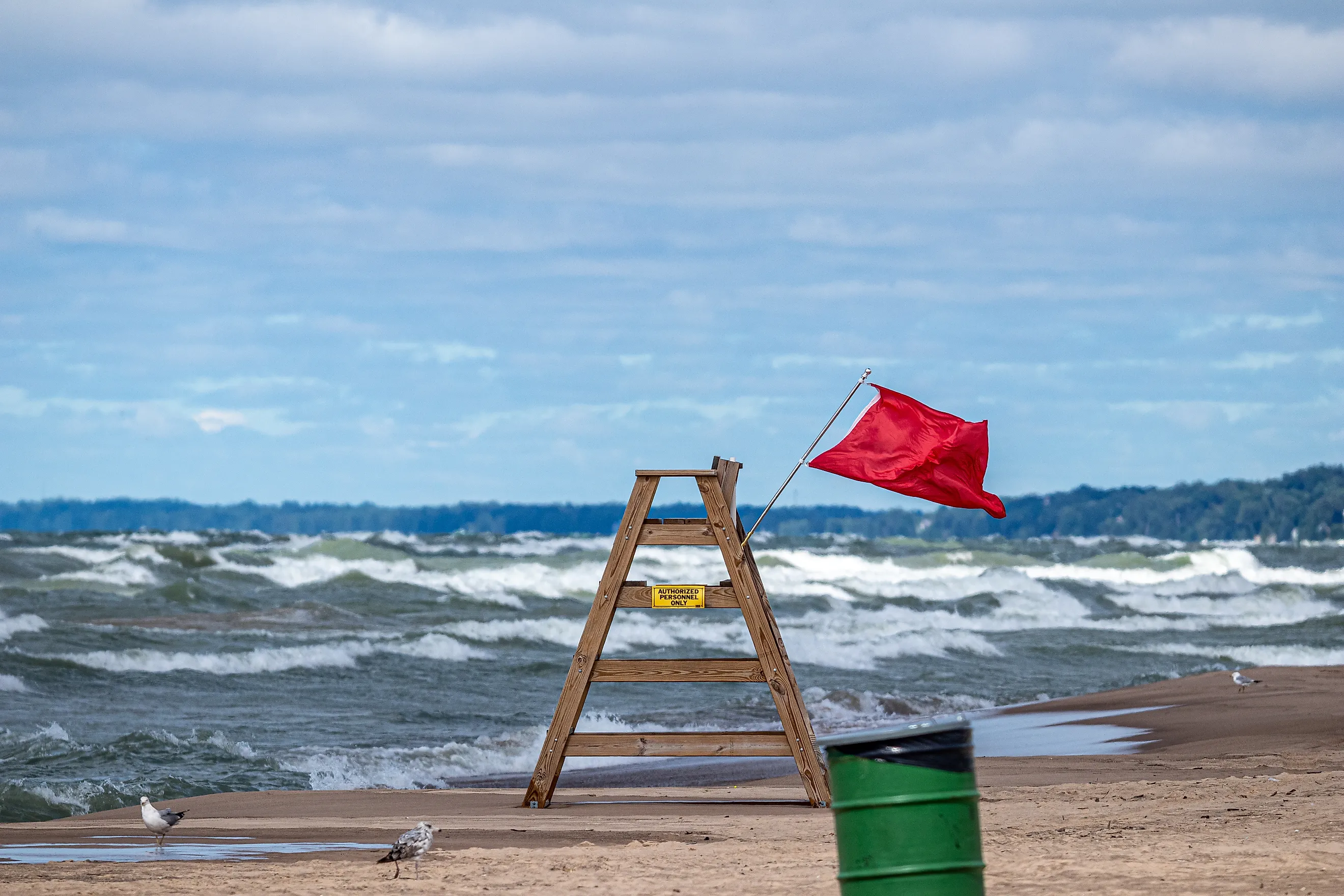
Superior gets the records, and the rest of the system gets the same storms. In a single recent forecast, Lake Michigan waves were expected to top 18 feet, Lake Huron was under a gale watch with gusts to 54 miles per hour and waves to 26 feet, and Erie faced gusts to 70 with 17-foot waves. Heavy freezing spray was forecast across all of them.
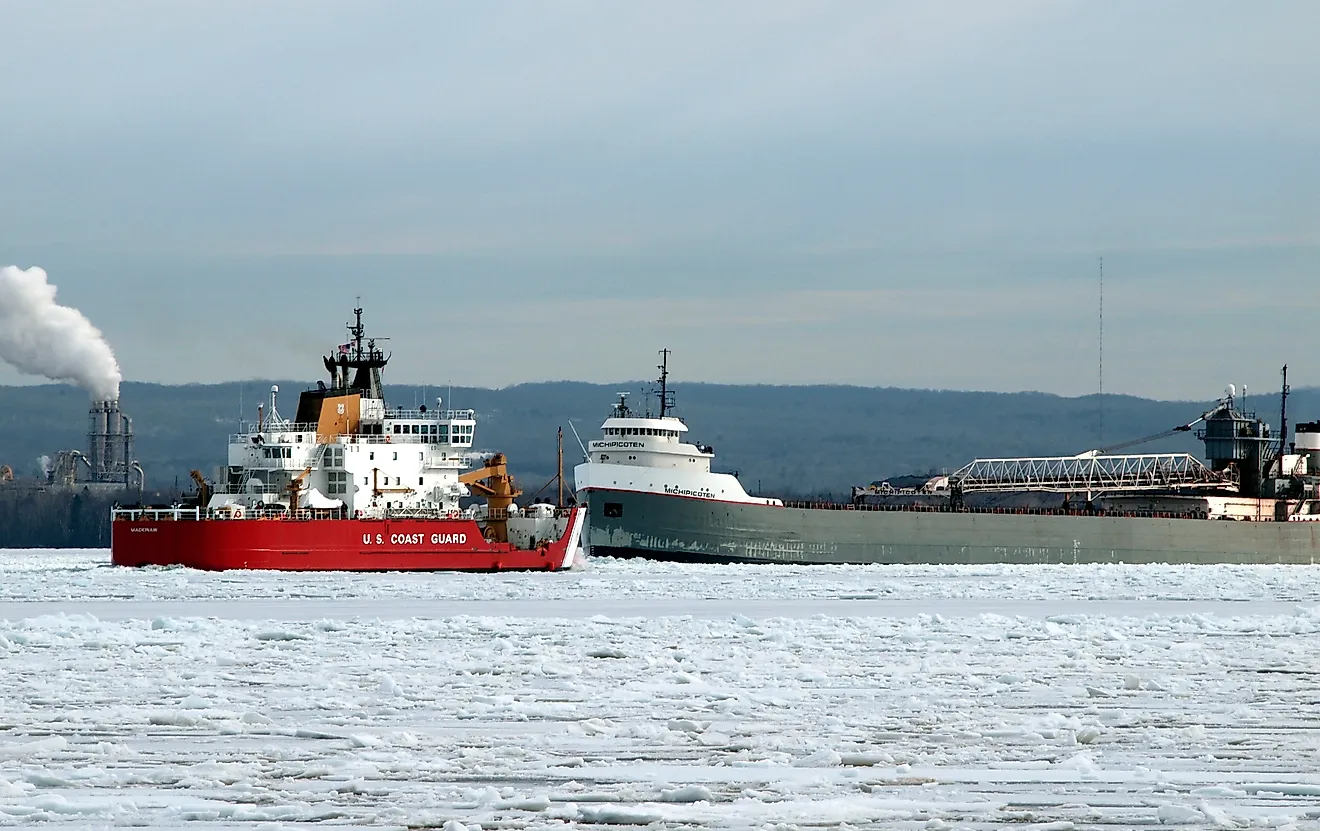
A wave in November on Lake Michigan broke over a lighthouse standing 67 feet tall. Freighters not already in port move toward shore and into sheltered water when these systems arrive, which is the clearest indication of how seriously the commercial fleet takes them.
Why Lake Storms Hit Harder Than Their Size Suggests

Three things make a lake storm more dangerous than an ocean storm of equivalent wind speed. Lake waves have much shorter periods, so they arrive far more frequently and give a vessel or a swimmer no recovery time between them. Waves rebound off shorelines and structures, which the open ocean does not do, creating confused and steeper seas. And there is nowhere to run, because a ship cannot ride out a lake storm by heading for open water away from navigational hazards.
That combination is why the White Hurricane of 1913 was so destructive, and why 28 feet on a lake is a more serious proposition than 28 feet in the Atlantic.
The Ranking
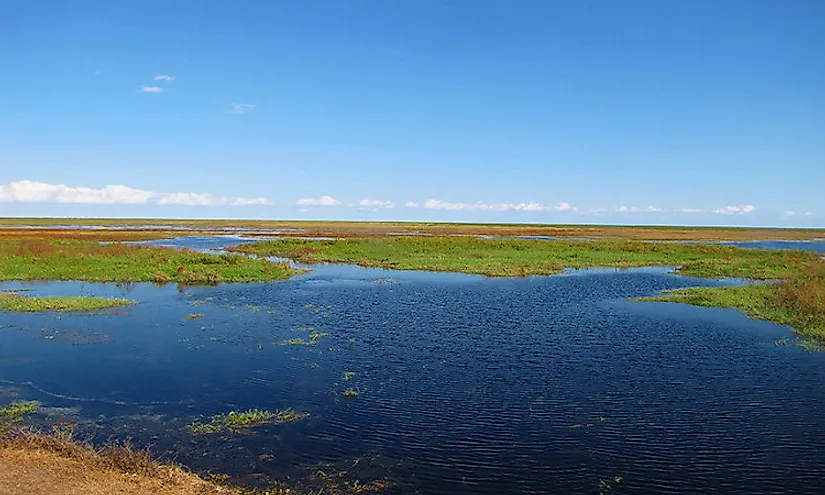
By worst single storm it is Lake Okeechobee, where a 1928 hurricane killed at least 2,500 people. By wave height and sustained severity it is Lake Superior, holding the 28.8-foot record and the November gales that took the Fitzgerald. By frequency and sheer strangeness it is Lake Erie, which tilts.
The common thread is shallowness and exposure. Okeechobee is nine feet deep with no basin to absorb a surge, Erie is the shallowest Great Lake lying along the wind, and Superior is deep but has the longest fetch in the country. Depth protects a lake or dooms it depending on which way the wind is pointing.