Why Lake Powell Has More Shoreline Than The California Coast
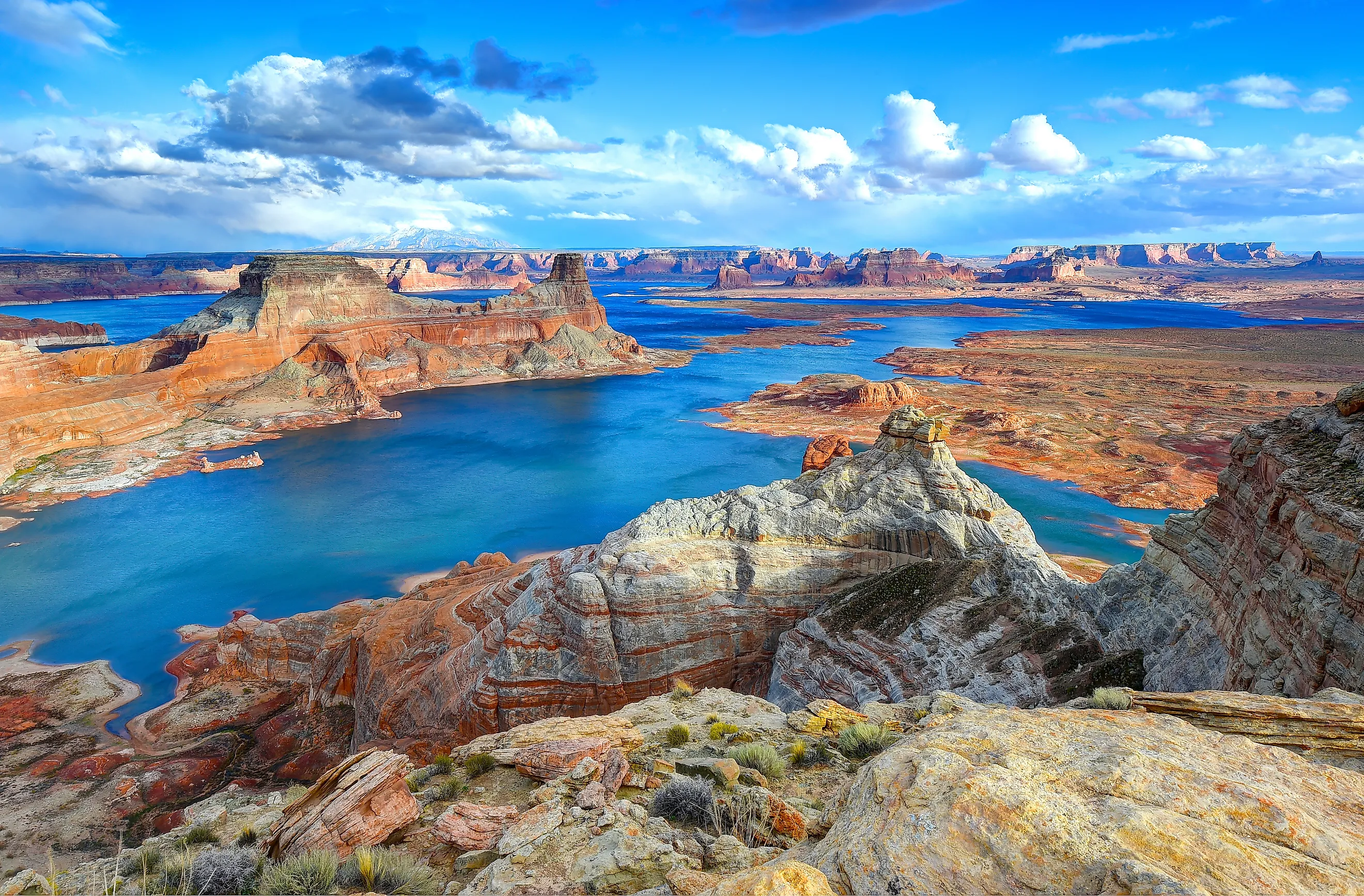
Here is a geography fact that sounds completely made up: a landlocked reservoir out in the Utah and Arizona desert has more than twice as much shoreline as the entire California coast. Lake Powell's shore runs for nearly 2,000 miles, while California's famous Pacific coastline measures only about 840. So how on earth does a desert lake out-shore the Golden State? The answer comes down almost entirely to shape.
The Numbers

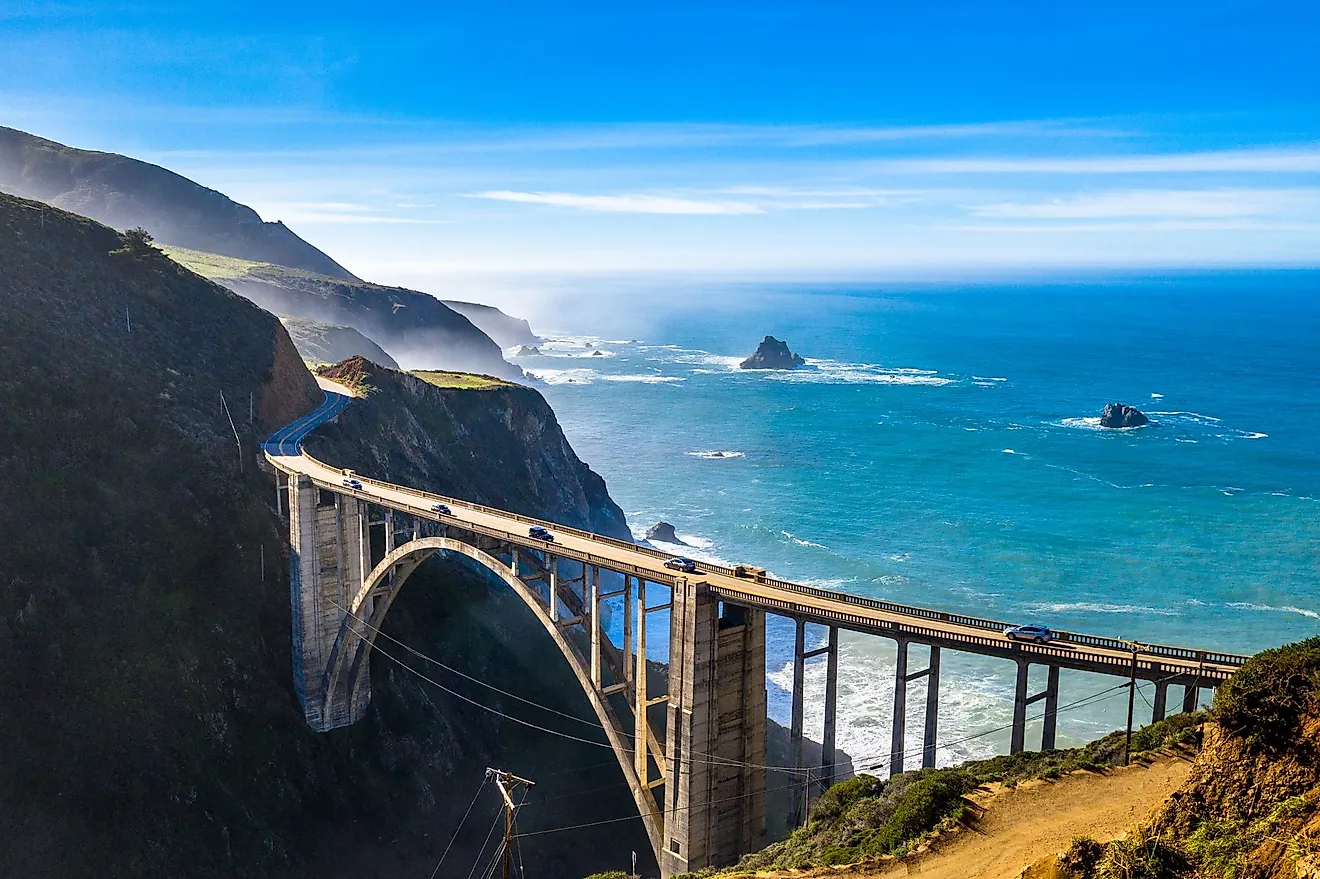
Let's lay the figures side by side. At full pool, Lake Powell has roughly 1,960 miles of shoreline, according to the National Park Service. California's general coastline, measured the standard way, comes to about 840 miles. That makes Powell's shoreline more than twice as long as the coast of the single most populous state in America. In fact, it beats the whole West Coast: California, Oregon, and Washington combined have around 1,293 miles of coastline, and a single desert reservoir still comes out ahead.
Blame the Side Canyons

The real secret is what Lake Powell flooded in the first place. When Glen Canyon Dam plugged the Colorado River in the 1960s, the rising water did not fill a simple bowl. It backed up into Glen Canyon's labyrinth of sandstone gorges, drowning 96 major side canyons along with hundreds of smaller coves and inlets. The shoreline has to trace its way into, and then all the way back out of, every single one of those branching fingers, so instead of running in a tidy line, it zig-zags for nearly 2,000 miles. California's coast, by comparison, is relatively smooth and straight.
The Coastline Paradox
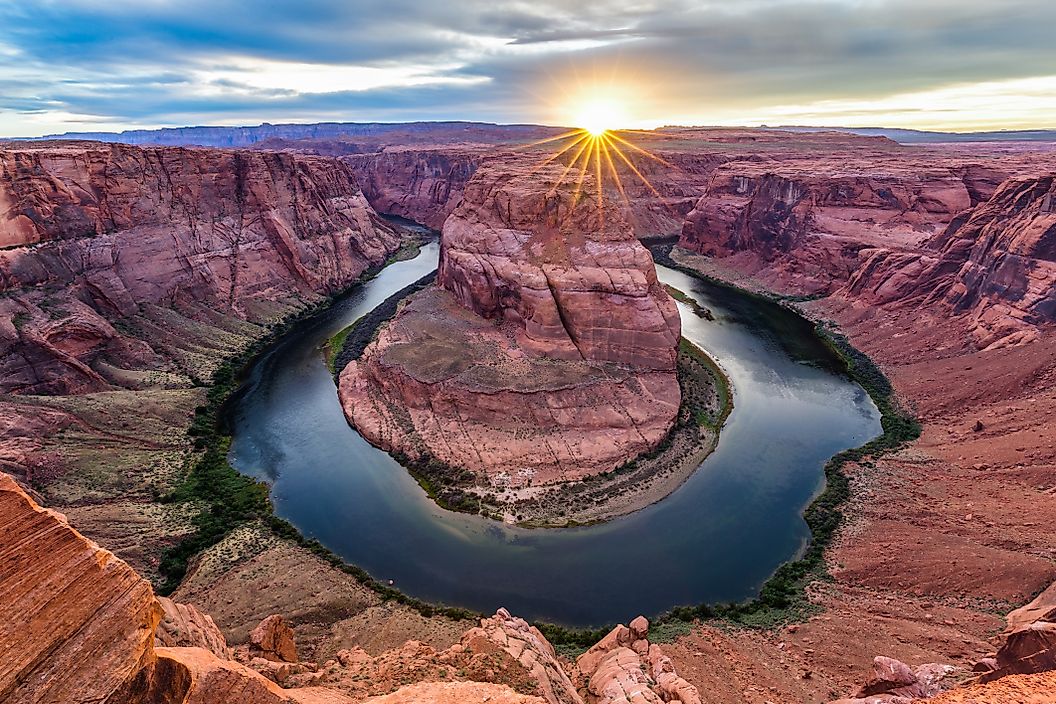
There is a genuine mathematical quirk at work here, one known as the coastline paradox: the more crinkled and jagged a boundary is, the longer it measures, and the finer the measuring stick you use, the longer still it gets. Lake Powell's endlessly branching canyon walls are about as crinkled as a shoreline can possibly be, which is why it racks up so many miles in such a compact space. It does cut both ways, though. If you measure California the same obsessive way, tracing every last bay and river mouth, its "tidal shoreline" balloons to more than 3,400 miles. Measured apples to apples against the standard coastline, Powell wins; it all just depends on the ruler.
A Shoreline No One Can Reach
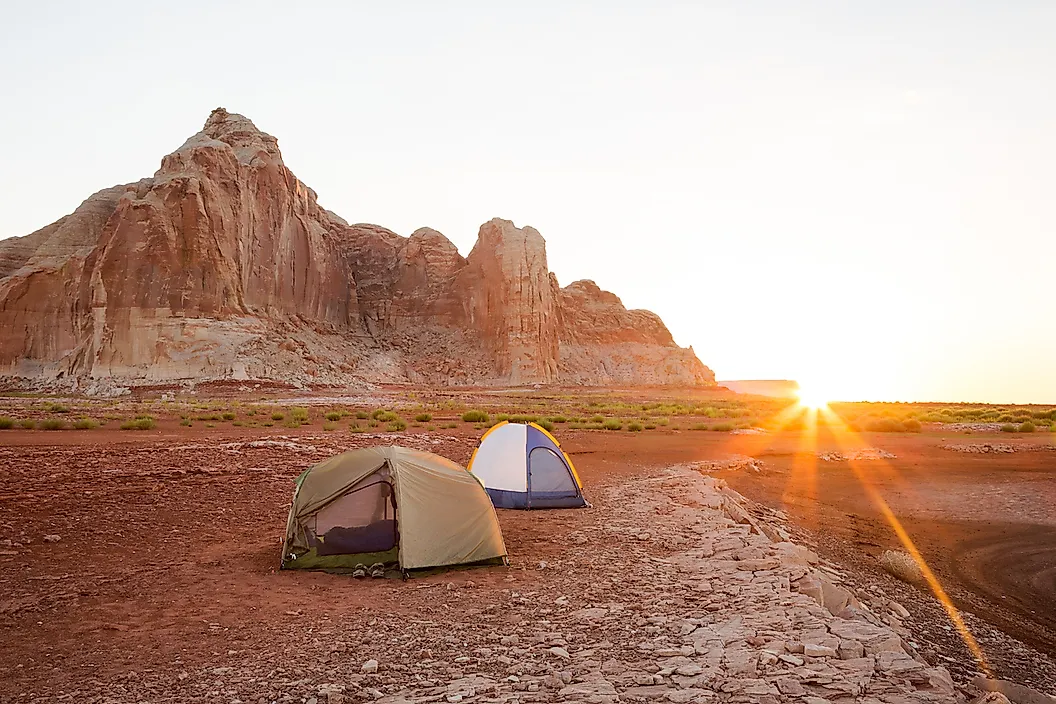
Here is the real kicker: almost none of all that shoreline is reachable by road. An estimated 90 percent of Lake Powell's shore can be accessed only by boat, which is exactly why houseboating is the classic way to explore it. Hidden coves, slot-canyon inlets, and quiet sandy beaches wait around nearly every bend, and hidden deep within one side canyon sits Rainbow Bridge, the largest natural stone arch in the Western Hemisphere. You could spend a lifetime of summer weekends out there and still never see all of it.
A Shoreline That Shrinks

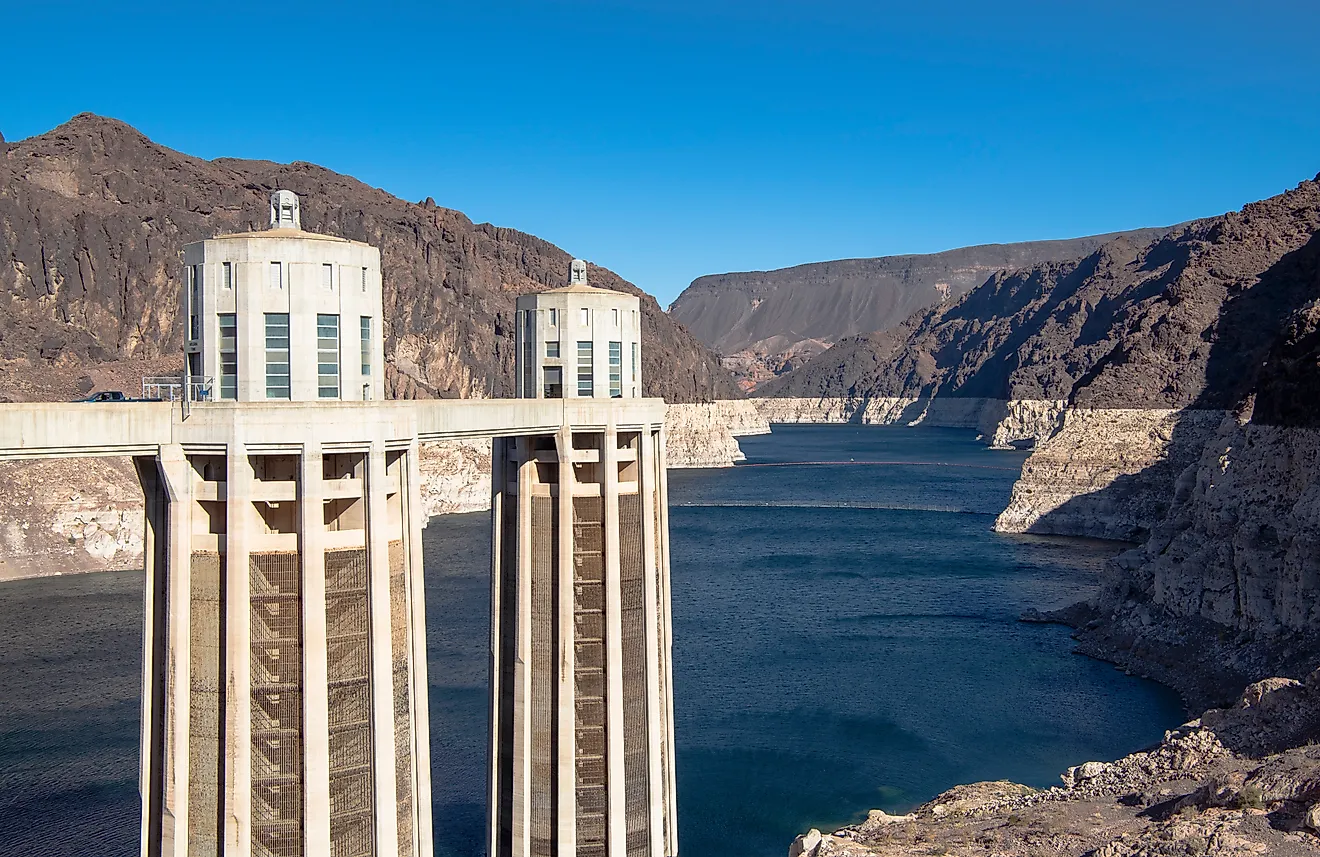
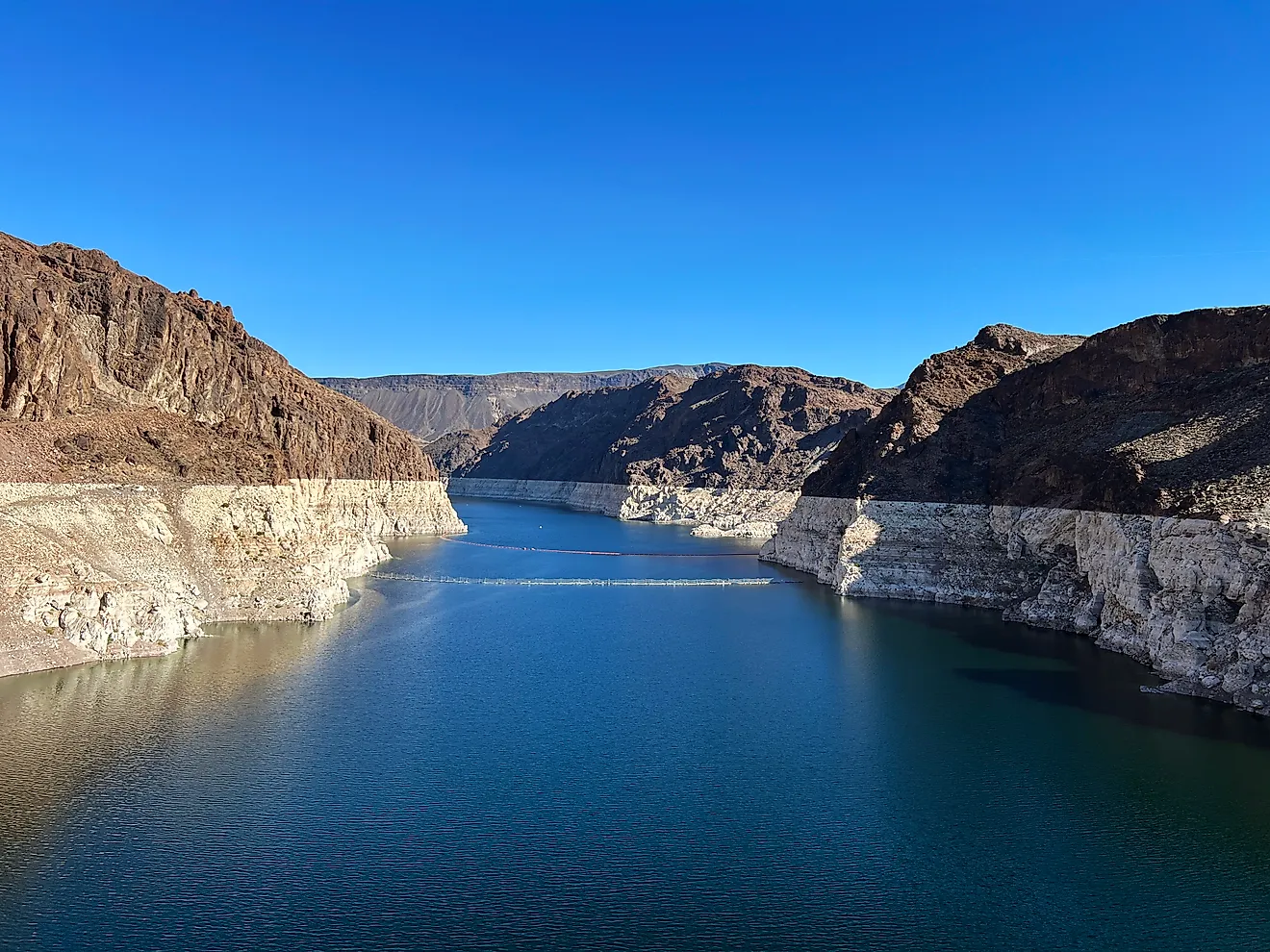
One honest caveat: that nearly-2,000-mile figure is for a completely full lake, and Lake Powell has not been full in a very long time. Years of drought and heavy demand on the Colorado River have left it hovering around a quarter of its capacity, which means its real shoreline today is considerably shorter, with once-submerged canyons now sitting bone-dry. But the underlying geometry has not changed one bit. Fill Glen Canyon back up to the brim, and its jagged maze of a shoreline would once again stretch well past the entire California coast, a quiet desert lake out-measuring the Pacific.