How Deep Lake Superior Is Compared To The Empire State Building
Drop the Empire State Building into the deepest part of Lake Superior and it both drowns and survives, which is an annoying answer until you see why. The roof is 1,250 feet up and the lake bottoms out at 1,332, so the roof goes under by 82 feet. But the building reaches 1,454 feet if you count the antenna, which means 122 feet of spire stays dry. The Empire State Building survives Lake Superior purely because somebody bolted a radio mast to the top of it in the 1950s. Everything below that is wet.
The Numbers

Both measurements are well established, which is what makes this comparison so unusually clean. Lake Superior reaches 1,332 feet at its deepest, with some sources rounding to 1,333. The Empire State Building has a roof height of 1,250 feet, a top floor at 1,224, and a total height of 1,454 feet including the 204-foot antenna added later.
So the lake wins by 82 feet on the roof measurement and loses by 122 on the tip measurement. There is no third option and no fudging it, which is rare for a comparison this convenient.
Where The Deep Water Actually Is

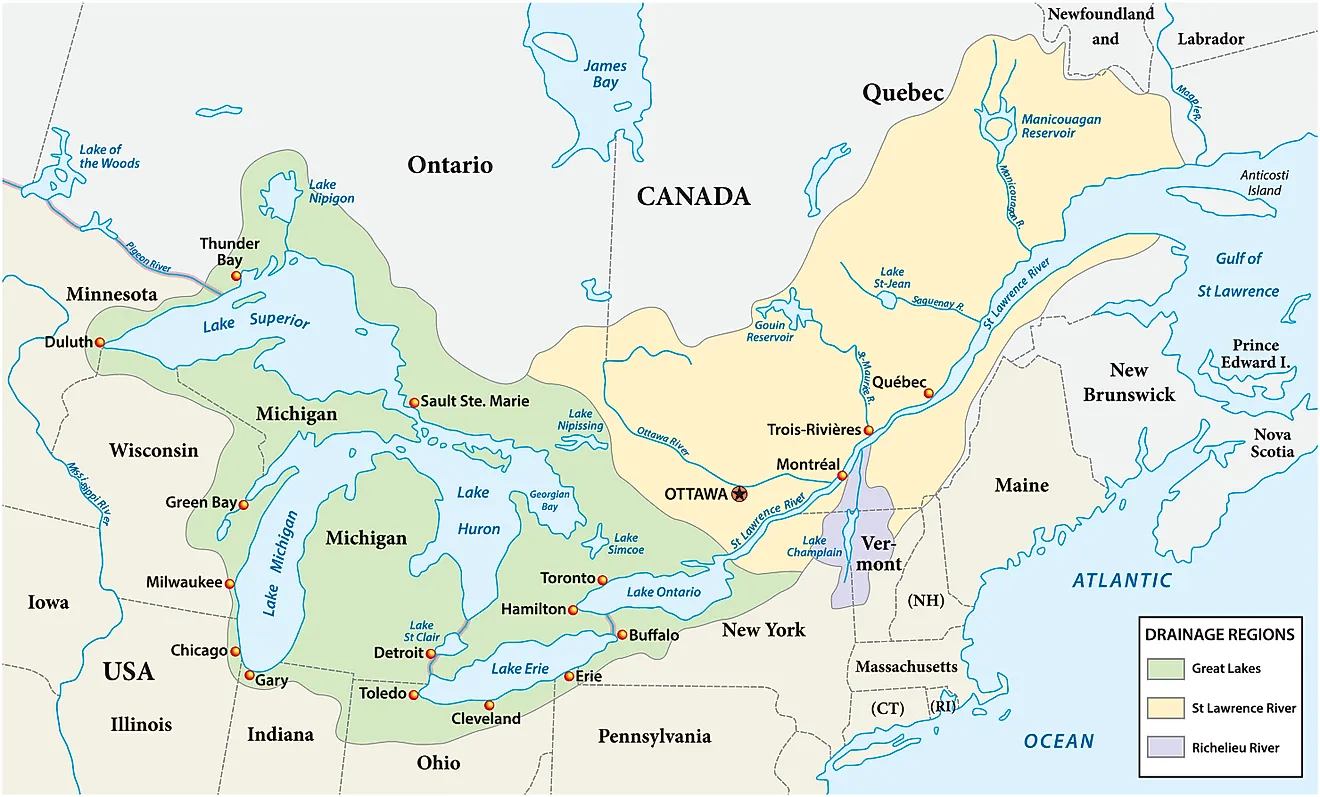
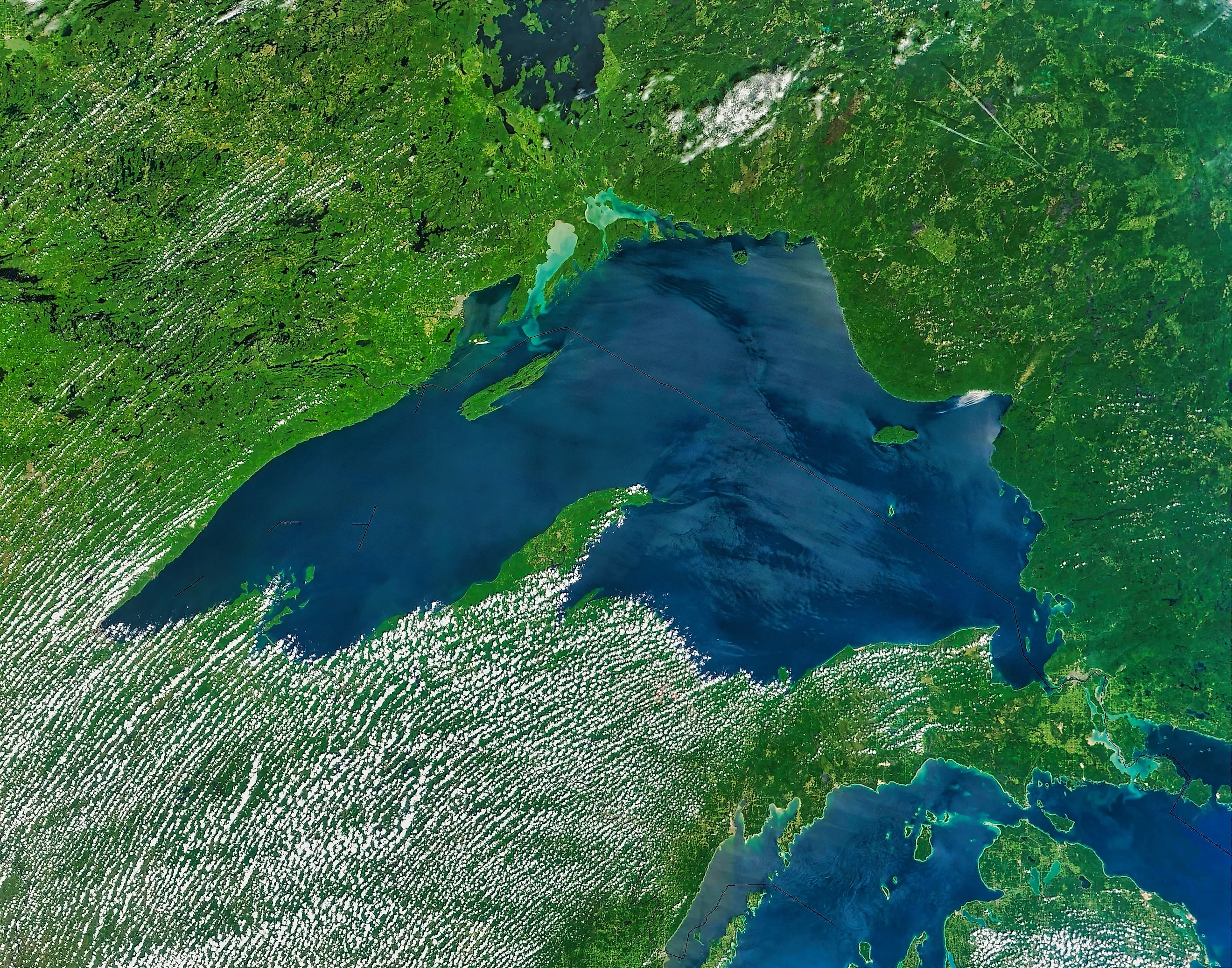
The 1,332-foot figure describes one spot rather than the whole lake, and it is worth knowing which spot. The deepest point sits in the eastern basin roughly 40 miles north of Munising, Michigan. The lake floor is not a uniform bowl. The western end near Duluth and the Apostle Islands is comparatively shallow at 200 to 600 feet, and the bed steps down progressively as you move east.
So the building only vanishes in one particular corner of the lake. Sink it off Duluth and you would still have sixty floors of offices above the waterline, which is a worse outcome for everyone involved.
Average Depth Puts You On The 39th Floor

The more honest comparison uses the average, and it produces a very different picture. Lake Superior averages 483 feet deep. The Empire State Building has 102 floors across 1,250 feet of roof height, which works out to roughly 12.25 feet per floor.
Divide one by the other and the waterline at average depth lands around the 39th floor. Two thirds of the building would be perfectly dry on a typical patch of Lake Superior. Everybody above the fortieth floor would be fine and slightly confused.
The Observatory Would Be Well Under

For anybody who has stood on that famous open-air deck, this number lands harder than the roof height does.
The 86th floor observatory sits at 1,050 feet. At Superior's deepest point that platform would be 282 feet underwater, which is beyond recreational diving limits and roughly where the last useful daylight gives up. The gift shop would be a technical dive.
The 102nd floor observatory at 1,250 feet would be 82 feet down, roughly the depth of a reasonably deep shipwreck dive.
The Lake Bed Is Below Sea Level

Here is the fact that makes the depth genuinely strange rather than merely large. Lake Superior's surface sits about 600 feet above sea level. Subtract 1,332 feet of water and the deepest point of the lake bed is roughly 733 feet below sea level.
That makes it the lowest point in the continental United States. Death Valley, which gets the title in every classroom and has a visitor center and a sign to prove it, is a mere 282 feet below sea level. The bottom of Lake Superior is 451 feet lower and receives no recognition whatsoever, on the apparent grounds that it is inconveniently wet.
Crater Lake Is Deeper
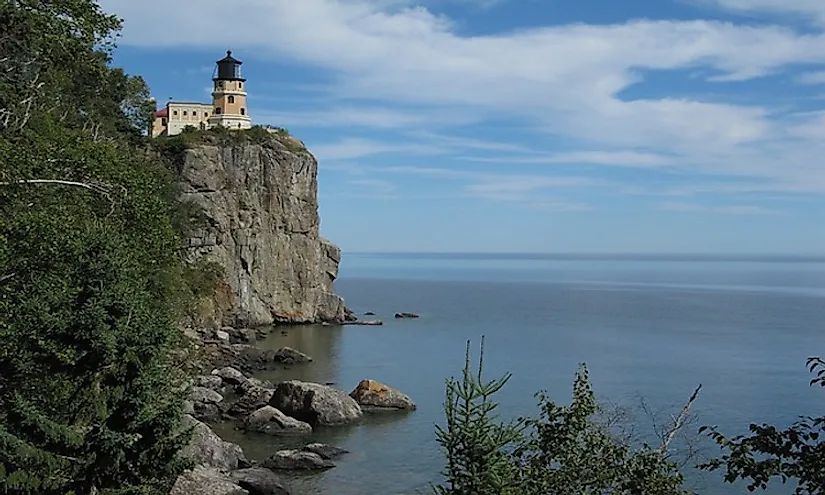
Superior is not the deepest lake in America, and the lake that beats it manages the trick without going below sea level at all. Crater Lake in Oregon reaches 1,949 feet, comfortably more than Superior and more than the Empire State Building by any measurement. But Crater Lake sits high in the Cascades, so its deepest point is still 4,229 feet above sea level.
Deeper water, higher bottom. Crater Lake wins on depth by standing on a mountain, which feels like cheating and is entirely legitimate.
Volume Is The Real Number

Depth is the attention-grabbing figure, and volume is the one that actually describes the lake. Superior holds about 2,900 cubic miles of water, enough to cover all of North and South America to a depth of roughly one foot. It could hold every other Great Lake combined plus three more the size of Lake Erie.
By volume it is the third largest freshwater lake on Earth behind Baikal and Tanganyika, and by surface area, at 31,700 square miles, it is simply the largest there is.
It Is Clear Enough To See The Problem

One more figure gives a sense of what all that depth actually looks like from a boat. Superior is the clearest of the Great Lakes, with average underwater visibility around 27 feet and up to 100 feet in the right conditions. So standing on a boat above the deepest point you might see 100 feet down, out of 1,332.
That is about seven percent of the way down, or roughly the top eight floors of the sunken building. You would be able to see the antenna, the spire and a bit of the 102nd floor, and then nothing at all.
Why The Building Comparison Works
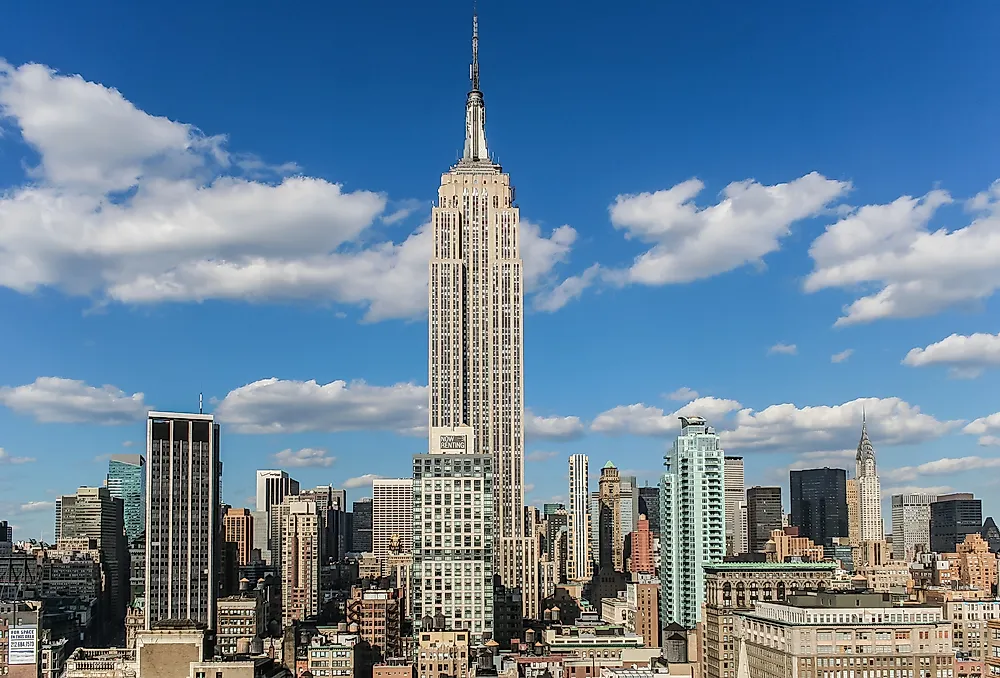
Most scale comparisons fail because nobody can picture either side of them. This one works because half of it is already familiar.
Almost nobody has an instinct for what 1,332 feet of water feels like. A great many people have looked up at the Empire State Building, or at a photograph of it, and have some sense of its height. Putting the two together converts an abstract number into a mental image in one step.
It also delivers an actual surprise, because most people file the Great Lakes under large pond rather than under swallows a skyscraper without noticeably rising.
The Short Answer

At its deepest, Lake Superior would cover the Empire State Building's roof by 82 feet and leave 122 feet of its antenna in the air. At average depth the water would reach about the 39th floor.
The better fact is underneath both numbers. That lake bed sits 733 feet below sea level, making it the lowest ground in the continental United States, 451 feet below Death Valley, and completely ignored because it happens to have a quarter mile of extremely cold water sitting on it.