What Would Happen If Sea Level Rose 10 Feet In Florida
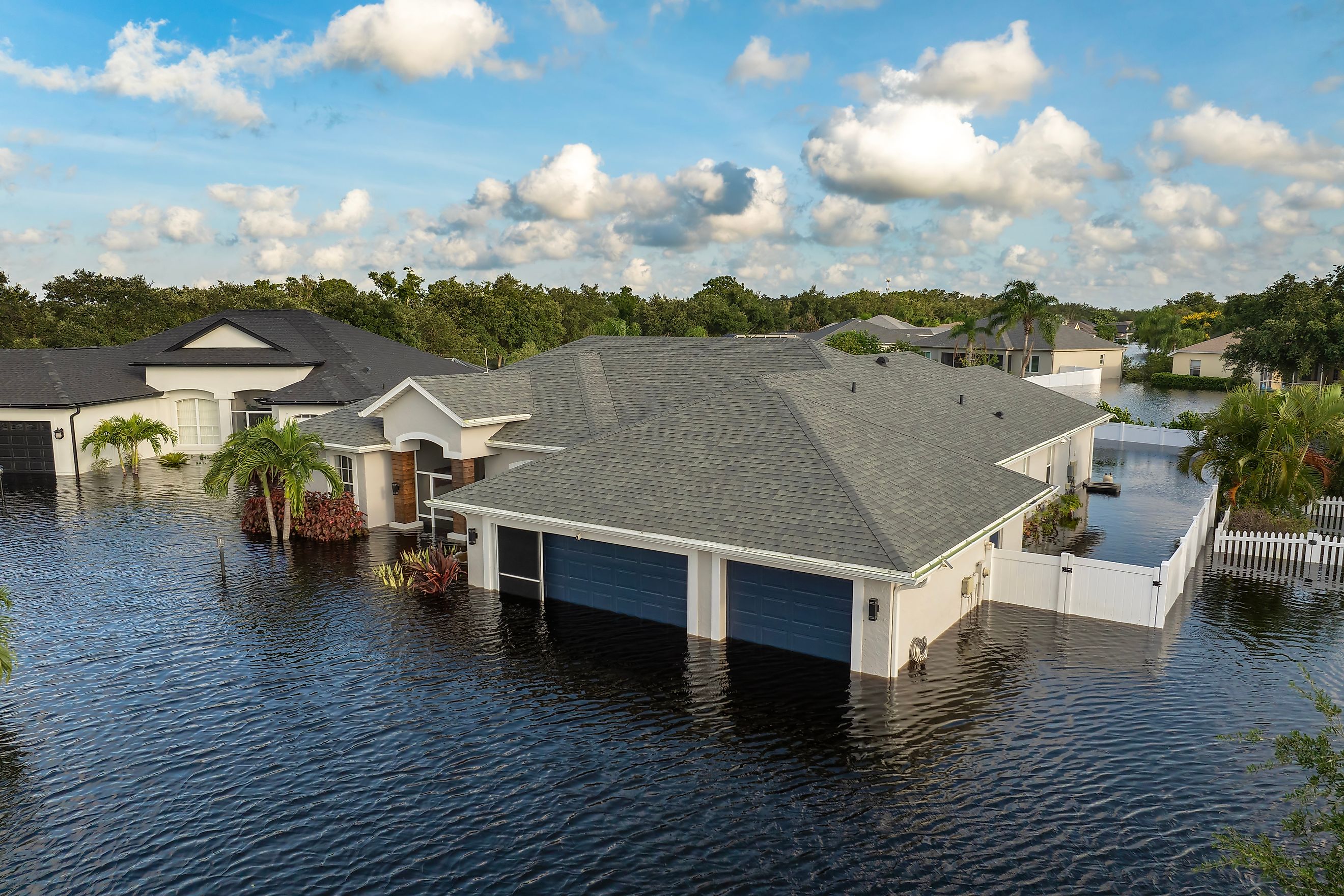
If you live in South Florida, you've seen the preview, with water rising through storm drains on a cloudless day and king tides climbing driveways every fall. Now add 10 feet to the ocean. The Keys go mostly under. Miami Beach takes the Atlantic on one side and Biscayne Bay on the other. But the waterline isn't the whole story. Plenty of Florida stays dry and still stops working, because keeping a house above water is only part of keeping it livable. This is a hypothetical sustained rise, not a forecast for any given year or a passing hurricane surge.
Florida's Coastline Would Move Through Existing Neighborhoods

Miami Beach sits between the Atlantic Ocean and Biscayne Bay, on a narrow barrier island with water approaching from several directions. With sea level 10 feet higher and without vastly expanded defenses, low streets and building sites would fall below ordinary tidal water levels. Many places that now flood during unusually high tides would flood during everyday tides. Unprotected ground connected to the sea would stay submerged wherever it lay below the new low-tide level.
The damage would extend well beyond Southeast Florida. Around Tampa Bay, higher water would spread across low waterfront land and push into connected waterways. In Jacksonville, the tidal St. Johns River would carry the ocean's higher baseline inland, exposing low riverfront areas as well as the Atlantic coast. Elevation would make the difference block by block. A higher patch could remain dry even as water covered nearby streets, cutting it off from the roads needed to reach it.
The Keys Would Lose Land And Road Connections

Most land in the Keys is low enough to flood well before a 10-foot rise. At 10 feet, higher remnants could survive, but the connected communities along the Overseas Highway would require major rebuilding or relocation.
An elevated bridge is useful only when drivers can reach it. Flooded stretches of road on the islands would interrupt travel even where bridge spans remained above the water.
Key Largo already has a smaller-scale version of the access problem. At Winston Waterways, Monroe County has designed a project to raise portions of 17 neighborhood roads and install pumped drainage. The existing system is losing effectiveness as groundwater rises. The proposed upgrades aim to preserve access through 2045, under much smaller sea-level changes.
A Seawall Would Leave An Underground Route For Water
South Florida's limestone has openings that allow water to pass through it. As coastal water levels rise, groundwater can rise too, bringing flooding closer to the surface from below. A taller seawall can block water at the shoreline while leaving that underground route open.
That would affect homes before seawater crossed every yard. Conventional septic systems need a layer of soil above the groundwater to treat wastewater. When that soil becomes waterlogged, the system loses some of its ability to remove pollutants and disease-causing organisms. In Miami-Dade's Little River area, converting vulnerable septic systems to sewer service is already part of the county's adaptation work. Keeping low neighborhoods occupied would require wastewater infrastructure suited to the higher water table, even where buildings themselves had been raised.
Saltwater Would Put Drinking-Water Supplies Under Pressure

Miami-Dade draws its main drinking-water supply from the Biscayne aquifer, the water-bearing rock beneath the county. Along its coastal edge, fresh groundwater meets salty water. Freshwater moving toward the ocean helps resist saltwater's advance. Higher sea levels would increase pressure on that balance, allowing saltwater to move farther into vulnerable parts of the aquifer.
Saltwater has already moved inland in Miami-Dade, where water managers use canal control structures to help separate saltwater and freshwater. Pumping also matters, since drawing down fresh groundwater can make intrusion worse. With 10 additional feet of sea level, protecting usable supplies would become harder, and affected wellfields could require changes in pumping or replacement supplies. The consequences would depend partly on how much freshwater managers could retain inland without worsening flooding.
Higher Seas Would Make Rain Harder To Drain

In South Florida, canals carry runoff toward the coast, often releasing it through gravity-operated structures. As the sea rises, the difference between inland and coastal water levels shrinks. Water drains more slowly, and rising groundwater leaves less space beneath neighborhoods to absorb rainfall.
Keeping the remaining low land usable would demand more pumping and redesigned drainage. Tampa also faces this problem. Its sea-level vulnerability work identifies impaired drainage around the river and channels bordering downtown. Streets could flood during rain even where the new high tide stayed below their elevation.
Hurricanes would push water onto land from a higher starting level. Storm surge would still vary with the storm and the coast's shape, so future flood depths would not increase by exactly 10 feet everywhere. But a sustained rise would allow damaging water levels to occur with smaller surges.
The Everglades Would Become Saltier And Lose Freshwater Habitat

Across the southern Everglades, a 10-foot rise would extend tidal water into broad areas now occupied by freshwater wetlands. Around Florida Bay, low ridges currently help separate freshwater basins from coastal water. As rising seas overtop those ridges, saltwater can enter places where freshwater plants now grow.
The ground itself can change. Saltwater intrusion can contribute to the loss of peat, the organic soil beneath parts of the Everglades. Losing that soil lowers the land and makes it more vulnerable to further inundation. Mangroves could spread inland where conditions allowed, while some existing wetlands would become open water. How quickly the sea rose would help determine whether vegetation and soil could keep pace. Delivering more freshwater through Everglades restoration can reduce saltwater intrusion and help preserve peat.
Inland Florida Would Still Have High Ground
The Lake Wales Ridge, running through Central Florida, includes ground up to about 300 feet above sea level. A 10-foot ocean rise would leave those uplands dry. Much of northern Florida's higher terrain would also remain above direct coastal inundation.
People leaving repeatedly flooded communities would need new housing. Some displaced residents could seek homes elsewhere in Florida, while others could leave the state. Florida's higher communities could face additional demand for homes and public services. Where people moved would depend on available work and what they could afford. New construction could increase pressure on the Lake Wales Ridge's remaining scrub, where Florida scrub-jays and gopher tortoises live.
How Far Off A 10-Foot Rise Really Is
NOAA's 2022 assessment projects an average rise of 10 to 12 inches along the U.S. coast between 2020 and 2050. The 10-foot scenario would take sea level far beyond that near-term projection, and its timing would depend on future warming and ice-sheet loss. Coastal projects must still be designed for the water levels expected during their working lives. In Key Largo, the proposed Winston Waterways improvements target access through 2045, and the pumping system would need continuing upkeep. Under the county's proposal, benefiting property owners would pay annual assessments to operate and maintain it. The proposed assessment would also cover replacing equipment when it wore out.