The US Rivers With The Most Leeches
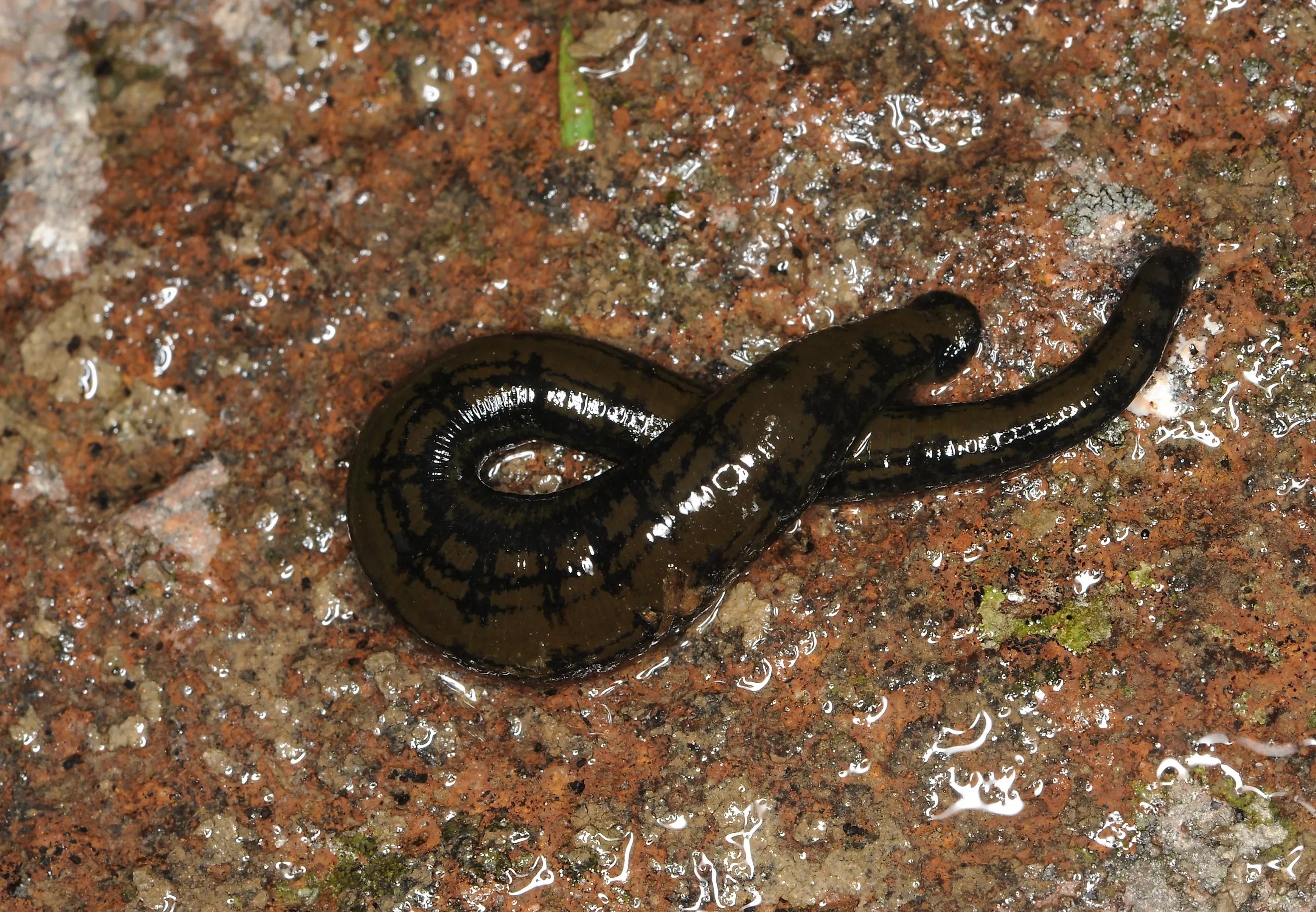
Most leeches are only about half an inch to two and a half inches long, but a few North American species can stretch to 10 inches or more, according to the Missouri Department of Conservation. Leeches are segmented worms related to earthworms. While a handful drink blood, many more hunt snails, insect larvae, and worms or scavenge on the bottom. They are found in almost every freshwater habitat in the country, but they are not evenly spread out. Leeches thrive in warm, calm, shallow water that is choked with weeds and debris, and they struggle in fast, cold currents. No agency counts leeches river by river, but slow, vegetated backwaters in a few well-studied regions match those conditions closely.
Upper Mississippi River, Minnesota And Wisconsin

Between Minnesota and Wisconsin, the Upper Mississippi River is far more than a single channel. Locks and dams have turned much of it into a maze of side channels, sloughs, marshes, and shallow pools. Many of them are protected within the Upper Mississippi River National Wildlife and Fish Refuge. These backwaters are exactly the kind of habitat leeches favor. They are warm in summer, slow-moving, and thick with aquatic plants, fallen leaves, and soft mud. Leeches here feed on snails and insect larvae, and in turn they become food for fish such as walleye, perch, and bass. Anglers paddling through the sloughs are just as likely to find a leech on a waterlogged branch as on the end of a fishing line.
Leech Lake River, Minnesota

Few rivers wear their reputation as openly as the Leech Lake River, which drains Minnesota's huge Leech Lake and flows east to join the Mississippi. The lake's name comes from an Ojibwe story about a giant leech seen in its waters. Northern Minnesota is classic leech country, dotted with shallow lakes, bogs, and slow, weedy rivers, and the region supports a busy bait trade. Licensed harvesters trap leeches from ponds and wetlands to sell to anglers, who prize them as live bait for walleye. Minnesota regulates the harvest to protect leech populations. The Leech Lake River, with its marshy banks and wild rice beds, is part of that same leech-rich landscape.
Suwannee River, Florida And Georgia

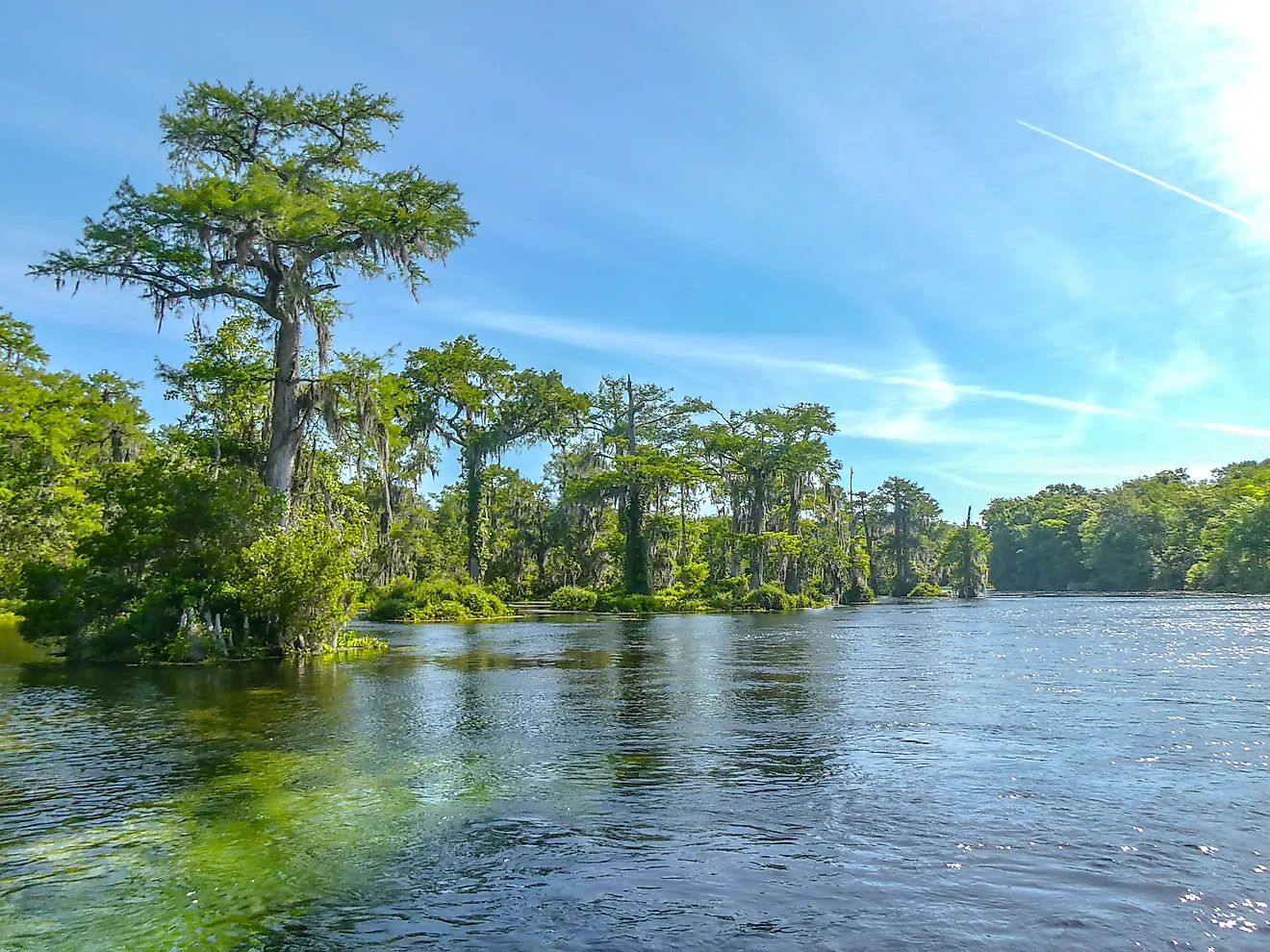
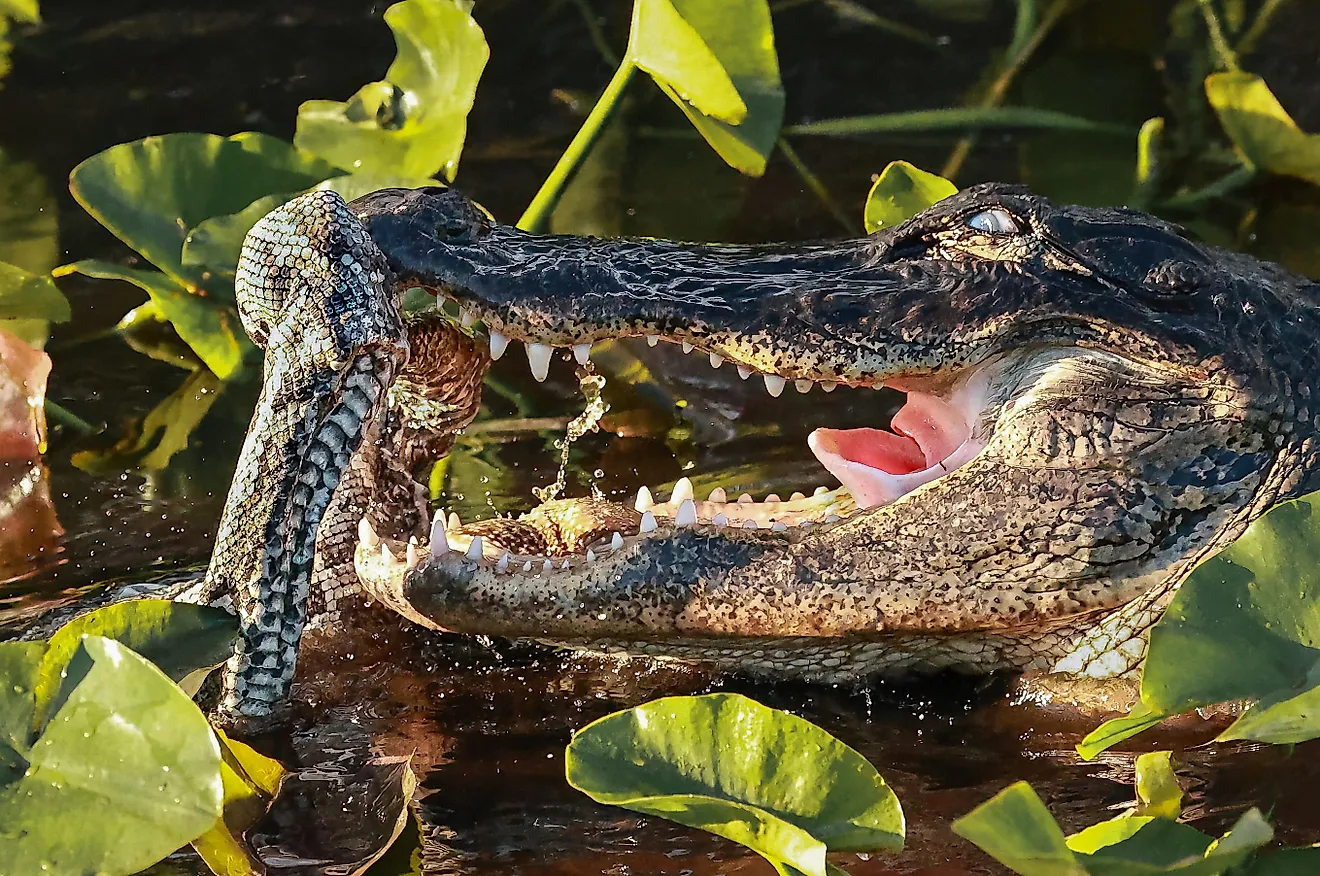
In the Southeast, warm water lets leeches stay active for much of the year. The Suwannee River begins in Georgia's Okefenokee Swamp and winds through northern Florida as a dark, tea-colored blackwater river, stained by tannins from decaying leaves. Its slow bends, cypress swamps, and leafy backwaters offer the warm, sheltered, debris-filled conditions leeches thrive in. Leeches share the water with alligators, fish, and wading birds, as well as turtles that often carry turtle leeches on their shells and skin.
Michigan's Rivers And Creeks

The Great Lakes states hold some of the richest leech life in the country, and much of what scientists know about it comes from the region. In the 1960s, a Michigan State University researcher spent six years collecting leeches from lakes, ponds, bogs, rivers, and creeks across the state. The survey found that Michigan's leech species closely matched those of Ohio, Illinois, Minnesota, and Wisconsin. Slow, sandy-bottomed rivers wind through marshes and farmland in the southern Lower Peninsula. They offer warm water and plenty of snails, worms, and insect larvae for leeches to eat. Many of these rivers also support turtles and fish that leeches use as hosts.
New England's Slow, Wooded Streams

The North American medicinal leech is one of the few US species that regularly feeds on mammals, including people. According to the University of Michigan's Animal Diversity Web, it has been confirmed most often in New England, especially in Connecticut and Rhode Island. It prefers protected spots in streams and lakes surrounded by forest, hiding under rocks and logs, where its mottled coloring blends in. Slow, wooded streams and quiet river coves across the region give it the shelter it needs, and it is often found in the same waters where people like to wade and swim in summer.
When And Where To Expect Them

Leeches are most active in summer, when river water warms up and their prey is plentiful. Many species hide under rocks, logs, and plant debris during the day and come out to hunt at night, which is why anglers who wade after dark often find more of them. Blood-feeding leeches are drawn to movement and to disturbances in the water, so splashing through a shallow, muddy cove is more likely to attract one than swimming in open, moving water. On most rivers, the leech-heavy spots are easy to recognize. Look for still side channels, weedy shallows, beaver ponds, and the soft, leafy bottoms of slow bends. Fast riffles, rocky rapids, and the cold, clear water of mountain trout streams tend to have far fewer.
Leeches As Clues To River Health

Leeches can also tell scientists something about the water they live in. Some species tolerate low oxygen and murky, nutrient-rich water, conditions that often follow pollution or runoff from farms and cities. When biologists survey the small animals living on a riverbed, a sample crowded with these hardy leeches and few sensitive insects such as mayflies and stoneflies can signal that a stretch of river is under stress. In healthy rivers, leeches are simply one part of a diverse community, sharing the bottom with snails, insect larvae, freshwater mussels, and the fish that feed on them all.
Are River Leeches Dangerous?

For all their bad reputation, leeches in US rivers are mostly harmless. Many species never bite people at all, and those that do usually drink only a small amount of blood before dropping off. Their saliva contains natural compounds that numb the skin and keep blood from clotting, which is why a leech bite may bleed for a while after the leech is gone. Those same compounds have made leeches useful in modern medicine. The US Food and Drug Administration cleared medicinal leeches for use as a medical device in 2004, and surgeons use them to restore blood flow after reattaching fingers, ears, and skin grafts. Fish, birds, and turtles also eat leeches, which makes them an important link in river food webs.
Why Slow Rivers Win
Leeches need calm water, plenty of food, and places to hide. Fast mountain rivers can wash them away, and cold water slows their activity. Slow, warm, weedy rivers offer all three. Many leeches can go months without eating after a single meal, which helps them wait out lean times in muddy backwaters. If one does latch on during a swim, the best approach is to slide a fingernail under the edge of its mouth and gently push it off. Pulling it, burning it, or covering it in salt can cause it to release its stomach contents into the wound.