The Deepest Spring In The United States
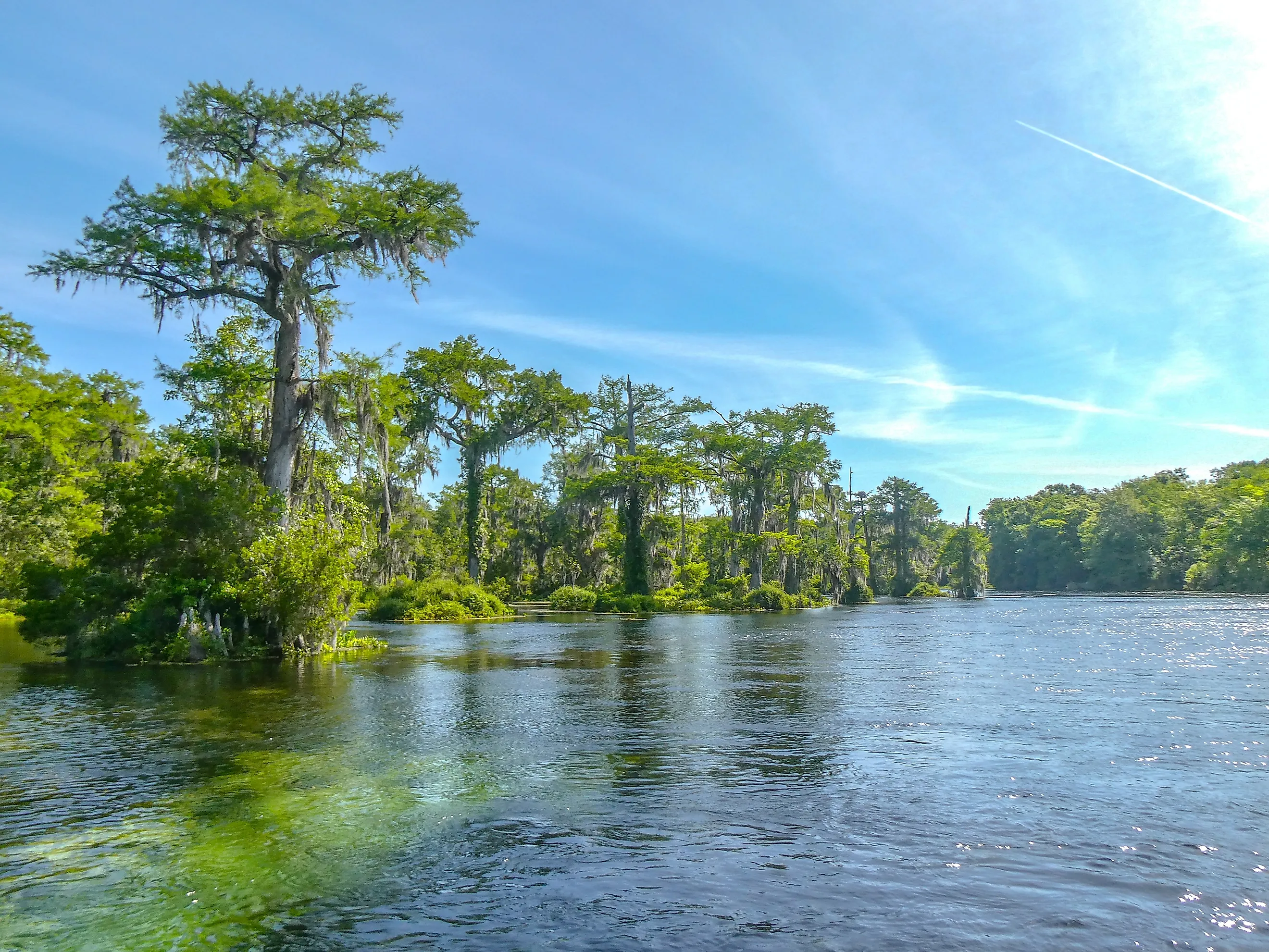
About 15 miles (24 km) south of Tallahassee, Florida, Wakulla Spring is widely recognized as the deepest freshwater spring basin in the United States, reaching approximately 185 feet (56 meters) from basin to surface. This record-setting spring lies within Edward Ball Wakulla Springs State Park and is fed by the Floridan aquifer, which supplies groundwater through an extensive network of underground limestone passages. Here, millions of gallons of water emerge from the spring each day, forming the headwaters of the Wakulla River. But beyond its exceptional depth, Wakulla Spring is notable for boasting an extensive underwater cave system, abundant local wildlife, and a long history of human activity in and around it.
Why Wakulla Spring Holds the Record

Wakulla Spring's main basin is roughly 300 feet (91 meters) across, with steep underwater limestone walls descending toward a large submerged opening. While its depth of approximately 185 feet (56 meters) is the basis for its reputation as America's deepest freshwater spring, the distinction depends on what is being measured.
A spring basin is the depression where groundwater emerges at the surface, while an underwater cave system consists of submerged passages extending beneath the surrounding terrain. Roaring River Spring in Missouri, for example, has cave passages explored to depths nearing 500 feet (152 meters), considerably deeper than Wakulla Spring's basin.
Wakulla Spring's commonly cited record refers specifically to its main basin, not the deepest point divers can reach within a connected cave system. To hydrologists, these are separate measurements, which explains why springs with deeper underwater passages do not necessarily displace Wakulla Spring's designation.
How Wakulla Spring Formed

Wakulla Spring developed over millions of years as groundwater gradually dissolved the limestone bedrock beneath northern Florida. Rainwater absorbs carbon dioxide from the atmosphere and soil, becoming slightly acidic. As it seeps underground, it dissolves calcium carbonate in the limestone, slowly enlarging natural fractures into tunnels, chambers, and underground waterways. This process, known as "karst formation," is responsible for many of Florida's springs and sinkholes.
As mentioned, Wakulla Spring receives its water from the Floridan aquifer, an enormous underground system of water-bearing limestone extending beneath much of the southeastern United States. Furthermore, its submerged passages form part of the Wakulla-Leon Sinks cave system, which connects numerous sinkholes and underground channels.
Divers have spent decades exploring and mapping these passages, revealing an extensive network that extends for miles beneath Wakulla County and Leon County.
The Spring's Ecosystem

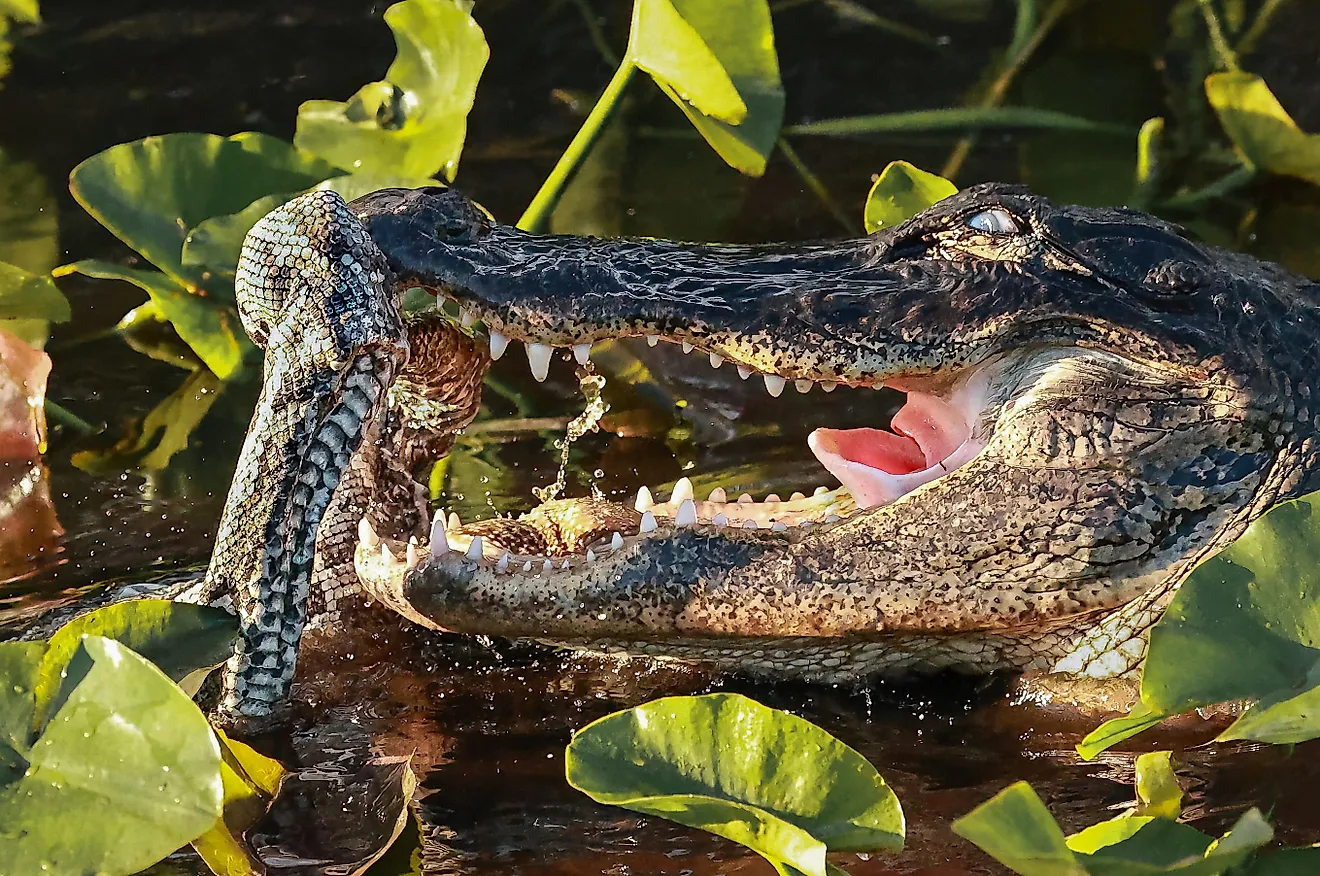
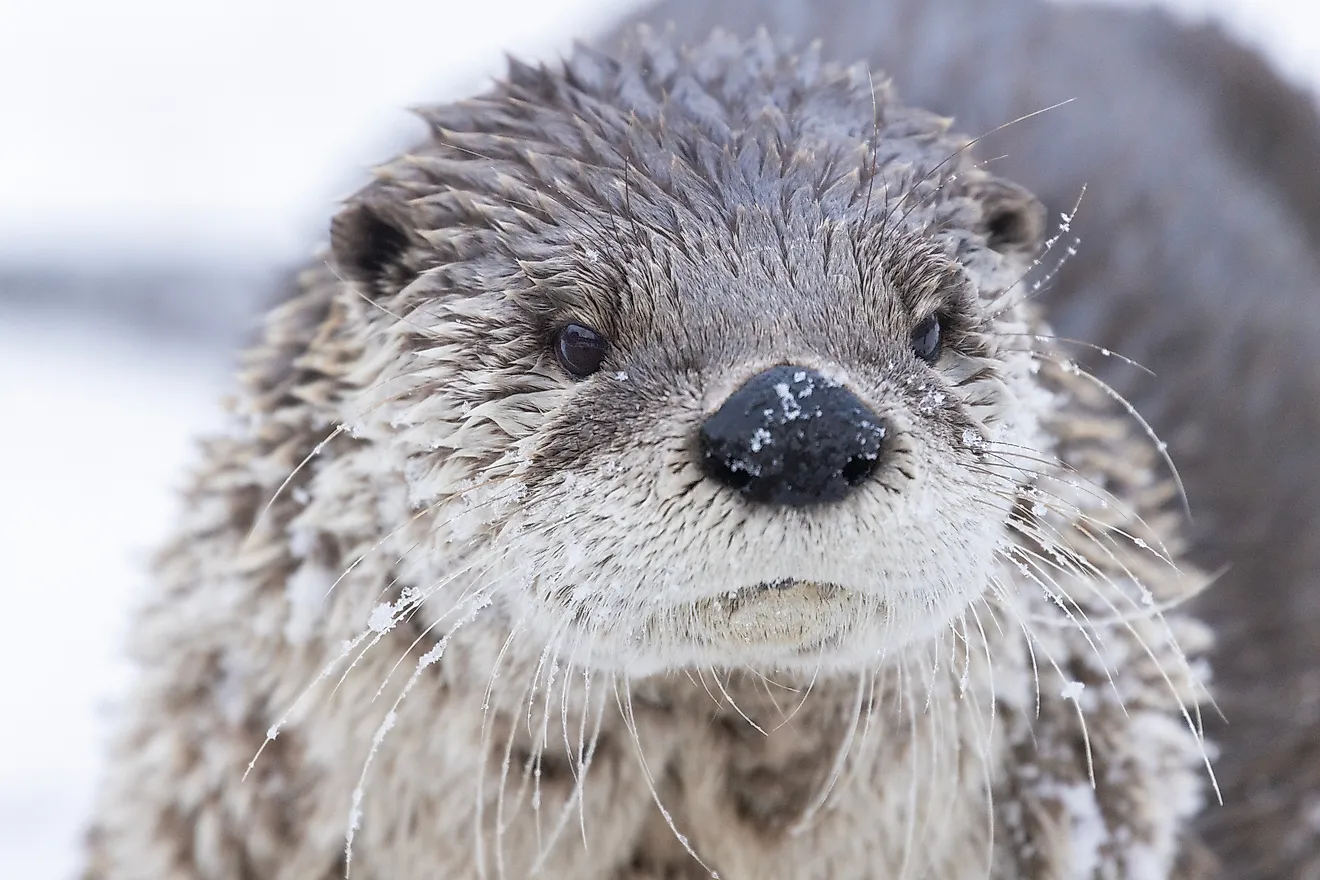
Maintaining a water temperature of approximately 70°F (21°C) throughout the year, Wakulla Spring has created a relatively stable condition for a plethora of aquatic wildlife. Most notably, West Indian manatees occasionally enter the spring and upper Wakulla River, especially during the colder months of the year. American alligators are common along the riverbanks, too, while river otters hunt fish in the surrounding waterways.
In terms of fish, it supports largemouth bass, Florida gar, sunfish, and several species of freshwater turtles. Often feeding on them are bird species like anhingas, great blue herons, and double-crested cormorants, which are frequently seen hunting around the water. Bald cypress trees and aquatic vegetation provide shelter for countless other smaller animals as well.
As you could imagine, water quality remains an important environmental concern here. Of greatest concern, elevated nitrate concentrations from fertilizers and wastewater can encourage excessive algae growth, reducing underwater visibility.
The History of This Impressive Natural Feature

Wakulla Spring has attracted people and wildlife alike for thousands of years. Archaeological discoveries in the spring basin include mastodon remains and evidence of prehistoric human activity, and Indigenous peoples inhabited the surrounding region long before European settlement, all relying on its freshwater resources.
In 1934, financier Edward Ball purchased the property and began developing it as a private attraction. The Wakulla Springs Lodge then opened in 1937, featuring Mediterranean Revival architecture and an elaborate marble interior. The spring later became a filming location for several Hollywood productions, too, including the 1954 horror film classic "Creature from the Black Lagoon" and earlier Tarzan movies.
The state of Florida acquired the property in 1986, incorporating it into the state park system. With that, the historic lodge remains in operation, while the surrounding forests, wetlands, and spring basin are protected within the broader Edward Ball Wakulla Springs State Park.
Visiting Edward Ball Wakulla Springs State Park

Edward Ball Wakulla Springs State Park is open year-round, with swimming permitted in a designated area near the historic lodge when conditions allow. The spring's diving platform is an especially popular attraction, although swimming areas may, as said, close temporarily because of wildlife activity or water quality issues.
Guided riverboat tours are among the park's other main activities, taking riders along the Wakulla River to better observe American alligators, turtles, manatees, and numerous bird species. Tours typically last 45 minutes to around an hour, with wildlife sightings varying by season.
For a nice walk, several nature trails pass through the surrounding hardwood forests, including the Sally Ward Spring Trail. You can also stay overnight at the Wakulla Springs Lodge, which offers guest rooms and dining facilities. Also keep in mind that summer brings the busiest swimming season, while cooler months are generally better for seeing the manatees.
Experience One of America's Most Interesting Hydrological Features Today
The importance of this visitor-friendly natural landmark goes beyond its exceptional depth. The network of underground waterways here supplies the Wakulla River, supports a diverse ecosystem, and reveals millions of years of geological change.
Although the spring is protected within a state park, its water quality still depends on activities across the surrounding region. Continued groundwater protection, as well as your following of the posted rules when visiting, will determine how well this remarkable natural feature survives into the future.