7 US Lakes Where Water Snakes Stay Active Into November
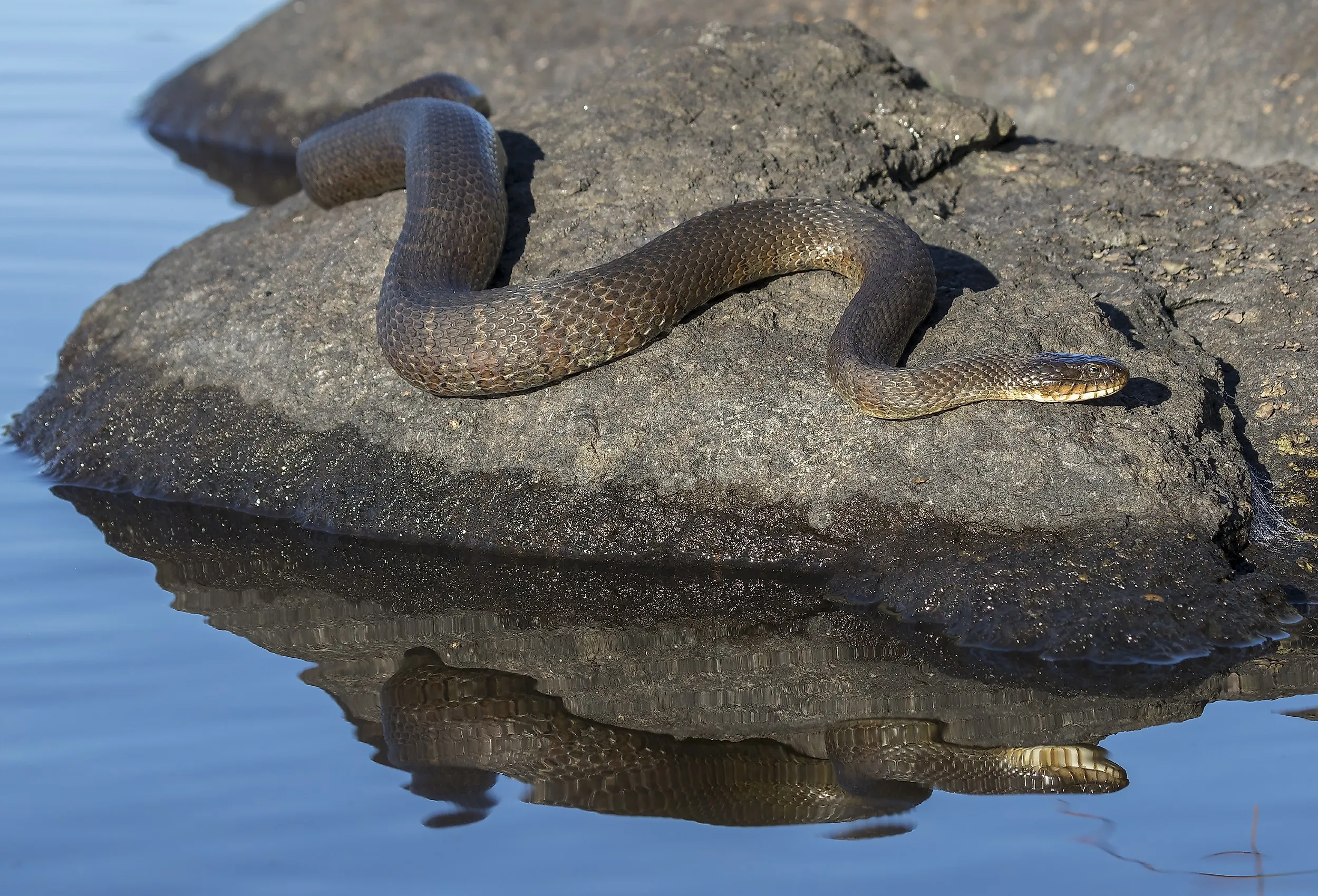
By late October, Lake Erie water snakes are usually underground. Ohio's wildlife agency says they typically go into hibernation between mid-September and mid-October. By November, Cleveland's average high is 51.3°F, below the coolest air, about 54°F, in which one study found northern water snakes basking. Down South, the season keeps going. In Alabama, brown water snakes can give birth as late as November. On the cypress lakes, oxbows, and reservoirs of the South, water snakes and the venomous cottonmouth are still out on logs and banks in November. On some of those lakes, they turn up well into December.
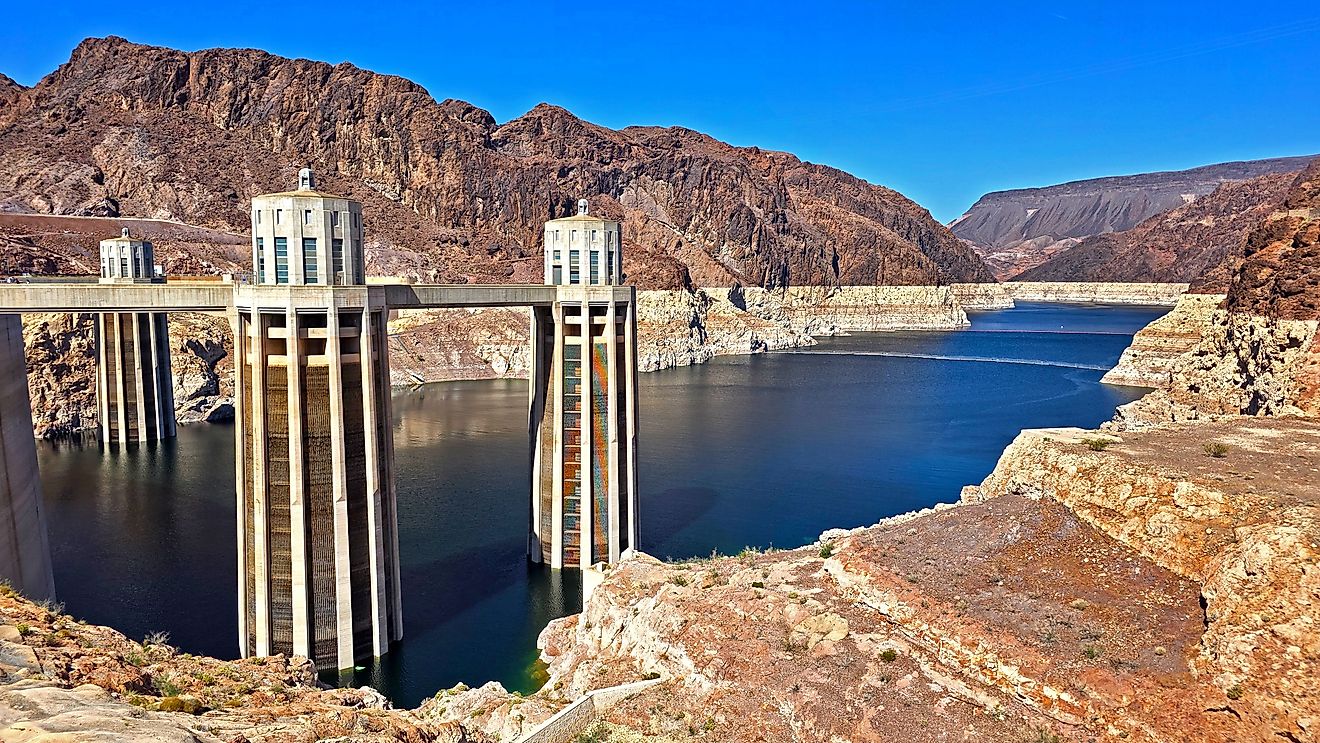
Kentucky Lake and Lake Barkley, Kentucky

Kentucky's most widespread water snake lives in the two reservoirs on either side of Land Between the Lakes. The state's wildlife department says the northern water snake turns up in nearly every body of water in Kentucky, and the University of Kentucky's snake guide notes that it is active by day and at night. The plain-bellied water snake lives in western Kentucky in both of its forms, the yellow-bellied water snake throughout the Jackson Purchase, west of Kentucky Lake, and the copperbelly in the Western Coalfields, in bottomland hardwood forests, swamps, and sloughs. The diamondback water snake is here too, and it nearly always makes a hasty retreat into the water when approached. Kentucky's cottonmouths are limited to the Jackson Purchase and parts of the Western Coalfields.
Here, November falls at the cool end of the season. A diamondback water snake turned up near Grand Rivers, at the north end of the peninsula between Kentucky Lake and Lake Barkley, on November 1, 2022, and a plain-bellied water snake inside Land Between the Lakes on November 21, 2019. In nearby Paducah, the month averages a high of 58.5°F, several degrees short of the sunny 65°F day on which University of Kentucky herpetologist Steven Price told the Lexington Herald-Leader in 2023 he would not be surprised to find a snake out. Price has seen water snakes active on New Year's Day.
Lake Chicot, Arkansas

Lake Chicot, a 20-mile-long oxbow in the southeastern corner of Arkansas and the largest natural lake in the state, lies in the Mississippi Delta, and the Arkansas Game and Fish Commission's snake guide splits its water snakes into two groups. The broad-banded water snake lives in the Delta and the Coastal Plain, in swamps, oxbow lakes, sloughs, and sluggish streams, and the diamondback water snake ranges through the same lowlands and up the Arkansas and White river valleys. Both are listed as active only through October. The plain-bellied water snake and the cottonmouth, both snakes of oxbow lakes and sloughs, stay active through November, and a cottonmouth was photographed at Lake Chicot State Park on November 9, 2024. The northern water snake, found statewide and also listed as active only through October, is uncommon in the Delta.
Caddo Lake, Texas and Louisiana

Texas Parks and Wildlife lists nonvenomous water snakes, ribbon snakes, and cottonmouths among the wildlife along the paddling trails of Caddo Lake, a bald cypress swamp threaded with bayous on the line between Texas and Louisiana. On the Louisiana side, Caddo Parish's herpetofauna list names four water snakes, the Mississippi green, plain-bellied, broad-banded, and diamondback, along with the western cottonmouth.
Most of those species have been seen at the lake in November. A Mississippi green water snake was photographed at Uncertain, the small town on the Texas shore, on November 3, 2017, and a diamondback water snake near Karnack on November 9, 2023. Banded water snakes turned up at Caddo Lake State Park as late as November 22, 2022, and a cottonmouth at Uncertain on November 21, 2023.
Lake Martin, Louisiana

The Mississippi green water snake reaches south Louisiana, and Lake Martin, a cypress lake near Breaux Bridge, is the kind of water Louisiana's wildlife department describes for it, open cypress lakes and marshes with abundant aquatic vegetation. The department says it is frequently seen basking along marsh margins and is active by day or by night depending on the temperature, and one was photographed at Lake Martin on November 11, 2007.
Two more water snakes share the lake. The broad-banded water snake, Louisiana's form of the southern water snake, lives in and around most fresh water in the state and especially favors swamps. The diamondback water snake uses lakes, marshes, and swamps in the low country, often basking on vegetation that hangs over the water and dropping in when approached. Both have November records at Lake Martin, the latest a banded water snake on November 29, 2018. Louisiana's cottonmouths frequent swamps and the borders of ponds, lakes, and streams, especially where the canopy is dense.
Lake Seminole, Georgia and Florida

Lake Seminole, a 37,500-acre reservoir in the Coastal Plain corner where southwest Georgia meets the Florida Panhandle, sits inside the ranges of several of Georgia's five large water snakes. The banded water snake runs along the Coastal Plain into nearly every kind of fresh water and was photographed on the lake on October 5, 2023. The red-bellied water snake uses rivers, lakes, and swamps across most of Georgia. The brown water snake, most common in flowing water such as rivers and blackwater cypress creeks, is a good climber that often basks on tree limbs, and it has the lake's latest records, at At Ease Campground and Marina near Bainbridge on November 1, 2025, and along the reservoir's edge on December 17 the same year. Georgia's cottonmouths tend to stay in slow streams, swamps, and backwaters and shy away from large, open reservoirs.
Lake Apopka, Florida

Three water snakes that Florida's wildlife commission calls common across the peninsula all live at Lake Apopka, northwest of Orlando. The Florida green water snake keeps to calm, shallow, vegetation-choked water in lakes, marshes, and canals. The banded water snake, here in its peninsular form, the Florida water snake, uses nearly every freshwater habitat in the state, and the brown water snake, found in every county of mainland Florida, often basks on tree limbs.
All three have turned up around the lake in November. A Florida green water snake was photographed on the Lake Apopka Wildlife Drive, on the north shore, on November 7, 2026, and a brown water snake on the same drive at 12:42 p.m. on November 16, 2025. On the south shore, a Florida water snake turned up near Oakland on November 1, 2019, and brown water snakes were logged four times along the Oakland Nature Preserve Trail on November 29, 2025.
Lake Okeechobee, Florida

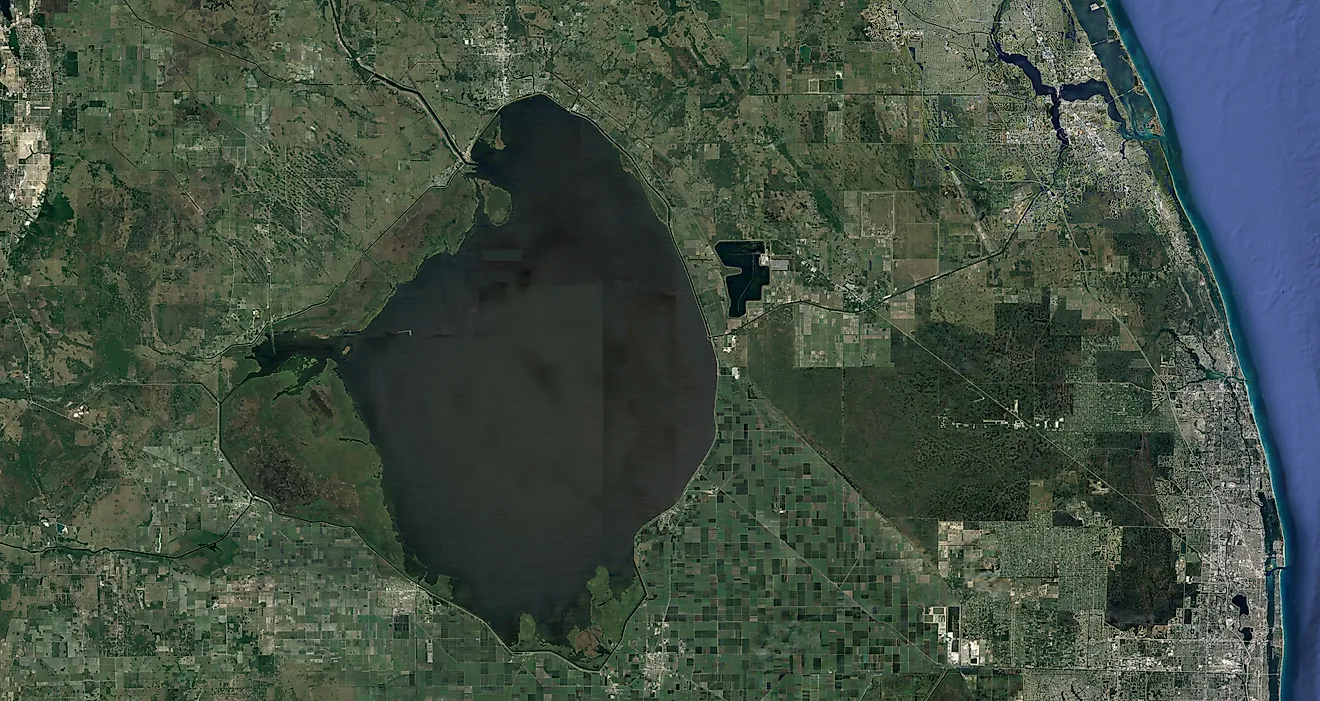
At Belle Glade, on the south shore of Lake Okeechobee, November averages a high of 81.4°F and a low of 60.1°F. University of Florida wildlife specialists say many Florida snakes are active year-round, though most active in the warmer months, and that cottonmouths, which hibernate in the cooler parts of their range, tend to stay active all year in Florida.
The lake has the same peninsular water snakes as Lake Apopka, the brown, banded, and Florida green, along with the Florida cottonmouth, which the Florida Museum places in every county in the state. In November, the cottonmouth has turned up repeatedly on the south and west sides of the lake, on Torry Island off Belle Glade on November 23, 2023, in Belle Glade on November 9, 2026, and off Banana Grove Road in Glades County on November 29, 2024. A brown water snake was recorded near the west shore on November 5, 2025.
According to the Florida Museum, Florida's eight harmless water snake species overlap with cottonmouths in range and habitat, and all of them resemble cottonmouths. The reliable differences are a facial pit between the eye and nostril and an elliptical, catlike pupil on the cottonmouth. Water snakes have round pupils and no pit, and Florida's banded water snakes carry a dark stripe from the eye to the angle of the jaw much like a cottonmouth's mask.
Where the cold does arrive, water snakes wait it out underground and close to the water. In Missouri, diamondback water snakes overwinter below the frost line in animal burrows and crayfish burrows. Connecticut's northern water snakes use earthen dams, muskrat burrows, beaver lodges, and vole tunnels, and in Oklahoma, diamondbacks winter in large numbers inside beaver dams and can be found basking on the dams in very early spring. On the Lake Erie islands, a study that followed the local water snakes found them entering hibernation between September 8 and October 18 and emerging between April 20 and May 31, at sites that averaged about 95 feet from shore. Through that whole stretch, Lake Okeechobee's cottonmouths, which tend to stay active year-round in Florida, may never go underground at all.