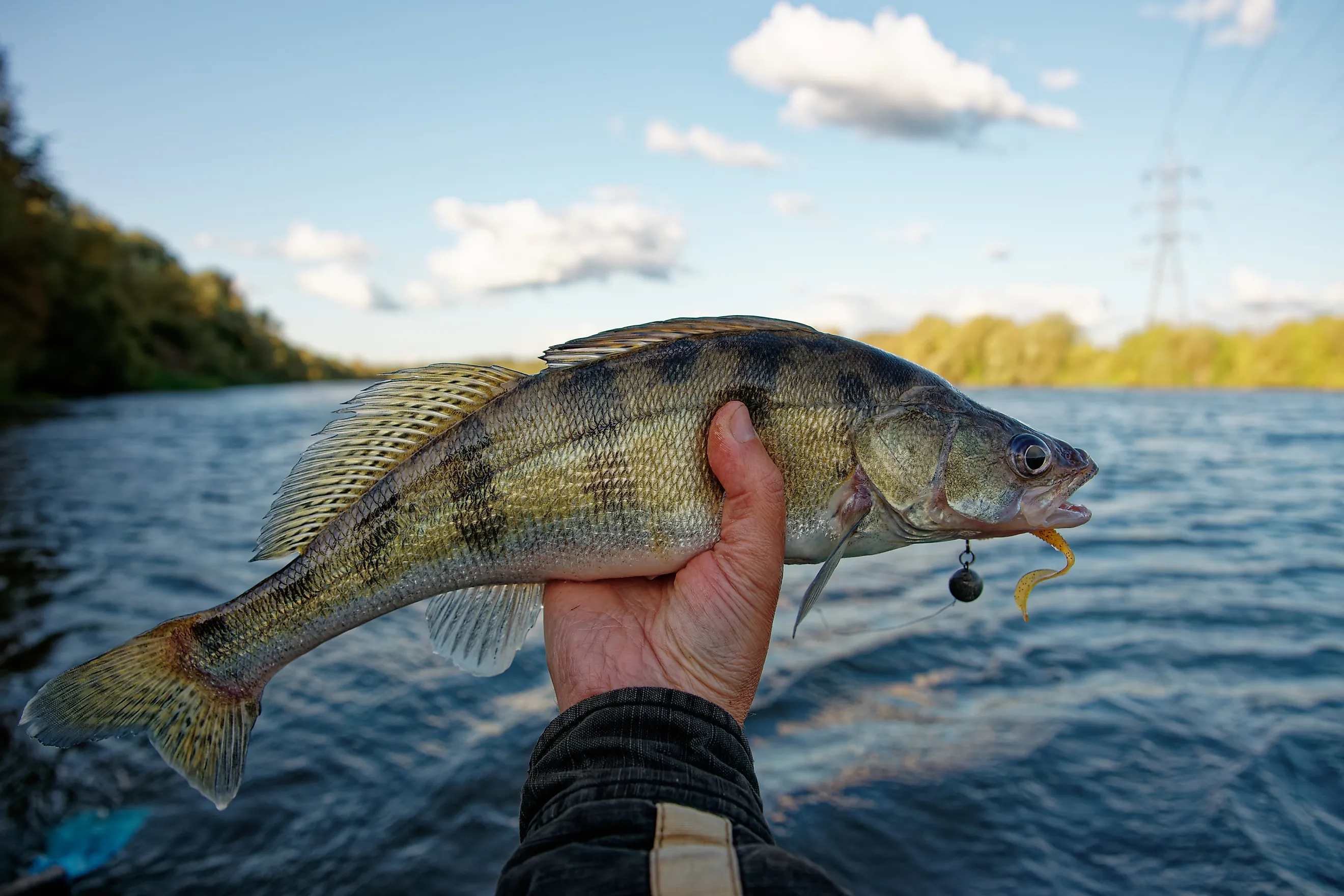
The Rivers Where Walleye Grow Largest
Walleye are a lake fish in most people's heads, and the record book backs that up, since every genuine twenty-pounder in American history came out of still water. Rivers work differently and produce a different kind of fishery. Current concentrates forage, pushes fish into predictable seams below dams and at confluences, and drives enormous spawning runs every spring that pull walleye out of big lakes and into tributaries by the million. The result is that the rivers rarely hold the single heaviest fish but reliably hold the most of them, and a handful produce genuine trophies. Here is where river walleye actually grow large, starting with the water that most people now expect to break the world record.
One clarification first, because it matters for the whole list. Several famous river walleye fisheries are technically reservoir pools behind dams, and the honest reading is that they behave more like lakes than rivers.
The Columbia River, Washington And Oregon

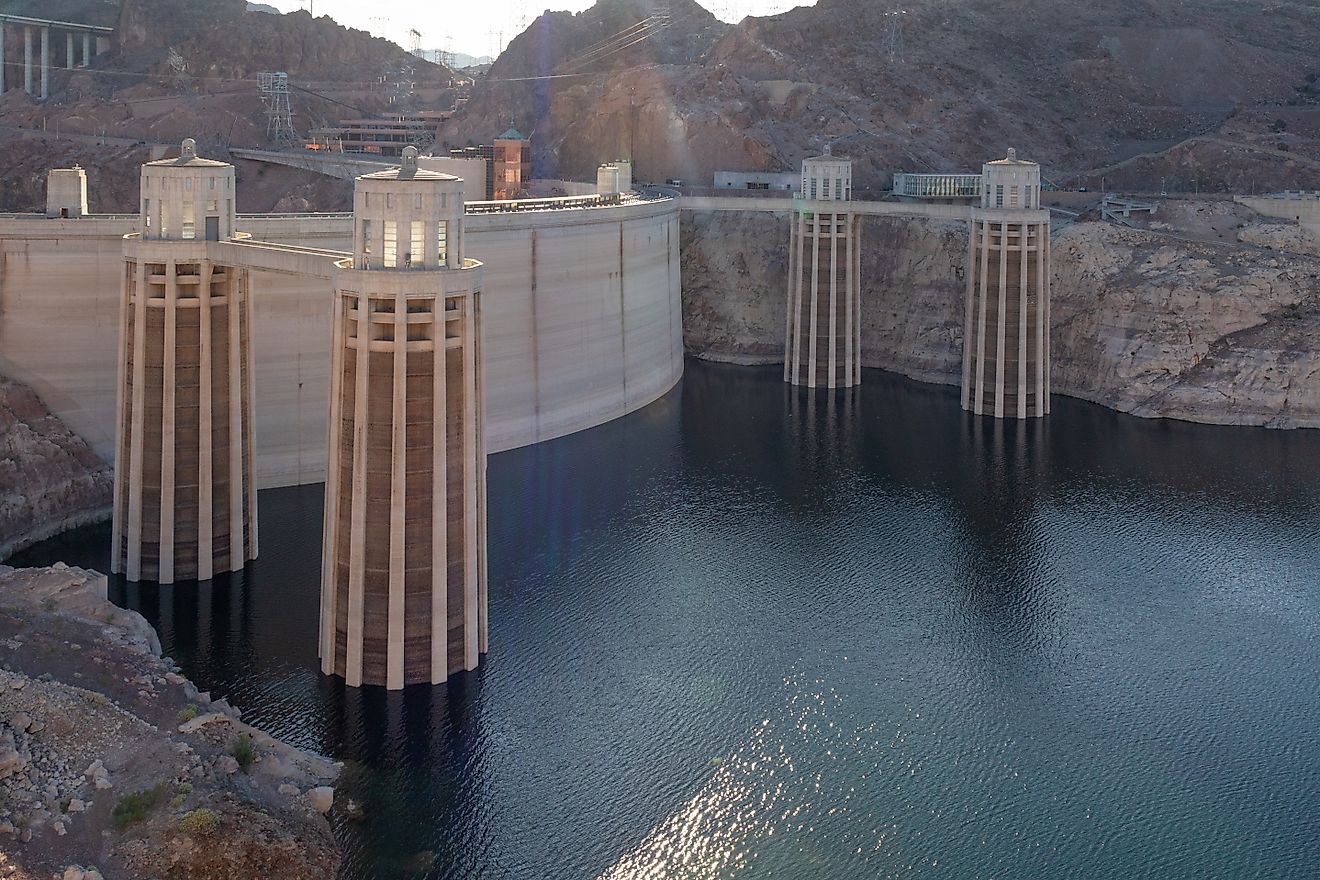
Walleye are not native here. They arrived in the Columbia basin in the 1960s and found a river broken into a chain of wide, cool, heavily stocked pools behind hydroelectric dams, with more forage than they could work through.
The results are the best in the country. John Grubenhoff caught a 20.32-pound female in the McNary Pool near the Tri-Cities on February 28, 2014, measuring 35.5 inches with a 22.75-inch girth. It was the first walleye over twenty pounds recorded anywhere in the United States since a Missouri fish in 1988, and Washington's fisheries manager at the time said the state's populations were both unusually large and underexploited. The previous state record, Mike Hepper's 19.3-pounder, came out of the same water in 2007. Oregon's record of 19.15 pounds came from the south bank.
Two honest notes. The fish here hold much deeper than Midwestern walleye, often between 40 and 100 feet rather than the top 40, so the tactics do not transfer. And the pools are slackwater, which is why this fishery straddles the line between river and reservoir.
The Detroit River, Michigan

If the Columbia has the biggest walleye, the Detroit River has the most, and by a margin that is difficult to convey.
Every spring, walleye move out of Lake Erie and up the Detroit River to spawn on the gravel and limestone between Lake Erie and Lake St. Clair, and the run is measured in millions of fish. It happens in the middle of a major metropolitan area, within sight of downtown Detroit, Michigan, and the Ambassador Bridge, which makes it the most urban trophy fishery in North America.
The fish are not Columbia-sized. Ten pounds is an excellent Detroit River walleye. What the river offers instead is density, and a genuine chance at a double-digit fish while drifting past an auto plant.
The Maumee River, Ohio

The Maumee runs into the western basin of Lake Erie at Toledo, Ohio, and its spring run is the most accessible walleye fishing in the country because most of it happens on foot.
Anglers wade the river through March and April, shoulder to shoulder in the well-known stretches, casting jigs into current seams while the fish push upstream. The nearby Sandusky River does the same thing on a smaller scale.
Lake Erie's western basin produces the walleye that make these runs, and its hatches have been strong enough in recent years that the tributaries get crowded with both fish and people.
The Rainy River, Minnesota

The Rainy forms part of the border between Minnesota and Ontario and empties into Lake of the Woods, and its spring run is the northern equivalent of the Maumee with far fewer people.
Pre-spawn females moving up out of the lake are the heaviest walleye most anglers will ever handle, because the fish are carrying eggs and feeding hard before they drop them. That is the pattern behind nearly every trophy on this list. The Columbia record was an egg-heavy hen in February, and so was the Washington record before it.
Ice-out timing drives everything here, and the window is short.
The Missouri River, South Dakota And North Dakota

The Missouri through the Dakotas is really a series of enormous reservoirs connected by short stretches of river, and the walleye fishing happens at the joints.
Tailwaters below the mainstem dams concentrate baitfish coming through the turbines, which concentrates walleye, which concentrates anglers. The reservoirs themselves, Oahe and Sakakawea in particular, are among the most productive walleye waters in the country when the forage base is strong.
Smelt and shad populations drive that, and they crash and rebuild on their own schedule, which is why this fishery swings between exceptional and ordinary across a few years.
The Mississippi River, Pool 4

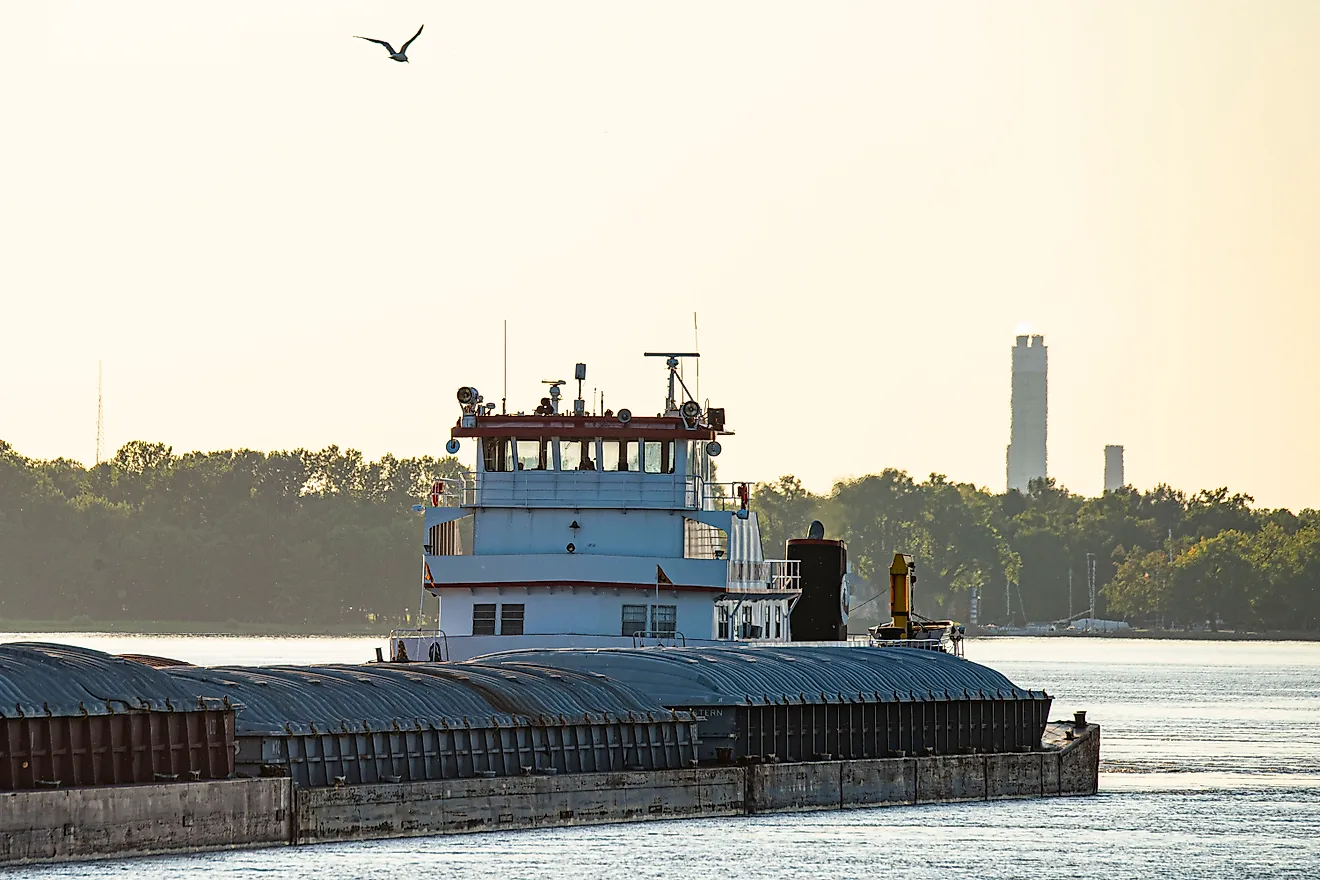
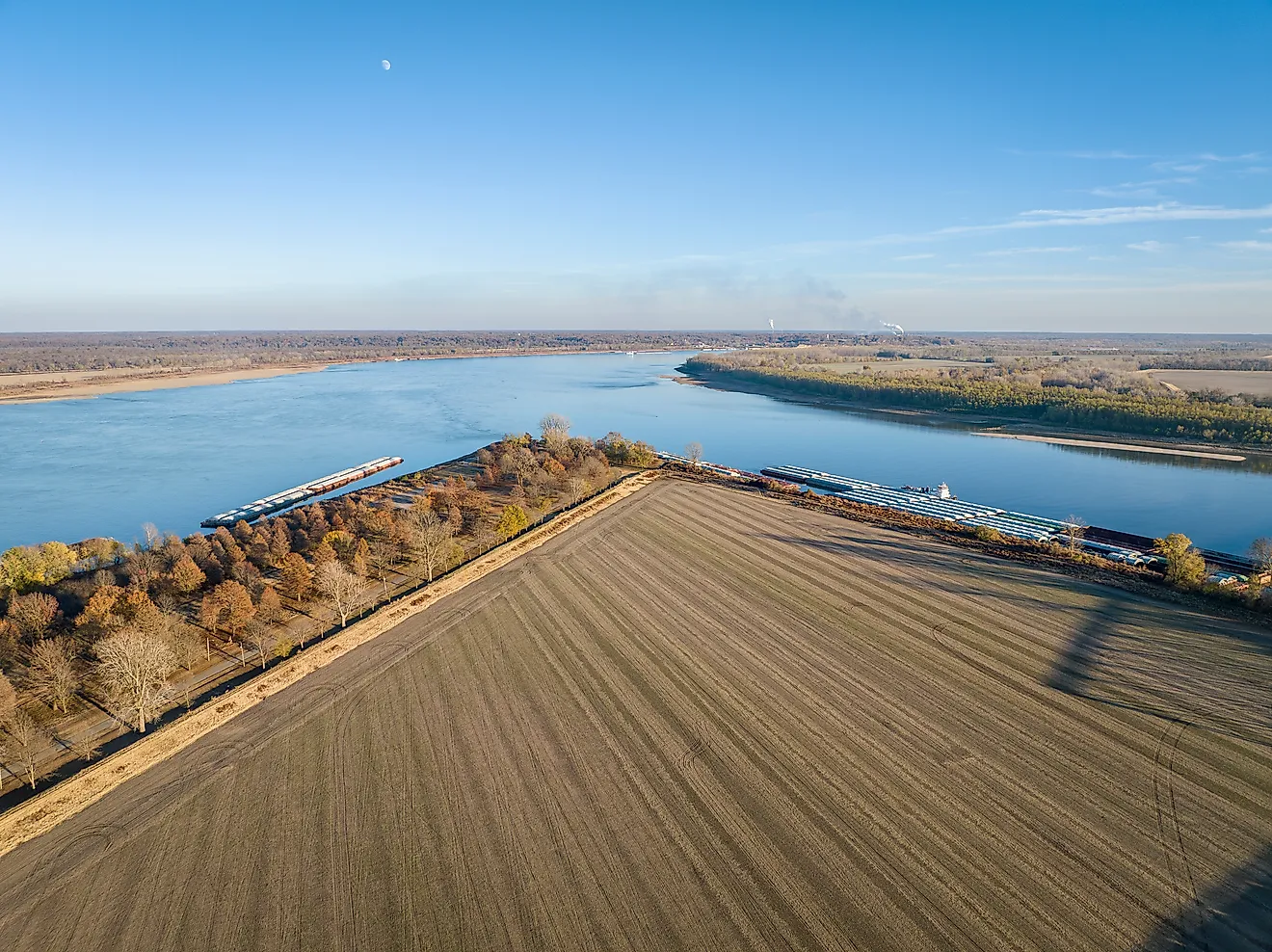
The upper Mississippi is divided into numbered navigation pools, and Pool 4 below Red Wing has the strongest reputation among them.
The stretch above Lake Pepin holds current, wing dams, and deep holes in close proximity, which is the structural combination walleye use hardest in cold water. Late winter and early spring is the trophy window here for the same egg-laden reason it is everywhere else.
This is also the most consistent big-walleye water in the Midwest that is genuinely a river rather than a reservoir with a river's name.
The Fox And Wolf Rivers, Wisconsin

The Winnebago system runs one of the largest self-sustaining walleye populations in the country, and every spring it empties into these two tributaries.
Walleye leave Lake Winnebago and push up the Wolf and the Fox to spawn on flooded marsh, and the run supports a fishery that has been managed intensively for decades. It is not trophy water in the Columbia sense. It is a reminder that river walleye fishing in the Midwest is fundamentally about intercepting a migration rather than finding resident fish.
About That World Record

The number every walleye angler knows is 25 pounds, and it has one of the messiest histories in American record keeping.
Mabry Harper caught the fish at Old Hickory Lake in Tennessee on August 2, 1960, while fishing for catfish. It weighed 25 pounds 4 ounces at the scales, measured 41 inches, and had a 29-inch girth, witnessed and documented by several people including a state game warden.
In the mid-1990s the Freshwater Fishing Hall of Fame removed it. Dick Sternberg had published a photometric analysis comparing the size of Harper's hands in the only widely circulated photograph against the claimed length, and concluded the fish could not be 41 inches. Al Nelson's 22-pound 11-ounce walleye from Greers Ferry Lake in Arkansas, caught during a 1982 tournament, became the record instead.
Then it came back. A Trousdale County historian named John Oliver surfaced material nobody had seen: two affidavits from warden James Spurling, one prepared shortly before his death attesting he had personally measured the fish at 41 inches, photographs of Harper's wife holding the walleye in front of a 1959 Plymouth that finally supplied a known-size reference, a photograph of the cleaned head with a ruler laid across it, and preserved scale samples. The Hall of Fame reviewed the case and reinstated the record. The IGFA, for its part, is generally reported never to have removed it in the first place.
Nelson's fish still holds the IGFA 12-pound line class record, which is a reasonable consolation.
Why Rivers Rarely Hold The Biggest Fish

Current costs energy. A walleye holding in moving water burns calories a lake fish does not, which caps how much of its intake converts to growth.
That is why the pattern across this list is so consistent. The rivers with the biggest walleye are the ones where the current has been removed, meaning the Columbia pools and the Missouri reservoirs, and the rivers famous for pure numbers are the ones with real current and a spawning run passing through.
Only five states have a walleye record over twenty pounds. If a sixth joins them, the strong consensus among people who fish for a living is that it comes out of the Columbia, and it will be a February hen full of eggs.