The Most Remote River In The Lower 48
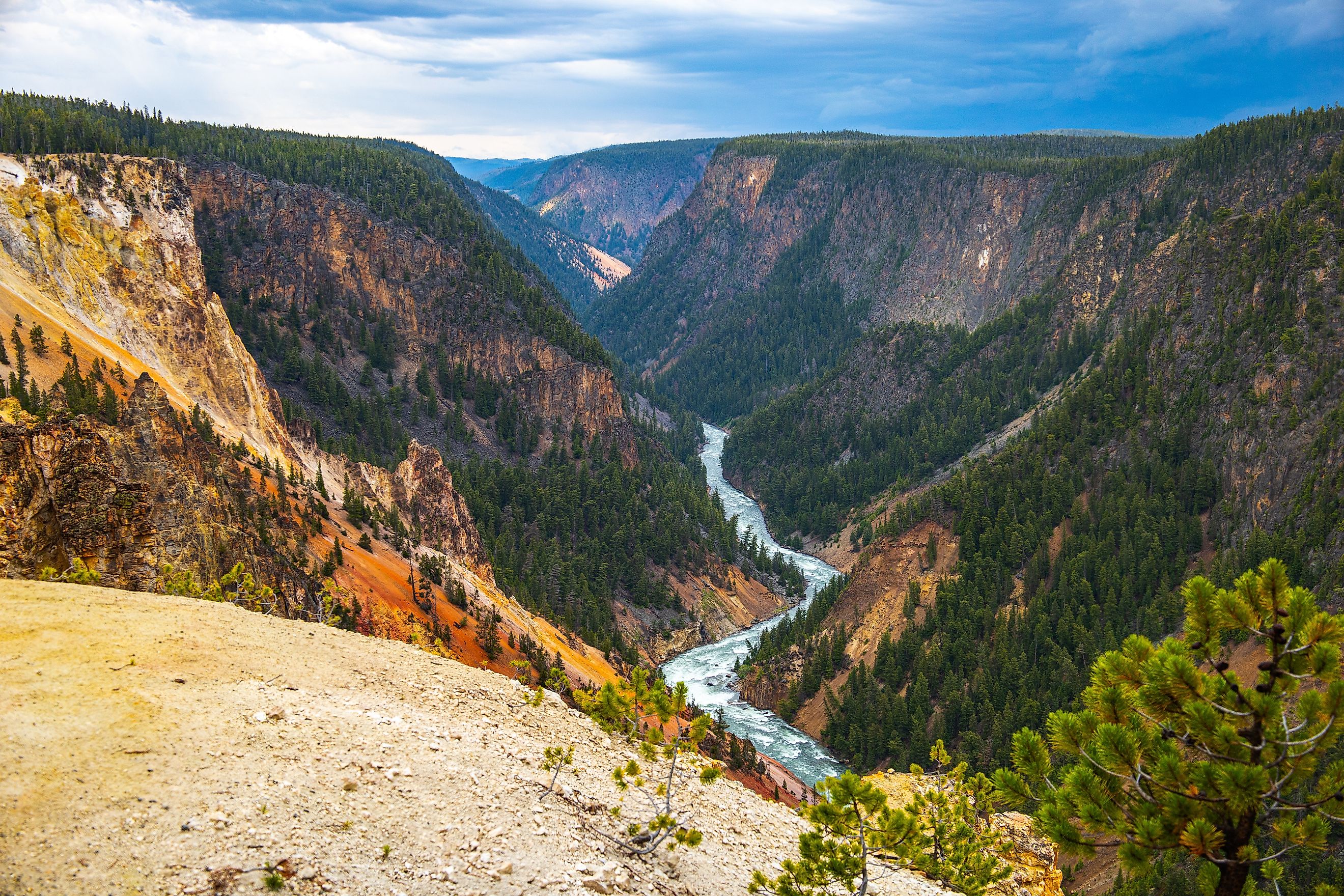
The upper Yellowstone River, the reach that winds through Wyoming's Thorofare region on its way into Yellowstone Lake, is the most remote river in the Lower 48.
It runs through what the USGS calls the most remote place in the contiguous states, where the nearest road is more than 20 miles away in any direction.
On the ground, those miles turn into long trail and river fords in grizzly country, and the people who reach its banks count the trip in days. Idaho's Middle Fork of the Salmon flows through a wilderness about four times the size of the one at the Yellowstone's headwaters, which raises a fair question about what makes a river remote. The answer starts with roads, and it ends with a run of trout that still swims into this valley every summer.
The Upper Yellowstone Flows Through The Most Remote Ground In The Lower 48

The Thorofare covers the southeast corner of Yellowstone National Park and spills across the boundary into the Teton Wilderness of Bridger-Teton National Forest. A 2007 study of roadless land led by U.S. Geological Survey scientists identified it as the most remote landlocked spot in the Lower 48, and the point farthest from any road lies in the Thorofare, close to where Thorofare Creek meets the Yellowstone.
The river is well along by the time it gets there. It rises on Younts Peak in the Absaroka Range, inside the Teton Wilderness, and meanders through the Thorofare into the park and on to Yellowstone Lake. Hikers bound for Hawks Rest, a mountain just outside the park's southeastern border near the river, plan on two to three days of walking each way.
Reaching Its Banks Takes Days On Foot Or Horseback

Inside the park, the main way in is the Thorofare Trail, which leaves the Nine Mile Trailhead on the eastern side of Yellowstone Lake and runs 33.1 miles one way. Overnight trips need a backcountry permit, and the park asks hikers to travel in groups of three or more. A boat across the lake trims the hike, and guided trips that start with a ride from Bridge Bay Marina to the Southeast Arm still cover 44 to 47.5 miles over seven days.
Approaches from outside the park, through Bridger-Teton National Forest, can run longer. One family that set out from Turpin Meadow, a trailhead about 9 miles off U.S. Highway 26, gave themselves seven days to cover about 70 miles. Few of Yellowstone's rivers or streams have bridges, and many cannot be crossed until July or later.
Help is just as far away. Wyoming state Rep. Cyrus Western, who bowhunted elk in the Thorofare, told Cowboy State Daily, "Even if you can send for help, the only way out is going to be by chopper."
Cutthroat Trout Swim About 26 Miles Upriver To Spawn

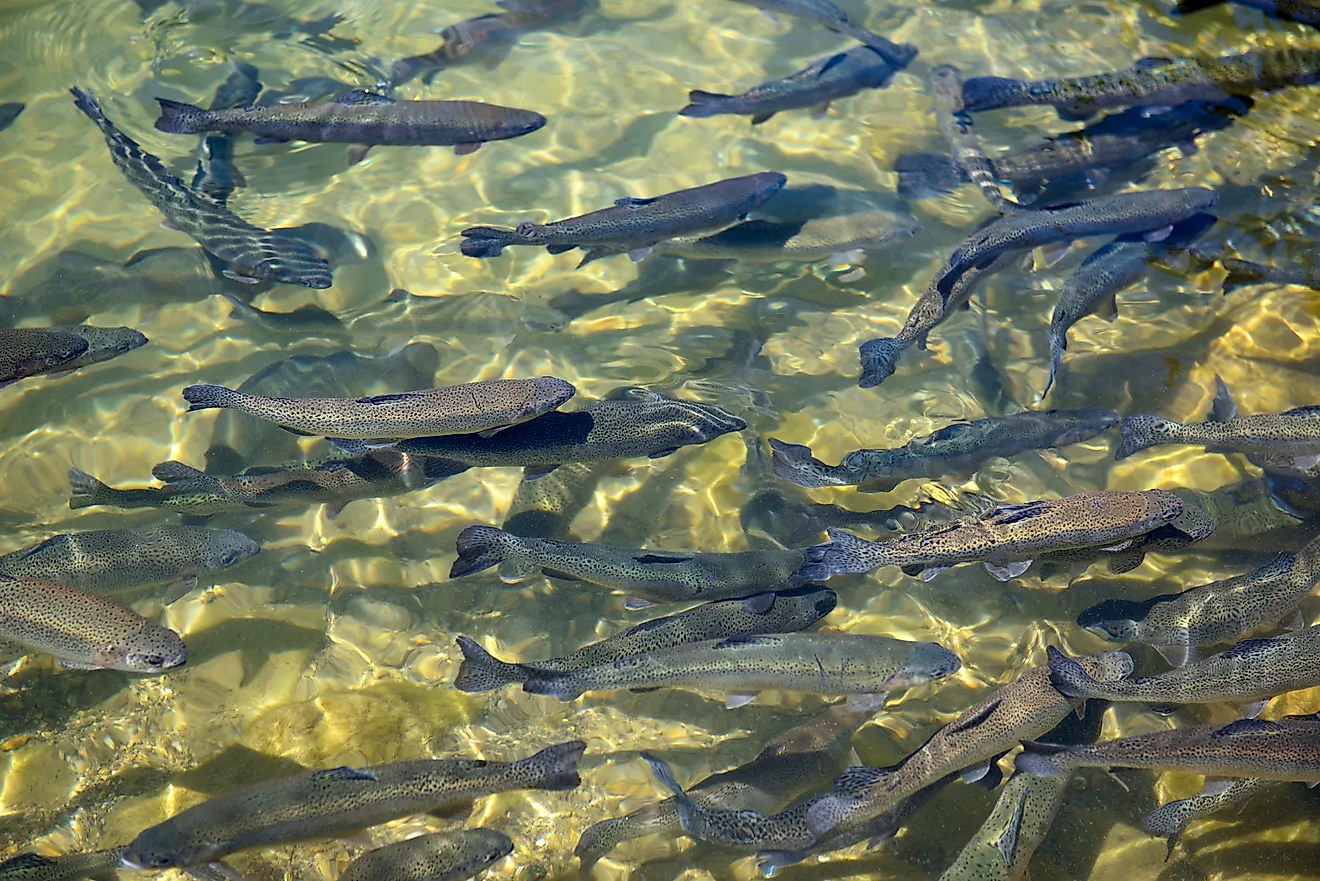
Yellowstone Lake holds the largest population of wild cutthroat trout in North America, and each summer many of those fish leave the lake to spawn in its tributaries. The upper Yellowstone drains nearly half of the lake's watershed, which makes it the largest of those streams by area. In a USGS-published radio-tracking study, adult cutthroat that spawned in the river swam an average of about 26 miles upstream and spent about 24 days there before returning to the lake.
Two-foot trout crowd the rivers for only a few weeks each year, the one stretch of the season when anglers can see and catch them in moving water. Outfitters working the Teton Wilderness log 14,000 client days each summer, and Outdoor Life reported that even many outfitters consider the Thorofare too busy during the spawn.
Grizzlies used to lean on that run as well. Bears that were once sustained by the seasonal cutthroat turned to elk calves for calories as the fish declined.
Gillnets On The Lake Decide How Many Trout Reach The Thorofare

The decline started out on the lake. Lake trout, an illegally introduced species, spread through Yellowstone Lake and cut deep into its cutthroat, and by the early 2000s the number of spawning cutthroat had fallen to just 5 to 10 percent of what it was in the late 1970s. Fewer spawners in the lake meant thinner runs up every tributary, the upper Yellowstone included.
Crews have fought back mainly with gillnets, removing more than 5.1 million lake trout since 1994. By 2020, the lake trout catch per net had dropped to about a third of its 2011 and 2012 peak, and the large adults had declined by 90 percent. The cutthroat were starting to recover by then. The Park Service describes the netting as a long-term, possibly perpetual, commitment, and anglers are part of it. All native fish in the park are catch-and-release, and any lake trout caught in Yellowstone Lake must be killed.
Elk And Grizzlies Spend Summer Above The River

The Thorofare is summer range for elk from the Cody herd, which migrate about 30 to 90 miles one way to reach it and graze the Thorofare Plateau until early autumn. The Wyoming Migration Initiative describes the region as home to one of America's wildest elk hunts, and grizzlies set its pace. "You can't leave a carcass there overnight, or a grizzly will claim it," a bowhunter told Cowboy State Daily. Higher still, some grizzlies climb Absaroka Range peaks as high as 13,000 feet to eat army cutworm moths.
Rangers Still Staff An Army-Era Outpost In The Thorofare

People live in the Thorofare only in shifts. The Thorofare Ranger Station belongs to a network of stations the Army set up in the 1880s, though the current station took shape around 1920 and was rebuilt in 1937 after a kitchen fire. Park workers use it from the end of July to mid-August and come back for the fall hunting season, and the cabin is closed to the public. John McCurdy, a supervisory ranger for the park's backcountry who has spent many seasons there, told Cowboy State Daily that the Thorofare "has always felt like home."
Just outside the park, Wyoming Game and Fish wardens and biologists work from their own Thorofare cabin, built in 1955 with no road to it. Supplies cross Yellowstone Lake by boat to the Trail Creek camp and then travel the remaining 20 miles by packhorse. Entries kept at the cabin note a grizzly pushing and pulling on the front door in 2001 and a wolf howling several times up Thorofare Creek in 2007.
Idaho's Bigger Wilderness Rivers Have Airstrips Along The Way

Idaho's Frank Church-River of No Return Wilderness covers nearly 2.4 million acres, about four times the size of the Teton Wilderness, and the 104-mile Middle Fork of the Salmon River runs through it. Size and distance from a road are different measures, and the Frank Church has eight backcountry airstrips open to public use. About 10,000 people float the Middle Fork each year. Farther north, some groups bound for the Selway River fly in to the Shearer airstrip for a three- to five-day, 47-mile run through the Selway-Bitterroot Wilderness, where only one party may launch each day during the permit season from mid-May through July.
The upper Yellowstone has no such shortcut. The park closes the lake's tributaries to boating, so no one may float the river inside Yellowstone, and Outdoor Life puts the Thorofare about 22 miles from any airstrip or road. Everyone who reaches the river there walks or rides the last miles.
Downstream, the river meets the road. It leaves Yellowstone Lake at Fishing Bridge, where the park road crosses it, and the spot is a major cutthroat spawning area where overfishing contributed to the trout's decline in the lake. The bridge has been closed to fishing since 1973. The Thorofare works the opposite way. Its cutthroat spawn more than 20 miles from the nearest road, behind days of trail and river fords, and the anglers who meet the run there are the ones willing to make that trip. How many fish show up each summer now depends largely on the nets working the lake below them.