How Lake Superior Compares To The Biggest Lake On Every Other Continent
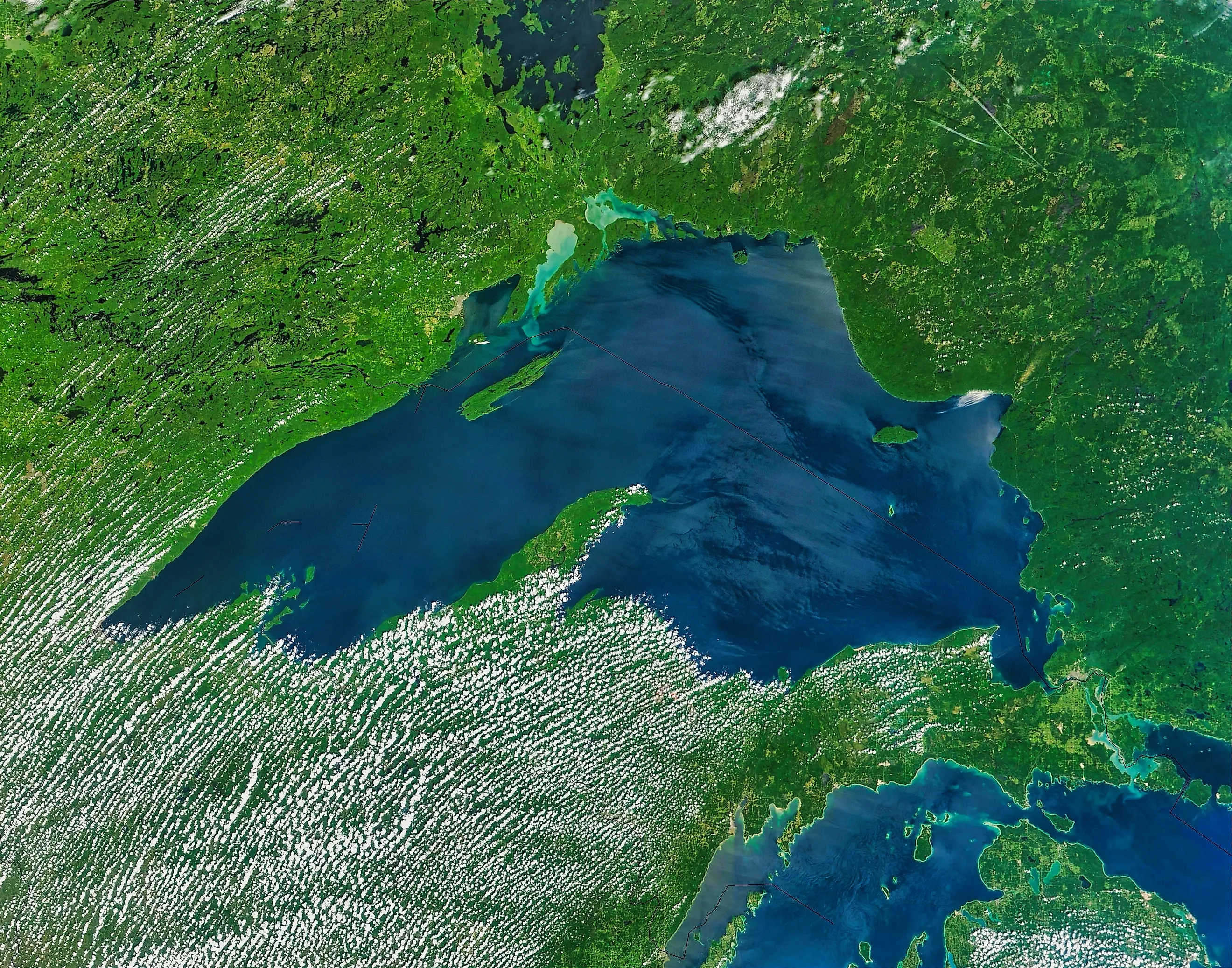
Lake Superior is so enormous it almost feels like it is showing off. It is the largest freshwater lake on Earth by surface area, it holds roughly 10 percent of all the fresh surface water on the planet, and it contains enough liquid to flood both North and South America under a foot of water. So, naturally, we decided to make it fight. We pitted Superior against the biggest lake on every other continent, and the results range from humiliating blowouts to one genuinely crushing defeat, with a couple of deeply strange opponents thrown in along the way. Here is how the big guy stacks up against the rest of the world.
First, Meet the Champion

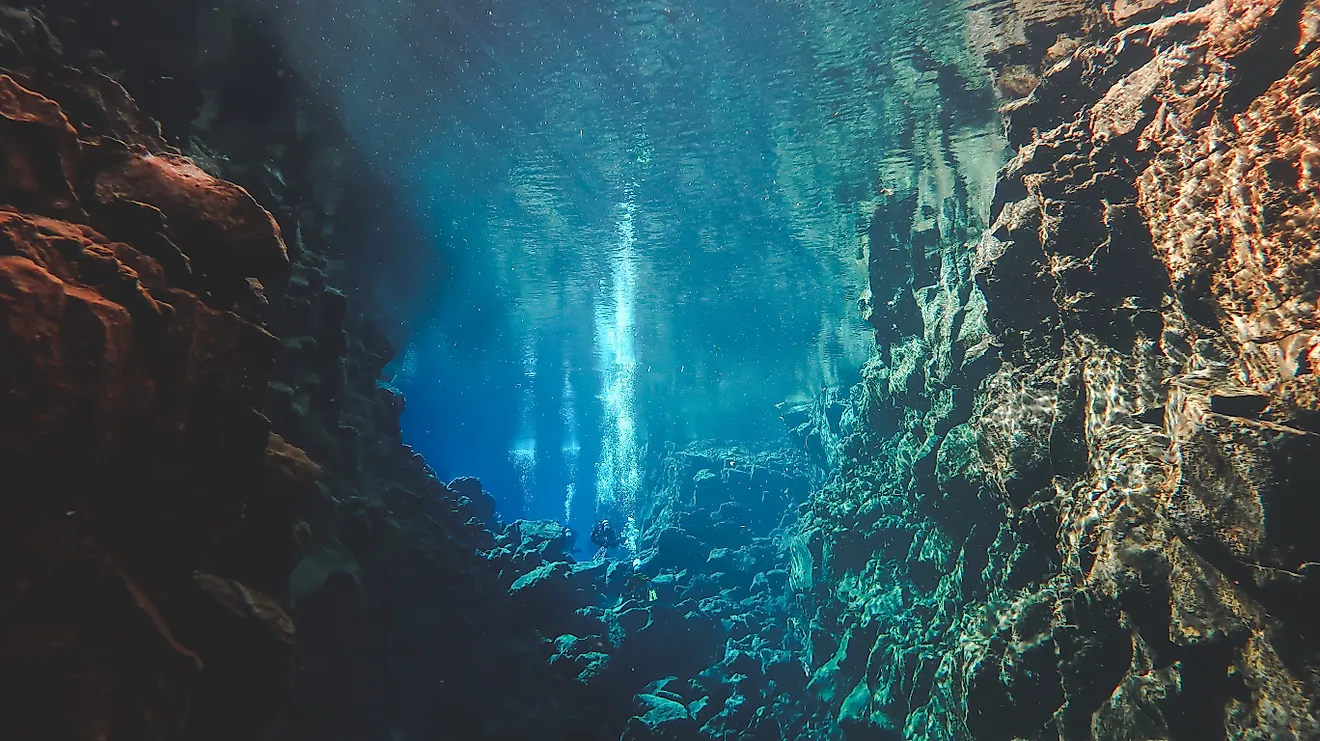
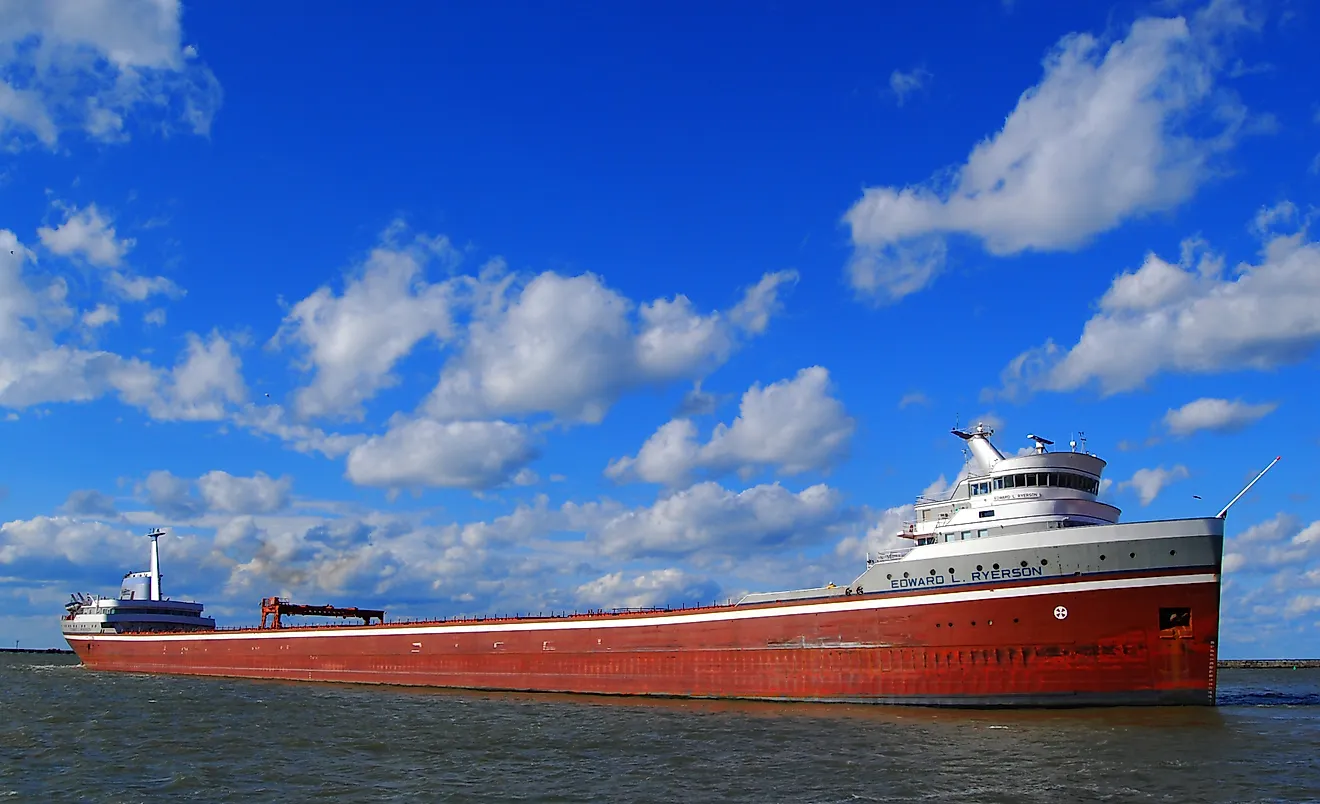
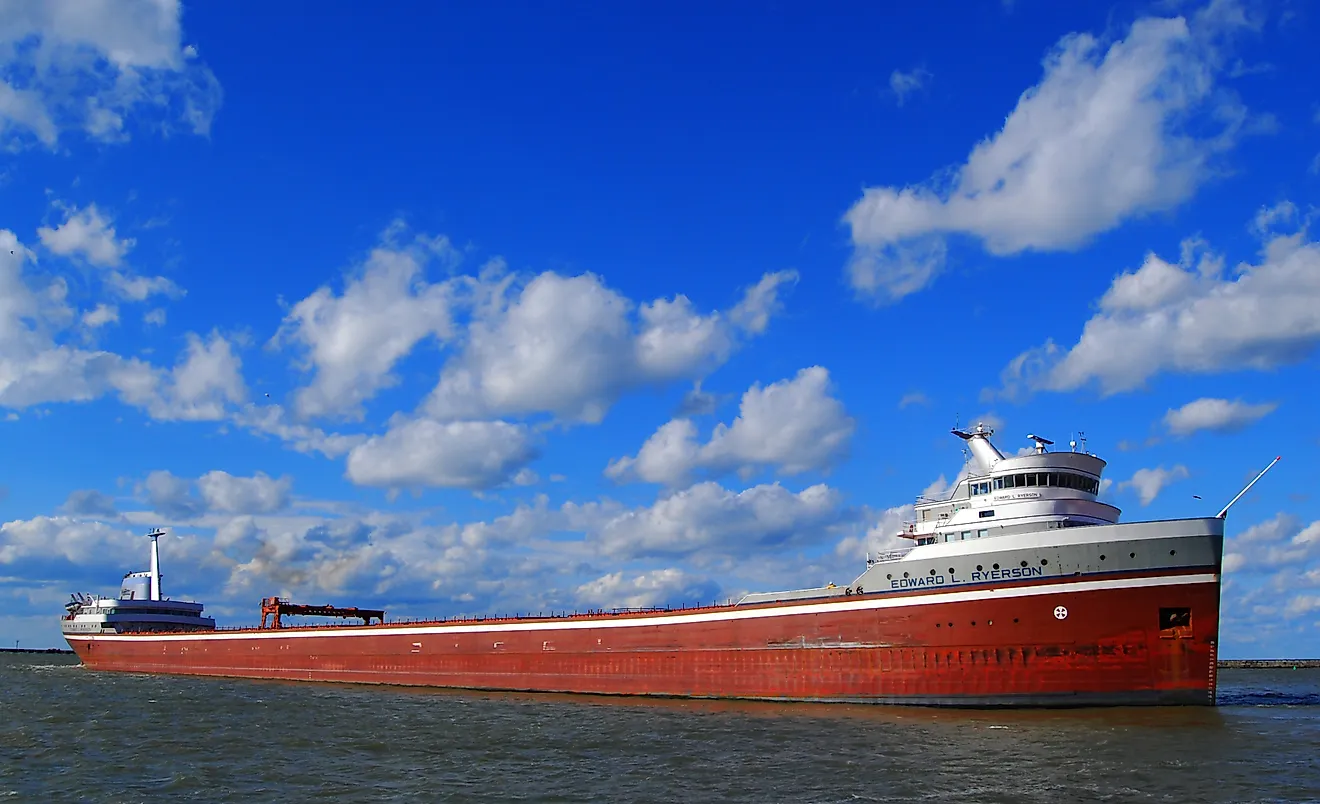
Before the brawl, a quick scouting report on our contender. Lake Superior sprawls across roughly 31,700 square miles along the US-Canada border, which is about the size of South Carolina, or the entire country of Austria. It is the largest freshwater lake in the world by area and the third largest by volume, deep enough at around 1,330 feet, and cold enough, to have swallowed a famous freighter or two. In short, it is a freshwater heavyweight that is thoroughly used to winning. Now let's see what the other continents can throw at it.
Asia: The Caspian Sea (The One That Wins)

We may as well get the bad news out of the way first. Asia's biggest lake, the Caspian Sea, happens to be the biggest lake on the entire planet, and it absolutely wallops Superior. At around 143,000 square miles, it is roughly four and a half times larger, about the size of California. The catch is that the Caspian is salty and straddles the Europe-Asia border, so purists will insist it is barely playing the same sport. Call it what you like, though, because it is still a lake, and it is the one opponent that sends Superior home with its tail between its legs.
Africa: Lake Victoria (A Photo Finish)

Africa brings the only freshwater challenger that gets anywhere close. Lake Victoria covers about 26,600 square miles, making it the largest lake in Africa and the third largest on Earth, trailing Superior by fewer than 5,000 square miles. On a map, it looks like a near dead heat. But here is where Superior wins ugly: Victoria is shallow, a broad sheet of water only about 270 feet at its deepest, so despite the close surface area, Superior holds something like four times as much actual water. Close on the scoreboard, a blowout in the tank.
Europe: Lake Ladoga (Not Even Close)

Europe's biggest lake, if you politely set the transcontinental Caspian to one side, is Russia's Lake Ladoga, just north of St. Petersburg. It is a perfectly respectable body of water at about 6,800 square miles, roughly the size of Lake Ontario. Unfortunately for Europe, "the size of Lake Ontario" means Superior is very nearly five times bigger. Ladoga would be a superstar almost anywhere else on the continent; standing next to Superior, it is a benchwarmer.
South America: Lake Titicaca (Famous but Tiny)

Lake Titicaca is one of the most famous lakes on Earth, perched over 12,500 feet up in the Andes as the highest commercially navigable lake in the world, and shared by Peru and Bolivia. It is a genuine legend. It is also, by Superior's standards, a puddle. At around 3,200 square miles, Titicaca is roughly one-tenth the size of Superior, which could swallow it about ten times over and scarcely notice. For the record, South America's Lake Maracaibo is bigger, but it is a brackish tidal lagoon, so it tends to get disqualified on a technicality.
Australia: Lake Eyre (Usually Not Even There)

Australia's entry is the most Australian thing imaginable: its biggest lake is usually dry. Kati Thanda-Lake Eyre, a vast salt flat in the South Australian outback, only fills all the way up a handful of times a century, after rare heavy rains far to the north. The rest of the time, the continent's largest "lake" is a blinding white crust of salt you could stroll across. So while Superior sits there smugly holding a tenth of the world's fresh water all year round, Australia's champion frequently turns up to the fight as a dry lakebed. No contest.
Antarctica: Lake Vostok (The One Nobody Has Seen)

And finally, the strangest opponent of all. Antarctica's largest lake, Lake Vostok, is about 4,800 square miles, which sounds almost competitive, right up until you learn that it is buried under roughly two and a half miles of solid ice. Sealed off from sunlight for millions of years, it has never once been seen by human eyes, and scientists only know it is down there thanks to radar. So Superior's final challenger is a lake you cannot sail, cannot swim in, and cannot even look at. Superior, which happily lets you do all three, wins this one essentially by default.
Add it all up and Lake Superior finishes its world tour with a near-perfect record. It crushes Europe and South America, out-muscles Africa where it actually counts, beats a lake that is usually bone dry, and tops a lake that no human has ever laid eyes on. Its only loss is to a salty Asian giant that plenty of people argue should not even qualify. For a lake sitting quietly up on the Minnesota border, that is a very good day's work.