The Most Snake Infested Rivers In Nevada
Nevada is the most arid US state, making its rivers crucial sources of water and habitat for several species of snakes. Nevada's rivers flow through varied landscapes, like the snowmelt-fed Truckee River originating in the Sierra Nevada and the Colorado River flowing through the red rock landscape of the Mojave Desert. The snakes found along these rivers reflect those differences. Nevada is home to 28 different species of snakes, including six venomous rattlesnakes. Although rattlesnakes are often associated with arid regions and desert scrub habitats, some live in desert riparian zones along Nevada's rivers.
Truckee River

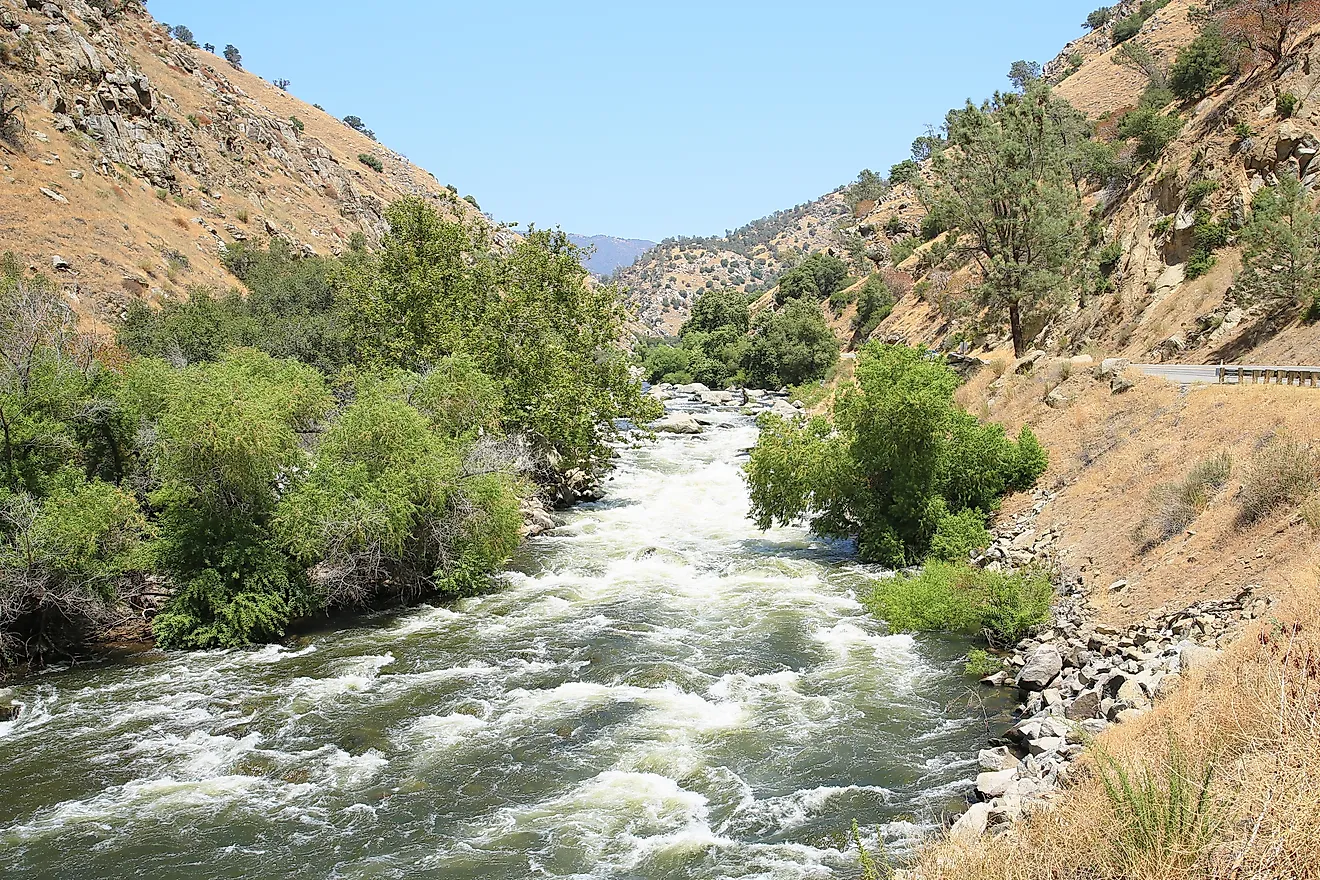
The Truckee River is the sole outlet of Lake Tahoe. It flows into Pyramid Lake in western Nevada. The majority of its flow comes from the Sierra Nevada snowmelt, keeping the river cold, even during the summer months. The western terrestrial garter snake (Thamnophis elegans) can withstand colder temperatures, allowing it to stay active longer than other snakes. Garter snakes are found farther north than any other snake in North America. In Nevada, the western terrestrial garter snake is the most abundant reptile along the Truckee River.

It occurs along the river's entire course. Western terrestrial garter snakes have been observed on the grassy edges of the river and swimming beneath rocks. They often feed on fish, frogs, and toads.
Carson River

Like the Truckee River, the Carson River originates in the Sierra Nevada and flows into western Nevada. It eventually drains into the Carson Sink, an endorheic basin in the Great Basin. Its snowmelt-fed waters support western terrestrial garter snakes along parts of its course.

The Great Basin rattlesnake (Crotalus oreganus lutosus) also inhabits the Carson River watershed. Great Basin rattlesnakes are found in many different habitat types, including grassy and shrubby riparian zones bordering the Carson River.
Humboldt River

During the Gold Rush, travelers on the California Trail faced the Forty Mile Desert, a stretch between the last drinkable water from the Humboldt River and the first drinkable water of the Carson River. The Humboldt River is the longest river entirely within Nevada. It is also home to one of the longest snakes in Nevada.

The Great Basin gopher snake (Pituophis catenifer deserticola) is a large and defensive snake that can grow longer than five feet. As a defense mechanism, Great Basin gopher snakes will flatten their heads to mimic rattlesnakes to deter threats. Great Basin gopher snakes have occasionally been known to consume rattlesnakes.
Colorado River

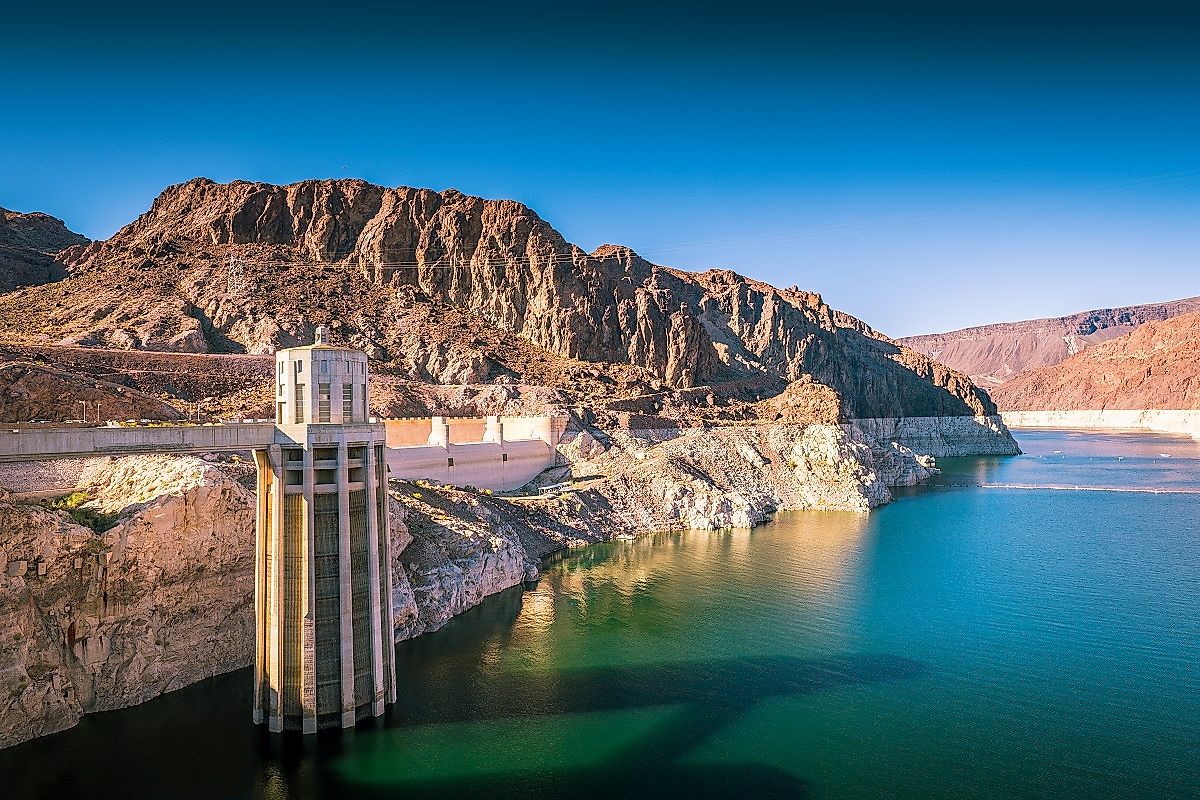
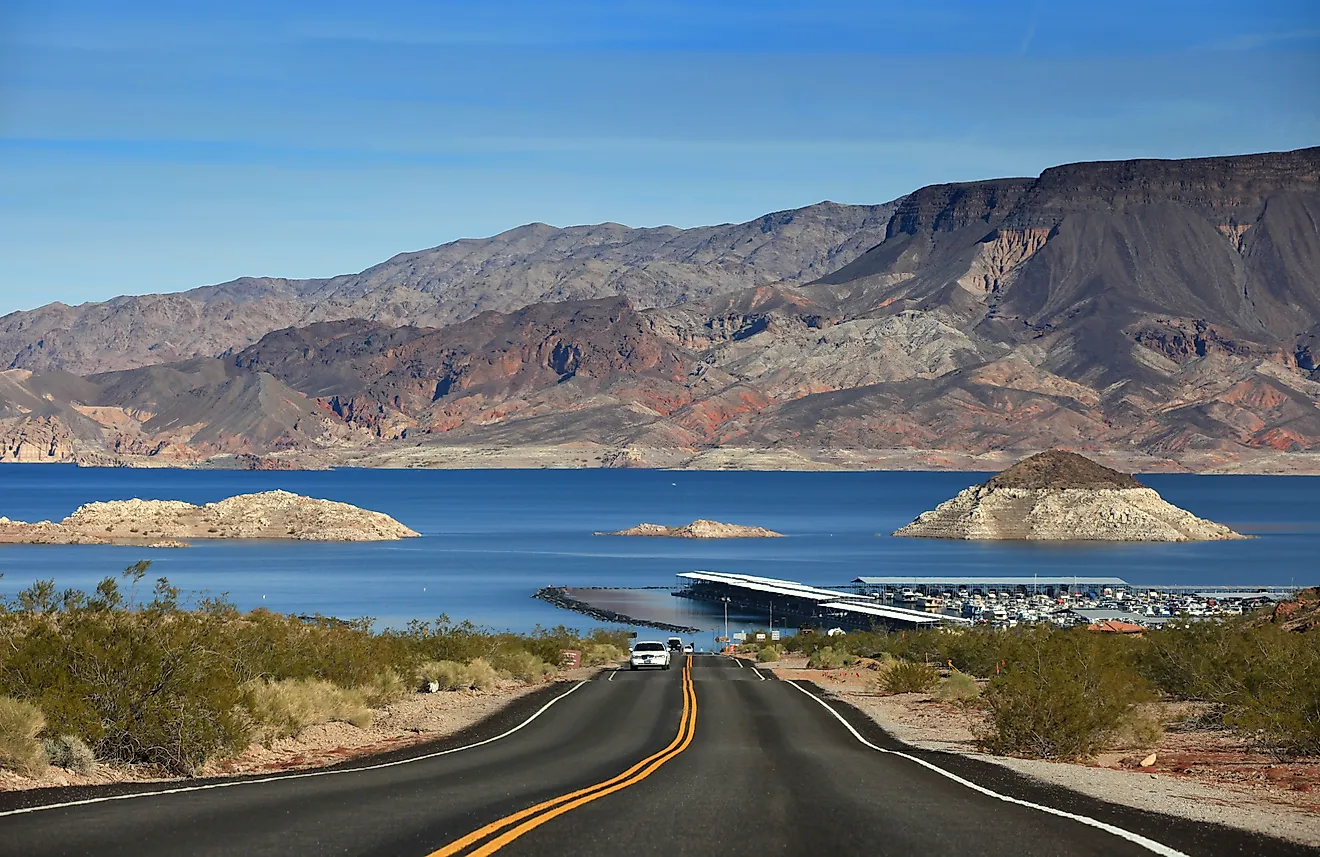
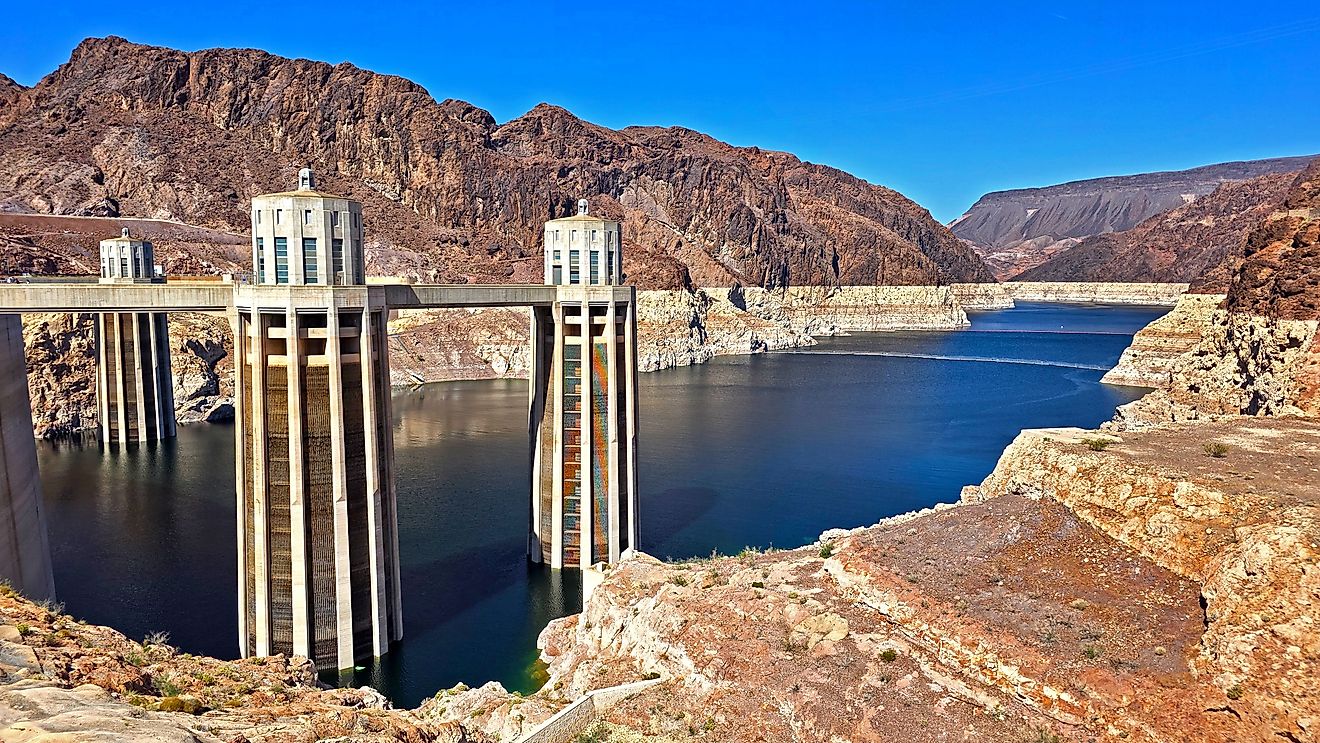
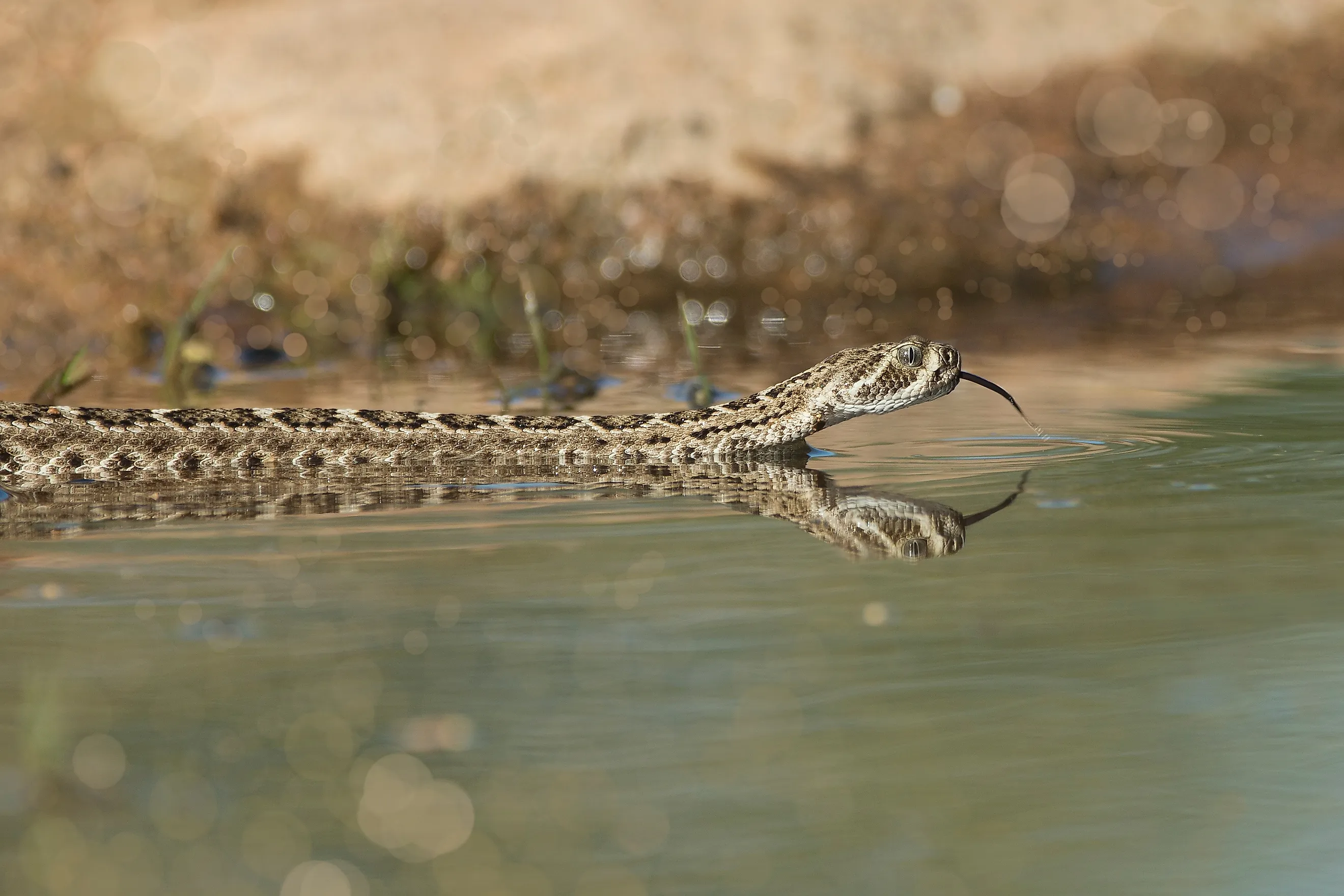
While the Humboldt River crosses Nevada's Great Basin, the Colorado River runs along the state's southeastern edge, where it flows through the rocky canyons of the Mojave Desert. Although the Colorado River flows about 1,450 miles and drains parts of seven states, it touches Nevada only along the state's border with Arizona, through Lake Mead and Lake Mohave. Despite this, the Colorado River corridor in Nevada is home to two of the state's rattlesnakes, the southwestern speckled rattlesnake (Crotalus pyrrhus) and the western diamondback rattlesnake (Crotalus atrox), the largest venomous snake in the state.

Both species inhabit rocky terrain and arid desert environments, where crevices and outcrops create shelter from the heat.
Snakes Suited To Nevada's Rivers
Each waterway in Nevada creates different conditions that are suited to different species of snakes. Even in the most arid state, life finds a way to survive the driest conditions. Western terrestrial garter snakes are adapted to the cold, snowmelt-fed water of the Truckee River. At the same time, down in southern Nevada, rattlesnakes occupy the rocky riparian terrain of the Colorado River. Even though these rivers cross an arid state, they provide important habitat for Nevada's diverse snake population.