What Happens If Lake Mead Refills Faster Than Anyone Expects
For years now, every Lake Mead headline has read like a disaster movie: record lows, looming dead pool, a once-mighty river running dry. So let's flip the script for a change. What if Lake Mead did the exact opposite and refilled faster than anyone expects? A run of monster snow years could, at least in theory, pull it off, and the results would be dramatic, mostly wonderful, and quietly a little dangerous. Here is what would actually happen.
First, It Would Take a Run of Monster Winters

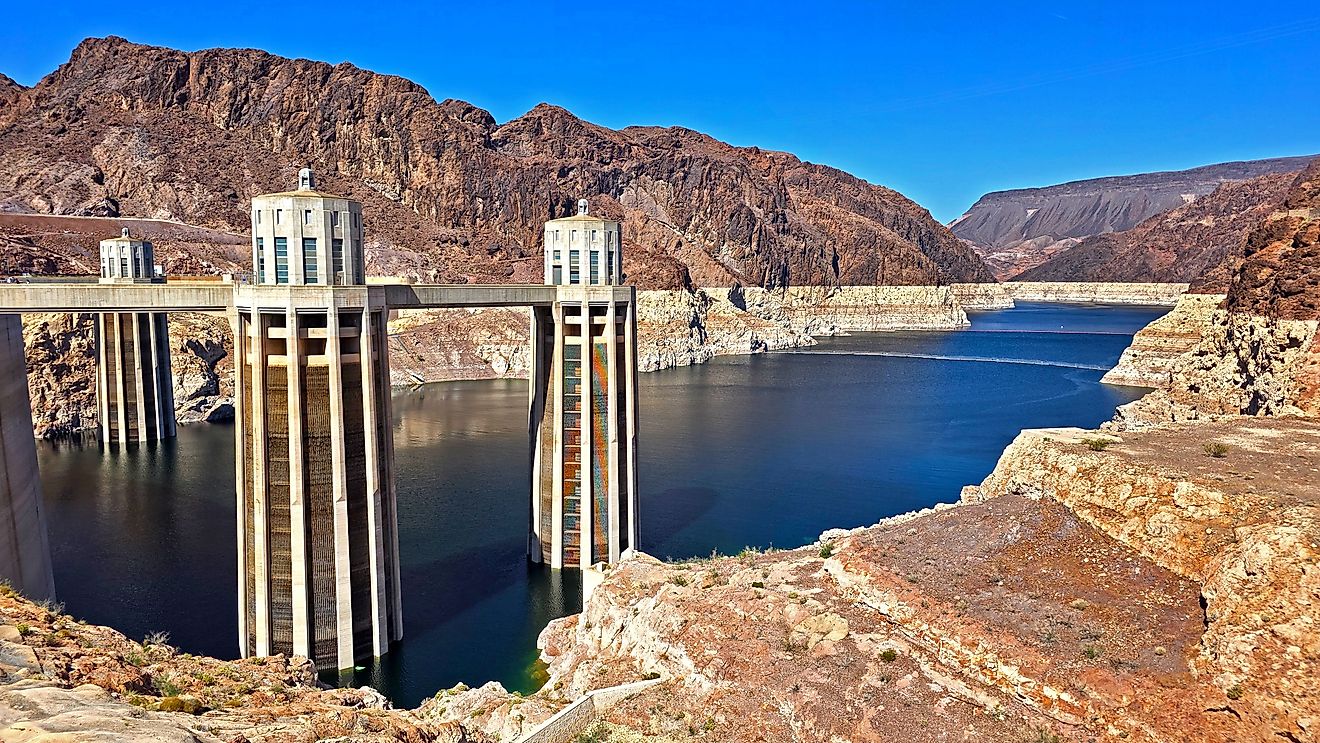
Let's be honest about the scale of the job first. Lake Mead currently sits around 1,040 to 1,065 feet, roughly a third full and about 180 feet below its full-pool mark of 1,229 feet. The encouraging news is that it absolutely can climb fast: it jumped nearly 47 feet in the wet year of 2011 and about 27 feet across 2023. The catch is that the Colorado River basin runs what managers call a "structural deficit" of roughly 1.2 million acre-feet a year, meaning more water is promised downstream than actually flows in. So a genuinely fast refill would demand not one big winter but an extraordinary, sustained run of them, enough to overwhelm that deficit year after year after year.
The Water Cuts Would Ease

The first and most immediate payoff would land at the negotiating table. The current rules tie mandatory water cuts directly to Lake Mead's elevation: when it falls below trigger lines at 1,075, 1,050, and 1,025 feet, progressively deeper shortages kick in for Arizona, Nevada, and Mexico. Push the lake back up past those thresholds, and the cuts ease or lift entirely. This is not hypothetical, either. After the wet winter of 2023, Mead rose just enough to bump up a shortage tier and spare Arizona some of its cuts the very next year.
Hydropower Would Roar Back

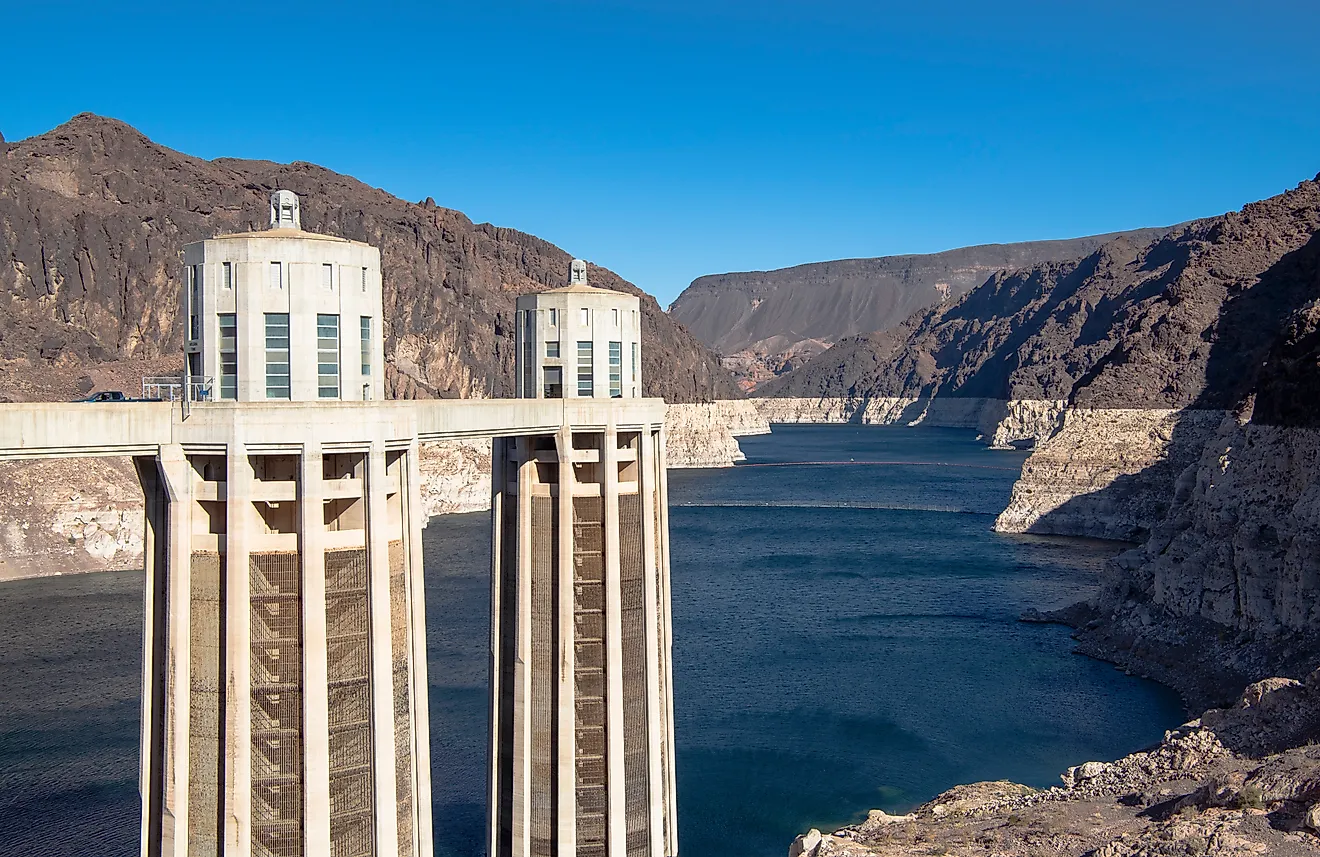
A rising lake would also be very good news for the lights across the Southwest. Hoover Dam generates less and less electricity as the water drops, and it sits uncomfortably close to some real danger lines: at around 1,035 feet, most of its 17 turbines can no longer run, slashing power capacity by roughly 70 percent, and near 950 feet it would stop generating altogether. A fast refill would shove the reservoir back up and away from those cliffs, restoring a flood of cheap, clean hydropower to millions of homes.
The Bathtub Ring Would Disappear

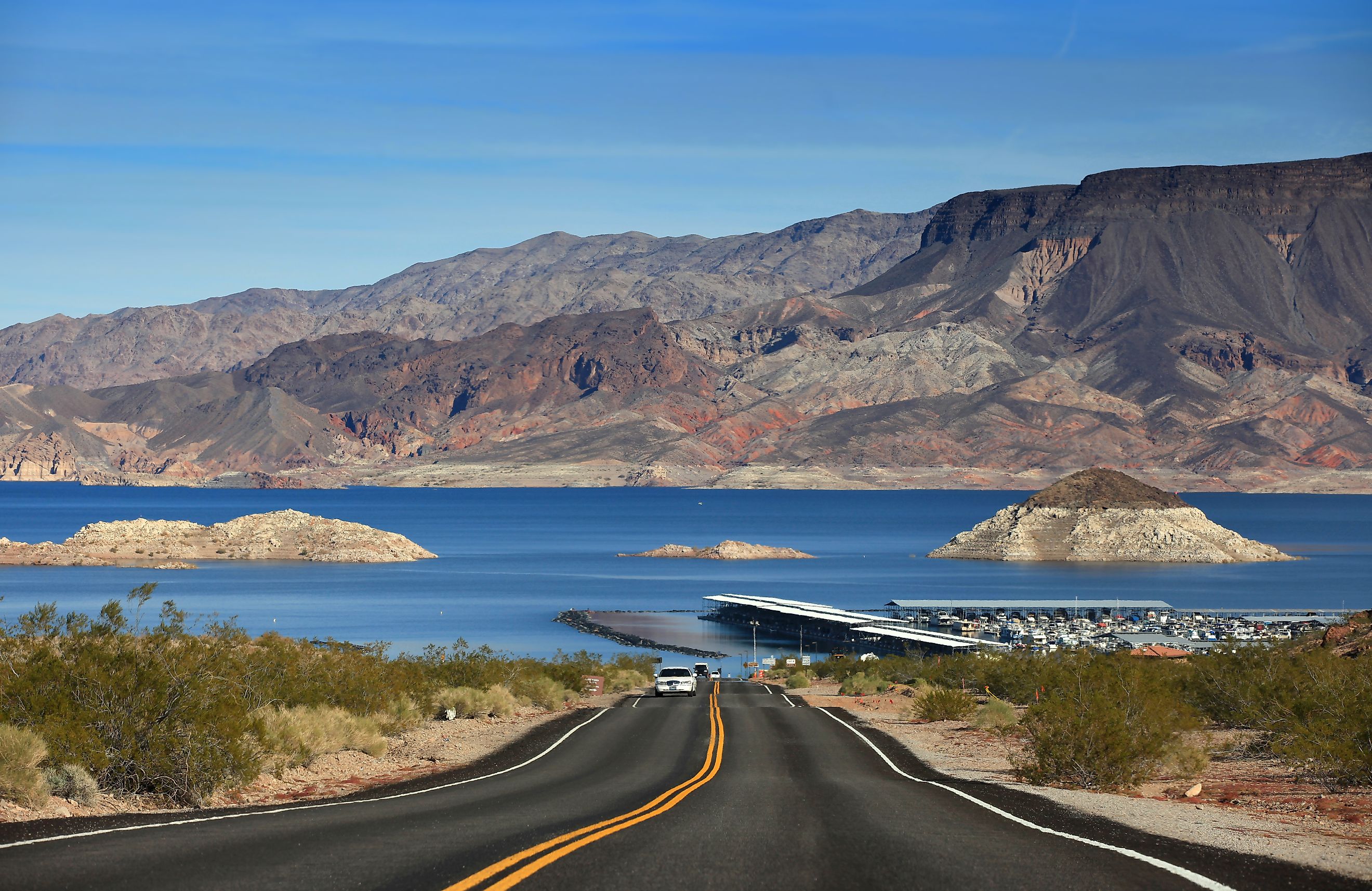
Visually, the transformation would be striking. The famous white "bathtub ring," that chalky mineral band staining the rock far above the current waterline, would slowly disappear beneath the rising lake. Boat ramps and marinas that have been left stranded high and dry, some of them repeatedly chasing the retreating shoreline downhill, would float freely once again. Recreation and tourism across Lake Mead National Recreation Area, which pulls in millions of visitors a year, would come roaring right back to life.
The Drought's Secrets Go Back Under

Here is the genuinely eerie part. As Lake Mead fell over the years, it coughed up decades of long-hidden secrets: the ruins of St. Thomas, a Mormon settlement deliberately flooded back in the 1930s, along with sunken boats, a World War II-era landing craft, and even human remains stuffed into barrels. A fast refill would quietly swallow all of it right back up. St. Thomas in particular has surfaced and re-drowned more than once over the decades, so a rising lake would simply return it, and the rest of the drought's grim discoveries, to the depths once more.
The Hidden Danger: Complacency

And this is the catch almost nobody likes to talk about. A fast refill would be a genuine gift, but a deceptive one, because it could drain away the hard-won urgency to actually fix the river. The Colorado is fundamentally over-allocated: the basin still uses more water than the river reliably provides, and a warming climate keeps quietly shrinking the supply. A full reservoir might tempt the states to ease off conservation and slide back toward using more, exactly when they can least afford to. As one scientist bluntly put it, you could have the wettest year on record and still be running a major long-term deficit. Refilling Lake Mead fast, in other words, would treat the symptom, not the disease. So enjoy the full lake if it ever comes, but do not mistake a lucky stretch of weather for a cure.