Why Rattlesnakes Are Most Active In Fall
In October 1925 a Colorado homesteader named Kate Slaughterback rode across her land and encountered more than a hundred rattlesnakes at once. The story is usually told as a tall tale about a woman who killed them all with a rifle and a fence post, and the interesting part gets skipped. Those snakes were not gathered by coincidence. They were migrating, converging on a winter den, which is what rattlesnakes do every autumn across much of the country. Fall is not simply a season when rattlesnakes happen to be out more. It is the season they travel, and some of them travel a long way.
They Go Back To The Same Den

Most snakes overwinter wherever they can find a hole. Rattlesnakes are considerably more organized than that, returning year after year to specific communal dens called hibernacula, a word borrowed from the Latin for winter quarters.
Site fidelity is the key behavior. An individual snake will cross miles of difficult ground to reach the exact crevice it used last year, and the year before that, and in many cases the one its parents used. These are not improvised shelters but established addresses.
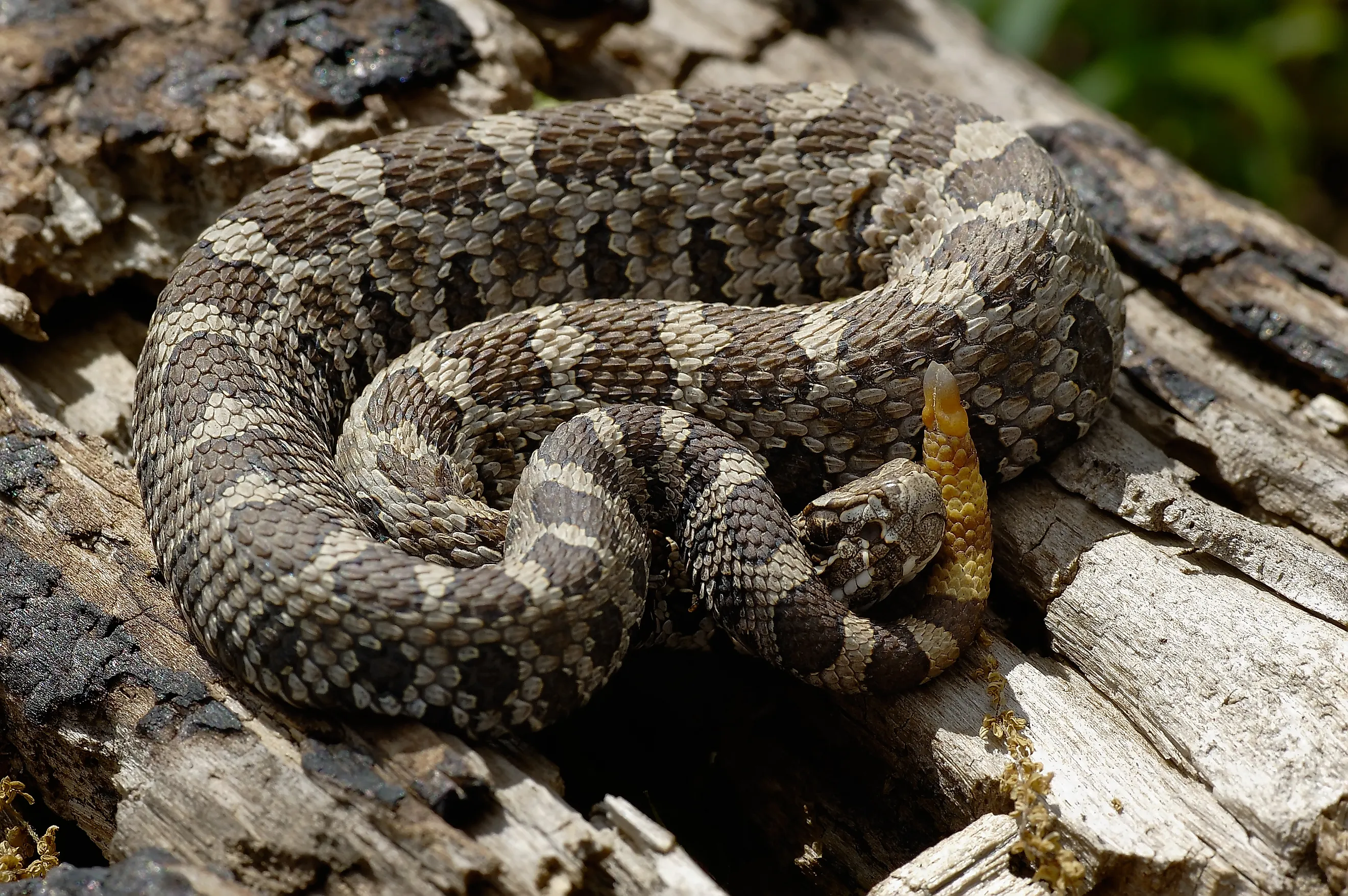
A single timber rattlesnake den can hold between 15 and 60 animals, and DNA work combined with implanted tracking devices has shown that these aggregations are usually extended family groups. Female rattlesnakes have been found sleeping alongside or entwined with their own sisters.
The Distances Are Not Small
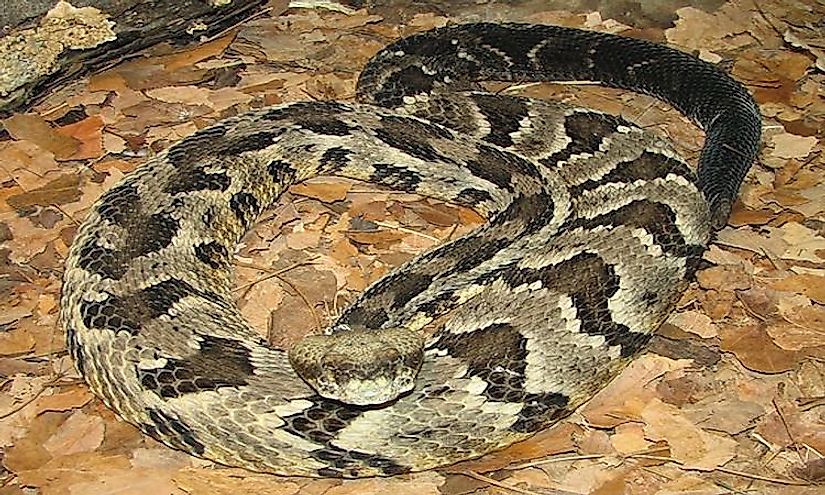
The scale of the autumn movement is the part that surprises people, given the animal has no legs.
New York's environmental agency reports that timber rattlesnakes generally migrate 1.3 to 2.5 miles from their den each summer, with males covering the greatest distances at up to five miles. Northern Pacific rattlesnakes in California travel up to five miles from their dens. Prairie rattlesnakes may cover several miles between summer hunting grounds and winter quarters.
Every one of those miles has to be walked back in autumn. A five-mile return journey is an enormous undertaking for an animal moving on its ribs.
They Navigate By Smell
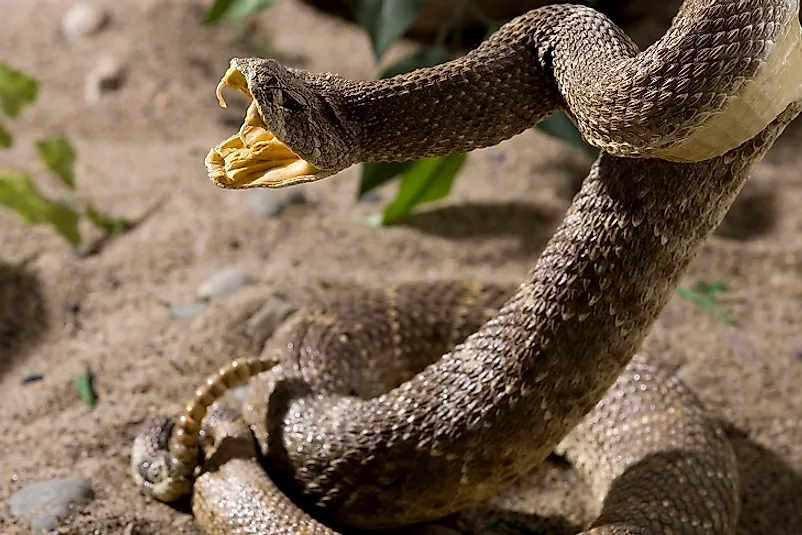
The question of how a snake finds a specific crack in a specific rock face after five miles has a genuinely remarkable answer. Rattlesnakes lay down pheromone trails, and other snakes follow them. The flicking tongue collects scent particles and delivers them to the vomeronasal organ in the roof of the mouth, which reads the chemical signature of a route other members of the family have already used.
Laboratory work on autumn den-finding has confirmed the mechanism experimentally, and the behavior has been documented specifically in newborn timber rattlesnakes. The den's location is effectively passed down the generations as a chemical record rather than a learned route.
The Newborns Have Never Been There
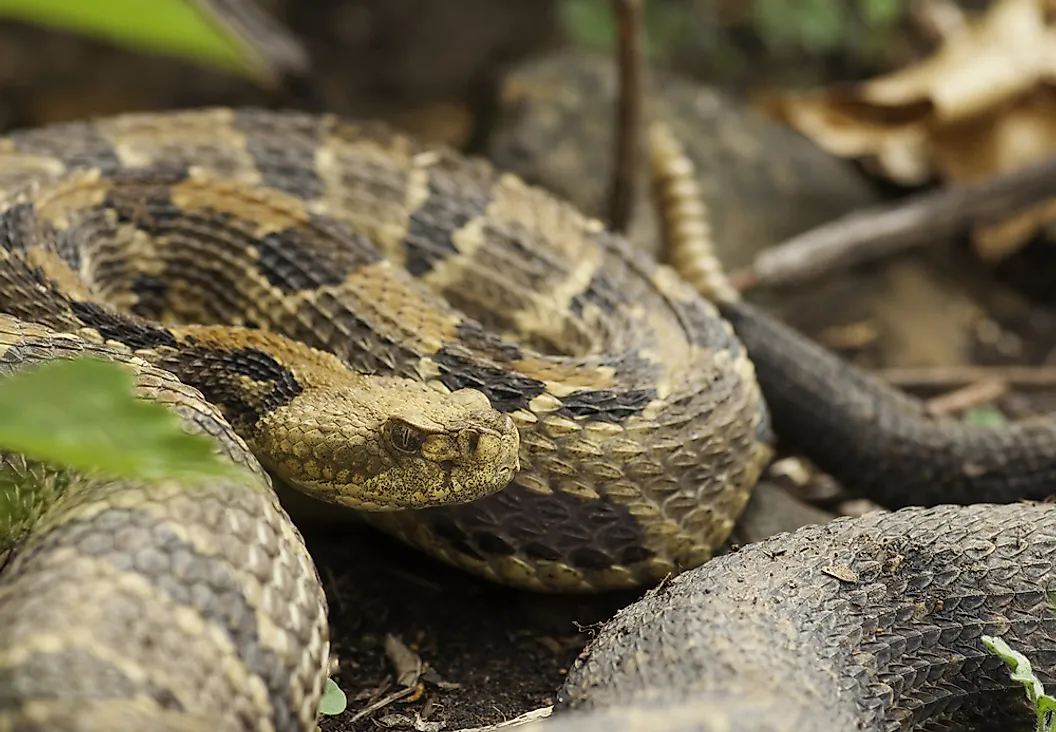
This is the detail that elevates the whole behavior from interesting to extraordinary. Timber rattlesnakes give birth between late August and mid-September to between four and fourteen young, averaging about nine, and only every three to five years. Those neonates are ten to fourteen inches long and have never seen the den their mother came from.
In autumn they follow her scent trail back to it. Herpetologists have documented juveniles heading toward dens they have never visited, guided entirely by chemical cues rather than memory or any possibility of having been shown the way.
They also arrive with a pre-button on the tail, which they shed shortly after birth to reveal the first true segment of the rattle. A newborn rattlesnake cannot actually rattle yet.
Autumn Is Also The Feeding Deadline

Brumation is not sleep, but it is a very long time without a meal. Timber rattlesnakes brumate for up to seven months, which means everything required to survive that stretch has to be eaten beforehand.
So autumn snakes are hunting hard as well as traveling, which doubles the amount of moving about. A snake that is both foraging and migrating is a snake covering ground, and covering ground is what puts it in front of people.
And They Switch Back To Daylight
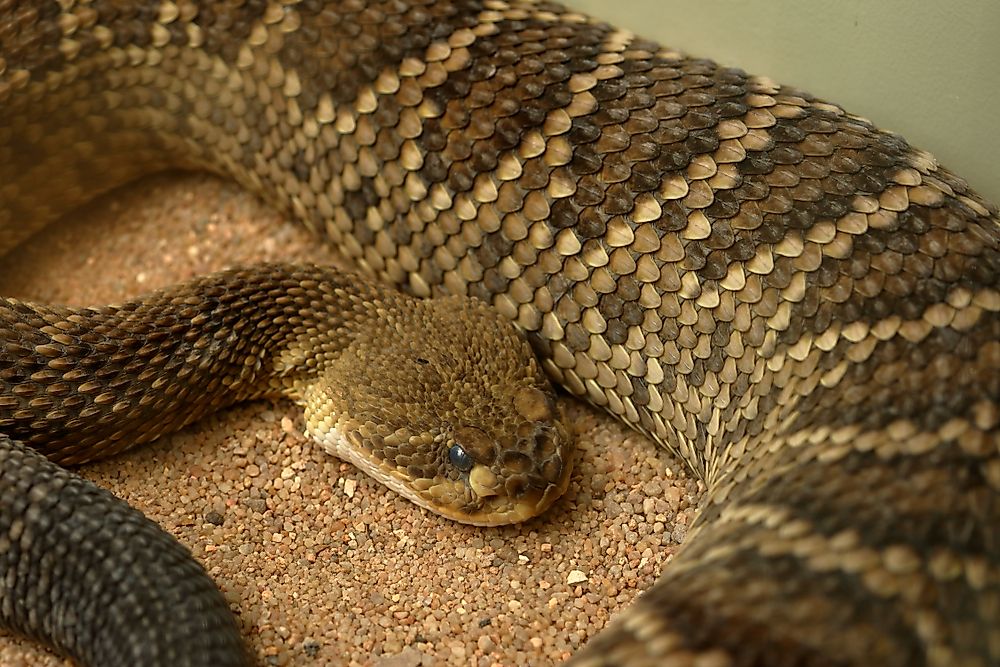
Layered on top of all that is a simple thermal shift that reverses the summer pattern. Desert rattlesnakes go nocturnal in high summer because daytime heat is lethal to them, with exposure above about 110 degrees killing a snake in minutes. Their working range is roughly 80 to 90 degrees, and in autumn those conditions move back into the middle of the day.
The result is that a hiker walking at two in the afternoon in October shares the trail with snakes that spent August hiding from exactly that hour.
Where They Are Going

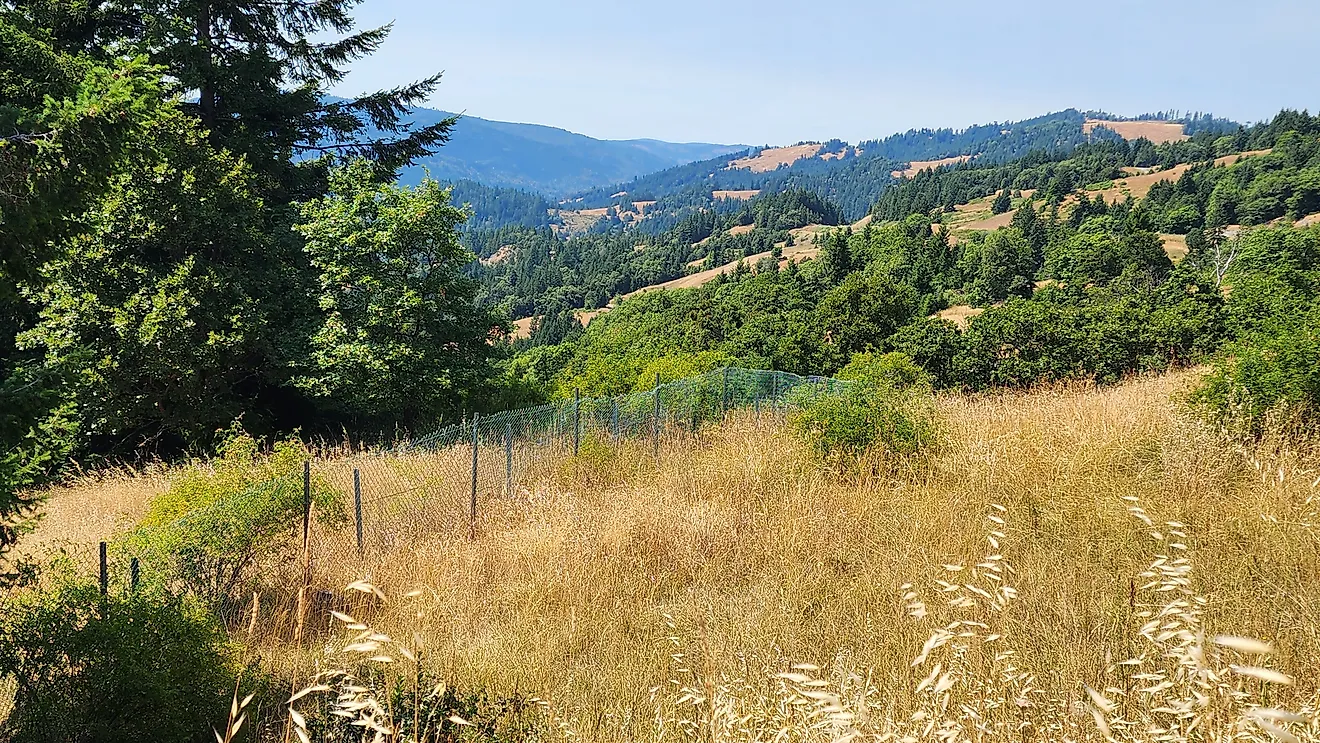
Dens are specific pieces of geology rather than general habitat, which is why the same sites get used for decades. Timber rattlesnakes use crevices in rock faces or talus with southerly exposures, from west-facing through to east-facing, because those catch the most sun. The chambers sit deep enough that temperatures stay above freezing all winter.
That combination of depth, stability and solar aspect is not common, which is precisely why the snakes cannot simply find a new one. A good hibernaculum is a scarce resource and the reason site fidelity exists at all.
The Road Problem

A migration route laid down over generations does not adjust for infrastructure built across it last decade. Snakes heading for dens cross roads at dusk, when the pavement still holds the day's heat and makes an attractive place to pause. The combination of a warm surface, failing light and an animal that freezes rather than flees produces predictable results.
Some land managers respond directly. In parts of Colorado, open space agencies reroute trails or install temporary fencing during spring emergence and autumn migration, and in the Ozarks the Forest Service closes a road twice a year to let copperheads, timber rattlesnakes and cottonmouths cross.
A Gathering Means A Den
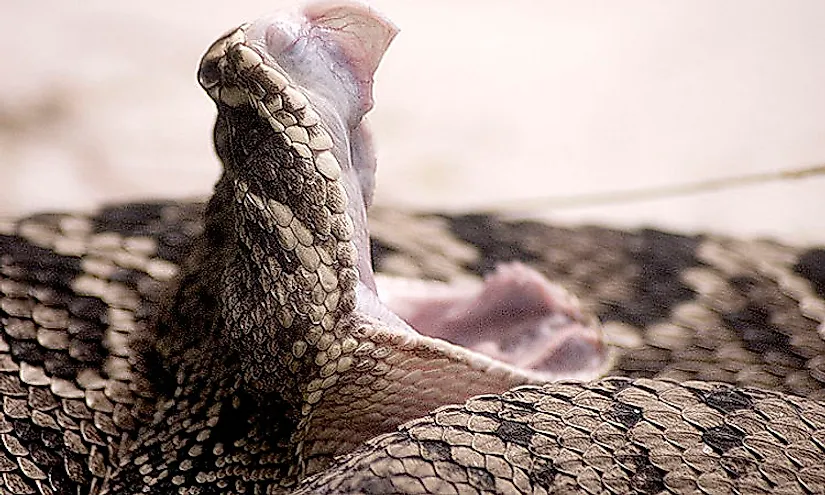
The practical inference is worth knowing for anyone who spends time outdoors in rattlesnake country. Unusual gatherings of rattlesnakes in April or around mid-October are a reliable indication that a winter den is nearby. One snake is one snake. Several in a small area at either end of the season means you are standing on a migration route or near its destination.
The appropriate response is to leave, note where it was, and avoid the spot at the same time next year, because the snakes certainly will not have moved.
What It Means For Autumn Walking

None of this makes autumn a season to stay indoors. It makes it a season to look where you are going.
Watch hands and feet around rock outcrops, talus and crevices, which are exactly where a den-bound snake wants to be. Step onto logs rather than over them. Give any snake on a trail a wide berth and walk around it rather than past it. And drive carefully on rural roads at dusk in October, when the pavement is warm and the traffic is the hazard rather than the snake.
A rattlesnake rattles because it would prefer to be left alone, and the overwhelming majority of American bites happen when somebody tries to handle, catch or kill one.
The Short Version

Rattlesnakes are most active in autumn because four things happen at once. The cooling weather returns them to daytime activity, they feed hard before months without food, they mate, and above all they migrate back to communal dens they may have left five miles behind.
The newborns make that journey having never seen the destination, following a scent trail laid by a mother who learned it the same way. Kate Slaughterback did not find a hundred rattlesnakes by accident in 1925. She rode into the middle of a commute.