The Most Snake Infested Rivers In Wyoming
Wyoming is a premier destination for outdoor recreation, like whitewater rafting, in places like Grand Teton National Park. But be careful if you are traveling on or near Wyoming’s rivers; there may be snakes in the water or on shore. Wyoming is home to roughly 16 snake species, including two venomous rattlesnake species that pose a potential threat to humans. Some of Wyoming’s snakes call the state’s rivers home, including the venomous ones. Learn why the Green, North Platte, and Snake Rivers are considered three of Wyoming's most snake-filled waterways.
Green River

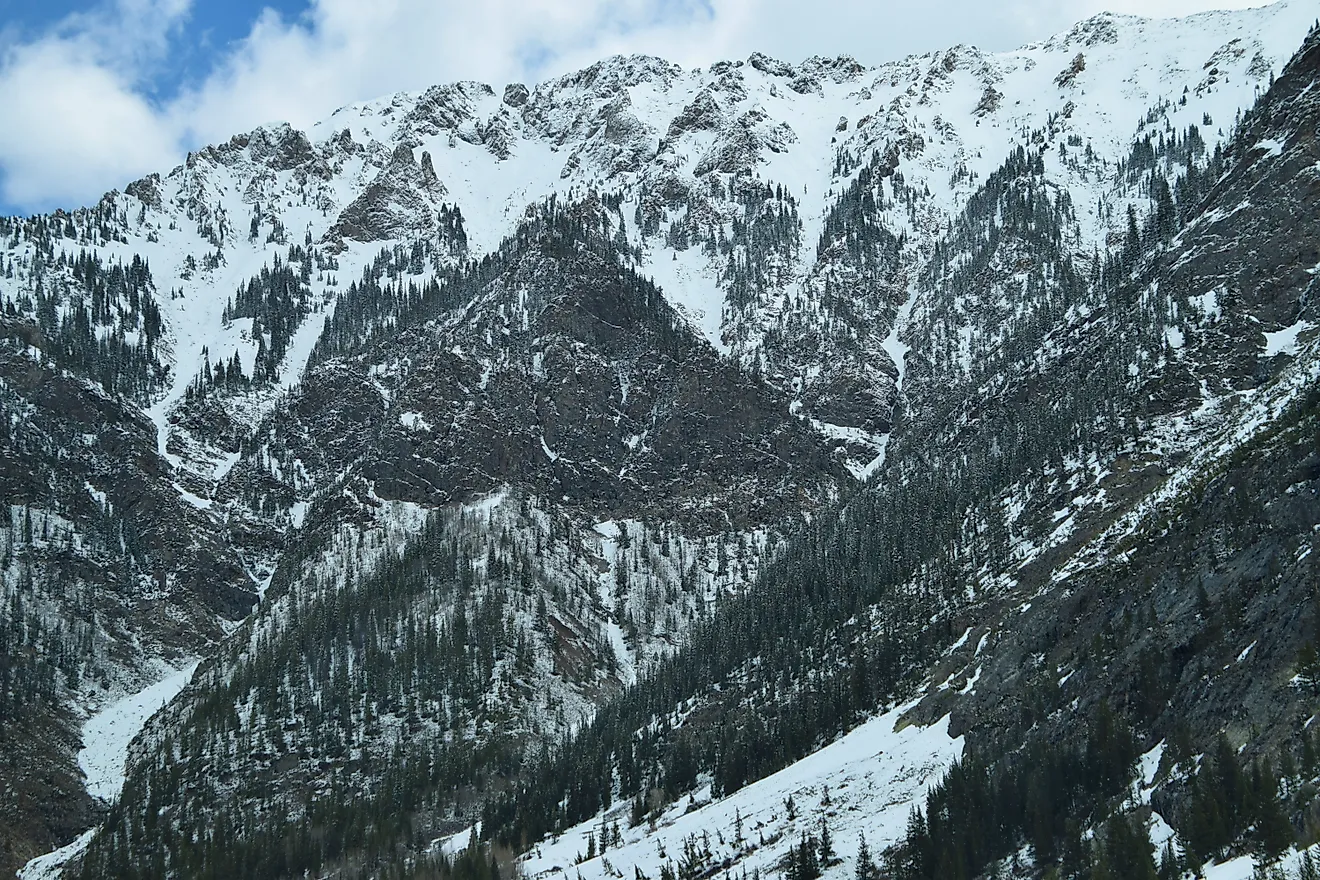
The Green River rises in the Wind River Range of west-central Wyoming, where it is born from meltwater and is one of the major rivers of the Rocky Mountains West. It flows through southwest Wyoming, where it forms reservoirs within the state. Throughout most of its 730-mile course, it flows through mountainous terrain before it eventually joins the Colorado River in Utah.

The Midget Faded Rattlesnake (Crotalus oreganus concolor) frequents the Green River basin in Wyoming, favoring habitat that features rocky hillsides, sloping cliff faces with rocky crevices, and sagebrush thickets. They are restricted to the lower Green River Valley area as they are threatened by habitat loss due to infrastructure development and destruction of their hibernation sites or poaching by humans. The Midget Faded Rattlesnake is unique as its venom is more potent than most other species of rattlesnakes, which contain neurotoxin, myotoxin, and concolor toxin.
North Platte River

The North Platte River is one of two main arms of the Platte River. Although the North Platte River rises in Colorado, it flows north into Wyoming and crosses the state before entering Nebraska. After a total distance of around 680 miles, it joins the South Platte River to form the Platte River. The North Platte River is the only floatable waterway in central Wyoming and has become a key part of social and economic value in central Wyoming.

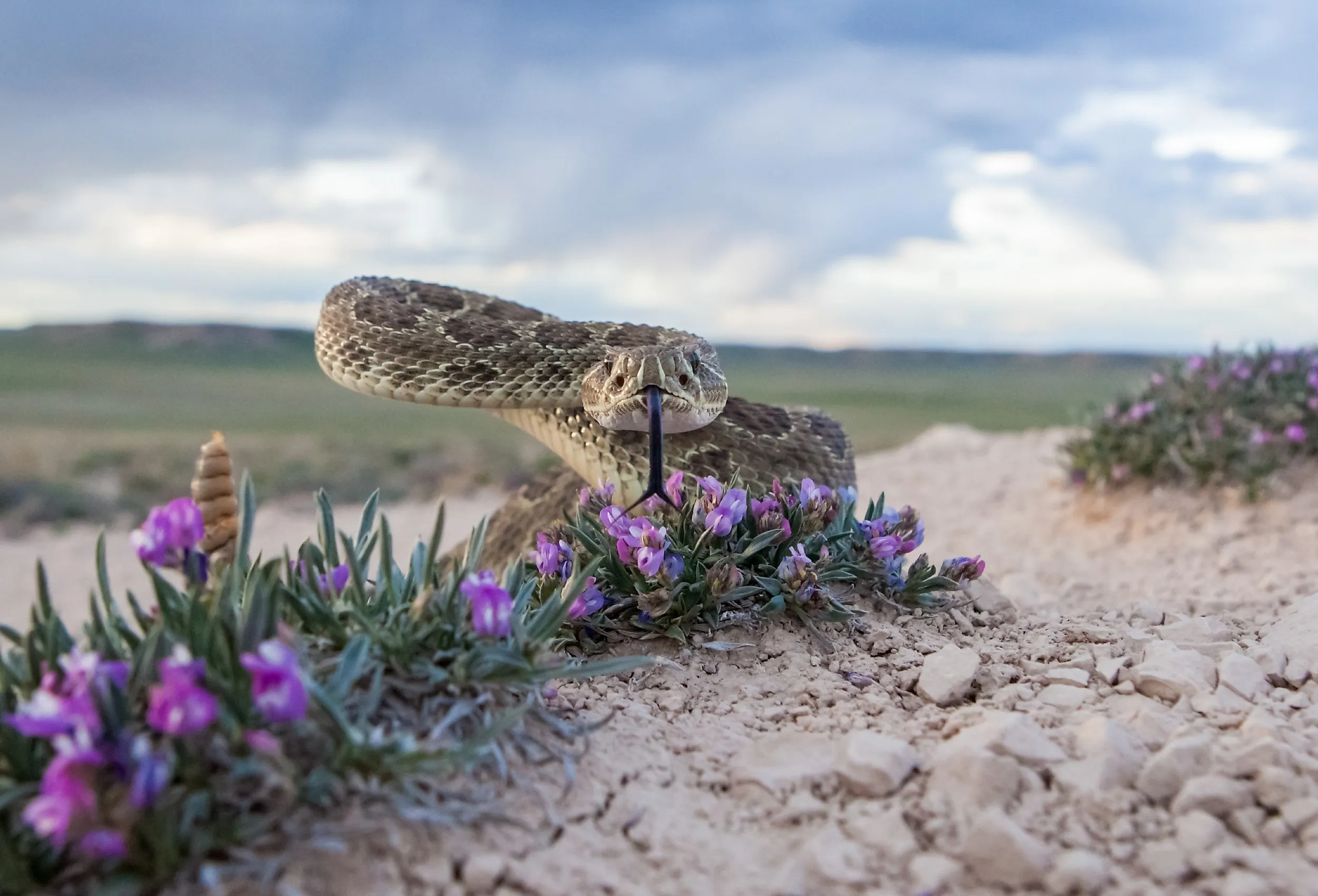
The Prairie Rattlesnake (Crotalus viridis) inhabits the North Platte River valley in Wyoming, and while it is usually limited to elevations of 7,000 feet, it has been found as high as 8,000 feet. They are usually found in areas that feature rocky outcrops, slopes, and ledges. Their diet consists of ground squirrels, rodents, rabbits, ground-dwelling birds, amphibians, and even other reptiles. However, Prairie Rattlesnakes themselves will fall prey to such predators as the Red-Tailed Hawk.
Snake River

The Snake River originates in Yellowstone National Park in western Wyoming. It flows south through Jackson Lake along the eastern base of the Teton Range before it changes direction and flows northwest into Idaho. The river has a total course of 1,040 miles. The Snake River is home to many types of wildlife, including Wyoming’s most common and widespread snake, the Wandering Garter Snake (Thamnophis elegans vagrans).

They are most active in the warmer months in Wyoming between April and October. Like all species of Garter Snakes, they have a preference for habitats near water, specifically riparian areas along the edges of streams, wetlands, and floodplains. In these semi-aquatic habitats, their prey will consist of fish, frogs, insects, and other small invertebrates. If startled, they may seek refuge under vegetation along the river or flee into the water and swim away.
Snake Safe in Wyoming
Although some of Wyoming’s snakes are partial to frequenting the state's rivers, that does not mean they pose a threat to humans. Most snakes found in the state are nonvenomous and would rather flee from humans than engage in conflict. Even the state’s two species of venomous rattlesnakes prefer to be given space to move away from people if they are encountered. Regardless of whether the snake you encounter in Wyoming is venomous or not, like all wildlife, they should be given ample space to go about their business and never be approached.