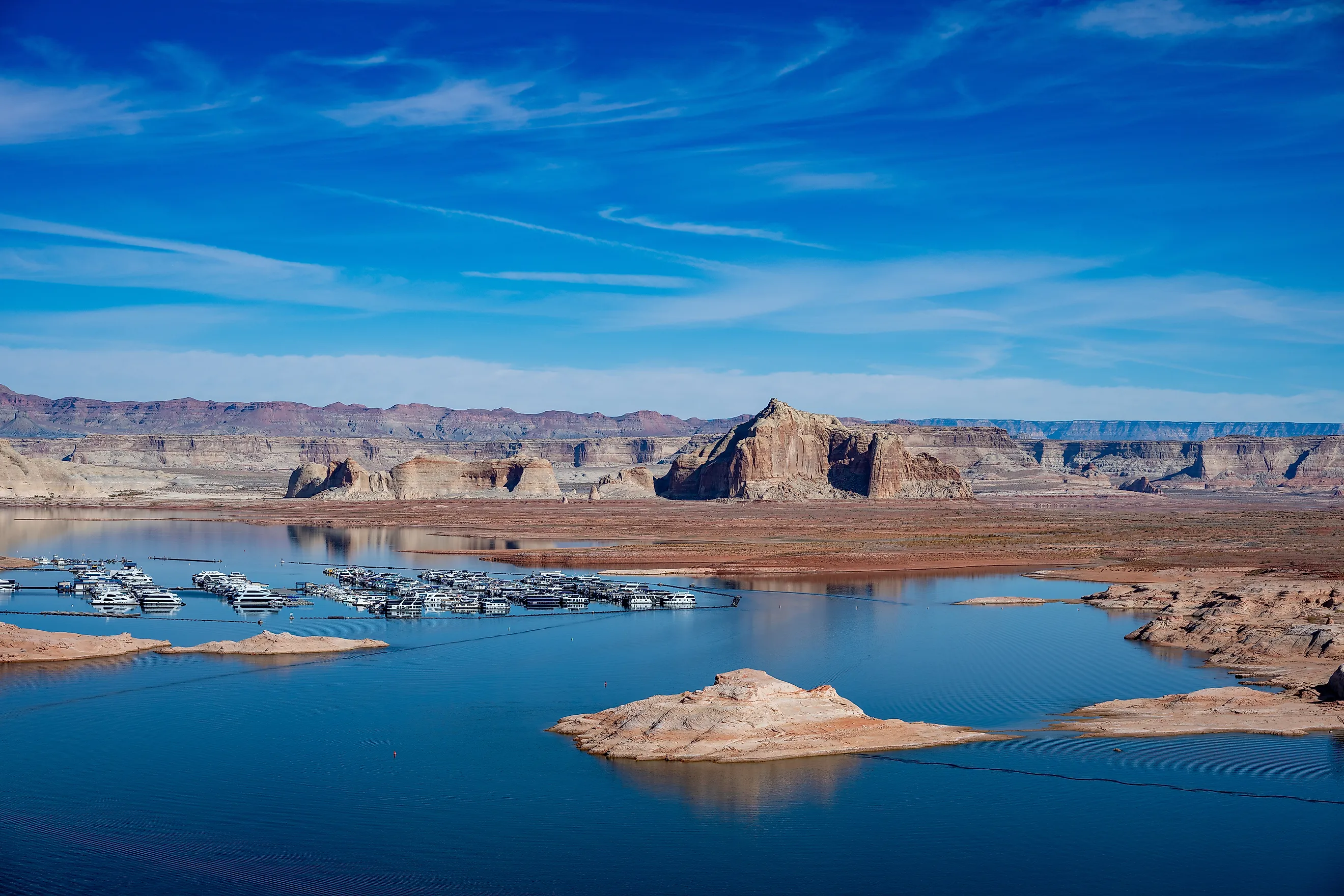
What Happens To The Grand Canyon When Lake Powell Dies
It is already happening, which is the first thing to understand. The Colorado River at Lees Ferry, sixteen miles below Glen Canyon Dam, has been running at about 70 degrees Fahrenheit. Smallmouth bass spawn above 60. Those bass live in the top 46 feet of Lake Powell, and as the reservoir drops, that warm surface layer lines up with the dam's intakes and the fish get pulled straight through into a canyon that holds 85 percent of the humpback chub left in the United States. The Grand Canyon does not wait for Lake Powell to die. It feels the decline first, and the tools for managing it stop working well before the reservoir does.
The Dam Became A Warm Water Tap

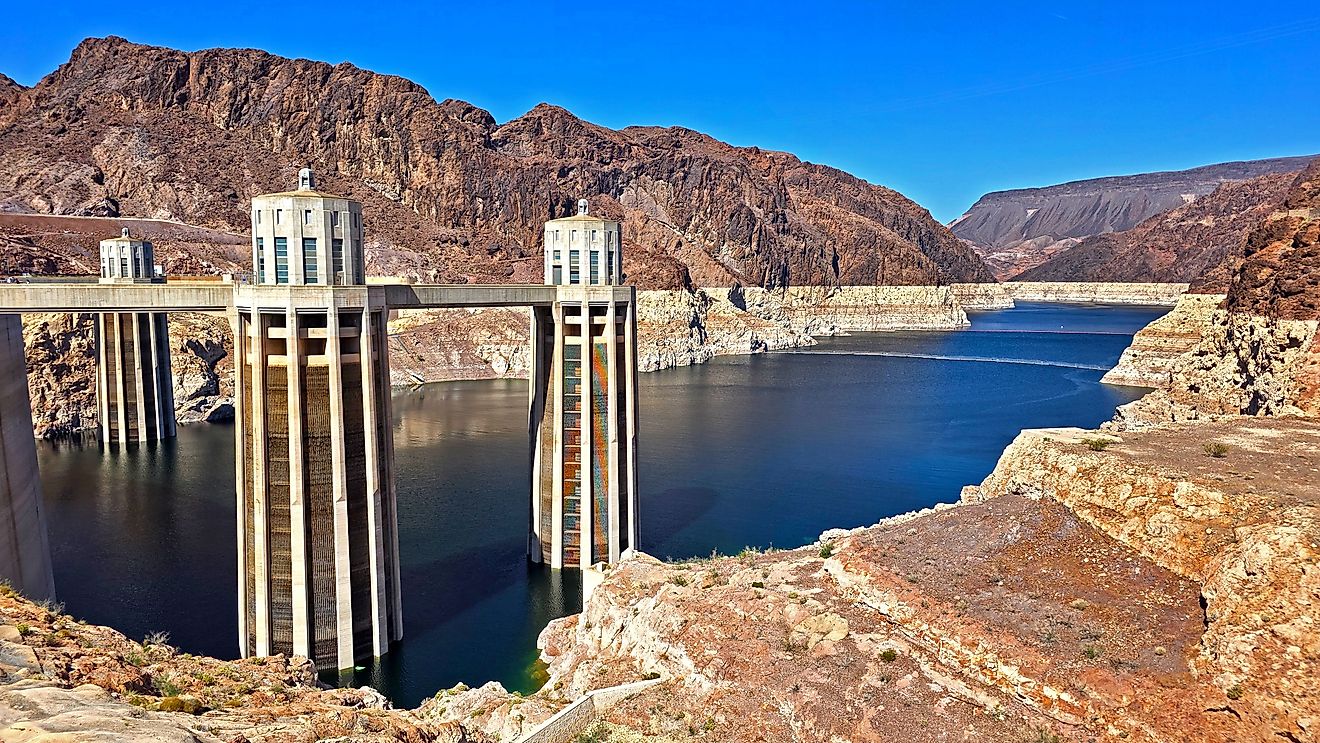
For sixty years Glen Canyon Dam released cold water drawn from deep in the reservoir, and that accident of plumbing shaped everything downstream.
Cold releases kept the Grand Canyon too chilly for warm-water invaders, which is a large part of why the humpback chub recovered well enough to be downlisted from endangered to threatened. They also created a world-famous trout fishery at Lees Ferry that exists nowhere in the river's natural history.
A low reservoir inverts that. The warm productive surface water sits close to the penstocks, gets drawn through the turbines, and arrives downstream at temperatures the canyon has not seen since 1963.
The Bass Are The Immediate Problem

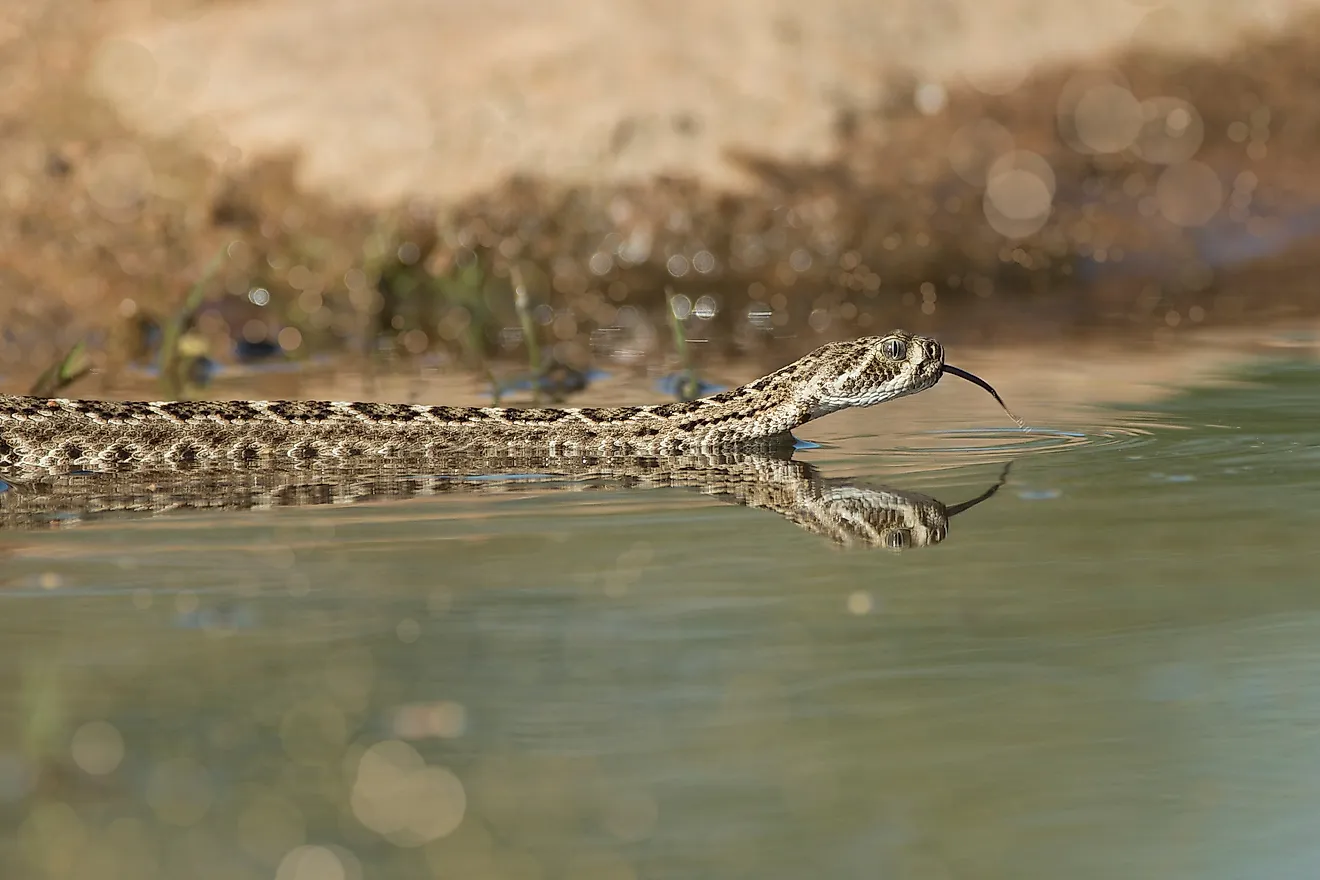
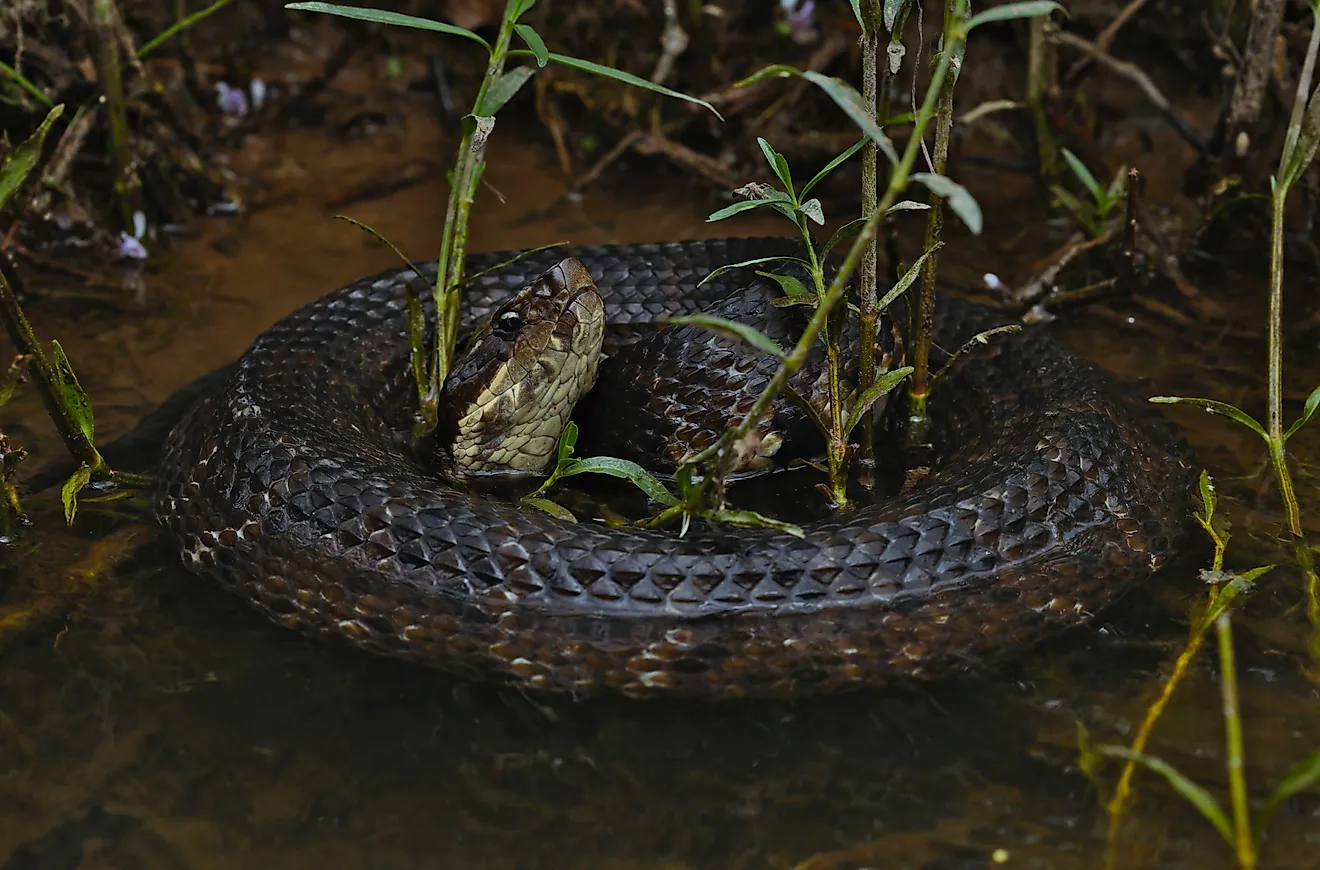
Smallmouth bass were introduced to Lake Powell in the 1980s for sport fishing, and they have now found the exit. Young bass were first found between the dam and Lees Ferry in 2022. They eat anything that moves, including juvenile humpback chub, and they already feast on chub in the upper river where agencies spend millions annually keeping them in check.
The Fish and Wildlife Service has described one measure as the only conservation tool proven to limit smallmouth bass reproduction: a cool mix flow, drawing colder water from deeper in the reservoir through the bypass tubes. It worked in 2024 and 2025, knocking bass numbers down.
In 2026 They Stopped Doing It

This is the current situation rather than a projection, and it is only weeks old. Despite scientifically determined thresholds being met, Reclamation decided in 2026 against releasing cold water from deep in Lake Powell to aid the chub, and against a high-volume release to rebuild the canyon's eroded beaches. The reasoning was hydropower, since cool mix flows bypass the turbines and cost generation.
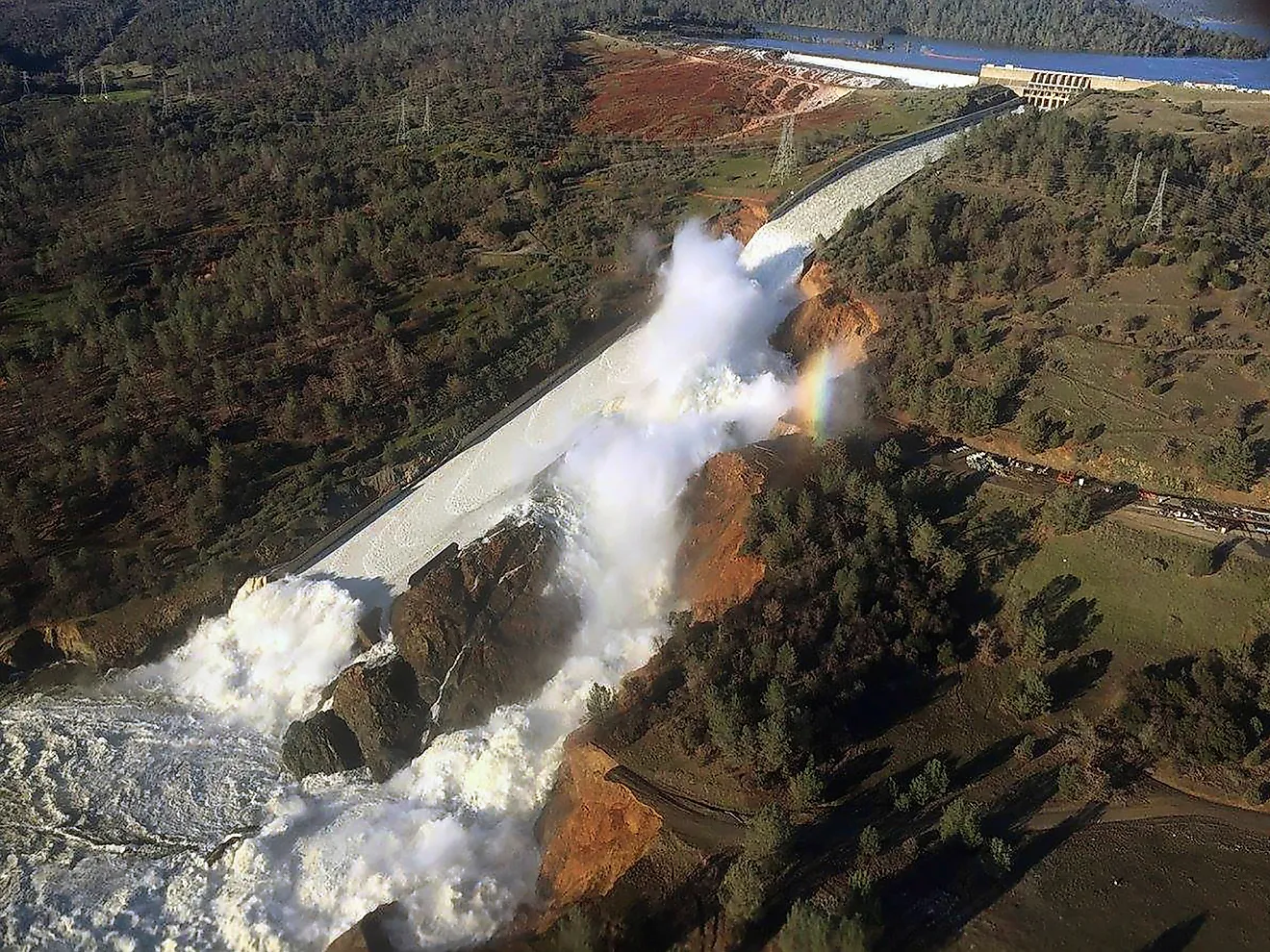
There is a second reason worth stating fairly. The dam's other outlets are untested over long periods and were damaged during a previous high-flow release, so Reclamation has reasons beyond electricity for preferring not to use them.
The Canyon Is Running Out Of Sand

The second consequence is slower and in some ways more permanent, and it concerns the ground rather than the fish in it.
Sediment is the canyon's structural and ecological foundation. It builds the sandbars that create fish habitat and the beaches that rafters camp on, and it stabilizes banks so vegetation can grow and support the insects underpinning the food web.
Low sediment-starved flows erode all of that incrementally, pushing sand downstream into Lake Mead rather than keeping it in the canyon. USGS data presented in August showed a typical Grand Canyon sandbar is now smaller than it was in 2016.
The Fix Requires Water That Is Not There

Since the late 1990s the answer to sediment loss has been the high flow experiment, a deliberate flood released from the dam to pick up sand and rebuild bars downstream. It is an elegant fix with one requirement.
An HFE requires releasing between 31,500 and 45,000 cubic feet per second for one to four days. Reclamation is currently releasing around 482,000 acre-feet per month, projected to fall to 401,000 in October.
At those volumes a high flow experiment becomes impossible, and none has been conducted since 2023 despite enough sediment sitting in the river to justify one. The tool exists, the sand is waiting, and the water is not available.
Clear Warm Water Grows Algae
A side effect of the same change surprises anybody who assumes clear water is good water. When the river runs warm and clear near the dam, algae blooms occur that simply do not happen when the water is loaded with sediment. Turbidity suppresses them by blocking light.
So the canyon is getting a river that is simultaneously too warm, too clear and too clean, which sounds pleasant and is a description of an ecosystem being rearranged.
The Trout Fishery Goes First

The blue-ribbon rainbow trout fishery at Lees Ferry is entirely a creation of the dam, and it is the first thing the warm water removes.
Trout cannot handle the heat, and one observer quoted on the prospect of a summer without cool releases put it bluntly: that is it for the trout fishery. The food web has already shifted, with the composition of what trout eat changing between cold and warm release regimes.
There is an irony in it. The fishery everybody wants to save was itself an artificial consequence of the dam, and it disappears as the river moves back toward the conditions it had before.
Eventually The Canyon Gets Its River Back

If Lake Powell genuinely emptied rather than merely falling, the long-term picture reverses completely, which is the part most coverage leaves out.
Technical assessment of fully bypassing Glen Canyon Dam found that fine sediment delivery to the Grand Canyon would probably be very large, producing significant change and a notably turbid river. Sandbars and beaches would rebuild. The natural flood pulse would return, scouring and renewing habitat on its own schedule rather than by federal decision.
Those are the conditions native fish evolved in. The humpback chub, razorback sucker, flannelmouth sucker and speckled dace are warm-water, sediment-tolerant species that did perfectly well before 1963.
Getting There Is The Dangerous Part

Here is the tension that makes this genuinely hard rather than a straightforward choice between a dam and a canyon.
The end state may suit native fish. The transition does not, because the warm releases arrive with smallmouth bass attached while the chub population is still recovering and still dependent on the cold water the dam used to supply. Reclamation's own technical work ranks increased numbers of bass escaping through the dam as the leading risk to native fish.
A species can be adapted to a future condition and still be eliminated on the way to it.
What It Means Practically

For anyone who uses the canyon rather than studies it, the changes are already visible. Beaches used for camping are measurably smaller than a decade ago and have not been rebuilt since 2023. The trout fishing at Lees Ferry is in decline. The river is warmer and clearer than it has been in living memory, and it will become muddier again if the reservoir keeps falling.
Rafting trips continue, and the canyon is not closing. What is changing is the river running through it.
The Short Answer

As Lake Powell declines the Grand Canyon gets warmer water carrying invasive predators into the last stronghold of the humpback chub, loses sand it cannot replace because the flood releases that rebuild beaches need water the system no longer has, and gains algae blooms that sediment used to suppress.
If the reservoir emptied completely, the canyon would eventually get a warm, muddy, flooding river much like the one it had for several million years before 1963, and the native fish would probably do well in it. The question is whether they survive the twenty years in between, and at the moment nobody is releasing the cold water that would help them.