10 Best Attractions To Visit In The Northern United States
The Northern U.S. has an abundance of interesting sights and sounds, spanning major urban landmarks, national parks, historic museums, coastal getaways, and more. Central Park boasts a massive outdoor recreational space within bustling Manhattan, Theodore Roosevelt National Park protects more than 70,000 acres of North Dakota's badlands, while the Seattle Aquarium gives you fun insight into the Pacific Northwest's marine life, just to name a few. Some destinations are defined by their scale, whereas others stand out for a particular historical, geological, or cultural significance. With that, this guide will focus on places that are genuinely distinctive, nationally recognized, or significant enough to warrant a spot on any road trip itinerary across the north.
Central Park, New York
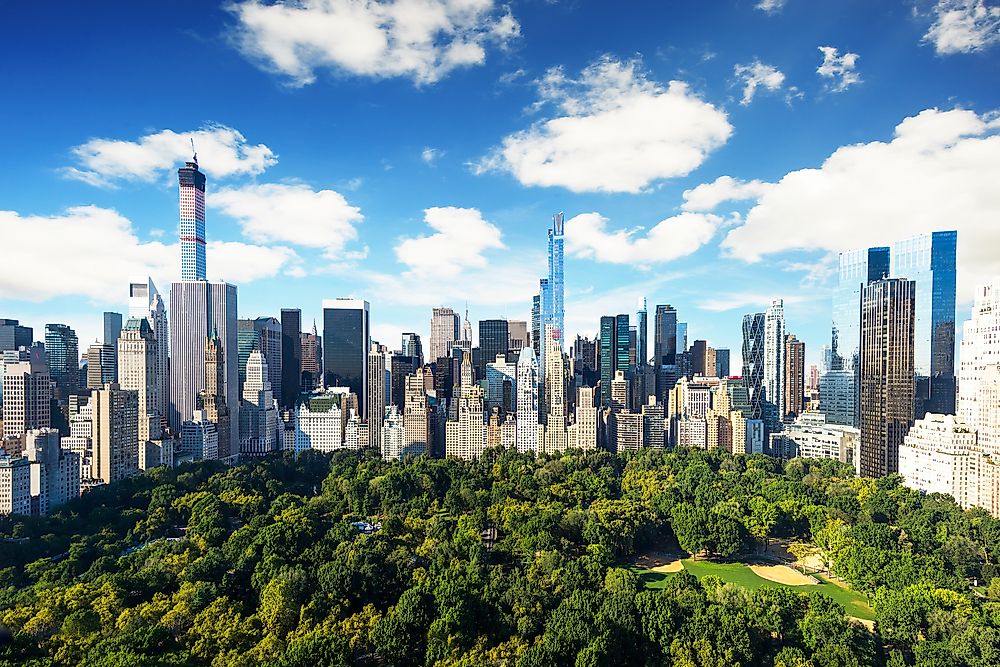
Within the concrete jungle that is New York City sits what might be the most impressive piece of urban green space on the planet. Central Park spans 843 acres in the heart of Manhattan and was designed by the famed architects Frederick Law Olmsted and Calvert Vaux. Completed in the late 1870s, its landscape includes several distinct locales, like The Mall, Bethesda Terrace, Bow Bridge, and the Jacqueline Kennedy Onassis Reservoir.
You can explore in a variety of ways here, whether on the park's extensive network of paths, renting a rowboat at The Loeb Boathouse, visiting the Central Park Zoo, or seeing Belvedere Castle overlooking Turtle Pond. The park also contains sports fields, playgrounds, gardens, and open lawns used for recreation throughout the year.
Its location between the Upper East and Upper West Sides also makes Central Park a practical starting point for exploring several major Manhattan attractions, including the Metropolitan Museum of Art along its eastern edge.
Acadia National Park, Maine

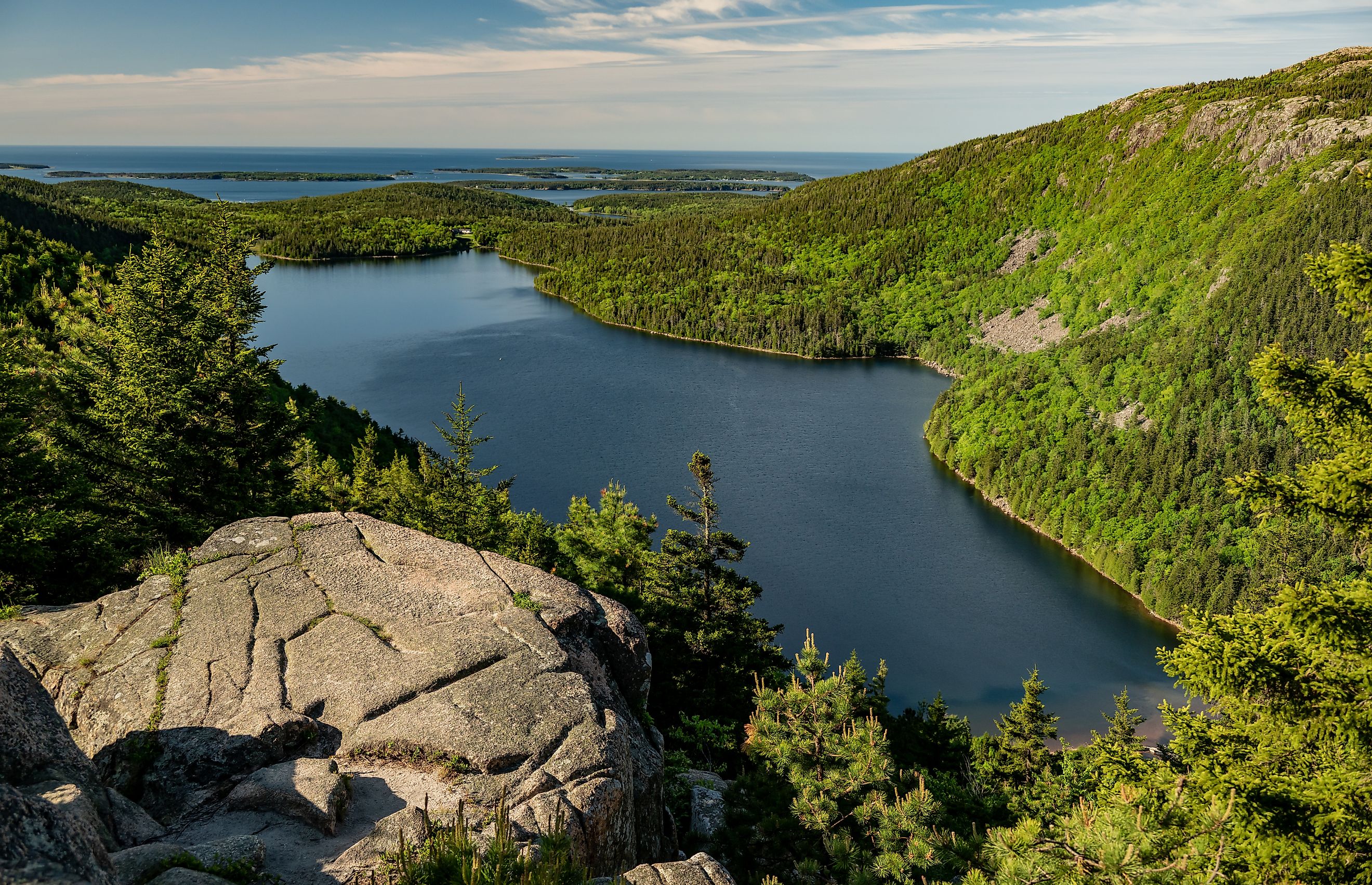
Acadia National Park occupies much of Mount Desert Island along Maine's Atlantic coast, with additional areas on the Schoodic Peninsula and Isle au Haut, too. Cadillac Mountain, the park's highest point, provides perhaps the best views of the area across Frenchman Bay and surrounding islands.
To get around, the Park Loop Road connects major sights including Sand Beach, Thunder Hole, Otter Cliff, and Jordan Pond. While here, feel free to also check out the nearly 160 mi (257 km) of hiking trails and historic carriage roads, which provide routes for both walking, cycling, and carriage rides through the park's interior.
In autumn, this famed national park is particularly scenic, with vibrant displays of changing foliage blanketing much of it before winter kicks in.
Longwood Gardens, Pennsylvania

Longwood Gardens covers more than 1,100 acres in Kennett Square, Pennsylvania, and boasts a nice mix of formal gardens, conservatories, fountains, woodlands, and meadows spread across the former du Pont estate. Its centerpiece is the Main Fountain Garden, where choreographed water shows brilliantly combine jets, pools, and music during seasonal performances.
Other outdoor highlights include the Italian Water Garden, Flower Garden Walk, and Idea Garden, while the Longwood landscape also contains plenty of lengthy walking trails. Moreover, the 32,000-square-foot (2,973 m²) indoor conservatory houses thousands of plants and includes specialized rooms such as the Orchid House and Palm House.
Of course, seasonal displays change throughout the year, with spring bulbs, summer flowers, autumn foliage, and holiday lights creating distinctly different experiences. Longwood Gardens also hosts concerts and horticulture-related events for your enjoyment and education.
Rock & Roll Hall of Fame, Ohio

The Rock & Roll Hall of Fame in Cleveland, Ohio, traces the history of rock music by covering countless influential artists, recordings, instruments, costumes, and cultural moments. This world-famous museum is located on the Lake Erie waterfront in a distinctive glass pyramid designed by architect I. M. Pei.
Here you'll be able to explore artists across multiple generations and genres, with the Hall of Fame gallery recognizing all the performers, songwriters, producers, and other figures whose work earned them a spot on its coveted list. While strolling around, take a look at handwritten lyrics, stage clothing, guitars, and other artifacts connected to many of your favorite musicians. The museum also hosts temporary exhibitions, live performances, educational programs, a yearly awards ceremony, and other events throughout the year.
The location itself is significant to rock history as well, as disc jockey Alan Freed, who helped popularize the term "rock and roll," worked in Cleveland during the 1950s.
The Henry Ford Museum of American Innovation, Michigan

The Henry Ford Museum of American Innovation in Dearborn, Michigan, explores the people, inventions, and technological changes that shaped American life throughout the ages. Its impressive collection spans subjects like transportation, manufacturing, agriculture, communications, and everyday culture, with exhibits featuring everything from historic automobiles and aircraft to factory machinery and household objects.
Notable artifacts include the limousine used by President John F. Kennedy, the Rosa Parks bus, and the chair Abraham Lincoln used at Ford's Theatre. Visitors can also see historic locomotives, engines, and aviation exhibits that illustrate major developments in transportation.
Note that the museum is part of The Henry Ford complex, which also includes Greenfield Village and the Ford Rouge Factory Tour. Together, they make this northern destination an important place for understanding the country's industrial, technological, and cultural histories all in one bundle.
Mall of America, Minnesota

The Mall of America in Bloomington, Minnesota, is far more than a conventional shopping center. Its indoor complex contains hundreds of stores, restaurants, entertainment venues, and other attractions, making it a year-round destination to help get your steps in. Because this gargantuan 5.6 million-square-foot landmark is primarily indoors, the Mall of America remains particularly useful during Minnesota's notoriously cold winters.
For the kids, there's Nickelodeon Universe, an indoor amusement park at the center of the complex featuring roller coasters, rides, and much more fun surrounded by themed areas and vegetation. SEA LIFE Minnesota Aquarium provides another popular draw for the whole family, with underwater exhibits featuring sharks, rays, sea turtles, and other aquatic animals. You may also find miniature golf, an escape room, arcades, and numerous other rotating entertainment and event spaces while trying to get around the mall, making even the most mundane shopping runs a potential adventure.
Theodore Roosevelt National Park, North Dakota

This seemingly empty stretch of the Great Plains actually offers quite a bit for both history buffs and outdoor adventurers to see and do. Theodore Roosevelt National Park protects an oddly beautiful, nearly 70,500-acre stretch of North Dakota's badlands, where colorful rock formations, grasslands, and winding river valleys create a landscape that has been closely associated with the former president Theodore Roosevelt's years in the Dakota Territory.
The South Unit is the most visited and most easily accessible section and follows the Little Missouri River, with a scenic drive passing plenty of overlooks, trailheads, and wildlife habitat. Keep an eye out for native bison, wild horses, elk, and prairie dogs, all of which are commonly seen throughout the region. The North Unit provides a quieter experience, with the River Bend Overlook offering a plethora of other lookouts over the Little Missouri River and surrounding badlands, and hiking trails ranging from short walks to longer routes through rugged terrain.
This federally managed park also preserves Roosevelt's Maltese Cross Cabin, giving you a direct connection to the experiences that influenced his later conservation policies.
Lake McDonald Lodge, Montana

The Lake McDonald Lodge sits on the eastern shore of Lake McDonald in Glacier National Park, near the western entrance to Going-to-the-Sun Road. Built in 1913, it is a prominent example of rustic Swiss chalet-style architecture and remains one of the park's most recognizable historic buildings, as well as one of the most romantic national park lodges in America in general.
The lake stretches for roughly 10 mi (16 km) and is surrounded by the steep, forested mountains of the Rockies, making the overnight accommodation a useful base for exploring the park. Its incredible choice of location puts visitors close to some of Glacier's most accessible sights, including the colorful Lake McDonald itself, Apgar Village, and, as said, the lower section of Going-to-the-Sun Road, as well as numerous trailheads.
Book well in advance if you wish to stay the night, grab a meal at the lodge, or simply stop by to see the storied building and lakeshore for yourself. Taking a boat tour is also highly recommended for a truly deep experience in the area.
Seattle Aquarium, Washington

Resting on Seattle's waterfront piers 59 and 60, the Seattle Aquarium shines a light on the marine life of Puget Sound and the broader Pacific Northwest. The spot houses harbor seals, sea otters, giant Pacific octopuses, salmon, rockfish, anemones, and many other species found in the nearby waters.
The Window on Washington Waters exhibit recreates a coastal environment and includes daily diver presentations, while "Life on the Edge" explores tide-pool ecosystems and allows you to closely observe animals typically found along Washington's lengthy shorelines. The aquarium also has a large underwater viewing area where you'll be able to watch several more marine animals in a habitat designed to resemble local aquatic biomes.
The Seattle Aquarium participates in regional conservation and research programs focused on protecting marine ecosystems too. Its waterfront location also places it within easy reach of Pike Place Market and other cool downtown Seattle attractions.
Crater Lake National Park, Oregon

Crater Lake National Park lies in southern Oregon, near the California border, and is based around none other than Crater Lake, the deepest lake in the United States. Formed roughly 7,700 years ago when Mount Mazama collapsed after a massive volcanic eruption, the lake's basin was left within a deep caldera that gradually filled with snow and rain. It stands out today for the exceptionally clear, intensely blue waters that surround Wizard Island, a volcanic cinder cone rising above the lake's surface.
Rim Drive now circles much of the caldera, with viewpoints such as Discovery Point, Watchman Overlook, and Cloudcap providing differing perspectives. But for exploration on foot, Cleetwood Cove Trail is the only maintained trail leading from the rim to the lakeshore. This path is also the departure point for boat tours during the summer season.
Best seen in the summer or fall, since winter in the park brings heavy snowfall, and sections of Rim Drive typically close. However, this time of year does create ample opportunities for some quiet snowshoeing and cross-country skiing without the crowds.
Explore America's North Today
It is clear that the northern half of the United States gives its travelers and residents alike a broad mix of things to do, with major museums and cultural landmarks sitting alongside pristine national parks, scenic waterways, and historic sites. Whether you're drawn to natural scenery, American history, architecture, or entertainment, this broad region has countless destinations with lasting significance, many being substantial enough to serve as the focus of an entire trip.