10 Of The Quietest Pacific Northwest Towns
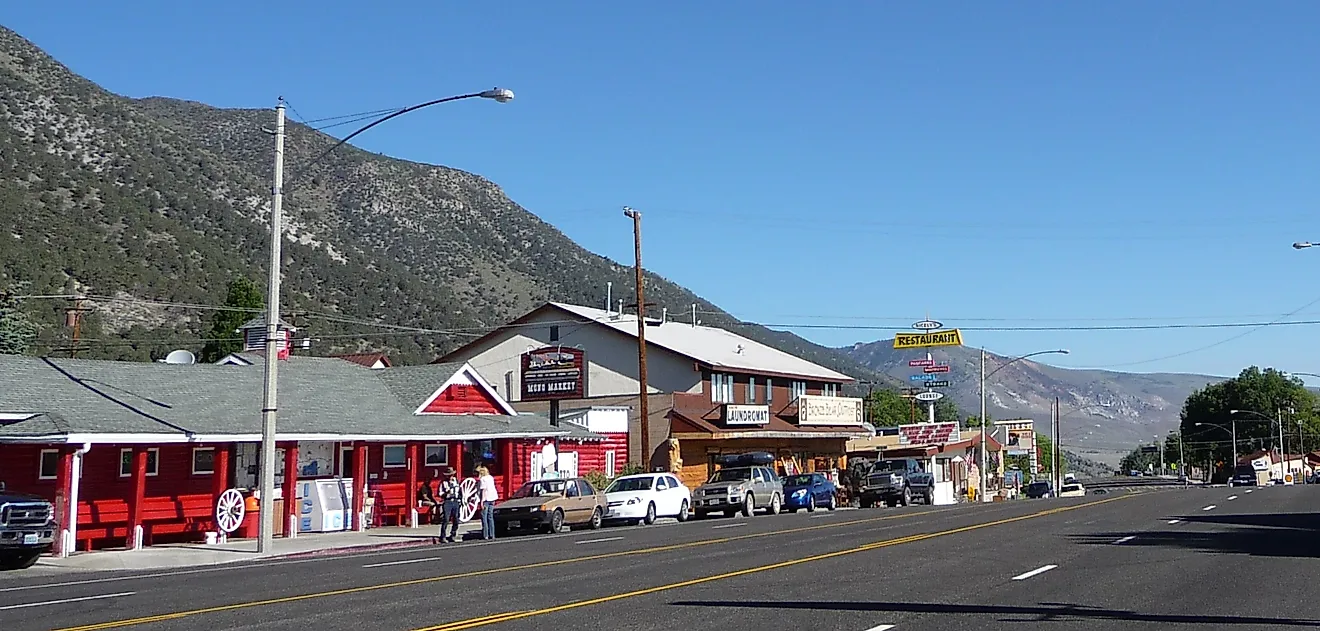
Shaniko, Oregon, once shipped so much wool that it called itself the wool capital of the world, and today only a few dozen people live there. Quiet in the Pacific Northwest often comes down to how hard a place is to reach. Some towns sit at the end of a long lake or across a ferry crossing, while others lie in high desert valleys far from the nearest interstate. A few have fewer residents than a single apartment building. In all of them, the volume stays turned way down.
Stehekin, Washington

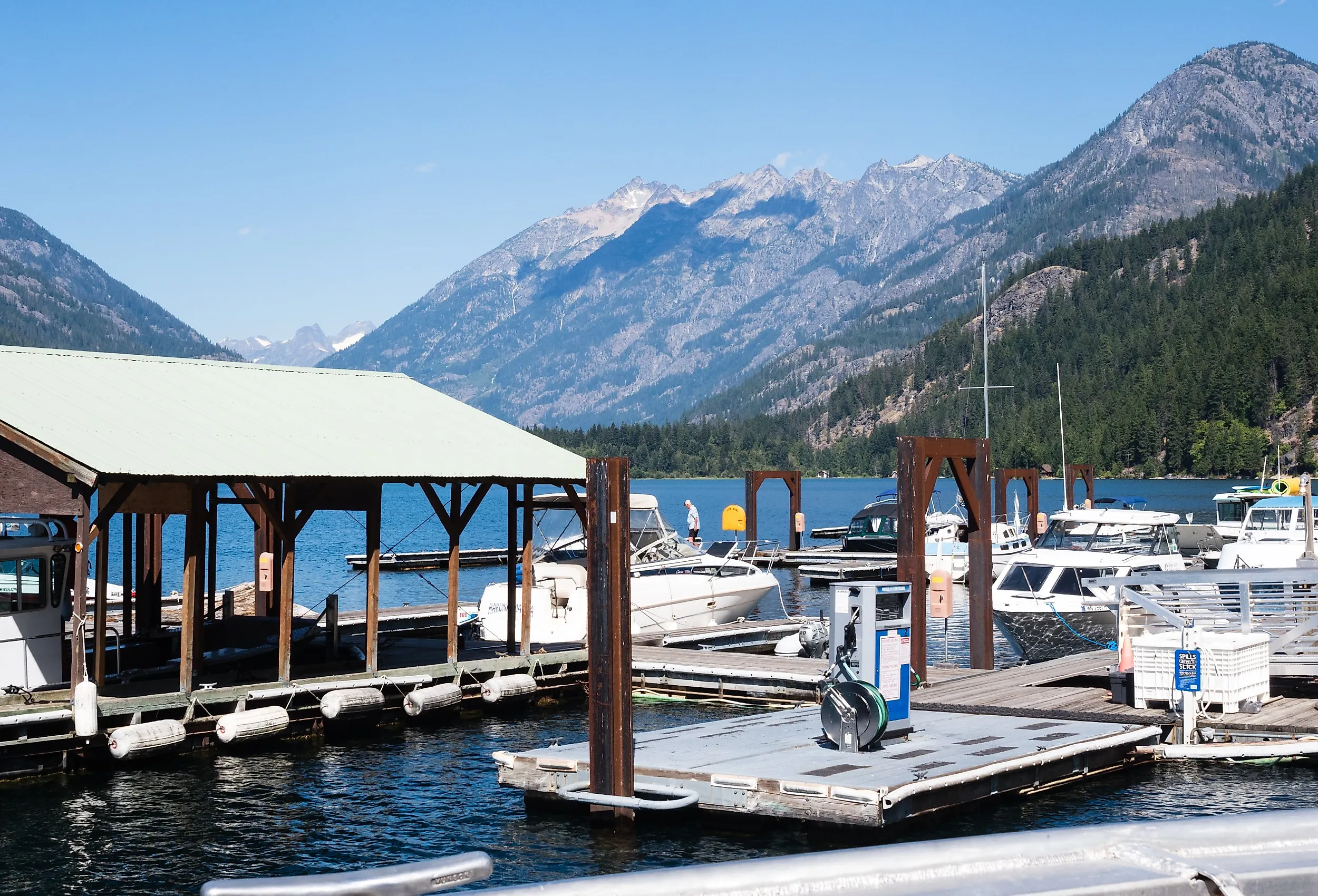
Stehekin may be the quietest town in Washington, because no road reaches it. The tiny community sits at the far end of Lake Chelan, and the only ways in are a long ferry ride up the lake, a floatplane, or a multi-day hike over the North Cascades. A small year-round population lives here, and cell service is limited.
Once there, visitors can ride a shuttle bus up the valley to Rainbow Falls, which drops more than 300 feet through the forest. The old log Stehekin School nearby taught local children for decades. A small bakery up the road is a favorite stop for hikers coming off the trails.
Lopez Village, Washington

Islanders on Lopez are famous for waving at every passing car, which earned their home the nickname "the Friendly Isle." Reached only by ferry, Lopez is the quietest of the main San Juan Islands, and its small village center has a handful of shops, a bakery, and a library.
The island's flat, quiet roads make it a favorite for cyclists. Spencer Spit State Park offers a sandy spit and beach camping, and at Shark Reef Sanctuary, a short forest trail leads to rocky shoreline where harbor seals rest on the rocks. The Lopez Island Historical Museum covers the island's farming and fishing past.
Coupeville, Washington

Coupeville, on Whidbey Island, is one of the oldest towns in Washington, and its waterfront of Victorian storefronts on Penn Cove has changed little in a century. The historic Coupeville Wharf, with its red barn-like building, stretches out over the water, and Penn Cove is known for its mussels.
The town sits inside Ebey's Landing National Historical Reserve, which protects farmland, prairies, and shoreline around Coupeville. A bluff trail above the water leads across open prairie with views of the Olympic Mountains, one of the quietest walks on the island.
Roslyn, Washington

Fans of the TV series Northern Exposure still stop to photograph the corner cafe mural in Roslyn, whose small downtown played the fictional town of Cicely. The former coal mining town in the Cascade foothills sits just off the interstate but feels a world away.
The Brick Saloon, built in 1889, claims to be the oldest continuously operating saloon in Washington. The town's hillside cemeteries, divided by the ethnic groups and lodges of its mining families, are a quiet window into its history, and the Coal Mines Trail follows an old rail line through the forest toward nearby Cle Elum.
Twisp, Washington

Twisp, in the Methow Valley, is the quieter neighbor to the valley's better-known tourist town. It has no Old West theme, just a small downtown, a farmers market, and pastures stretching up the Twisp River toward the mountains.
TwispWorks, a former Forest Service compound, now holds artists' studios, workshops, and galleries. The Methow Valley Interpretive Center shares the history and culture of the valley's Native people. Trails up the Twisp River lead into the North Cascades, with few hikers on most days.
Cathlamet, Washington

A small car ferry still crosses from nearby Puget Island to the Oregon side of the Columbia River, one of the last ferries on the lower river. Cathlamet, the seat of one of Washington's least populated counties, has a small downtown on a hillside above a marina, and the pace here is set by the river traffic and the tides.
The Julia Butler Hansen Refuge, just west of town, protects the rare Columbian white-tailed deer, which graze in the open pastures along the river.
Halfway, Oregon

In 2000, Halfway briefly renamed itself Half.com as part of an internet company's promotion, one of its few brushes with fame. The town of only a few hundred residents sits in Pine Valley in far eastern Oregon, between the Wallowa Mountains and Hells Canyon. Its quiet main street has a cafe, a general store, and wide views of the mountains.
From town, roads lead down to Hells Canyon, the deepest river gorge in North America, where the Snake River forms the border with Idaho. Trails into the Eagle Cap Wilderness start in the mountains above the valley.
Fossil, Oregon

Fossil, the seat of Wheeler County, has a few hundred residents and a name that fits. Behind the local high school is one of the only places in Oregon where the public can dig for fossils, turning up leaves and plant impressions that are millions of years old.
The Oregon Paleo Lands Center in town explains the region's fossil history, and the Clarno Unit of John Day Fossil Beds National Monument, with its towering cliffs of ancient mudflows, is a short drive west. The county is one of the least populated in the state, and the night skies are some of the darkest in Oregon.
Shaniko, Oregon

Wooden boardwalks connect the weathered buildings of Shaniko, including the old schoolhouse, the jail, and the historic Shaniko Hotel. In the early 1900s, sheep ranchers shipped huge loads of wool from its railroad station, and when the railroad left, so did most of the people.
Today it is a near ghost town. The surrounding high desert stretches for miles in every direction, and on most days, the loudest sound is the wind.
Frenchglen, Oregon

Frenchglen is one of the smallest towns in Oregon, with only a handful of residents and a general store. The Frenchglen Hotel State Heritage Site, a 1920s inn, still serves guests family-style dinners. It sits at the base of Steens Mountain in the state's remote southeast corner.
The Steens Mountain Loop Road climbs to glacier-carved gorges and views across the Alvord Desert, and the historic Pete French Round Barn, built for training horses in winter, stands nearby. Page Springs Campground, just outside town, sits beside the Donner und Blitzen River.
Finding Quiet In The Northwest
These 10 towns stay quiet because they are a little out of the way. A ferry ride, a long lake, or a drive across the high desert keeps them small and slow. Bring a full tank of gas, download your maps ahead of time, and plan to stay the night. Quiet places reward those who linger.