The Largest Ocean On Earth
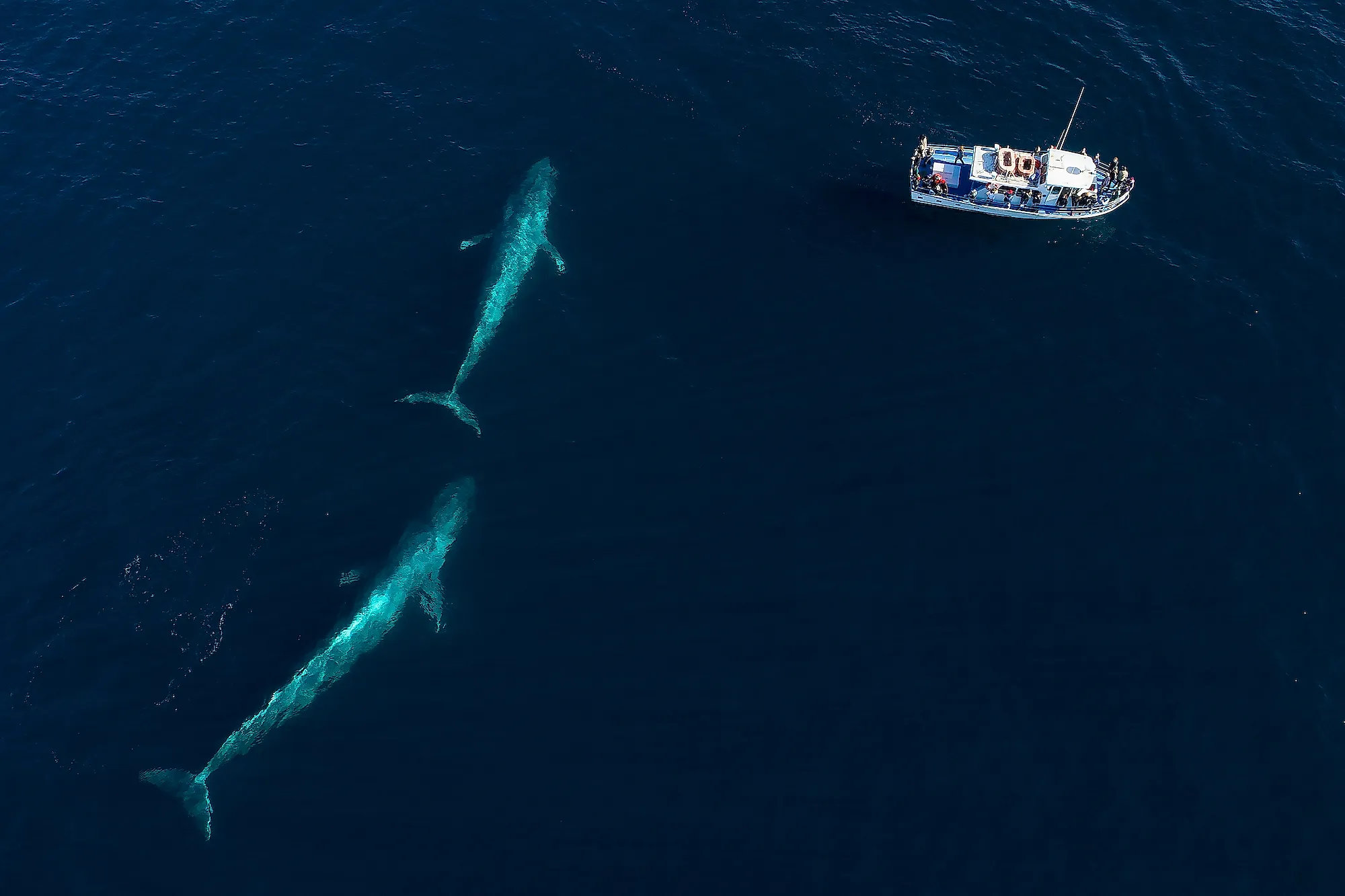
Sail west from California, and you can go halfway around the world before you run out of the Pacific Ocean. This is the biggest thing on the planet by a wide margin. It covers about a third of Earth's surface and holds more than half of all the free water on the globe. Its deepest trench could swallow Mount Everest with a mile to spare. The strongest storm ever measured spun up over its warm water. The Pacific sets the records that every other ocean gets measured against.
Start with the numbers, because the Pacific breaks them all. It spreads across roughly 60 million square miles, or about 155 million square kilometers, which is nearly double the size of the Atlantic Ocean. Line up every continent on Earth and you could drop them into the Pacific with room left over. It reaches from the Arctic Ocean in the north down to the icy edge of Antarctica, with Asia and Australia on its western shores and the Americas on the east. Scattered across all that water are somewhere between 10,000 and 30,000 islands, more than any other ocean can claim. Everything that follows is a version of the same story: when the Pacific does something, it does it bigger than anywhere else on the planet.
The Deepest Place Humans Have Ever Reached
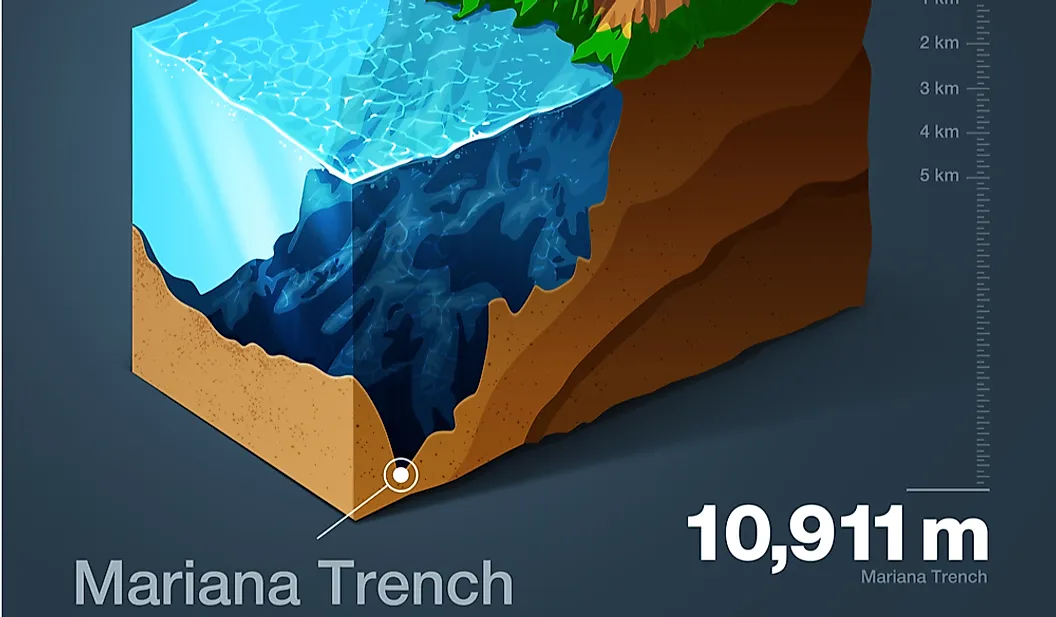
The single deepest spot in any ocean sits inside the Pacific, and it is not close. It is called Challenger Deep, and it sits at the southern end of the Mariana Trench near the Federated States of Micronesia. The bottom lies about 10,935 meters down, roughly 35,876 feet, or nearly seven miles below the surface. Drop Mount Everest into that hole and its peak would still sit more than a mile underwater. A British survey ship named HMS Challenger first measured the trench in 1875 and lent the deep its name.
Getting a machine down there took another 85 years. In 1960, Jacques Piccard and Don Walsh rode a submersible called Trieste all the way to the bottom and became the first people to see it with their own eyes. Almost no one followed for decades. Filmmaker James Cameron made the first solo trip in 2012, and explorer Victor Vescovo has since gone back again and again, reaching the bottom 15 times between 2019 and 2022. That is more visits to Challenger Deep than any other human has managed.
How the Pacific Got So Big
The Pacific also holds the oldest ocean floor on Earth, and the rock down there records where all of this began. Long before the Pacific existed, a single giant ocean called Panthalassa wrapped around the ancient supercontinent Pangea. When Pangea began tearing apart between about 180 and 167 million years ago, the crack widened into a new basin that became the Pacific. The seafloor that formed then still survives as part of the Pacific Plate, making it the oldest known ocean bottom anywhere.
People arrived on that water far more recently, and no one read it better than the Polynesian people. Setting out from island Southeast Asia, they learned to navigate open ocean by stars, swells, and birds thousands of years ago. By around 1200 CE they had settled nearly every major island group, including Hawaii, Samoa, Tahiti, and New Zealand. That is one of the greatest feats of seafaring in human history, and it happened across the biggest ocean on the map.

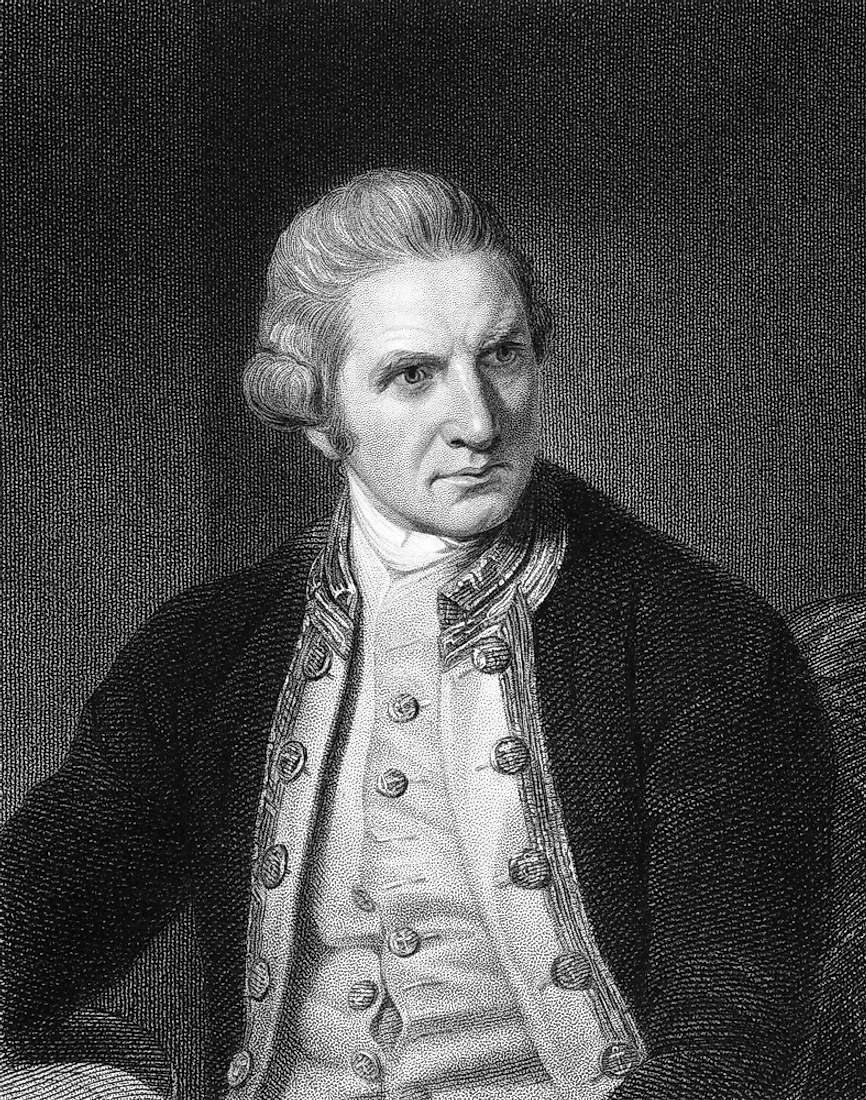
Europeans came much later. In 1520, Ferdinand Magellan led a Spanish expedition into these waters and became the first European to cross them. He found the sea so calm on his passage that he named it the Pacific, meaning peaceful. British captain James Cook filled in much of the rest during the 1700s, charting Australia, New Zealand, Tahiti, and Tonga. Two centuries after that, the same ocean carried one of the pivotal moments of the modern era, when the 1941 attack on Pearl Harbor pulled the United States into World War II.
An Ocean That Never Sits Still

Magellan named it peaceful, and the name has been a running joke for geologists ever since. The floor of the Pacific is the most violent stretch of ground on the planet. Most of the world's earthquakes and volcanic eruptions happen along its edges, in a horseshoe of fault lines and volcanoes called the Ring of Fire. The belt runs about 40,000 kilometers, some 25,000 miles, tracing the rim of the ocean where the huge Pacific Plate grinds against the North American, Nazca, Philippine, Cocos, and Juan de Fuca plates. Where those plates dive under and slam into each other, they set off the quakes and eruptions that built much of the seafloor in the first place.
The chaos is not confined to the rock. The Pacific stores and releases staggering amounts of heat, and it drives the trade winds and westerlies that steer weather across half the world. It also brews the fiercest storms on Earth. In 2015, Hurricane Patricia spun up over the eastern Pacific into the strongest tropical cyclone ever measured by wind speed, with sustained winds clocked at 215 miles per hour before it weakened toward the coast of Mexico. Warm water and moist air are the fuel, and no ocean supplies more of either.
The scale of the place shapes its geography too. The Pacific stretches about 14,500 kilometers, roughly 9,000 miles, from the Bering Sea south to Antarctica, and about 19,000 kilometers, some 12,000 miles, from the coast of Colombia west to the Malay Peninsula. Its average depth runs near 4,000 meters, about 13,000 feet. Along the way it holds the South China Sea, one of the largest seas on Earth, and the pole of inaccessibility, the single point on the globe farthest from any land in any direction.
The Richest Wildlife in Any Ocean

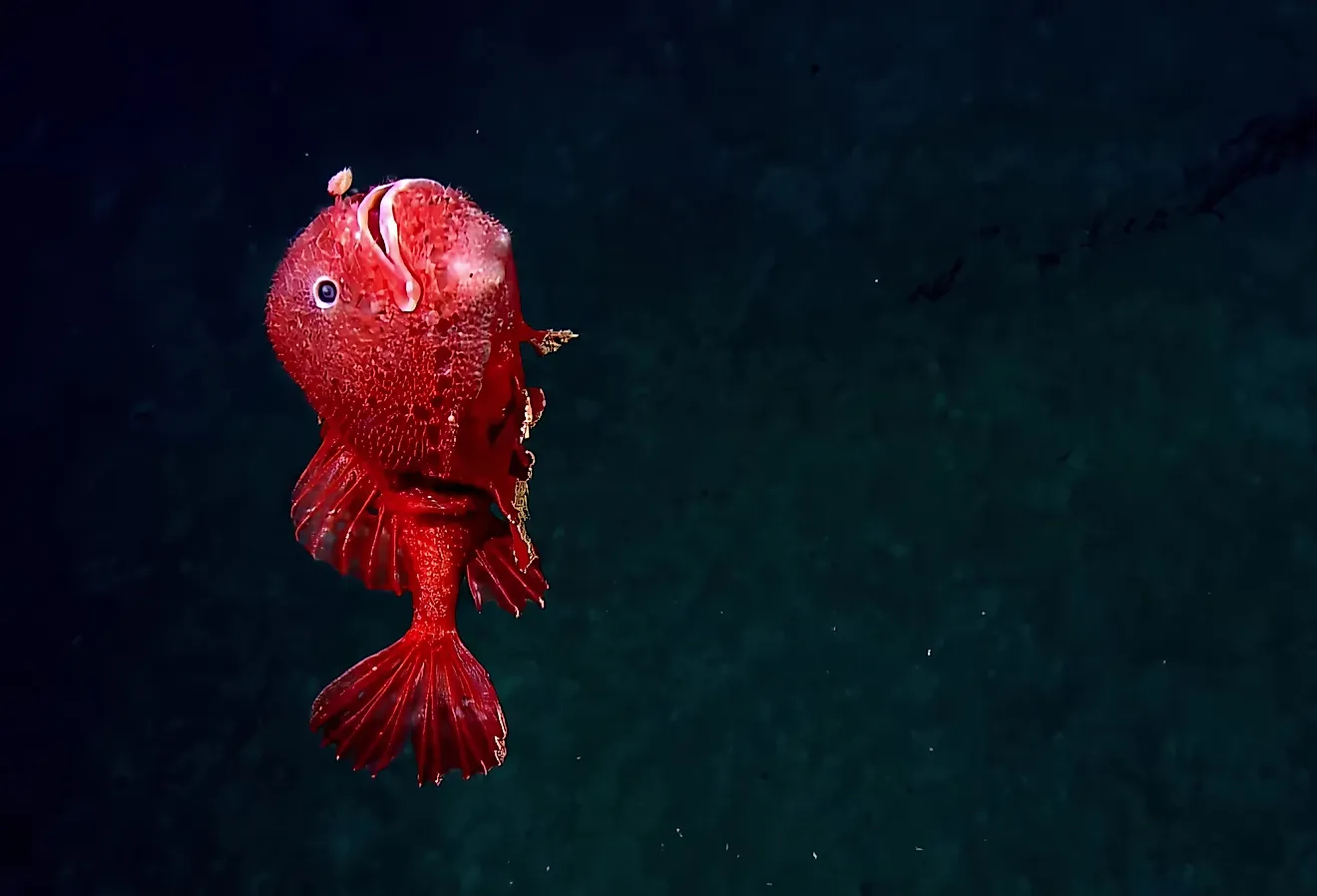
All that warm water and coastline adds up to the greatest concentration of marine life anywhere. More than three-quarters of the world's known coral species live in the western Pacific alone, along with about half of all its coral reefs. Those reefs shelter a staggering cast of animals, from more than 3,000 kinds of fish to whales, sea turtles, sharks, dolphins, and seabirds beyond counting. Scientists are still naming new species out here every year.
The crown jewel is the Great Barrier Reef off northeastern Australia, the largest coral reef system on the planet. It is built from more than 2,900 separate reefs and supports over 1,600 kinds of fish, around 100 species of jellyfish, dozens of whale and dolphin species, and roughly 6,000 varieties of mollusc. It is so large that astronauts can pick it out from orbit, and it remains the clearest single proof of how much life this ocean can hold.
Keeping the Record-Holder Healthy
Every record the Pacific holds points back to the same fact. This is the deepest, oldest, stormiest, and most alive of all the oceans, bordered by five continents and touching the lives of billions of people. It powers the global water cycle as the planet's largest source of evaporation, moves heat around the world, and feeds economies everywhere with catches of salmon and tuna. No other single feature on Earth carries that much weight.
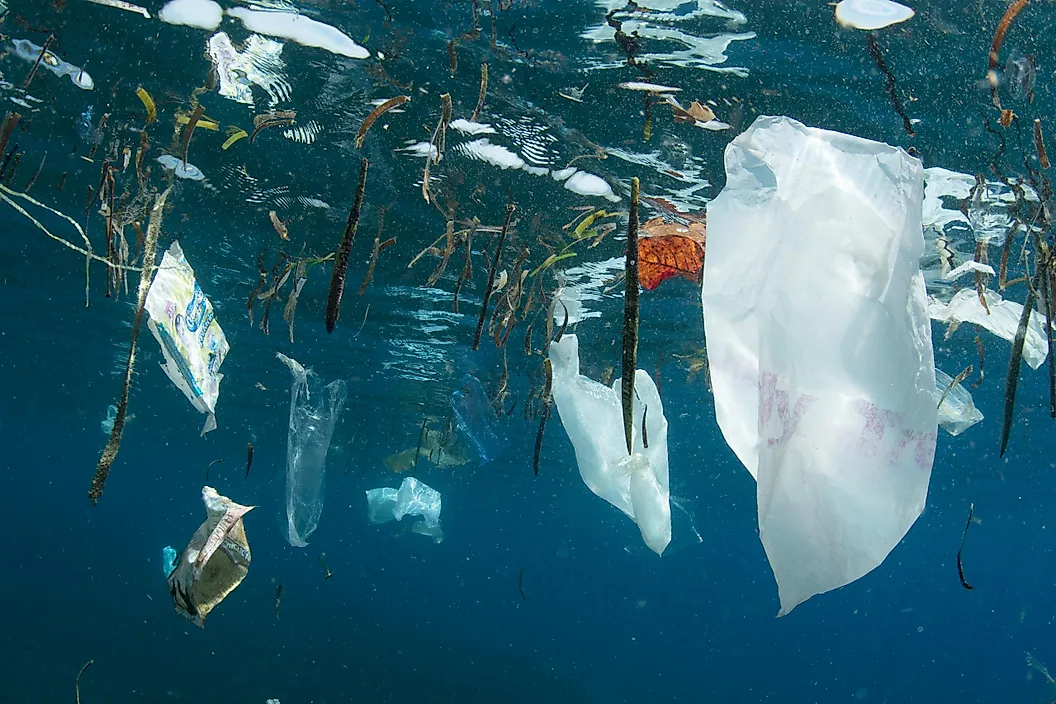
That importance is exactly why its troubles matter. Overfishing and pollution both press hard on the Pacific, and the clearest warning sign floats in the North Pacific between Hawaii and California. The Great Pacific Garbage Patch is a drifting collection of debris, mostly plastic, that covers an area larger than the state of Texas. Much of that plastic is decades old and slowly crumbles into tiny fragments that sea animals swallow by mistake. Groups such as The Ocean Cleanup are working to haul it out, and the ocean's future depends on governments, companies, and ordinary people cutting the waste that reaches the water. The largest ocean on Earth earned every one of its records, and it is worth keeping around to hold them.