Why Great Lakes Freighters Never Go Out To The Ocean
Some of the largest ships on the Great Lakes spend their entire working lives there and never once reach the ocean. The biggest of all, the Paul R. Tregurtha, runs more than 1,000 feet long. It will stay on freshwater for good. The size and design that make these ships so useful on the lakes are the same things that strand them there, and that is only part of why.
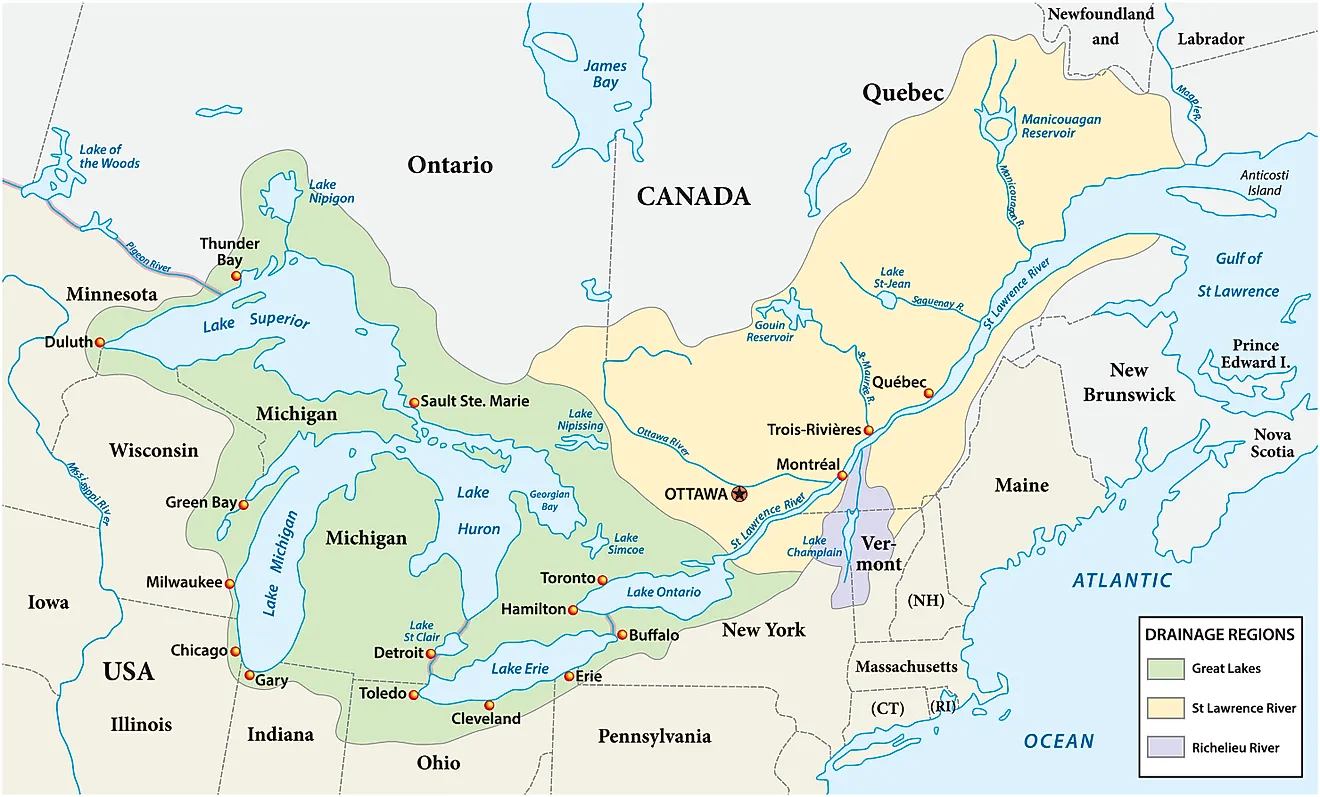
The Biggest Freighters Cannot Fit Through The Welland Canal

A ship leaving Lake Erie for Lake Ontario must pass through the Welland Canal, which bypasses Niagara Falls. Its locks create a firm size limit on the route toward the Atlantic. The standard Seaway vessel dimensions are about 740 feet long and 78 feet wide. Paul R. Tregurtha measures 1,013.5 feet by 105 feet. Unloading its cargo would make it sit higher in the water, but would do nothing about its length or width.
Farther west, the Poe Lock at Sault Ste. Marie is 1,200 feet long and 110 feet wide. It can accommodate the thousand-foot freighters moving between Lake Superior and the lower lakes. That larger lock lets enormous ore carriers reach industrial ports on Lakes Michigan and Erie. The smaller Welland locks prevent those same ships from continuing into Lake Ontario.
Their Designs Fit The Work Waiting At Lake Ports

Duluth-Superior handles approximately 20 million short tons of iron ore during a typical shipping season. Minnesota's ore reaches steelmakers through lake ports, and freighters deliver it to industrial customers around the Great Lakes. On these routes, a ship can exceed the Seaway's size limits and put the extra capacity to work. Its loading port and receiving dock must accommodate it, along with every channel and lock in between.
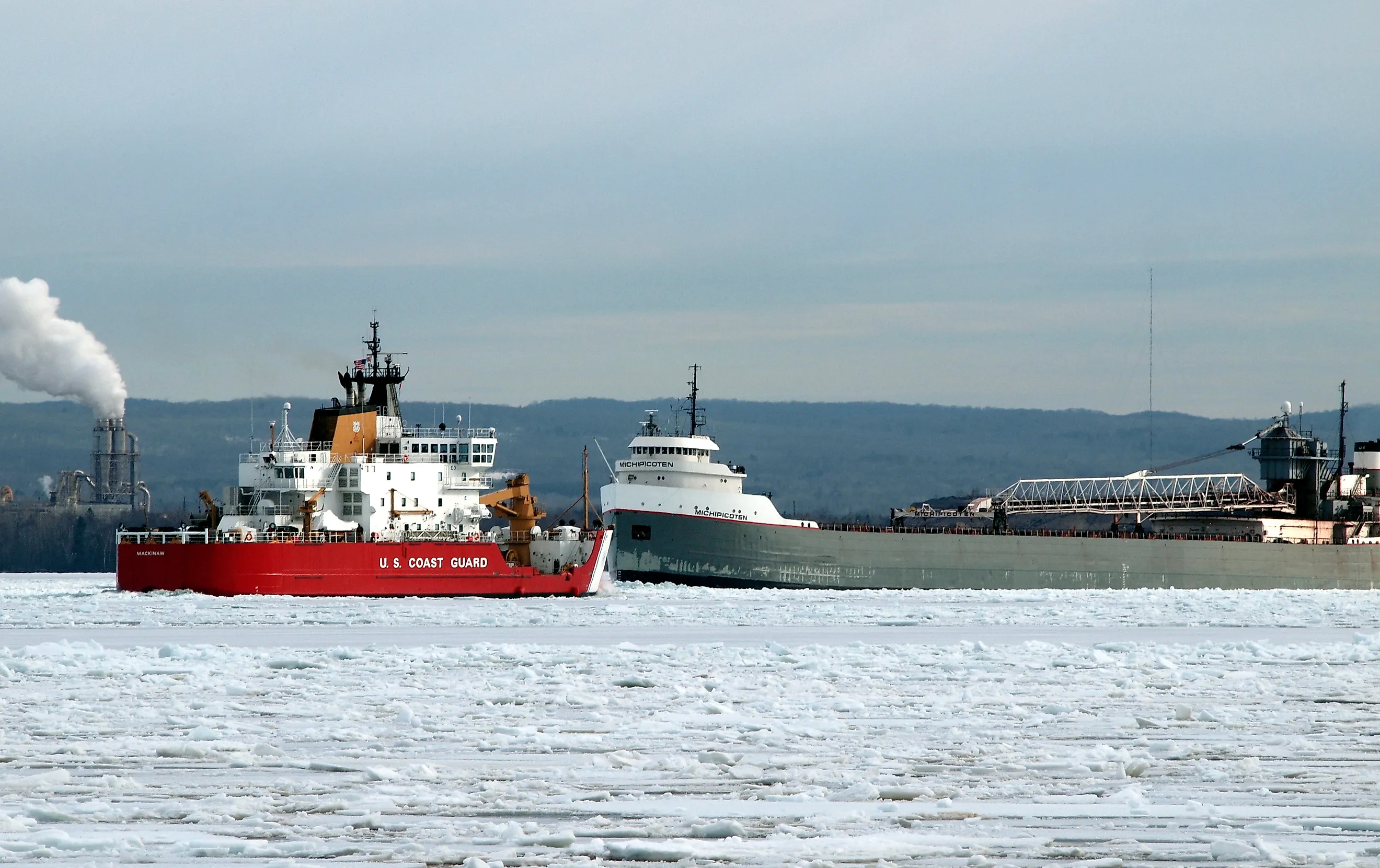
Traditional lakers have long cargo decks and relatively blunt bows. Nearly vertical sides help maximize the cargo space inside their permitted dimensions. Many carry conveyor belts that move bulk material out of their holds and through an unloading boom onto shore. Paul R. Tregurtha's boom extends 260 feet, and its system can empty the ship's five holds in about eight hours. The receiving dock does not need cranes to lift each load out of the holds.
Some lake deliveries require a smaller ship. Built in Wisconsin in 2022, the 639-foot Mark W. Barker was designed to negotiate the tight bends of Cleveland's Cuyahoga River. Its cargo hold has a flat, square bottom, and unusually large hatch openings allow it to handle cargo such as wind turbine blades.
Fitting Through The Locks Does Not Authorize An Ocean Voyage

A smaller laker may fit through the Seaway and still lack approval for regular ocean service. A Great Lakes load line certificate does not automatically authorize an Atlantic crossing. The load line marks on a hull indicate how deeply the vessel may be loaded under the applicable conditions.
Loading more cargo pushes a ship deeper into the water. That reduces its freeboard, the height of its designated freeboard deck above the waterline. Load line rules preserve a margin of buoyancy and account for stability. They also address keeping water out through exposed openings. Great Lakes service has its own standards; a vessel approved only for those waters needs the appropriate approval before entering ocean service.
Lake freighters already contend with severe waves and storms. Their ability to work on Lake Superior does not establish that every vessel meets ocean requirements.
Some Lakers Cross The Atlantic To Reach Their Home Waters

Algoma Intrepid began its journey to Canada at a Croatian shipyard in October 2020. The 650-foot self-unloader crossed the Atlantic and began trading on the Great Lakes in November. Its forward-mounted unloading boom allows cargo to reach difficult dock locations.
Salties make the ocean passage as part of their regular trade. These ocean-going vessels fit through the Seaway and are designed for service on both the lakes and the ocean. Many carry deck cranes for loading and unloading cargo at the ports they visit.
Duluth-Superior's docks serve both regional and overseas shipping within the same harbor. The port handles more than a million tons of grain in a typical season, its leading export, alongside the much larger iron ore trade. Ocean access allows overseas vessels to collect cargo deep inside North America. Nearby, a thousand-foot laker can load for a steelmaking customer elsewhere on the lakes and use nearly all the width available in the Poe Lock. Making that vessel narrow enough for Welland would reduce the space available for cargo. On a Duluth-to-Lake Erie voyage, that ship passes through the larger Poe Lock and finishes its trip before reaching the Welland Canal.