The Lakes Where Snakebites Happen Most Often
On a September morning in 2026, a 9-year-old boy fishing from the bank of Missouri's Pomme de Terre Lake stepped on a copperhead and was bitten on the ankle. He spent a night in the hospital and recovered, but his story is a familiar one. Most snakebites in the United States happen in ordinary places, and lakeshores are a classic one. Rocks, logs, and leaf litter give snakes places to hide, and fish-filled shallows give them food. No agency tracks snakebites lake by lake, so the lakes below stand out because they combine plenty of venomous snakes, heavy shoreline use, and documented bites or official warnings in the states where bites are most frequent.
Why Lakes Draw Snakes

Lakes offer snakes almost everything they need. Fish, frogs, and small mammals gather at the water's edge, and rocky banks, fallen logs, and thick vegetation provide shelter from predators and the summer heat. Reservoirs with long, winding shorelines create miles of this habitat. At the same time, lakes pull people to those very edges. They fish from the bank, launch boats, set up campsites, and walk to the water barefoot. Most bites happen not in the water but along the shore, when a hand or foot lands where a snake is resting. Late spring through early fall, when both snakes and visitors are most active, is when bites are most common.
Lake Texoma, Texas And Oklahoma

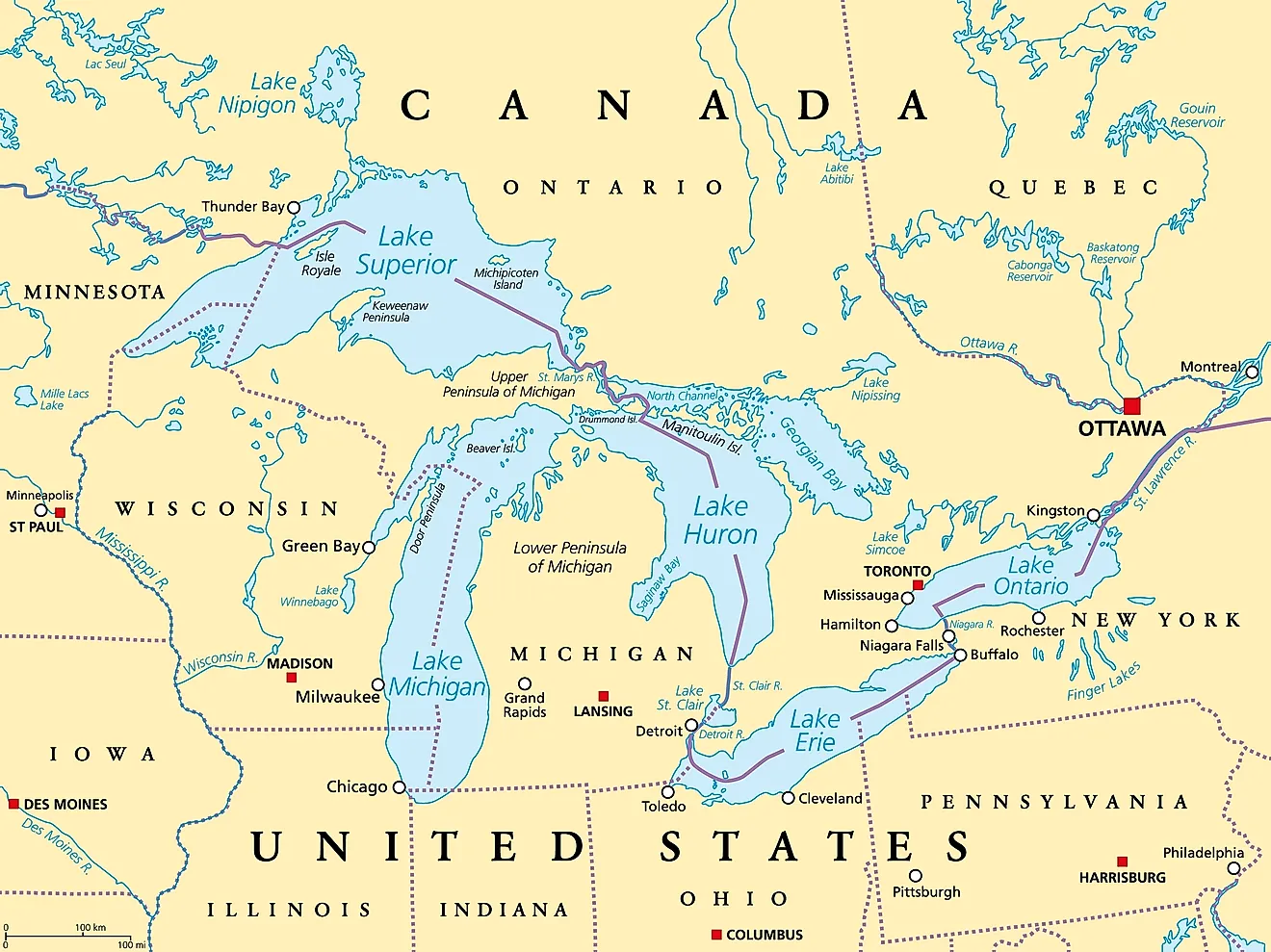
Lake Texoma, a vast reservoir on the Red River, draws millions of visitors each year to its beaches, marinas, and campgrounds. Its rocky coves and brushy shorelines are prime snake habitat. Cottonmouths (Agkistrodon piscivorus) hunt along the water's edge and sometimes swim through the shallows. Copperheads (Agkistrodon contortrix) live along the banks and in the surrounding woods, along with western diamondback (Crotalus atrox), timber (Crotalus horridus), and pygmy rattlesnakes (Sistrurus miliarius). On the Texas side, the shy but highly venomous Texas coral snake (Micrurus tener) also turns up, part of the reason Texas leads the nation in venomous snake variety.

In June 2026, a Texas game warden reminded the public that snakes are common throughout the region and that most bites happen when people accidentally get too close. With so many people fishing, camping, and wading along the shore each summer, Lake Texoma is one of the places where those encounters are most likely. Two state parks and dozens of Army Corps of Engineers recreation areas put much of the shoreline within easy reach of a campsite or parking lot on both sides of the Oklahoma-Texas line.
Pomme de Terre Lake, Missouri

Pomme de Terre Lake, a reservoir in the Missouri Ozarks, is a popular spot for camping and fishing. Its wooded, rocky shorelines are classic copperhead country. In September 2026, a 9-year-old boy fishing near a campground stepped on a full-grown copperhead and was bitten on the ankle. He was taken to a hospital in Springfield, monitored overnight, and recovered without needing antivenom.

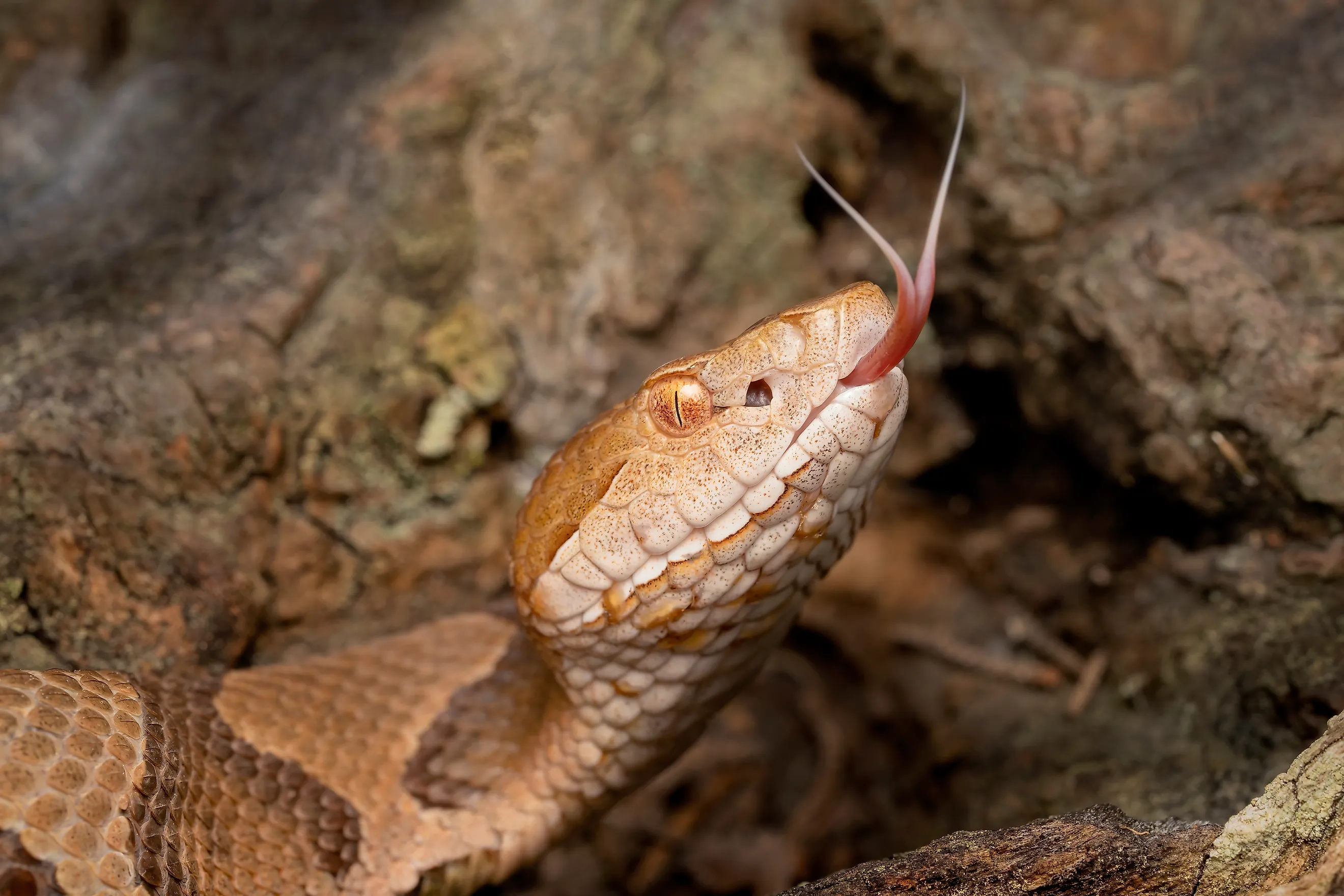
Copperheads are the most common cause of venomous snakebites in much of the eastern United States, and they are easy to miss. Their copper and tan bands blend with dry leaves and gravel, and they tend to freeze rather than flee, so people step on them without seeing them. Many Ozark lakes share the same risk, especially along shaded banks and around campsites.
Possum Kingdom Lake, Texas

Possum Kingdom Lake, on the Brazos River in North Central Texas, is famous for its clear water and tall limestone cliffs. Those rocky bluffs and ledges are also ideal shelter for rattlesnakes, especially the western diamondback.

In 2010, a 2-year-old boy died after being bitten by a rattlesnake near the lake, a rare but tragic reminder of the risk. Visitors who climb along the cliffs, explore rocky coves, or walk through tall grass near the shore are most likely to meet a rattlesnake, particularly on warm evenings in late spring and summer.
Lake Eufaula, Oklahoma

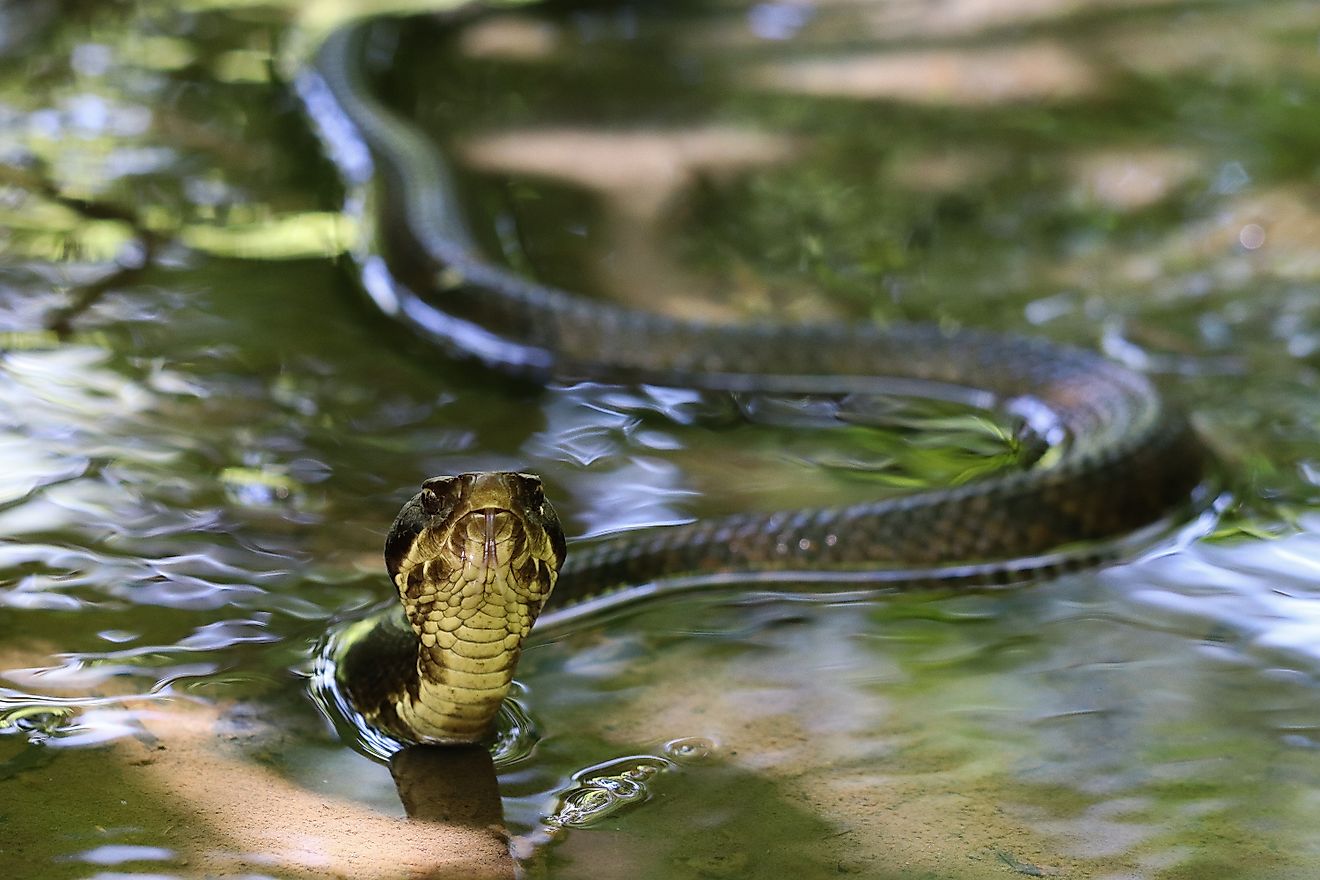
Lake Eufaula, the largest lake entirely within Oklahoma, is known among anglers for its cottonmouths. Its long, winding shoreline of coves, flooded timber, and marshy inlets gives the semi-aquatic snakes plenty of places to hunt fish and frogs.

Cottonmouths often bask on logs and branches at the water's edge and may hold their ground with mouths wide open, showing the white lining that gives them their name. Anglers wading the shallows, reaching for snagged lines, or pulling boats onto shore are the most likely to have a close encounter.
Jordan Lake, North Carolina

North Carolina has the highest snakebite rate per resident in the country, and copperheads cause most of the state's venomous bites. Jordan Lake, a large reservoir in the Piedmont, sits in the heart of that copperhead range. Wooded shoreline, campgrounds, and swim beaches surround it and draw huge crowds in summer.

Copperheads hide in the leaf litter and rocks along the lake's wooded edges, and bites often happen on trails and around campsites in the evening, when the snakes are most active. Closed shoes and a flashlight after dark go a long way toward avoiding them. Swimmers occasionally spot harmless water snakes in the lake itself. These are often mistaken for cottonmouths, which live mainly farther east in the state's coastal plain.
Lake Havasu, Arizona

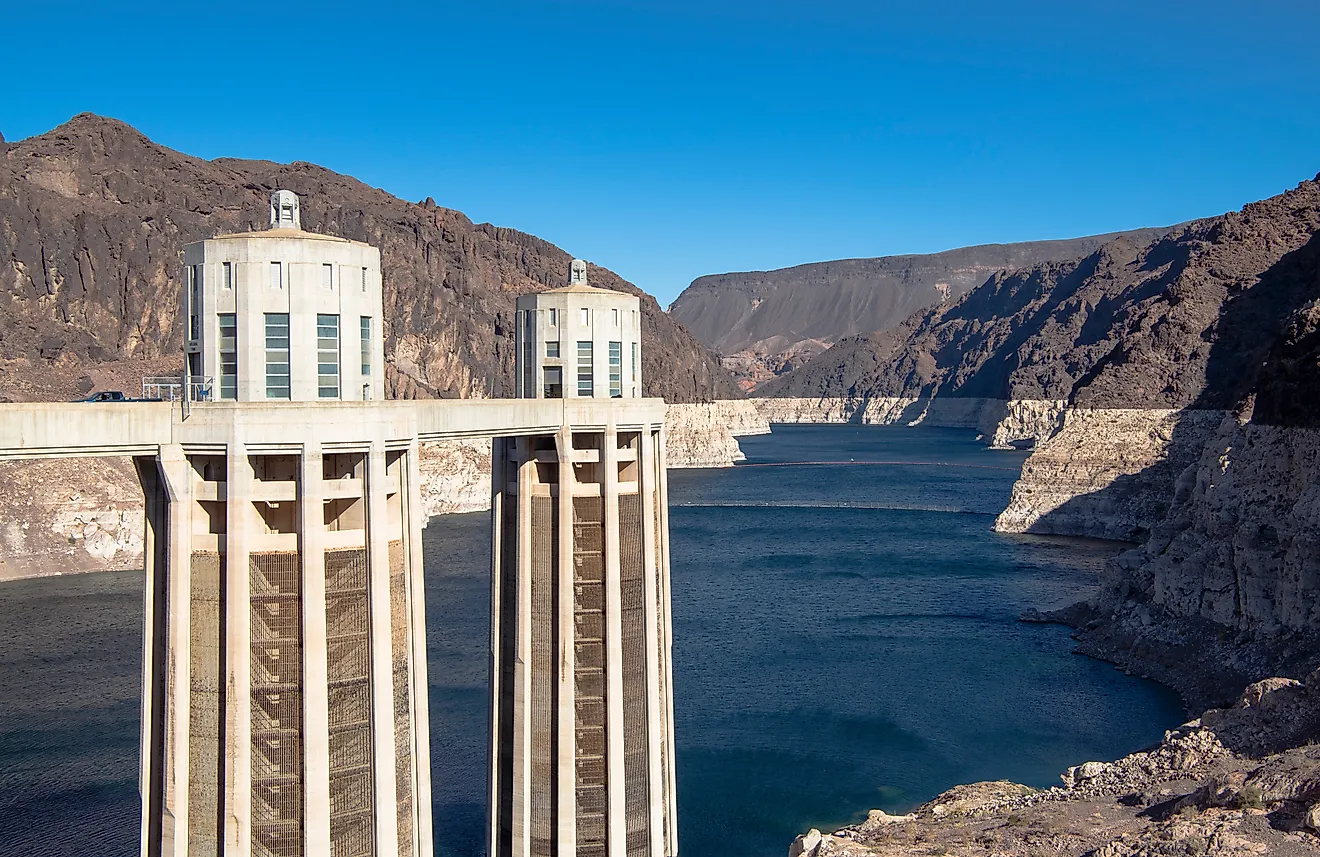
Arizona has the highest rate of rattlesnake bites per resident in the country, and Lake Havasu, on the Colorado River, sits in the middle of rattlesnake territory. Its rocky desert shoreline, coves, and boulder-strewn hills are home to several species, including the western diamondback and the Mojave rattlesnake (Crotalus scutulatus).

Boaters who pull into secluded coves, hikers scrambling over rocks, and campers walking at night are the most likely to encounter rattlesnakes. In the hottest months, the snakes often become active after dark, so a flashlight and sturdy shoes are essential around the lake.
Staying Safe At The Lake
Snakebites at lakes are rare and almost always preventable. Careful footing on rocky or leafy banks, closed shoes instead of sandals, a look before reaching under logs or into the water's edge, and a light after dark prevent most encounters. After a bite, the best response is to stay calm, keep the limb still, remove rings or tight clothing, and get to a hospital as quickly as possible. Tourniquets, ice, and cutting the wound do more harm than good. With prompt care, deaths are very rare, about five a year nationwide out of 7,000 to 8,000 venomous bites, according to the CDC.