How Much Great Lakes Water Is Bottled And Sold
Pick up a bottle of spring water in the Midwest and there is a decent chance its contents started out as Great Lakes-basin groundwater, pumped from the earth by a corporation that paid almost nothing for it. The practice has sparked years of lawsuits, protests, and public outrage, especially in Michigan. But how much Great Lakes water actually gets bottled and sold, and is it really a threat to the lakes themselves? The answer is a surprising mix of "a staggering amount" and "barely a drop." Here is how much Great Lakes water is bottled and sold, and why it causes such a fight.
The Short Answer: A Lot, But a Drop in the Bucket

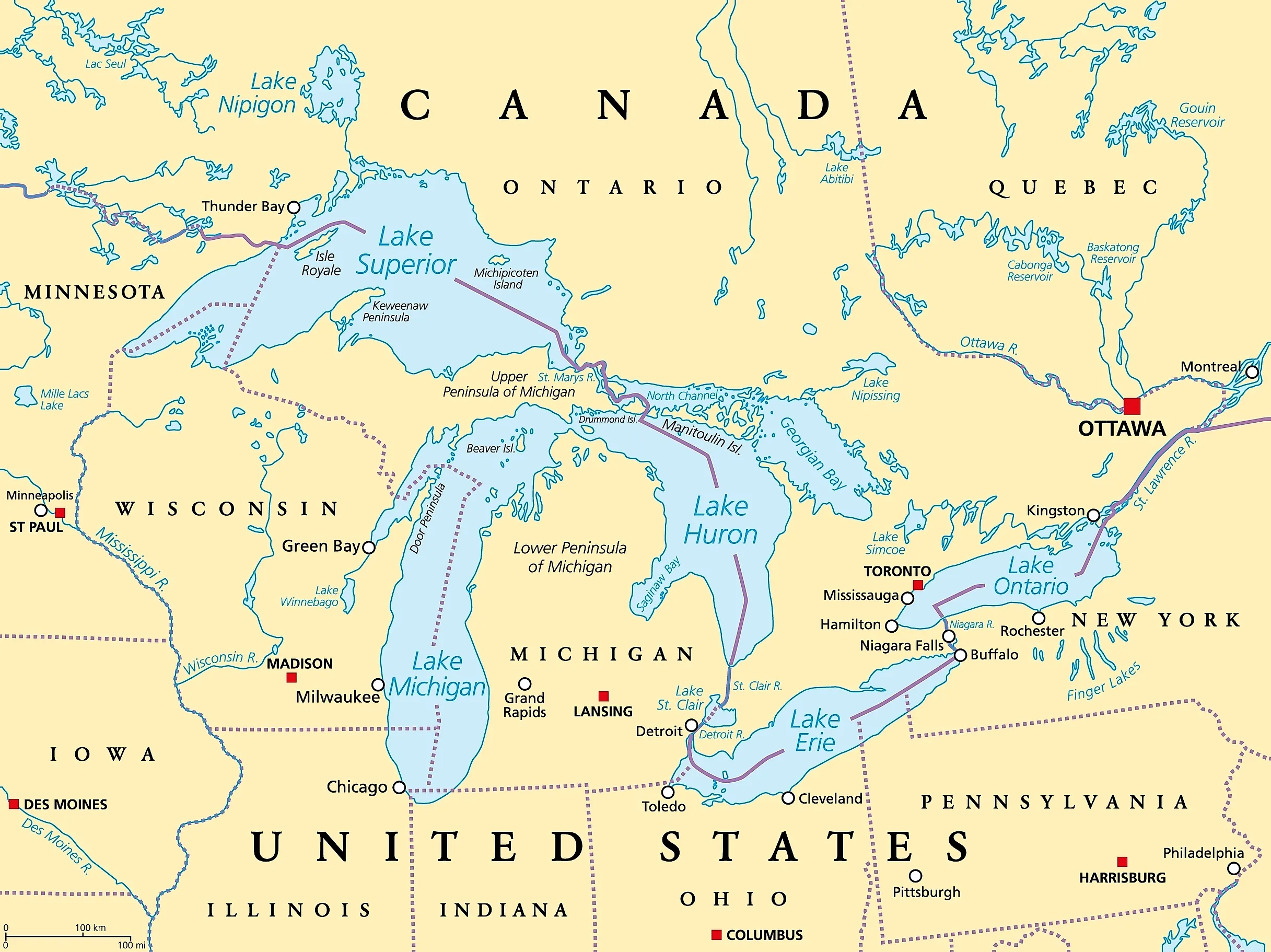
In sheer human terms, bottlers pump a lot of water out of the Great Lakes basin: hundreds of thousands of gallons a day from a single well, and hundreds of millions of gallons a year across one operation. Yet compared to the lakes themselves, it amounts to almost nothing. The Great Lakes hold roughly six quadrillion gallons of water, about a fifth of all the fresh surface water on Earth, so even a large bottling operation removes a truly microscopic fraction of the total. That mismatch is the key to the whole debate: the volume taken is tiny, but the principle of taking it at all is what sets people off.
Who's Doing the Bottling

The most famous player is Nestlé, which for years bottled Great Lakes-basin groundwater in Michigan under its Ice Mountain brand. The company draws spring and groundwater from wells near Evart and Mecosta in the Lake Michigan watershed, trucks it to a bottling plant in Stanwood, and sells it across the country. In 2021, Nestlé sold off its North American water business, Ice Mountain included, to a firm that became BlueTriton Brands, now part of Primo Brands, which has continued the operation. In the end, it comes down to a small number of companies turning a public resource into a private product.
The $200 Flashpoint in Michigan

The controversy exploded in 2018, when Michigan granted Nestlé permission to pump up to 400 gallons per minute, about 576,000 gallons a day, from its White Pine Springs well, in exchange for a state permit fee of just $200 a year. The timing could hardly have been worse: the approval came only days after the state ended its free bottled water program for the residents of Flint, who were still coping with a lead-contaminated water crisis. More than 80,000 people submitted public comments opposing the permit, against fewer than 100 in favor. The image of a corporation paying $200 to pump and sell public water while Flint residents bought their own became a lasting symbol of the whole fight.
The Bottled-Water Loophole
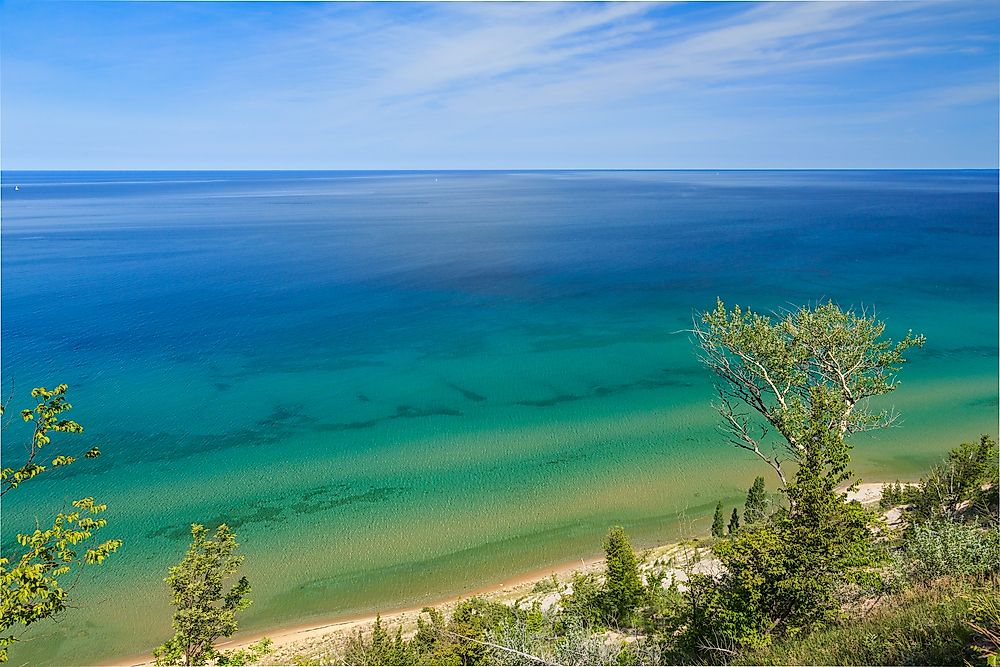
All of this is possible because of a single gap in an otherwise strong law. The Great Lakes Compact, signed in 2008 by the eight Great Lakes states, generally bans diverting water out of the basin, a powerful protection against the lakes being drained for distant cities or farms. But the Compact contains one notable exception: water may leave the basin if it is packaged in containers of 5.7 gallons or less. That single clause, widely known as the "bottled-water loophole," is exactly what allows companies to legally pump basin water, seal it in bottles, and ship it anywhere in the world, one container at a time.
Why People Are Upset

Given how little water is actually removed, why the fury? For critics, it was never really about the volume at all. Their objections run deeper: that a corporation can privatize and profit from water that belongs to the public, that it pays almost nothing to do so, and that heavy pumping can still harm the specific local streams, wetlands, and aquifers around a well even when the lakes themselves are unaffected. There is also the worry about precedent, the fear that normalizing the export of Great Lakes water for profit could eventually open the door to much bigger withdrawals. Underneath it all sits a genuine philosophical divide, sharpened by the Flint crisis, over whether water is a commodity to be sold or a basic right to be protected. So the amount of Great Lakes water bottled and sold is, by the numbers, a vanishing fraction of an almost unimaginable whole, but the fight over those bottles is really a fight over who owns the water in the first place.