The Year The Johnstown Flood Came Down The Conemaugh
A massive dam burst in the Pennsylvania mountains in 1889, releasing roughly 20 million tons of water, destroying communities, and leaving 2,208 people dead in the Conemaugh Valley. The South Fork Dam disaster became known as the Johnstown Flood, a catastrophic tragedy that exposed considerable negligence and questionable engineering. It was a defining moment in history, no doubt, and shaped American history, transforming the landscape and leaving the town in infamy forever.
A Disaster Waiting to Happen

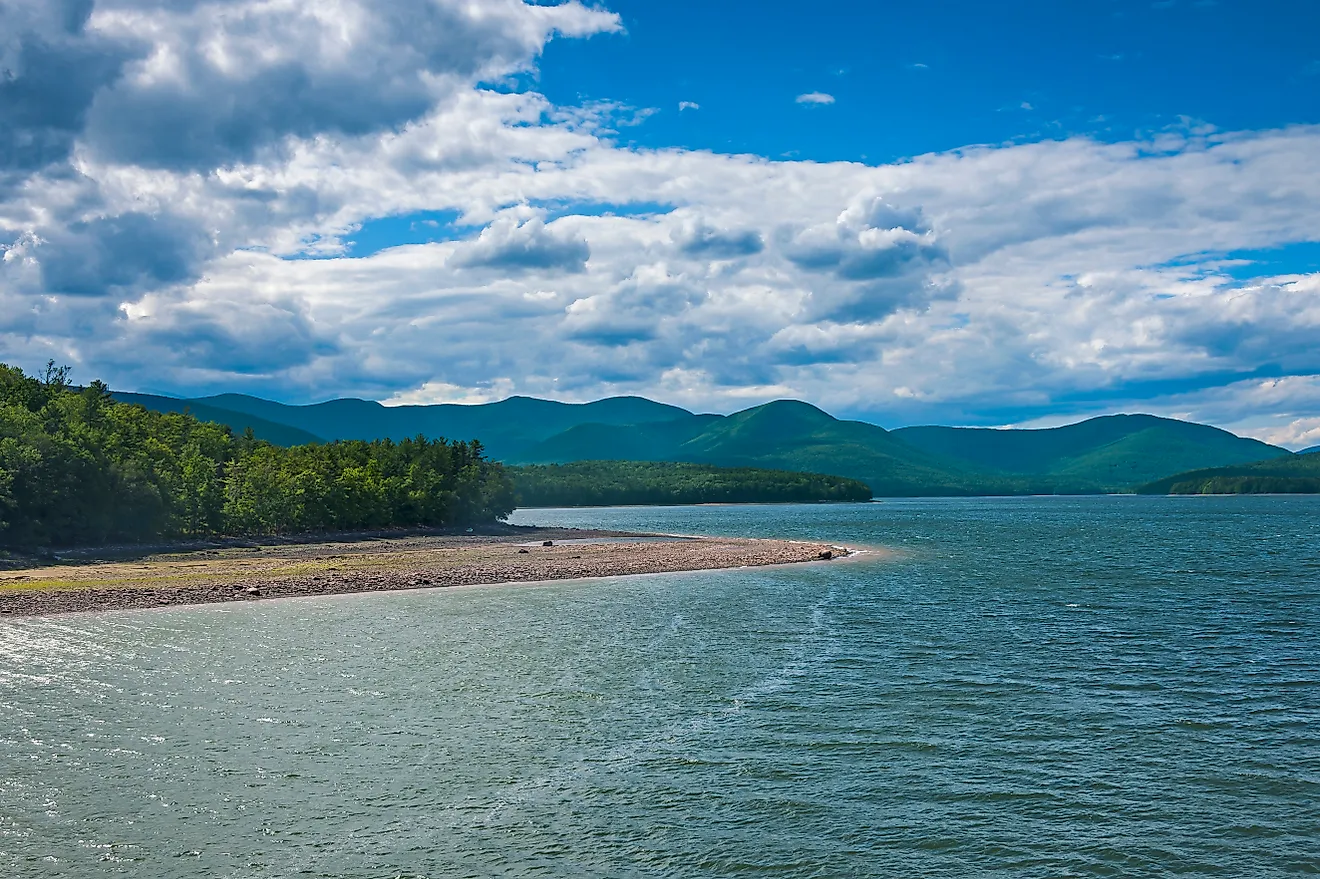
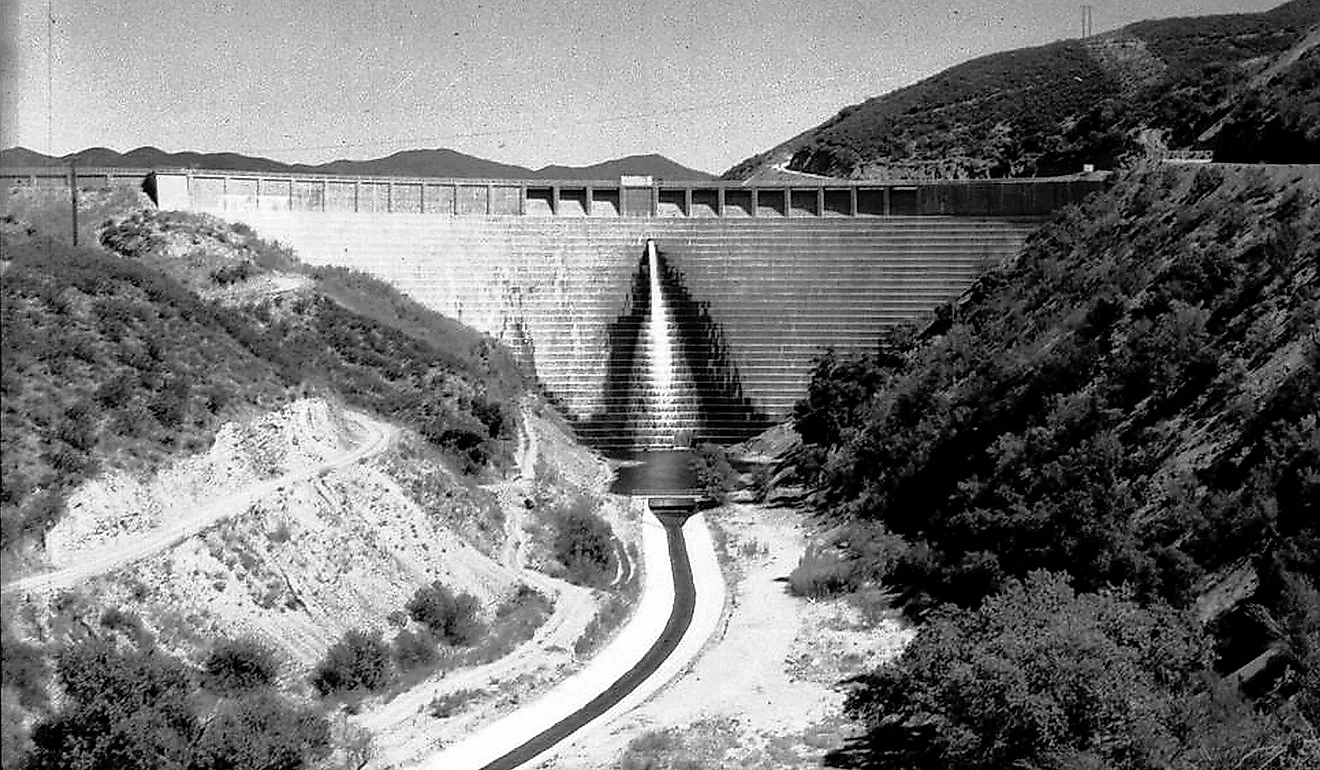
The South Fork Dam was built between 1838 and 1853 to hold water for the Reservoir, later named Lake Conemaugh, as part of Pennsylvania's canal system. Unfortunately, though, as railroad production took off, the canal system became less important for commercial transportation. Eventually, the South Fork Fishing and Hunting Club purchased the property and transformed it into a summer retreat for the wealthy, known as Lake Conemaugh.
Dangerous changes were soon made to the structure, such as lowering the dam, reducing safety margins, adding screens across the spillway that restricted water flow, and never replacing important pipes to release water during an emergency. Over time, these changes left the dam extremely vulnerable to severe weather.
A Storm That Changed The Valley

In May of 1889, a severe storm traveled across the eastern United States, causing an extraordinary amount of rainfall in Pennsylvania, with as much as ten inches within a 24-hour period. The mountains surrounding Lake Conemaugh were hit hard, quickly raising the reservoir level and putting mounting pressure on the already compromised dam.
Because of the added screens, tons of debris piled up, allowing very little water to flow through. Later in the day, the dam overflowed into the soil, creating pressure that the structure could no longer hold. Around 3:10 pm, the dam broke, and approximately 20 million tons of water rushed into the valley, heading into the communities and taking down everything that stood in its path.
14 Miles of Destruction

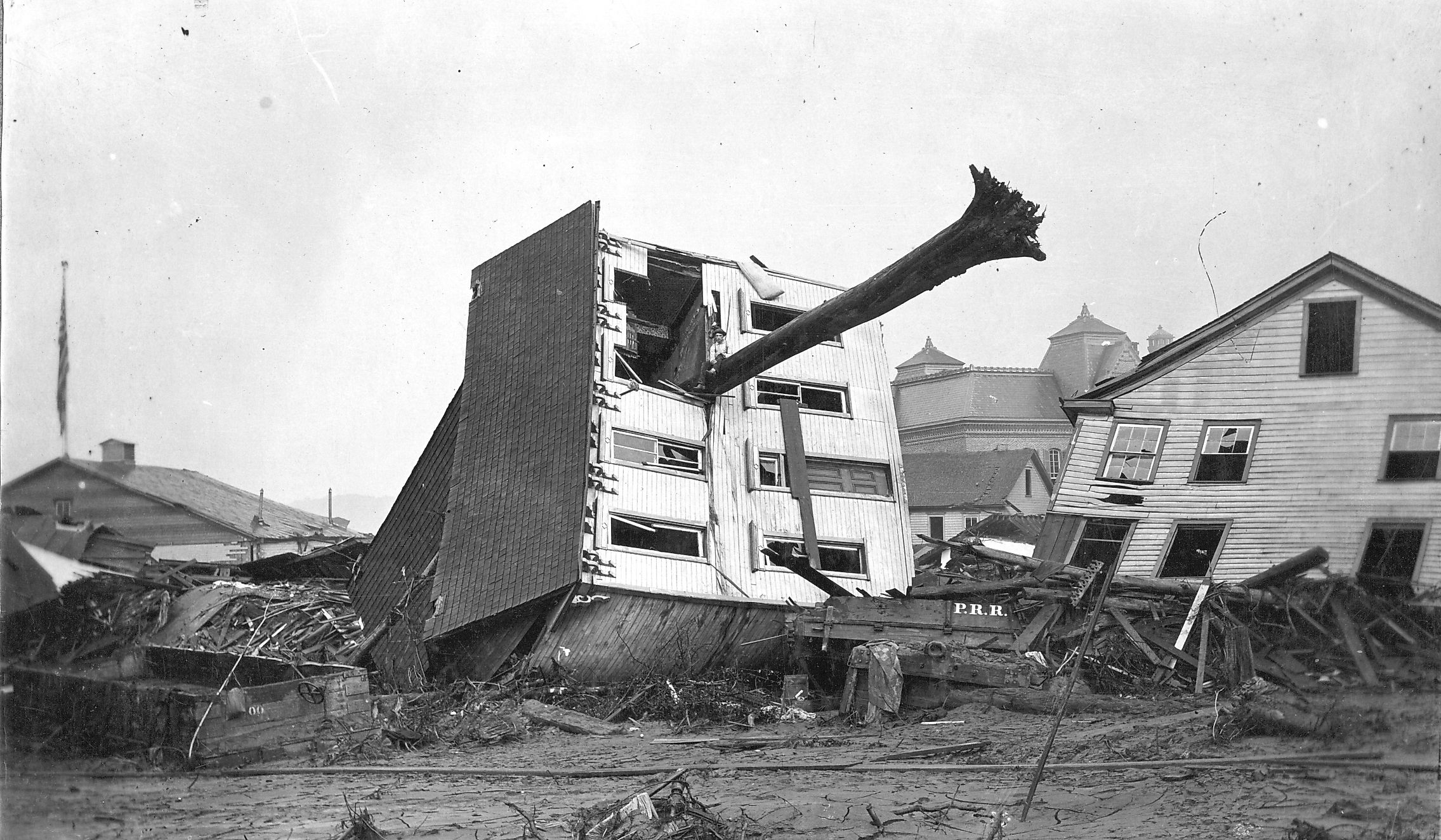
The rushing waters traveled about fourteen miles through the Conemaugh Valley before reaching Johnstown. Many communities were damaged along the way, with houses ripping from their foundations, train tracks becoming entangled, trees uprooting, and entire buildings disappearing under the water. The flood reached Johnstown about an hour after the dam collapsed, bringing large amounts of debris with the fast-moving water.
The town was once a successful industrial community with over 30,000 residents who depended on the iron and coal industries and the transportation industry for work. The townspeople had little time to react once the waters arrived, and many didn't believe the warnings that the dam might break. People were literally swept away with the wreckage, and entire neighborhoods were destroyed.
The Bridge, the Fire and Lives Lost

The catastrophe that followed at the stone railroad bridge over the Conemaugh River was horrifying. At first, the structure held up against the raging waters; however, it trapped a bunch of debris against the arches, including trees, cars, furniture, and other items. Some who survived the initial flooding ended up trapped in the large mass of debris against the river bridge.
To make matters worse, a fire broke out and spread through all the bridge debris, making it impossible for those trapped to escape. They remained caught among the flames for hours, breathing in smoke from the wreckage, eventually ending in 80 to 100 lives lost as a result. It was an incredible tragedy, with so much additional destruction.
Outrage and Response

Soon after the devastating flood in Johnstown, donations poured in from across the country. The founder of the American Red Cross, Clara Barton, arrived in Pennsylvania with a team of medical and relief workers who provided food, care, and housing assistance to survivors. This marked the American Red Cross's first major peacetime civilian relief operation, which helped establish its future nationwide reputation.
As word of the destruction spread, public outrage increased, blaming the wealthy members of the South Fork Fishing and Hunting Club. Many believed the club members placed their recreational desires over the safety of those who lived downstream. Newspapers quickly questioned the condition of the dam and whether the disaster could have been prevented. Many of the survivors filed lawsuits seeking compensation, but none of the club members were held legally responsible. The lack of safety measures and ongoing debate over responsibility led to the development of American liability law.
Rebuilding From the Ruins
Johnstown gradually rebuilt its once-thriving businesses despite the destruction, as local workers returned to industrial jobs and new homes were built throughout the community. The recovery showed just how determined the survivors were, with families who lost so much wanting to rebuild their lives. The generous donations provided crucial assistance to those suffering in the difficult months that followed the enormous disaster. Even so, the flood remained embedded in the community and defined history in Johnstown, Pennsylvania, as a stark reminder of inadequate infrastructure and disaster preparedness.