What Great Lakes Freighter Crews Eat During A Nine-Month Season
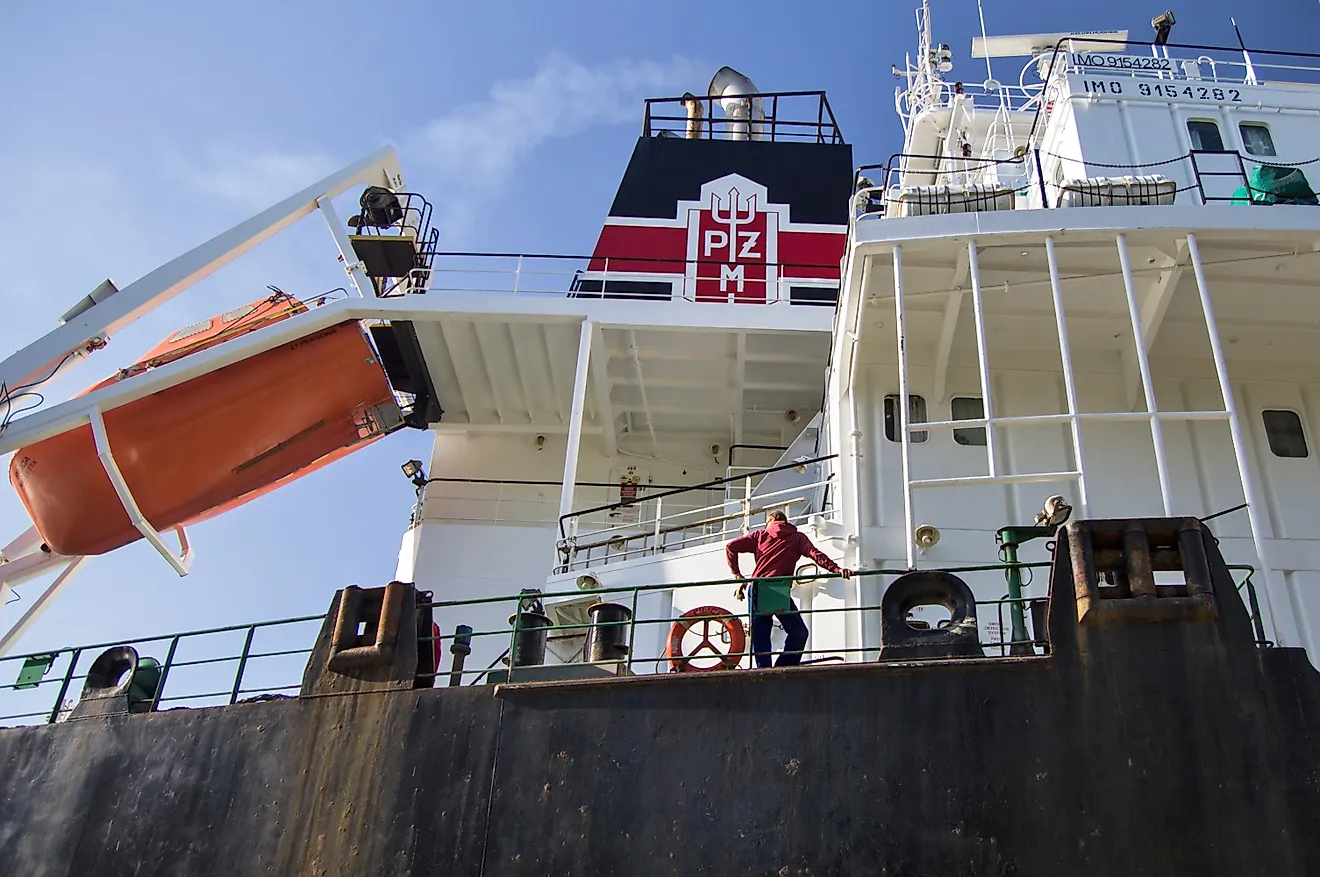
Put 22 people on a steel island for nine months, take away every restaurant, bar, grocery store, and weekend, and you inherit a problem the Great Lakes fleet solved generations ago with one of the best-kept open secrets in American labor: freighter crews eat magnificently. The laker galley is legendary, four full meals a day, fresh bread and pie baked on board, holiday feasts served in the middle of a November gale, and a provisioning system so committed to never stopping the ship that the groceries come alongside by boat while the freighter is still moving. On the lakes, the cook ranks somewhere between department head and local celebrity, and the menu is not a perk. It is the thing that keeps the whole season running.
Four Squares And A Night Lunch

A freighter never clocks out, so neither does its menu. The ship runs on rotating watches around the clock, and the galley matches them with the fleet's traditional rhythm: a full cooked breakfast, the big midday meal that lakers, in the old maritime way, call dinner, a hearty evening supper, and then the night lunch, a spread of leftovers, sandwich fixings, and baked goods laid out for the watchstanders who work while everyone else sleeps. Add an urn of coffee that has not been empty since April, and the galley functions less like a restaurant than like a 24-hour diner with a crew of regulars who never leave.
The schedule is the point. A deckhand coming off the midnight-to-four watch in a cold rain does not want options; he wants the night lunch to be there, and it always is. On a ship where the work never pauses, the food's first job is simply to meet every watch at the door.
The Menu Is The Morale Department

What comes out of the galley is where the legend lives. Laker cooking runs to abundance, steaks and prime rib, roasts and chops, fish on Fridays by long habit, full cooked-to-order breakfasts, and above all the baking: bread, rolls, cookies, cakes, and the pies that crews grade their boats by, all made from scratch on board, often starting before dawn. Sailors comparing fleets talk wages second and galleys first, and a boat with a famous cook holds its crew the way a good diner holds a small town.
The generosity has cold logic behind it. These crews live aboard for stretches of 60 or 90 days without setting foot ashore, with no commute home, no Friday night out, and no weekend, so meals are the day's structure, its social hour, and most of its recreation rolled together. The companies learned long ago that the food budget is the cheapest lever on the ship: a few dollars more per person per day buys retention, safety, and morale that no bonus matches. On a laker, dessert is a management strategy.
Groceries At Ten Knots

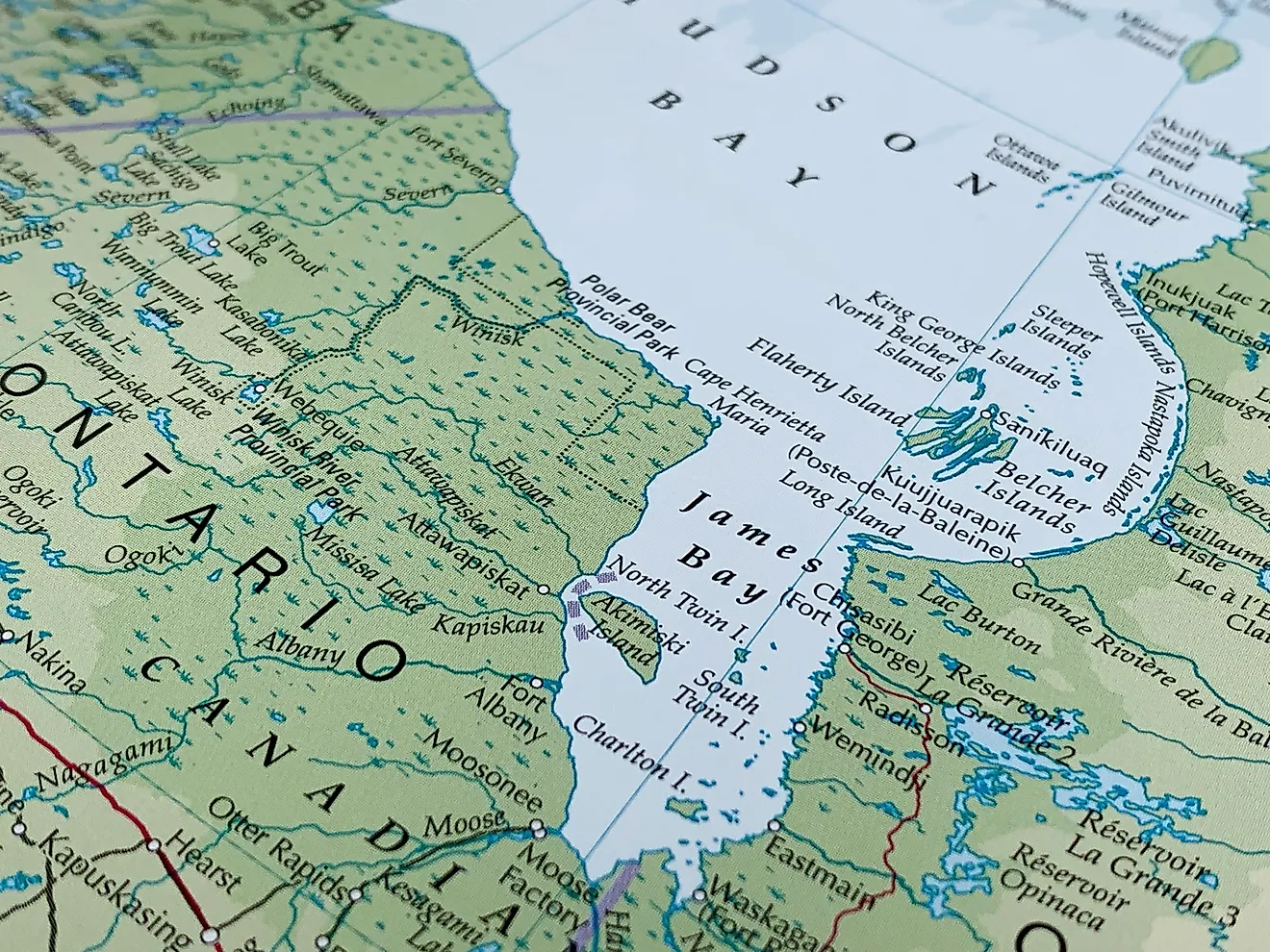
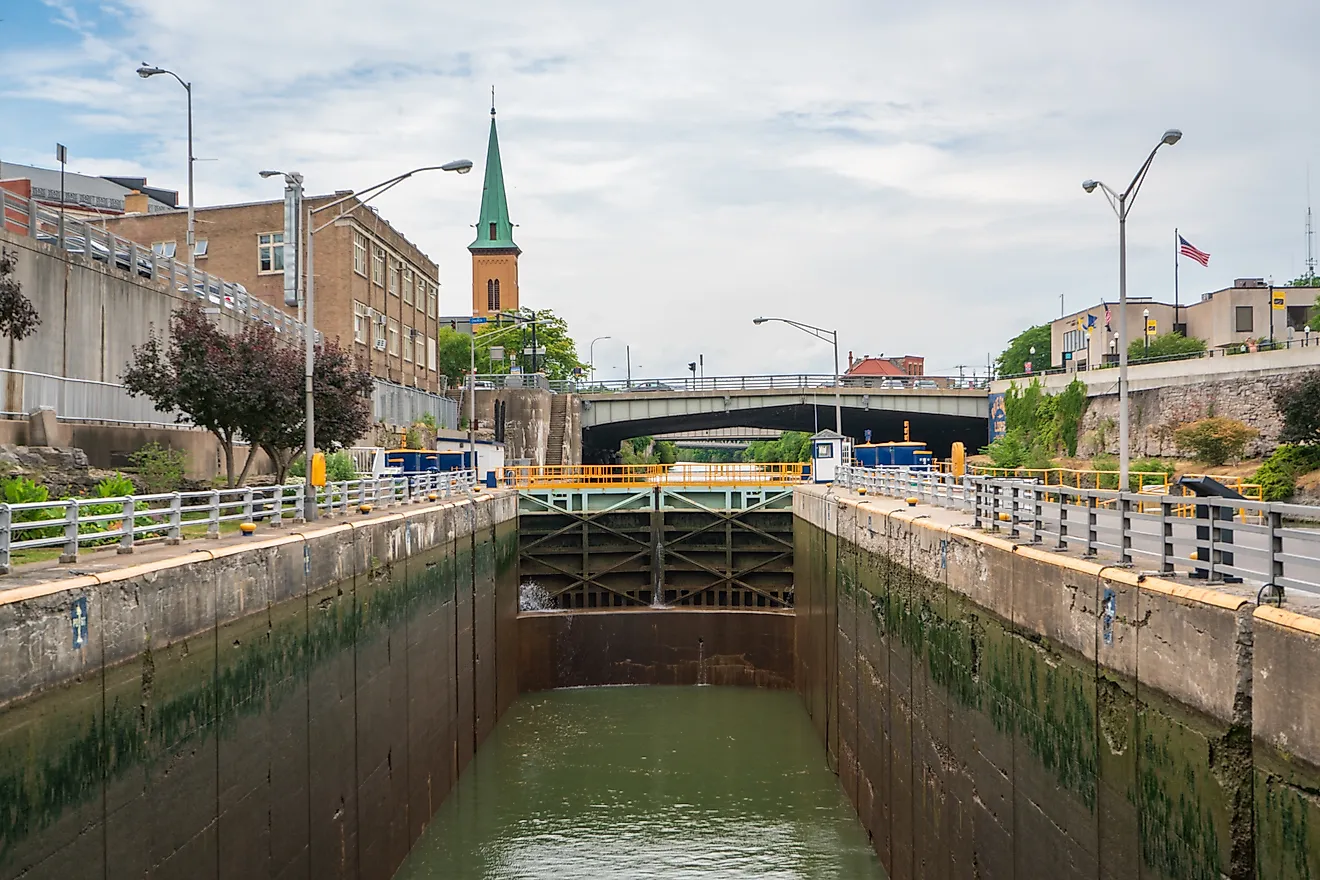
Here is the wrinkle that makes laker provisioning unique: the ship almost never stops long enough to shop. Cargo loads in hours, not days, docks sit nowhere near supermarkets, and an idle freighter earns nothing, so the fleet's answer is to bring the store to the ship. At the Soo, a marine chandler's grocery boat has run supplies out to freighters for generations, coming alongside in the St. Marys River and at the locks to crane aboard pallets of provisions, spare parts, and mail while the big ship barely breaks stride.

The Detroit River runs the tradition's most beloved institution: the J.W. Westcott II, the mail boat that has served passing freighters for over a century, holds its own US ZIP code, 48222, the only floating ZIP code in the country, and transfers letters and packages to moving ships by the time-honored method sailors call mail in a pail, a bucket on a line between two vessels underway. The Westcott's modern sideline is the one crews love best: it ferries out carryout orders, famously including pizza, to ships mid-channel, which means a freighter crew can get delivery in the middle of an international waterway faster than some apartments get it across town.
Holidays At The Rail

The nine-to-ten-month season runs from the ice of late March to the ice of mid-January, which places Thanksgiving, Christmas, and New Year's squarely on the sailing schedule, and the galley answers with its biggest performances of the year. Holiday dinners aboard are full productions, turkey and ham with every trimming, tables dressed, the works, often served while the ship pounds through exactly the November weather the lakes are notorious for, with the cook producing a feast for 22 in a kitchen that will not stop moving.
Crews describe those meals as the season's emotional ballast: nobody pretends a wardroom turkey replaces the table at home, but the fleet has always understood that the way you tell a crew they matter, 300 miles from their families on a frozen lake, is to cook like it. The last big dinner before winter layup doubles as the season's farewell, and then the galley goes cold with the ship until spring.
The Two-Person Restaurant
All of it, four dailies, the baking, the feasts, comes out of a steward department of typically just two or three people, a chief cook and a second cook or porter, feeding the whole crew every day for the entire season. The cook's day starts before 5 am with the baking and ends after supper cleanup, week after week, which is why good laker cooks are treated like franchise players and why the captain is not always the most popular person on board.
Set against the ship's enormous daily operating bill, the galley is a rounding error that behaves like a cornerstone: the cheapest department on the vessel carrying the heaviest share of its spirit. The fleet's accountants figured that trade out a hundred years ago, and no one has found a reason to revisit it.
An Army That Sails On Its Stomach
So the answer to what freighter crews eat across nine months is: better than almost anyone ashore suspects, on a schedule that never sleeps, from a kitchen that gets its groceries craned aboard at speed and its pizza by bucket from a boat with its own ZIP code. The menu is abundance with a purpose, four squares and a night lunch holding 22 people together through 60-day stretches, gales, and holidays spent making steel move. The lakes' freight runs on iron ore and diesel, officially. Unofficially, every sailor on the water will tell you the real fuel is pie.