The Lakes That Turned Toxic And Recovered
With the founding of the Environmental Protection Agency (EPA) in 1970, the United States government began to officially take the human impact on the environment seriously. As early as the late 1950s, grassroots concerns grew over pollution and other environmental issues. The groundbreaking and best-selling book Silent Spring was published in 1962, shocking Americans about the indiscriminate use of pesticide chemicals. On June 22, 1969, the Cuyahoga River, a tributary to Lake Erie in Northeast Ohio, caught fire due to industrial pollution, a key symbolic event leading to the start of the American environmental movement. By the early 1970s, Lake Erie itself was declared to be all but dead. Over the subsequent decades, efforts were made by environmental groups, private citizens, and government agencies to clean up America's freshwater lakes and rivers, some of which had once been so toxic that recovery seemed hopeless, yet are now on their way to recovery.
Lake Erie (Canada/USA)

As the shallowest of the Great Lakes and its position at the southern end of the chain of lakes, Lake Erie is the most stressed of the Great Lakes. Ship traffic from the Atlantic Ocean, through Lake Ontario, and into Lake Erie brings invasive species, while industrial, urban, and agricultural runoff from both the American and Canadian sides of the lake has contaminated the lake, and with its warm and shallow waters, ideal conditions for harmful algae blooms are created. Declared dead in the 1970s, Lake Erie's road to recovery was slow.
Lake Erie remains the most endangered of the Great Lakes, but its reputation has led the drive to save the lake. To this day, Lake Erie has hypoxia, or dead zones, where there is little biological life. However, changes in industrial waste processing and the reduction of raw sewage entering the lake and serious efforts by governments on both sides of the lake are making serious progress. In 1972, the Great Lakes Water Quality Agreement was enacted, and the Canadian and US governments committed to restore and enhance water quality in the Great Lakes ecosystem. Phosphorus runoff was cut in half by the mid-1980s, and the walleye population rose from 100,000 to over 4 million, a significant recovery for a crucial native species. Other native fish stocks rebounded, and water clarity was restored.
Onondaga Lake (New York)

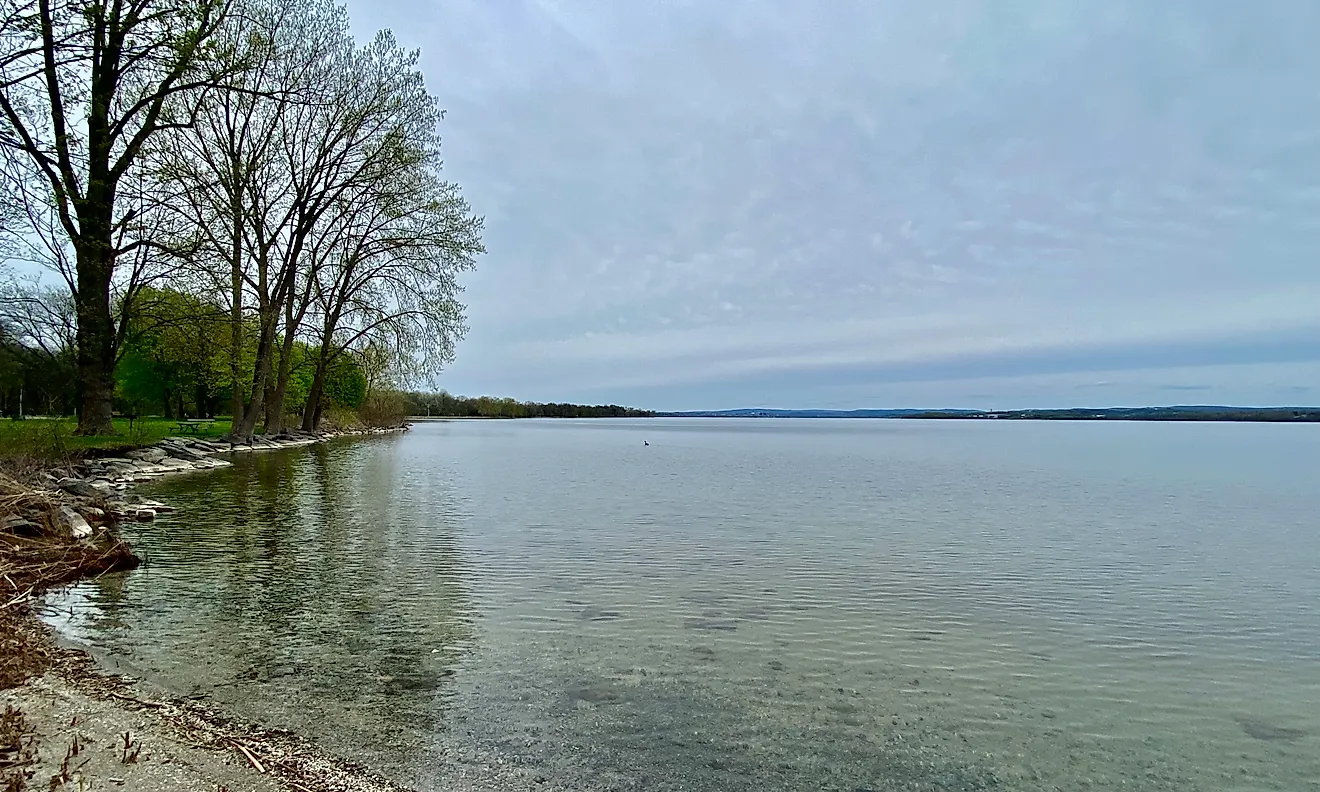
This lake near Syracuse has been the site of decades of industrial dumping of mercury and untreated sewage. Often ranked at the top of lists of most polluted American lakes, the area around Onondaga Lake has a combined population of 450,000, having a significant impact on this rather shallow lake. As the site of Allied Chemical Corporation, chemical and industrial waste contributed to high levels of mercury contamination. It is estimated that 165,000 pounds of mercury were discharged into Onondaga Lake by Allied Chemical between 1946 and 1970. For over a century starting in the 1880s, industrial operations discharged millions of pounds of pollutants into the lake. With the lake in such dire conditions, cleanup efforts were promoted, and citizen groups called on the state to improve wastewater treatment.
Over the past few decades, over $1 billion was spent on the cleanup of Onondaga Lake, with a focus on dredging and capping contaminated lakebeds, modernizing municipal sewage treatment, and restoring native wetlands. Over 2 million cubic yards of toxic sludge and mercury were removed, and 475 acres of the lake bottom were covered with clean sand and isolation layers. The city of Syracuse modernized its treatment plant, utilizing biological aeration filtration, which contributed to a significant drop in ammonia and phosphorus discharges. Around 90 acres of native marshes and grasslands were restored along the shoreline. Native fish species numbered as low as nine in the 1970s, rebounding to 65 species in the last two decades, while aquatic plant life has rebounded from 12% coverage to about 80% of shallow areas.
Muskegon Lake (Michigan)

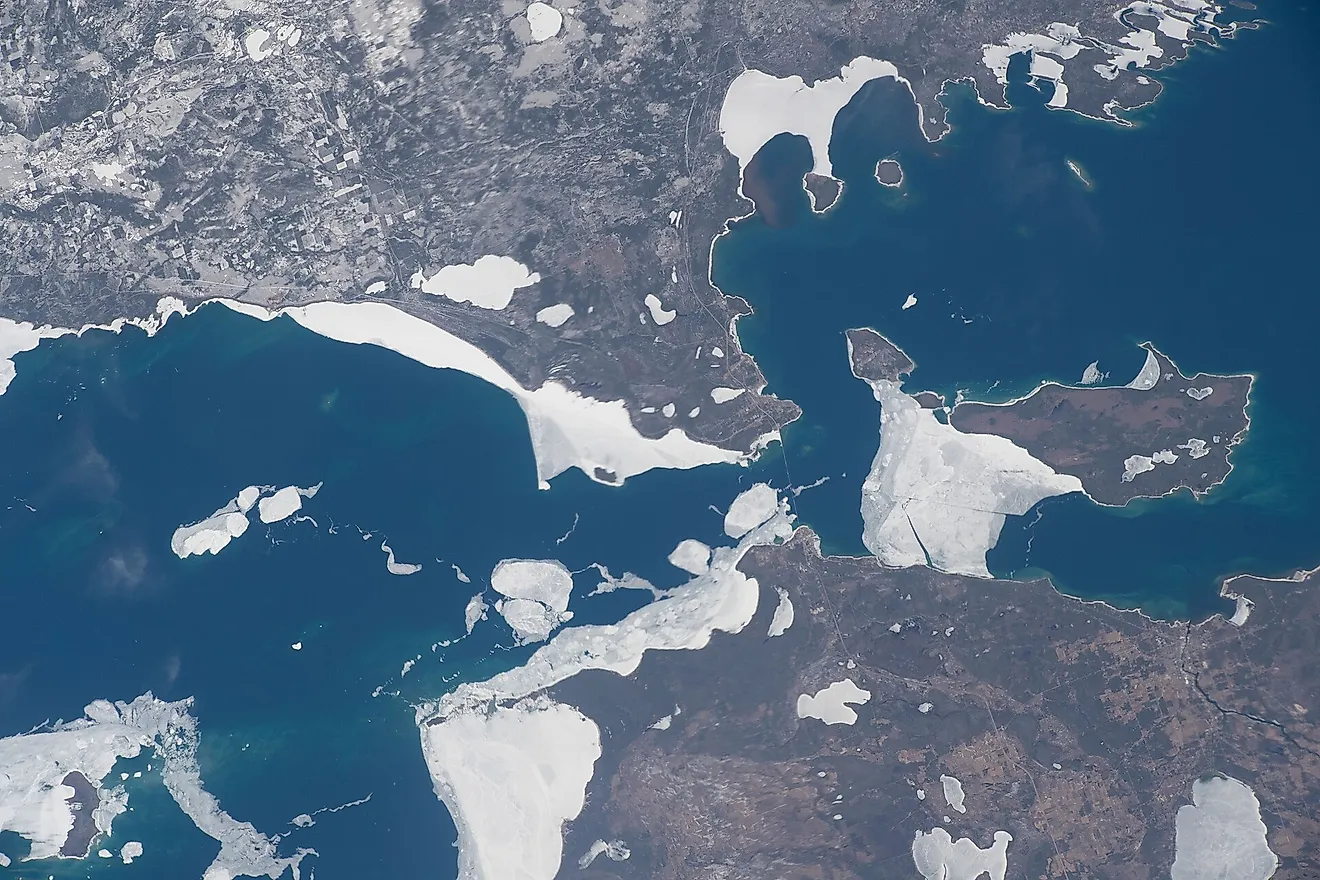
In 1985, Muskegon Lake was designated an industrial Area of Concern. With over a century of lumber milling, millions of tons of sunken slab wood, sawdust, and logs suffocated the lakebed, while industrial waste from foundries, chemical plants, and heavy manufacturing contaminated the lake with toxic heavy metals, oil, and hazardous fill, most of it dumped directly into the water. Habitat reduction was caused by urban sprawl, with a great deal of the shoreline covered in concrete and pavement.
With the enactment of the Great Lakes Legacy Act and the Great Lakes Restoration Initiative, over the course of 40 years, an $84 million federal, state, and local cleanup effort removed 347,000 tons of debris. Over 190,000 tons of toxic soil was cleared, and 20,000 feet of natural shoreline was restored. With the removal of the legacy of sawmill waste, 134 acres of wetlands were restored and reconnected. Since the 1970s, phosphorus levels dropped by 61%, and there has been significant water clarity improvement. The economic impact has been strong, with an estimated $28 million annual increase in recreation value for the lake, and a strong increase in local home value.
Deer Lake (Michigan)

Deer Lake, in Ishpeming, Michigan, was designated an Area of Concern due to the decades-long mercury contamination from industrial operations. Aggressive municipal wastewater upgrades and mercury input were cut off. With an $8 million grant from the Great Lakes Restoration Initiative, Deer Lake tributary Partridge Creek was rerouted out of the toxic Cliffs Shaft Mine tunnels. The creek had been picking up historic dynamite residue. A naturalized channel for Partridge Creek eliminated the final controllable source of mercury and restored healthy local trout habitats.
These efforts reduced phosphorus loading by 89% and nitrogen by 95%. The city of Ishpeming split the old combined municipal sewer lines into dedicated sanitary and storm systems, a project finished in 1985. Three outdated treatment plants were replaced by an enhanced secondary wastewater treatment facility, completed in April 1986. In 1981, the mercury-laden assay lab waste that was dumped into the lake was ceased. These successful recovery efforts resulted in Deer Lake being delisted in 2014 as an Area of Concern.
Spirit Lake (Minnesota)

Spirit Lake and the St. Louis River estuary had been affected by over 75 years of direct toxic waste discharge from US Steel. The steel industry located within the estuary was a significant polluter of the estuary and Spirit Lake. The pollution levels were so severe that the area earned a Superfund designation in 1984, after years of court challenges and mediation. An important lake to local Indigenous groups, the Superfund cleanup was led by these groups. The cleanup efforts resulted in the successful removal of contaminated industrial sediment. The habitat of the estuary and lake was restored, as was shoreline access.
White Lake (Michigan)

Designated a place on the Toxic Hot List by the EPA and as a Great Lakes Area of Concern in 1987, White Lake suffered severe environmental degradation due to unregulated industrial dumping. The Hooker Chemical Company had the primary impact on the lake, dumping hazardous waste into unlined onsite lagoons and burying 20,000 drums of chemical waste, which were intentionally slashed with axes to let the liquids drain into the ground. Highly toxic chemical compounds such as the banned C-56 leached directly into White Lake. During initial cleanup efforts, a massive cave-lined vault was built by Hooker Chemical to conceal millions of tons of heavily contaminated soil. Locals dubbed the site the Temple of Doom. The Whitehall Leather Company Tannery was responsible for discharging heavy metals like chromium and mercury, as well as animal hides and animal waste, directly into the water. Sewage and tannery waste caused ecological suffocation through eutrophication, resulting in toxic algal growth that depleted oxygen levels in the water and choked all aquatic life.
The lake bed was covered in toxic sediment, with floating scum and debris on the lake's surface, including actual animal hides. Swimming in the lake was labeled hazardous, and fish became inedible due to high concentrations of PCBs and heavy metals. With serious effort, over 100,000 cubic yards of toxic sludge and heavy metals were removed from heavily impacted areas and chemical discharge zones. Hooker Chemical (now Occidental) and DuPont were required to install purge-well networks to pump, clean, and treat contaminated groundwater before it reached the lake. Local municipal wastewater discharges were stopped and redirected away from the lake ecosystem. The White Lake Association was founded by residents in 1986, spearheading the efforts to save the lake from environmental collapse. The association has been monitoring and testing the water for decades. Real-time sensor buoys track oxygen and algae levels to identify emerging runoff or septic threats early. Due to these efforts, the Great Lakes Legacy Act led to the lake's official delisting in 2014.
Challenges Ahead
The recovery of many lakes in North America is good news for anyone concerned about the future of our planet. By the mid-20th century, untreated sewage, industrial discharges, and toxic chemicals were killing America's freshwater sources. Enforced regulations, grassroots activism, and community effort have helped some lakes on the brink to rebound. With climate change, invasive species, algae, and nutrient runoff, challenges remain, and they require long-term watershed management to ensure not only recovery, but sustainability for the future.