Why November Is The Deadliest Month On The Great Lakes
Sailors on the Great Lakes have a grim nickname for the stretch of late autumn that has drowned more of them than any other time of year: the "Witch of November." For well over a century, this single month has reliably turned these vast inland seas into a graveyard. Here is why November is the deadliest month on the Great Lakes.
The Witch of November

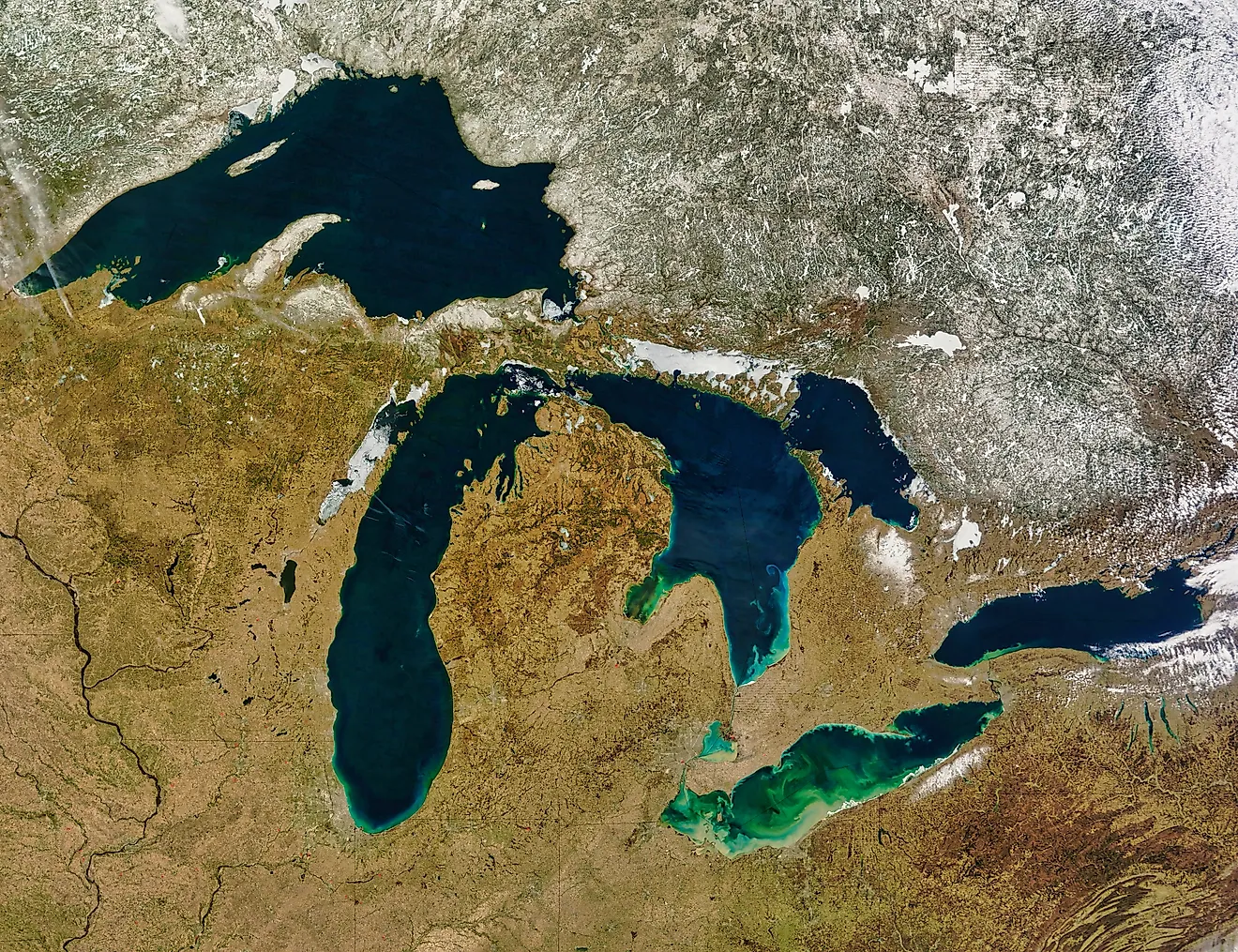
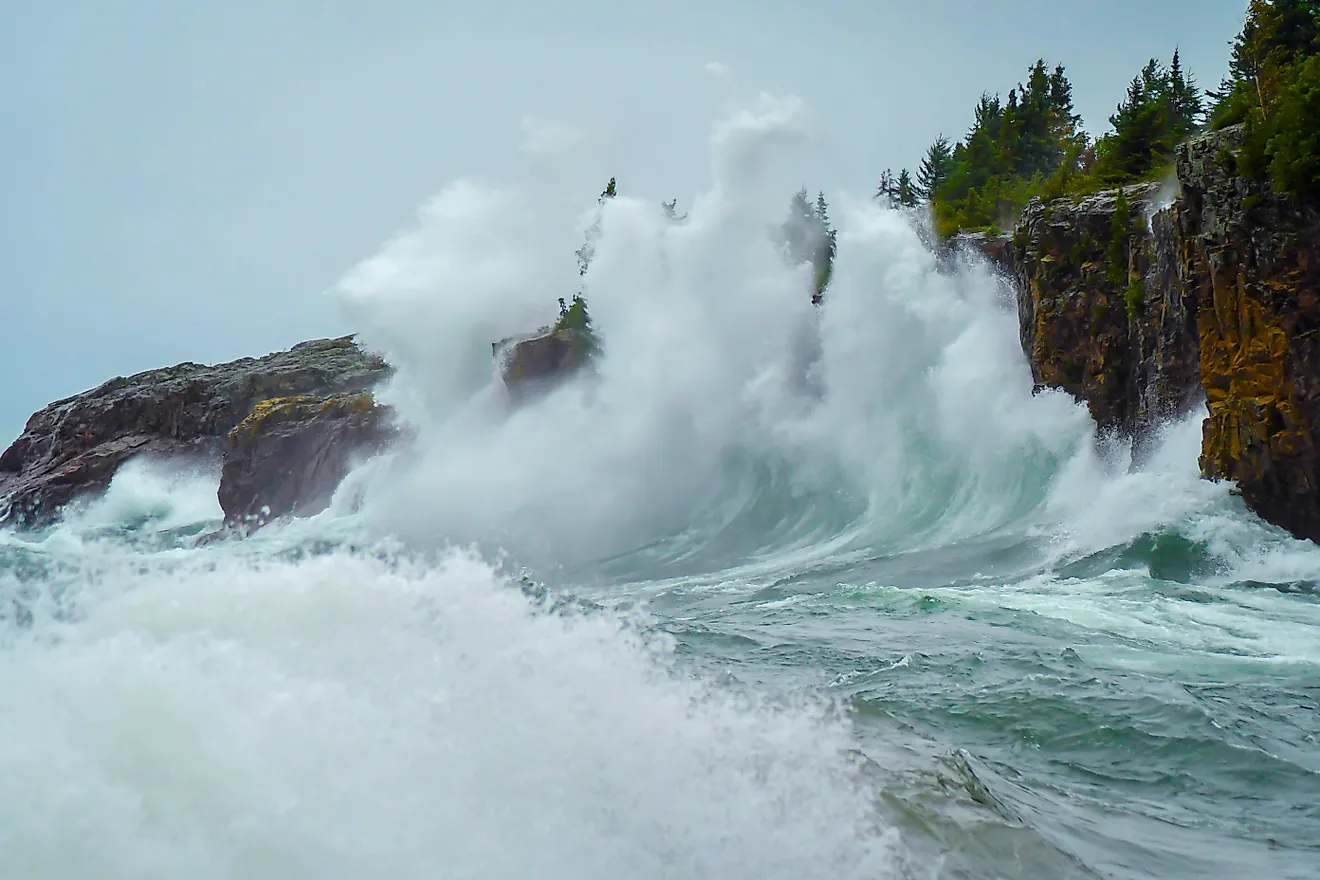
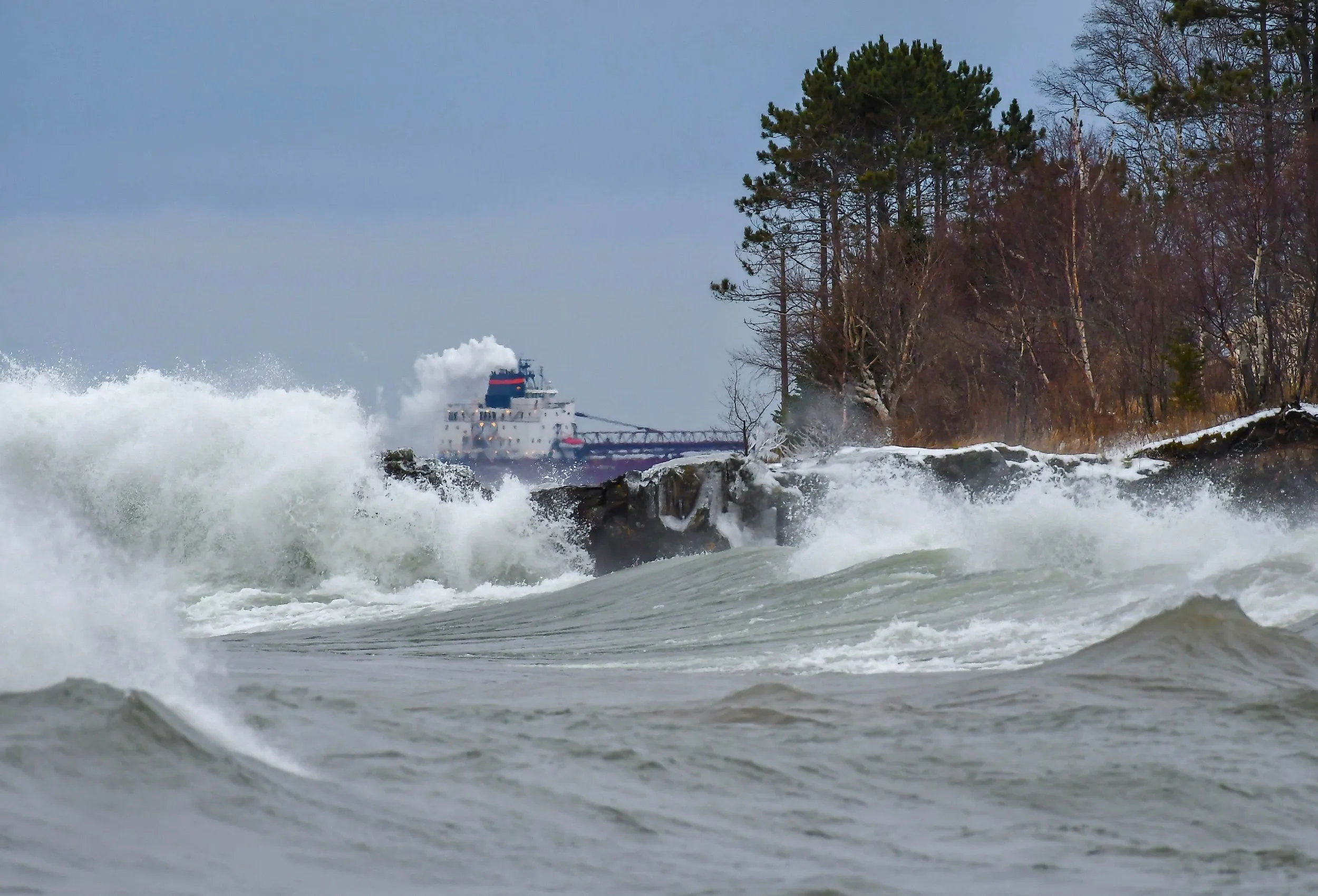
It all comes down to a violent clash of air. Each year around mid-November, an intense low-pressure system drags frigid Arctic air down from Canada and slams it into warm, moist air pulled up from the Gulf of Mexico, right over the lakes. The collision can whip up sustained hurricane-force winds in a matter of hours. Crucially, the lakes themselves are still holding onto their summer warmth at this point, and that warm water acts like an engine, feeding energy into the storms until they throw up waves you would normally expect only on the open ocean. Worse still, a freighter caught in one has nowhere to run, because these are confined basins with no sheltering open sea to escape into. A ship that could ride out a coastal gale can be swallowed whole by the sheer scale and speed of a Great Lakes storm.
The Ships Are Out at the Worst Time

Timing makes it far worse. November has long marked the frantic tail end of the shipping season, as freighters race to haul out their final loads of iron ore and grain from ports like Duluth before winter ice shuts the lanes down. That means the most ships are out on the water at exactly the moment the weather turns most lethal. The temptation to squeeze in one last profitable run has doomed many a crew; in 1913, an unusually warm and calm start to November lulled shipping companies into sending out extra late-season voyages, straight into the teeth of what was coming.
The Great Storm of 1913

That 1913 storm remains the benchmark for Great Lakes disaster. Raging from November 7 to 10 and remembered as the "White Hurricane," it combined hurricane-force winds, a blinding blizzard, and towering waves across four relentless days. By the time it finally blew itself out, it had sunk 12 ships outright, stranded or wrecked many more, and killed over 250 sailors. It stands to this day as the single most destructive natural disaster in the recorded history of the Great Lakes.
The Wreck of the Edmund Fitzgerald

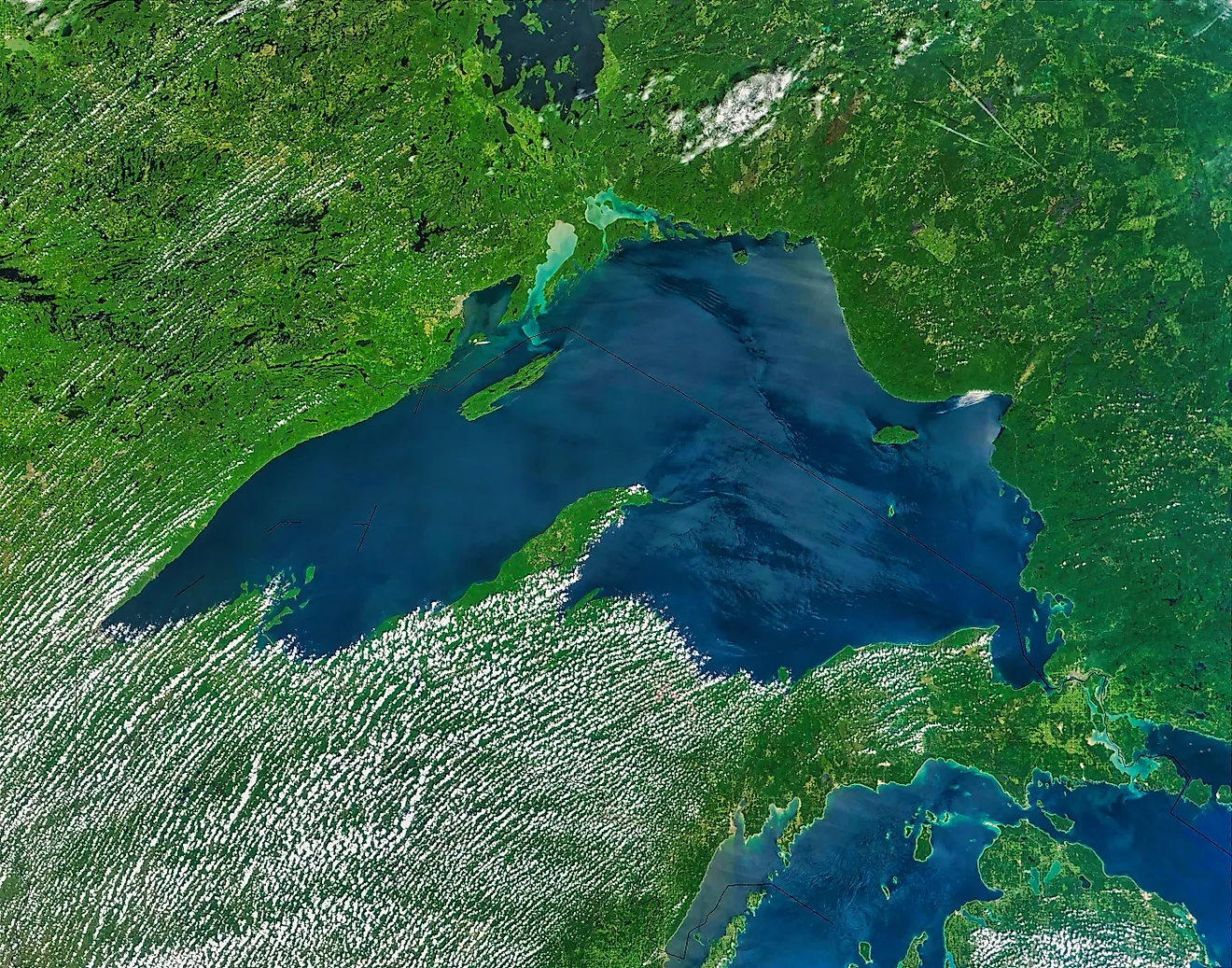
If 1913 was the deadliest November storm, 1975 produced the most famous. On November 10 of that year, the SS Edmund Fitzgerald, a 729-foot ore carrier that had been the largest ship on the lakes when it launched, was overwhelmed by a ferocious Lake Superior gale. It went down with all 29 crew members aboard and never managed to send a distress call, and the exact cause of the sinking is still debated today. Gordon Lightfoot's haunting 1976 ballad, "The Wreck of the Edmund Fitzgerald," turned the tragedy into legend and cemented it as the enduring symbol of November's danger on the lakes.
A Deadly Legacy

Those two disasters are only the most famous entries on a very long list. Estimates of the total number of shipwrecks scattered across the bottoms of the Great Lakes run anywhere from 6,000 to 10,000, and a strikingly large share of them went down in November. Modern weather forecasting, radar, and radio have made the lakes far safer than they were back in 1913, and catastrophic losses are now mercifully rare. But every year, as the first hard gales of November roll in, lakeside towns still ring their bells for the Edmund Fitzgerald, and the sailors still out on the water keep a wary eye on the darkening northern sky.