What Happens If The Rio Grande Dries Up At El Paso
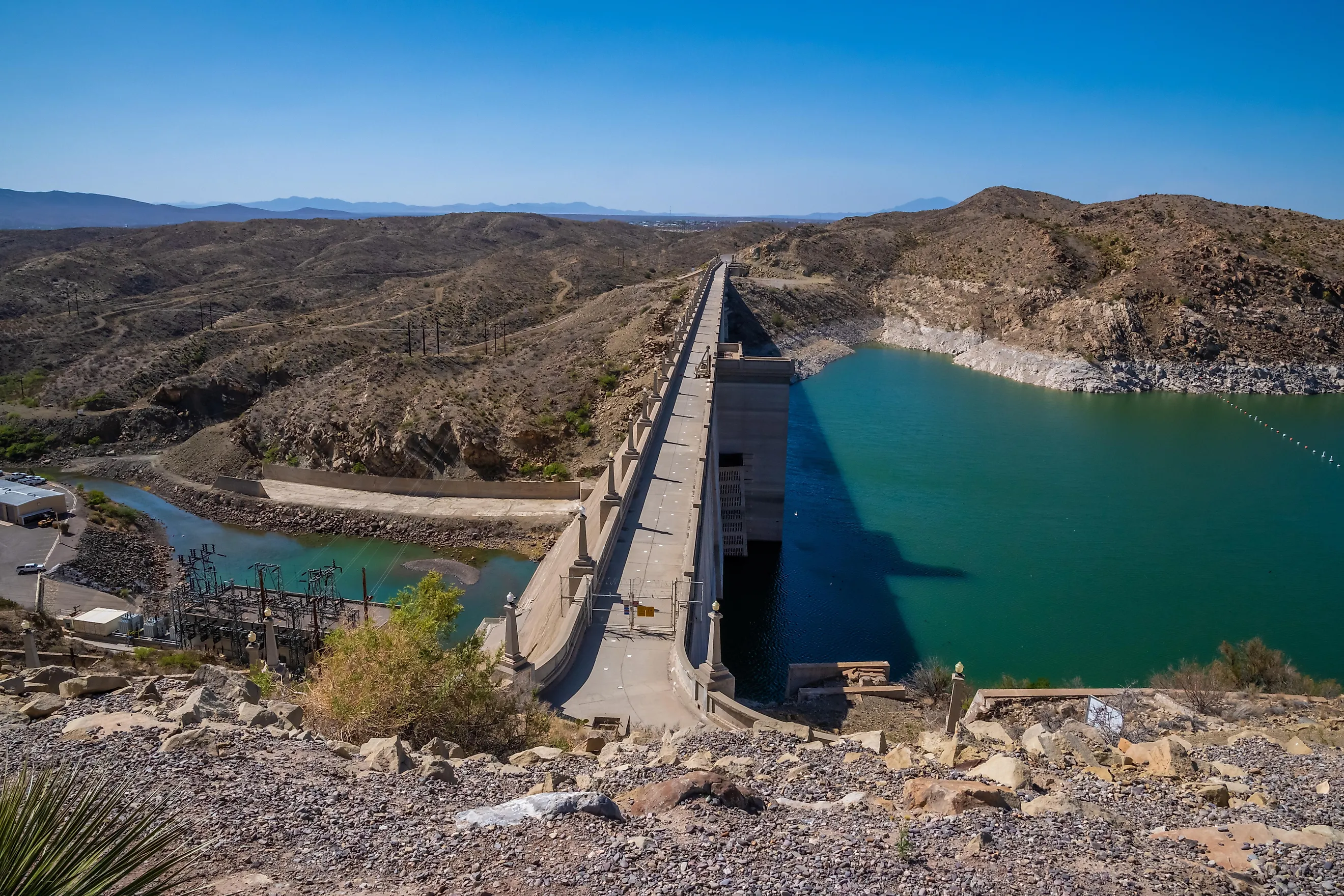
For much of the year, the Rio Grande at El Paso is not a river at all. It is a dry, sandy channel running between two of the largest cities on the US-Mexico border. Water only arrives when the US Bureau of Reclamation releases it from Elephant Butte Reservoir, about two hours north in New Mexico, for the irrigation season. In a good year, those releases start in mid-March. In a dry year, they start late and end early, and the river can disappear for most of the calendar. In other words, the Rio Grande already dries up at El Paso, and the city has spent decades preparing for the day it stays dry even longer.
A River On A Schedule

The Rio Grande below Elephant Butte is a managed river. Snowmelt from the mountains of Colorado and northern New Mexico fills the reservoir, and federal managers release it downstream on a schedule set for farms and cities. According to the Bureau of Reclamation, the river below the dam flows only during those deliveries or in rare floods. Even in a normal season, almost every drop is spoken for by the time it reaches El Paso. Below the city's diversion dams, the riverbed is typically dry, because the remaining water is sent into irrigation canals.
El Paso's Taps Would Keep Running

In a full year, the Rio Grande supplies about half of El Paso's drinking water. In a bad year, that share can collapse. In 2013, the city received just 16% of its normal river supply. When the river comes up short, El Paso Water fills the gap with groundwater pumped from aquifers beneath the city, and it turns up production at the Kay Bailey Hutchison Desalination Plant, which opened in 2007 and treats salty underground water. It is the largest inland desalination plant in the world.
The city is also preparing for a future with less river water. In 2025, El Paso broke ground on its Pure Water Center, a plant designed to turn treated wastewater directly into drinking water. If the river dried up for good, El Paso's taps would keep running, but the water would cost more to produce, and the city's underground reserves would take more of the strain.
Farms Would Feel It First

The biggest users of the river are farmers. The federal Rio Grande Project normally supplies enough water to irrigate about 193,000 acres of cotton, alfalfa, pecans, and other crops across southern New Mexico and the El Paso area. When the river runs short, farmers pump more groundwater from their own wells, and some leave fields unplanted. In 2013, the project's irrigation season lasted little more than a month, the shortest in its history. A river that stayed dry would push the region's farms even harder onto groundwater, which is a limited supply that refills slowly.
Wetlands, Mexico, And The Courts

A dry river would also hit the region's few remaining wetlands. At El Paso's Rio Bosque Wetlands Park, river water released during the irrigation season keeps ponds and marshes alive for migrating birds. The river matters across the border, too. Under a treaty with Mexico, part of the Rio Grande's water is diverted at El Paso each year for farms in the Juárez Valley. With so many users depending on so little water, the river has also become a legal battleground. Texas sued New Mexico at the US Supreme Court, arguing that groundwater pumping in southern New Mexico was shrinking the river before it reached Texas, a dispute the states have worked to settle.
Living With A Part-Time River
If the Rio Grande dried up at El Paso, the city would not run out of water overnight. It already lives with a river that disappears for months at a time, and it has built wells, desalination, and recycling to cover the gaps. The real costs would fall on farmers, wetlands, and the aquifers beneath the desert, which would have to carry more of the load each year. For El Paso, the question is not whether the river will run dry, but how long the dry stretches will last.