What Happens To Yuma If Lake Mead Hits Dead Pool
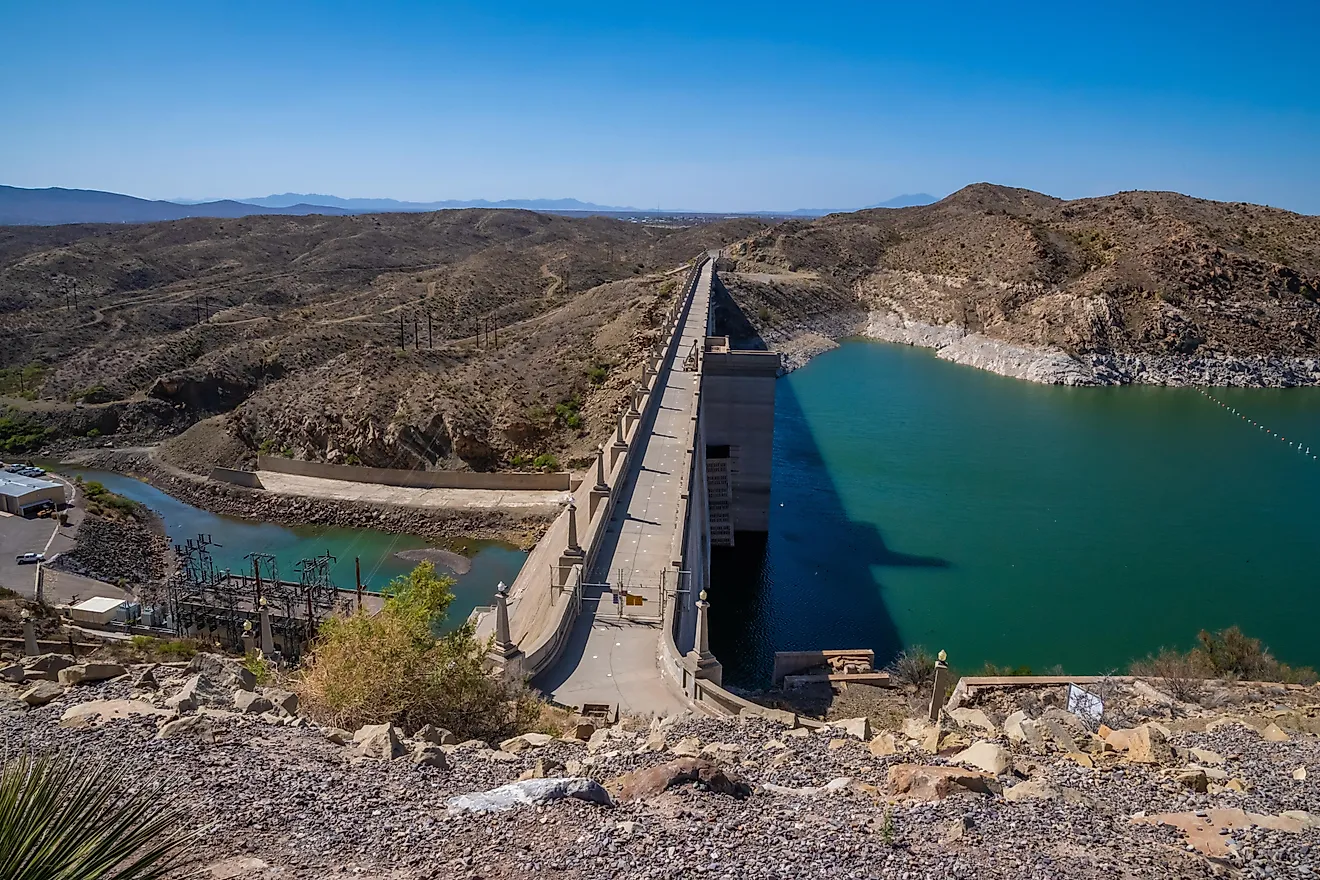
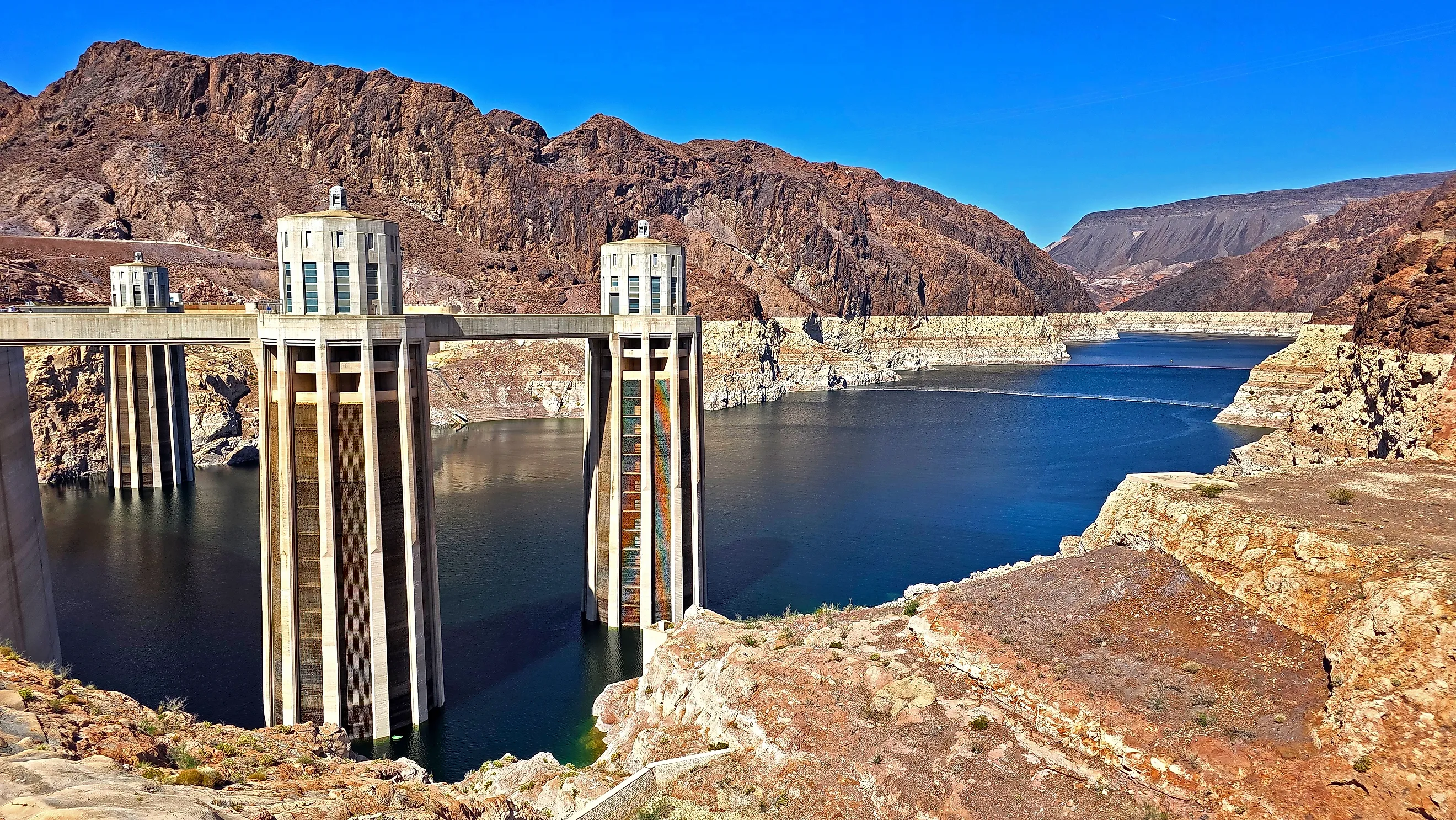
Lake Mead does not have to run dry for Yuma to lose its water. The lake only has to fall to dead pool, the level where the water left in the reservoir sits below Hoover Dam’s lowest outlets and can no longer flow downstream to Yuma’s canals.
The city sits on the Arizona-California border and draws on that river for its homes and its farm fields. Those fields grow much of the nation’s winter salad, up to 95% of U.S. leafy green shipments in peak December weeks. Taps and crops would not fail at the same moment, and the gap between them is where the trouble begins.
Hoover Dam Would Stop Passing Water Downstream

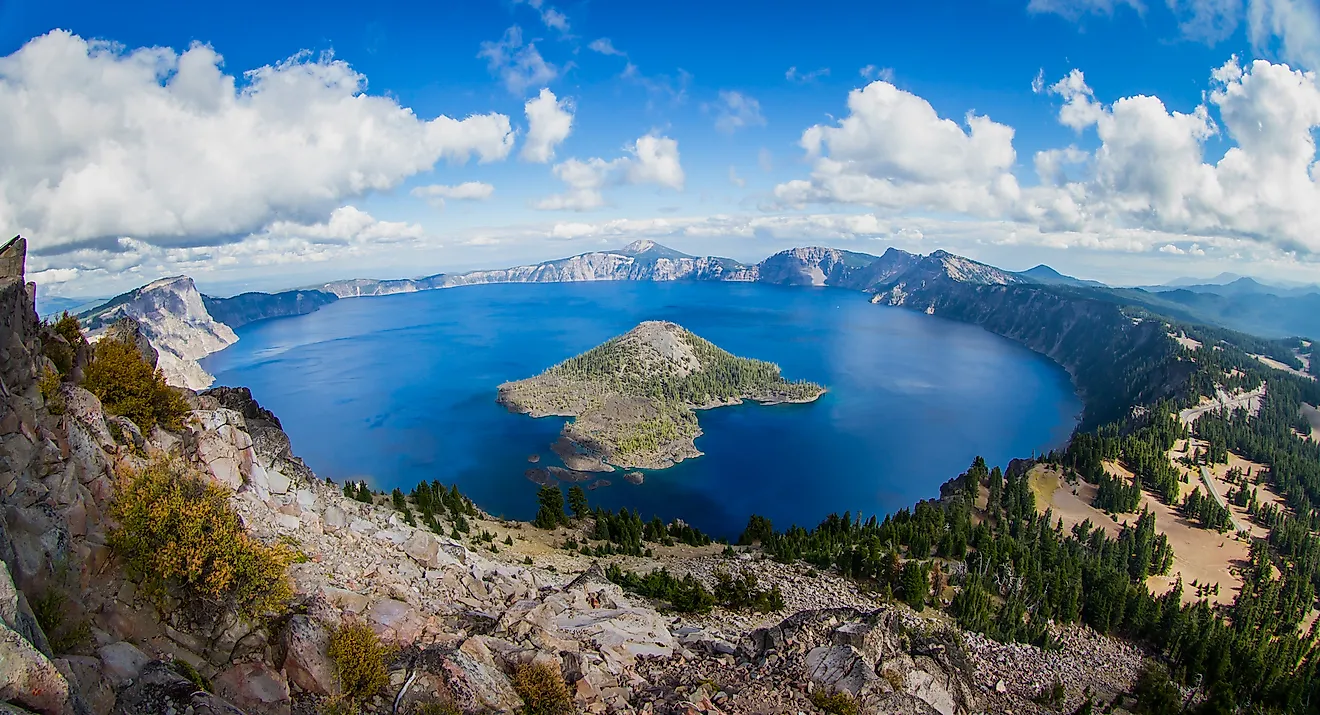
Lake Mead reaches dead pool at approximately 895 feet above sea level. Water below that elevation cannot leave through Hoover Dam's existing outlet works by gravity. The lake would still contain water, but the ordinary route supplying the lower Colorado River would be cut off until the level rose enough to permit releases again.
Electricity generation runs into trouble sooner. Reclamation identifies about 950 feet as Hoover's minimum power pool, the threshold below which its turbines cannot normally generate electricity. Water can still be released through lower outlets after that point.
For Yuma, the crucial loss at dead pool would be the upstream replenishment of its river supply. New inflow could raise Mead enough for limited releases to resume.
Two Downstream Lakes Could Delay The Shortage
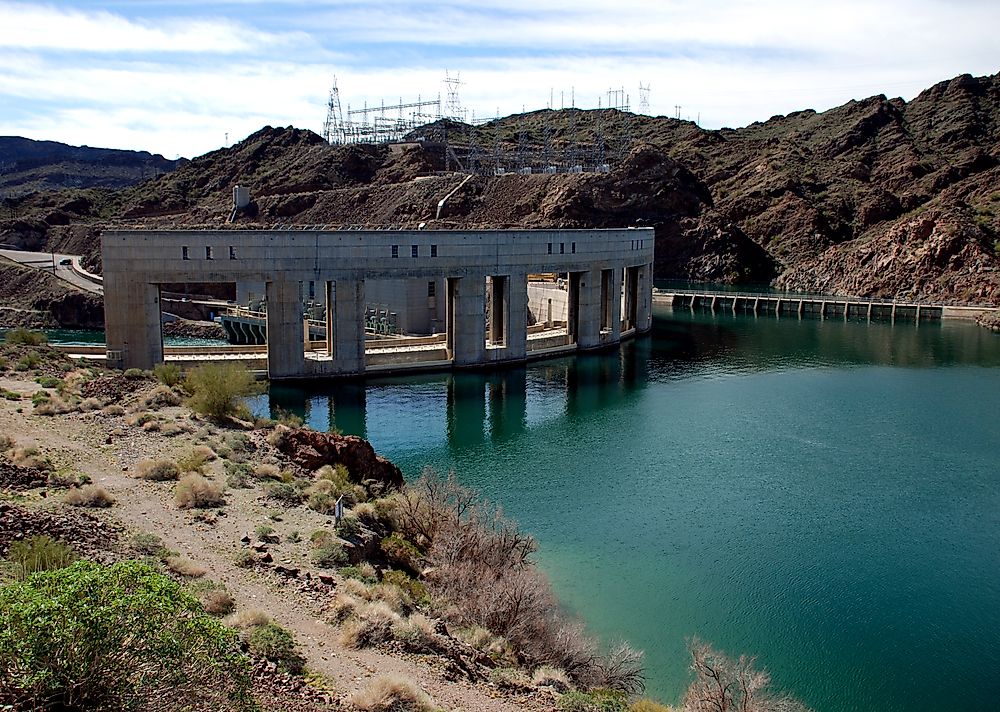
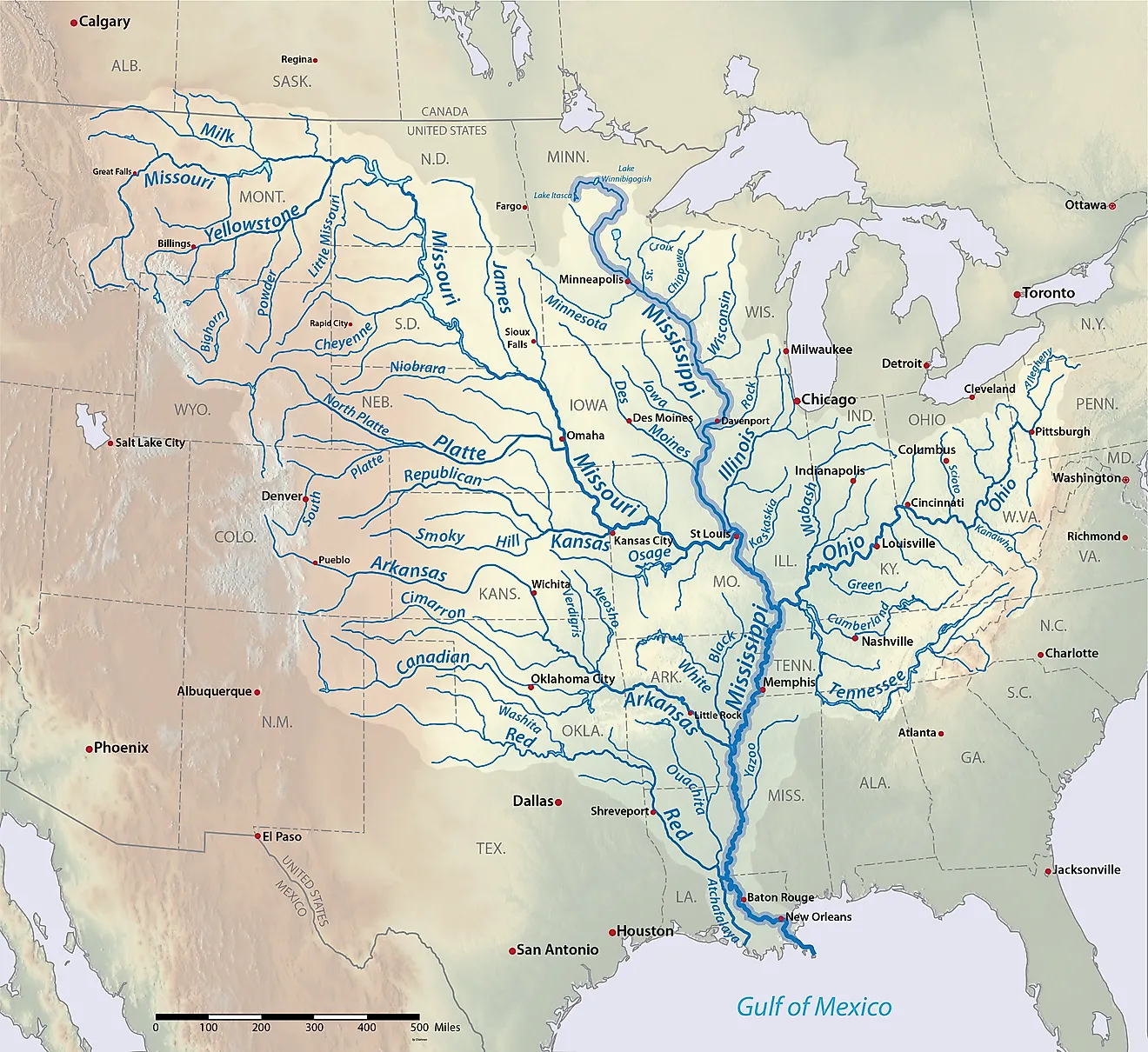
Water leaving Hoover Dam enters Lake Mohave, held behind Davis Dam. Farther south, Parker Dam holds Lake Havasu. Both reservoirs sit between Lake Mead and Yuma, so water already stored in them could continue moving downstream even if Hoover stopped releasing.
Near Yuma, Imperial Dam diverts river water into the canal systems serving local farms and the city. Water bound for the Main Street treatment plant travels through the All-American Canal and Yuma Main Canal. The city's supply therefore depends on flow reaching an upstream diversion, even though the Colorado also passes beside downtown.
Those downstream lakes could provide a temporary buffer, with its duration depending on their starting storage and the releases operators made. Their water also serves other communities and irrigation districts. Continued withdrawals without replacement from Mead would draw that storage down; neither lake could sustain normal regional deliveries indefinitely.
Yuma's Water Rights Would Not Remove The Physical Barrier

Yuma has protections that can spare it cuts imposed elsewhere in Arizona. The city holds both first-priority and third-priority Colorado River entitlements, including a first-priority right dating to 1893. These protections also explain why a cut announced for central Arizona does not automatically mean an equivalent cut for Yuma. The city draws directly from the lower river's canal network, outside the Central Arizona Project system that carries Colorado River water toward Phoenix and Tucson.
Dead pool introduces a physical limit beyond the allocation rules. A senior entitlement cannot move water through a Hoover outlet sitting above the lake's surface. Yuma's rights would still matter when dividing water already available downstream.
Household Water Would Depend More Heavily On Wells

Three wells at Yuma's Agua Viva Water Treatment Facility have a combined pumping capacity of 9 million gallons per day. The treatment equipment is more limited. In October 2026, groundwater filtration capacity was 6 million gallons daily, allowing only two wells to operate. The city approved equipment for an expansion to 9 million gallons, with completion estimated for June 2027.
Even that expanded capacity would fall below half the city's average customer deliveries of about 20.5 million gallons per day in 2022. Main Street, Yuma's other drinking-water plant, treats river water. Losing surface-water deliveries would leave a substantial gap between normal use and the existing groundwater supply. The city's drought plan provides for mandatory restrictions on nonessential use at its Water Crisis stage. Its highest stage, Water Emergency, prioritizes essential needs.
Winter Vegetable Fields Would Face A Different Emergency

Across the Yuma Valley, canals deliver irrigation water to farmland near Somerton and Gadsden. The federal Yuma Project alone serves about 68,000 acres across Arizona and California. Its fields occupy desert land where annual rainfall averages only a few inches, making continued irrigation essential to commercial production.
If deliveries became insufficient, growers would have to reduce the acreage they irrigated or face crop losses. The timing would change the damage. A shortage before planting could leave ground unplanted; an interruption during a growing season could threaten crops already in the field.
The effects could extend into Yuma's packing and refrigerated-storage businesses, whose work depends on the harvest. Production shifts seasonally between the Yuma area in winter and central California in summer. Losing a substantial part of Yuma's winter harvest would disrupt that seasonal supply pattern, with consequences for produce availability beyond Arizona.
Groundwater And Desalting Still Depend On The River System

Much of the water beneath Yuma entered the ground through irrigated fields or seepage from the river and unlined canals. Local rainfall contributes very little groundwater recharge. Pumping could draw on water already stored underground, but sustained reductions in irrigation and river flow would also reduce important sources of replenishment.
West of the city, the Yuma Desalting Plant was built to recover salty agricultural drainage from the Wellton-Mohawk Irrigation and Drainage District. Its intended product goes toward water deliveries to Mexico, conserving an equivalent amount of Colorado River water. It was not designed as an ocean-fed supply for Yuma's municipal treatment plants. Recovering usable water through desalting still requires a supply of drainage water. A prolonged collapse in irrigation would eventually affect that source, too.
At Imperial Dam, the entrances to Yuma's supply canals depend on water arriving along the lower Colorado. Protecting essential household use during a prolonged interruption would still leave the surrounding farm economy exposed. A family could receive drinking water while nearby growers lacked enough irrigation water to plant their usual acreage. Packing operations would then have fewer vegetables to handle, even if the city's emergency measures kept taps working. Restoring agricultural production would require dependable deliveries through the irrigation canals, beyond the smaller supply needed for essential domestic use. The planned expansion at Agua Viva would increase treated groundwater for the city, while Imperial Dam would still have to supply water for irrigating the surrounding farms.